Ashikaga Yoshiakira
 Japan
JapanAlso known as: Chijūō, Senjuō, Hôkyô-in
Birthday
July 4, 1330
Birth Sign
Cancer
Birthplace
Japan
Age
Died at 37
About
Ashikaga Yoshiakira stands as the pivotal second shōgun of the Ashikaga shogunate, a figure who defined the transition from the revolutionary chaos of his father's rise to the cultural zenith achieved by his son. Ruling Japan from 1358 until his untimely death in 1367 at the age of thirty-seven, he is historically significant for stabilizing the shogunate during the tumultuous Nanboku-chō era, where rival Northern and Southern imperial courts vied for legitimacy. Unlike modern celebrities whose careers are measured in commercial metrics, Yoshiakira's legacy is defined by military command, political maneuvering, and the administration of a feudal state rather than artistic performance or public entertainment. His tenure marked a critical bridge between the founding of the dynasty and the golden age of Muromachi culture, transforming the Ashikaga regime from a volatile force into a stable governing body that would endure for over two centuries.
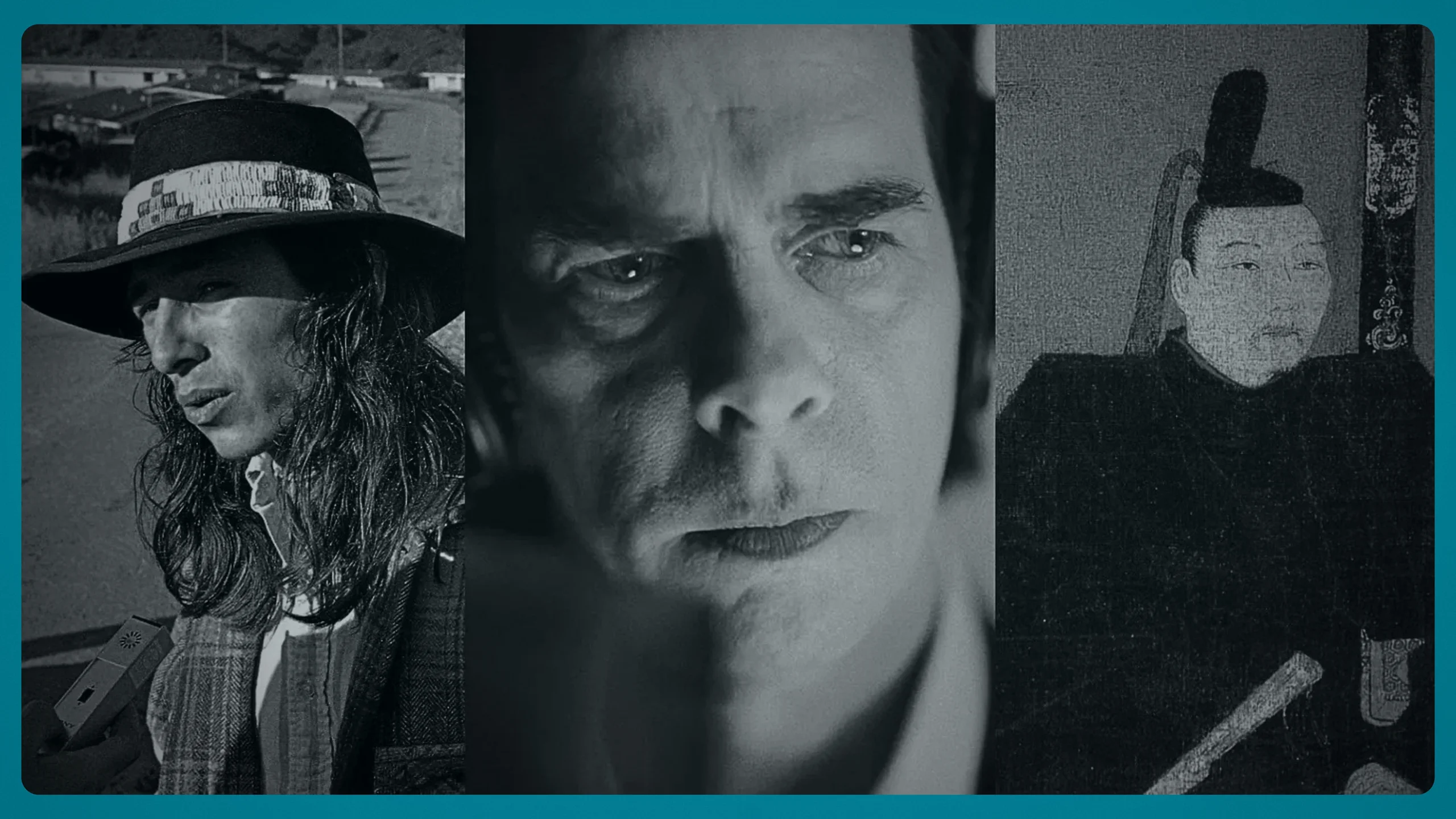
Yoshiakira distinguished himself not merely as a ruler but as a capable military commander who helped stabilize the government against internal rebellion and external threats. He spent his early years navigating the volatile politics of the time, distinguishing himself by recapturing Kyoto from Loyalist forces in the 1350s, a feat that cemented his status before he officially succeeded his father. His work established the Muromachi government as a stable alternative to the imperial court's fragmentation, balancing the power of the shugo lords and maintaining fragile peace. Portraits depict him in traditional court attire, reflecting the aesthetic of the period, while his posthumous name, Hôkyô-in, remains a symbol of his spiritual merit and historical importance in Japanese memory.
Early Life & Background
Yoshiakira entered the world on July 4, 1330, within the context of the Kamakura region, just as the old shogunate was crumbling under corruption and the rise of Emperor Go-Daigo. Born with the childhood name Chijūō (also recorded as Senjuō in some accounts), he was the eldest son of Ashikaga Takauji, the founder of the dynasty, and Akahashi Tōshi, a woman of the powerful Hōjō clan. His childhood was not spent in the comfort of a palace but in the shadow of political necessity; to ensure loyalty among rival clans, he was sent to Kamakura as a hostage of the Hōjō clan during his youth. This upbringing immersed him in the intricate web of feudal alliances and betrayals that would define his later reign, teaching him the precarious nature of samurai relationships even within family circles.
Before assuming the title of Shōgun, Yoshiakira's formative years were spent navigating the Kenmu Restoration and the subsequent collapse of the old order. As his father allied with Emperor Go-Daigo to overthrow the existing regime, Yoshiakira participated in key military campaigns, including assisting Nitta Yoshisada in the attack on Kamakura. These early experiences solidified his reputation as a capable warrior. During the Nanboku-chō period, he distinguished himself by recapturing Kyoto from Loyalist forces in the 1350s, a feat that cemented his status as a formidable military commander before he officially succeeded his father. His life prior to becoming shōgun was a rigorous preparation for the burdens of leadership, forged in the fires of civil war and the complex demands of feudal loyalty.
Career Growth
Yoshiakira's career was entirely centered on governance and warfare during the Muromachi period, beginning when he succeeded his father, Ashikaga Takauji, as the second Seii Taishōgun in 1358 following Takauji's abdication due to illness. His primary achievement was consolidating the authority of the Ashikaga shogunate against the Southern Court and internal shugo lords, working tirelessly to establish the Muromachi government as a stable alternative to the imperial court's fragmentation. The decade of his reign, from 1358 to 1367, is characterized by the effort to balance the power of the shugo lords and maintain the fragile peace established by his father. He did not have breakthrough moments in the commercial sense but rather achieved the critical milestone of transitioning the shogunate from a revolutionary force into an established governing body.
His legacy is often viewed as the bridge between the chaotic founding of the shogunate by Takauji and the golden age of cultural flourishing achieved by his son, Ashikaga Yoshimitsu. Yoshiakira's strategic maneuvers secured the continuity of the Ashikaga line, ensuring that the dynasty could survive the turbulent political landscape of the 14th century. By managing the powerful shugo lords and navigating the politics of the imperial court, he held together the fragile peace his father had built. This foundational work laid the groundwork for the Zen arts, tea ceremony, and Noh theater that would flourish under his successor, making his administrative achievements as significant as his military ones.
Career Timeline
Public Image & Style
Yoshiakira is portrayed in history books as a man caught between duty and chaos, a precursor to the more culturally renowned Yoshimitsu. His public image in modern times is that of a serious, capable, and somewhat tragic figure, a leader who inherited a fractured nation and worked tirelessly to stabilize it before dying young. Portraits depict him in traditional court attire, reflecting the aesthetic of the Muromachi period, capturing the dignity of a ruler who faced immense challenges. He is remembered as a stabilizer during the Nanboku-chō conflict, a period often romanticized in Japanese literature and drama as a time of great heroism and tragedy.
Specific physical details such as height are not recorded in surviving historical documents, yet the visual representations available in museum collections convey the gravity of his position. He is seen as a man who knew the weight of a name, even if that name does not trend in modern pop culture. His legacy endures in the temples, historical texts, and the continued study of the Muromachi period, where he is universally acknowledged as the second Shōgun of his dynasty. The narrative of his life is one of quiet strength, bridging the gap between the violent origins of the shogunate and the refined culture that followed.
Fame & Fandom
Ashikaga Yoshiakira has been evaluated by iFANN's Global Fame Engine but currently holds no placement in the published rankings, whether the Global Top 1,000 or any Top-100 scope list. This is a quiet corner of history, far from the modern fame machine, no viral moments, no fan armies, no hashtags. Indeed, his fanbase has no formal name, and a search for fan culture around him yields nothing but scholarly and historical references. That's not a slight; it's a reflection of the era he belongs to, a time when fame was measured in loyalty and legacy, not likes. There are no fan clubs, hashtags, or organized fan campaigns associated with him today.
For those of us who geek out on the Muromachi period, Yoshiakira is a figure of quiet fascination. He stepped into the shogun's sandals at a precarious moment, with the Northern and Southern Courts locked in a bitter struggle. His reign, though brief, was a delicate balancing act, managing the powerful shugo lords, navigating the politics of the imperial court, and trying to hold together the fragile peace his father Takauji had built. In 2024, a spring exhibition in Kyoto showcased rarely seen cultural treasures from the Muromachi period, offering insights into the world Yoshiakira ruled and highlighting the enduring interest in his era among scholars and history buffs. We may not have a fandom name, but we have a shared reverence for the man who held the line during one of Japan's most chaotic centuries, studying his life through academic texts, museum exhibitions, and historical dramas.
Interesting Facts and Legends
Yoshiakira's childhood name was Chijūō, reflecting the naming conventions of the samurai class before they adopted their adult names upon coming of age. He is closely associated with Hôkyô-in, a temple in Kyoto that still stands today, serving as a physical link to his legacy and the site where his memorial services were held. While most sources agree on his death in 1367, some historical records suggest 1368, adding a minor layer of historical ambiguity to his timeline. His marriage to Ki no Ryōshi was a strategic union typical of the samurai class, designed to strengthen political ties rather than romantic affection.
His time as a hostage in Kamakura under the Hōjō clan is a unique detail that highlights the precarious nature of samurai alliances even within the same family circle. Although he did not receive modern awards such as Oscars or Grammys, he holds the significant historical honor of a posthumous name, Hôkyô-in, signifying his status and spiritual merit. His story is often referenced in educational contexts regarding the transition from the Kamakura to the Muromachi shogunate, and the iconic moment of his life is widely considered to be the recapture of Kyoto in the 1350s, which established the foundation for the Muromachi government.
Family & Personal Life
Yoshiakira's domestic life was deeply intertwined with the survival of the shogunate, focusing on producing heirs to secure the dynasty's future. He married Ki no Ryōshi (also known as Fujiwara no Teishi), who served as his principal wife in a union typical of the samurai class, designed to strengthen political ties rather than romantic affection. Their marriage was monogamous in the context of the time and produced several children, most notably Ashikaga Yoshimitsu, who succeeded him as the third Shōgun. Other children included Ashikaga Yoshoharu and others who played roles in the subsequent political landscape, though specific details about their individual lives are less documented.
The household was managed by Ki no Ryōshi after Yoshiakira's death, with the family unit serving as the core of the new government's stability. His parents, Ashikaga Takauji and Akahashi Tōshi, had set the stage for this lineage, with his mother being a woman of the powerful Hōjō clan. The family's focus was on maintaining the integrity of the Ashikaga name and ensuring the smooth succession of power, which they successfully achieved through the immediate ascension of Yoshimitsu. This dynastic strategy ensured that the shogunate remained intact despite the loss of its second leader, preserving the legacy of the founders.
Notable Connections
Relationships & Dating History
As a medieval Japanese ruler, Ashikaga Yoshiakira did not have a public dating history in the modern sense. Romantic relationships were matters of dynastic alliance and lineage, governed by strict aristocratic structures. He was married to Ki no Ryōshi (also known as Fujiwara no Teishi), who served as his principal wife. There are no records of flings, divorces, or breakups, as these concepts do not apply to the marriage customs of 14th-century Japan. The relationship was monogamous in the context of the time, focused on producing heirs to secure the shogunate's future and solidify political bonds with other powerful families.
Upon his death in 1367, he was widowed, leaving his wife to manage the household while their son ascended to the throne. His spouse played a crucial role in the continuity of the dynasty, ensuring the transition of power to Ashikaga Yoshimitsu went smoothly. The absence of scandalous affairs or public romances reflects the private and political nature of noble unions during this period. His relationship with his father, Ashikaga Takauji, and his son, Ashikaga Yoshimitsu, formed the core of his personal network, defining his life's trajectory and the legacy of the Ashikaga line.
- MarriedKi no Ryōshi? - 1367Principal wife who bore him his successor, Ashikaga Yoshimitsu.
Death & Aftermath
Died
December 28, 1367 (aged 37)
Death Place
Kyoto
Cause of Death
Illness (natural causes)
By the winter of 1367, Ashikaga Yoshiakira was ruling from the Muromachi district of Kyoto as the second shōgun. On December 28 of that year, he passed away at the age of thirty-seven within the capital, bringing an end to a reign that began in 1358. Historical chronicles like the Taiheiki record this event without specifying a medical cause or detailing the final days of his life, though it is generally attributed to natural causes or illness exacerbated by the stresses of ruling during a civil war. The succession of power moved swiftly and quietly through established channels of lineage rather than public mourning or legal inquest.
His son, Ashikaga Yoshimitsu, immediately succeeded him as the third shōgun, ensuring the continuity of the Ashikaga line. The samurai class and imperial court would have observed formal rituals appropriate for a ruler, with Buddhist rites customary for the aristocracy of the period. Yoshiakira is remembered today primarily through his posthumous name, Hôkyô-in, which appears in historical databases alongside his role as a pivotal figure in Japanese history. The immediate aftermath saw the consolidation of authority under Yoshimitsu, who would go on to expand the shogunate's influence significantly and usher in the golden age of Muromachi culture. While the exact location of his grave has not been preserved in the available texts, his burial likely followed the traditions of the time, marking the end of a critical chapter in Japanese history.
Net Worth (Estate Value)
$0
iFANN Editorial Team estimate
The concept of net worth in US dollars does not apply to Ashikaga Yoshiakira. As a feudal lord and Shōgun in the 1300s, his wealth was measured in rice yields, land holdings (kokudaka), and control over trade routes, not liquid currency. Historical records indicate he controlled vast estates and resources typical of the highest-ranking samurai, but no specific monetary valuation exists. Consequently, there are no reports of estate values, business ventures, or endorsement deals. His "wealth" was the power of the shogunate itself, derived from his ability to command military forces and administer justice across the realm.
Unlike modern figures with digital footprints and social media followings, Yoshiakira's economic influence was rooted in the agrarian economy of medieval Japan. He managed the distribution of resources necessary to sustain the shogunate's military campaigns and administrative functions. There are no specific financial records detailing his personal income or assets in a modern sense, as the economy operated on a system of land grants and tribute. His financial power was synonymous with his political authority, allowing him to maintain the loyalty of the shugo lords and fund the construction of temples and infrastructure that defined the era.
Awards & Accolades
View 2 records, honours and achievementsKnown For
Second Shōgun of the Ashikaga Shogunate
1358 · Ruler
Keywords
Sources
Quick Facts
- Profession
- samurai, shōgun
- Born
- July 4, 1330
- Birthplace
- Japan
- Died
- December 28, 1367
- Death Place
- Kyoto
- Gender
- Male
- Spouse
- Ki no Ryōshi
- Birth Sign
- Cancer
Personal Details
- Full Name
- Chijūō (also recorded as Senjuō)
- Spouse
- Ki no Ryōshi
- Children
- Ashikaga Yoshimitsu, Ashikaga Yoshoharu
- Education
- Samurai training and military service
Frequently Asked Questions
Who was Ashikaga Yoshiakira?
When did Ashikaga Yoshiakira die?
What was Ashikaga Yoshiakira's childhood name?
Who succeeded Ashikaga Yoshiakira?
Did Ashikaga Yoshiakira have a famous wife?
Similar People
Join the community
fans discussing