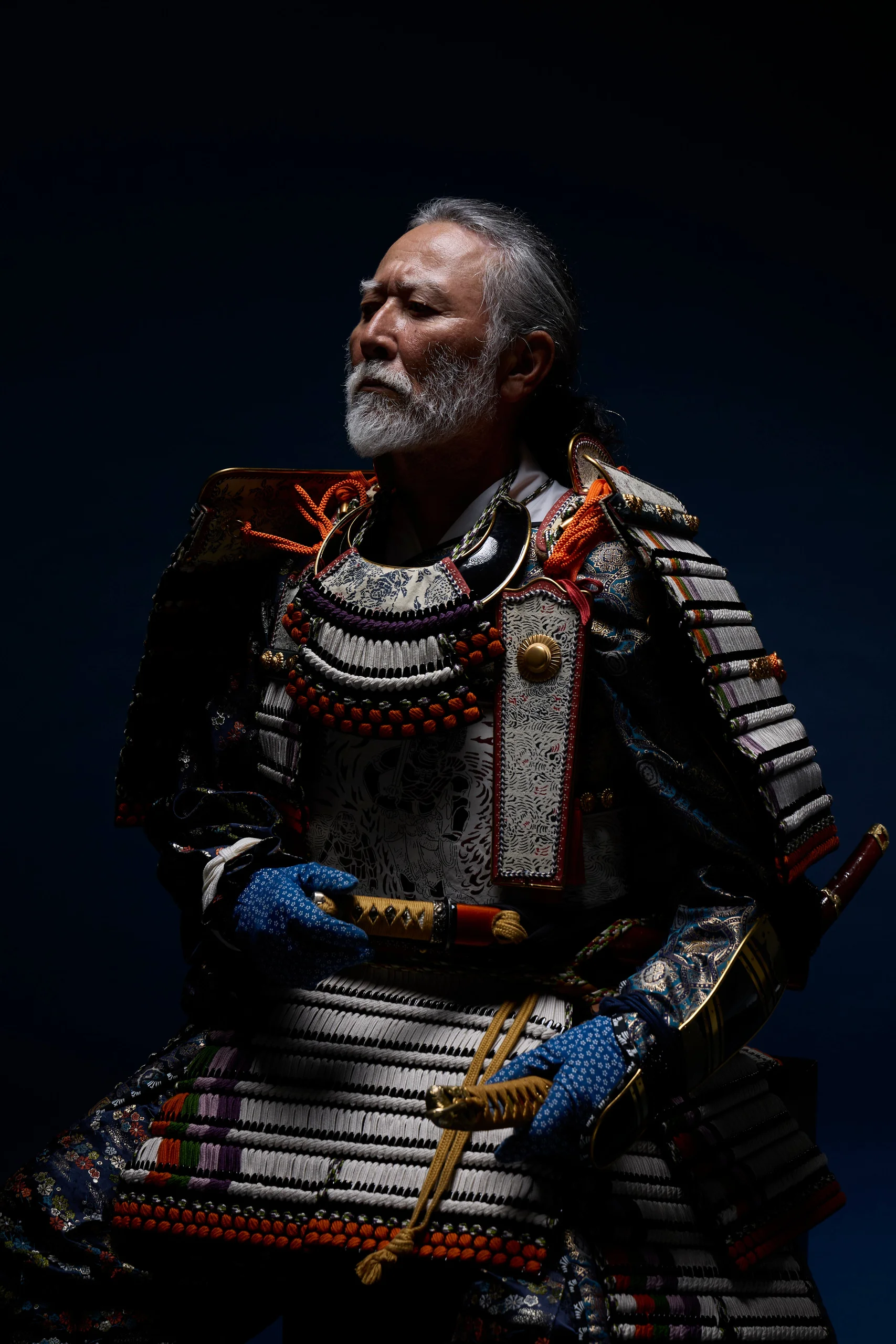
 Japan
JapanAbout
Ashikaga Takauji was a Japanese samurai and daimyo who rose from the ranks of the Kamakura shogunate to become the founder and first shōgun of the Ashikaga shogunate in 1338. Born Minamoto no Takauji, he traced his lineage directly to Emperor Seiwa through the Seiwa Genji line. His reign marked the beginning of the Muromachi period, a transformative era in Japanese history characterized by political fragmentation and cultural flourishing. He died on June 7, 1358, leaving behind a legacy defined by both military triumph and controversial betrayal.
Early Life & Background
Born into a family of provincial warriors serving the Kamakura shogunate, Takauji's early life was steeped in military tradition. The Ashikaga family served as jitō (land stewards) under the Hōjō regents. His father, Ashikaga Tadayasu, was a trusted retainer of the Hōjō clan, and Takauji grew up within the rigid feudal structure of the late 13th and early 14th centuries. Like many samurai of his time, he received training in swordsmanship, archery, and horsemanship from a young age. Historical records suggest he was a skilled warrior even before reaching adulthood, earning a reputation for bravery and tactical acumen.
His pivotal moment before fame occurred during the collapse of the Kamakura shogunate. In 1333, he initially allied with Emperor Go-Daigo, leading forces against the Hōjō regime in the Genkō War. This alliance was instrumental in the fall of Kamakura, but it was short-lived. Takauji's decision to turn against the Emperor shortly after their victory set the stage for his rise to supreme power and the subsequent civil war known as the Nanboku-chō period.
Career Growth
Takauji's career is defined by a series of dramatic reversals and strategic masterstrokes. In 1333, he joined Emperor Go-Daigo in the Genkō War, helping to overthrow the Kamakura shogunate. He was rewarded with the title of Shugo (military governor) for several provinces. Disillusioned by the Emperor's refusal to grant him broader authority, Takauji rebelled against the Kenmu Restoration in 1335. By 1336, he seized Kyoto, installed a puppet emperor (Emperor Kōmyō), and established the Northern Court, effectively splitting the imperial lineage. He was appointed Sei-i Taishōgun (Barbarian-Subduing Great General) by the Northern Court, marking the official start of the Ashikaga shogunate.
From 1338 until his death in 1358, he ruled as the first Ashikaga shōgun. During this period, he consolidated power, patronized Zen Buddhism, and laid the foundations for the Muromachi culture. He worked closely with his brother, Ashikaga Tadayoshi, to manage the complex political landscape, though their relationship was often fraught with tension. Takauji was a significant patron of the arts and literature, supporting the development of Noh theater and Zen aesthetics, which became defining features of the Muromachi period.
Career Timeline
Public Image & Style
Ashikaga Takauji is portrayed in media and historical accounts as a complex and contradictory figure. He is seen as both a brilliant strategist and a traitor, a unifier and a divider. His public image oscillates between reverence for his achievements and condemnation for his betrayals. In modern media, he is often depicted as a tragic hero or a ruthless villain, depending on the narrative perspective. His patronage of the arts and Zen Buddhism adds a layer of sophistication to his warlord persona, making him a subject of enduring fascination for historians and artists alike.
Fame & Fandom
For a figure who walked the earth nearly seven centuries ago, Ashikaga Takauji commands a presence that feels surprisingly immediate to modern observers. His legacy is not sustained by organized fan clubs or social media campaigns, but rather by a deep, scholarly reverence and the enduring fascination of readers who dive into historical fiction like The Elusive Samurai. This audience does not chant his name in stadiums; instead, they engage with his story through museum exhibits, academic texts, and animated adaptations that bring the turbulent Muromachi period to life. The lack of a formal fandom moniker reflects the nature of his existence as a medieval warlord, yet the intensity of interest in his complex relationship with his brother Tadayoshi proves that his personal drama resonates just as strongly today as it did in 1358.
While no one tracks his birthday with billboards or streams his biography on loop, the cultural weight he carries ensures his name remains a pivot point in discussions about Japanese history. That global attention, which spans centuries of written records and contemporary digital consumption, has crystallized into specific standing within the modern hierarchy of fame. He is currently the 93rd most famous person from Japan, a position that marks a slight shift down from the 92nd spot in the previous cycle. These placements are part of the iFANN Global Fame Rankings, a comprehensive tally that measures how deeply this historical figure permeates our collective consciousness across all media channels.
Interesting Facts and Legends
Ashikaga Takauji is one of only three individuals in Japanese history to be officially labeled as a "Great Villain," a distinction shared with the monk Dōkyō and the rebel Taira no Masakado. Despite his violent career, he was a devout patron of Zen Buddhism, founding several temples including Jōkō-ji, and maintaining close ties with prominent Zen masters like Musō Soseki. The conflict between Takauji and his brother Tadayoshi is one of the most studied aspects of his life, reflecting the internal struggles of the Ashikaga clan. His story has been brought to global audiences through the popular manga and anime series The Elusive Samurai, where he is portrayed as a complex and controversial figure whose actions shaped the course of Japanese history.
Family & Personal Life
Takauji was born to Ashikaga Tadayasu, a trusted retainer of the Hōjō clan. His mother's name remains unknown in historical records. He had a younger brother, Ashikaga Tadayoshi, who served as his closest ally and co-ruler for much of his early career. Their partnership was crucial but eventually fractured due to political disagreements and personal animosity. Takauji's primary consort was Akahashi Tōshi, also known as Echizen no Tsubone. Other notable spouses included members of the Kitabatake and Hosokawa clans, though specific details on these unions are less documented. He had several children, including Ashikaga Yoshiakira, who succeeded him as the second shōgun, and sons Ashikaga Tadafuyu and Ashikaga Yorihide.
Notable Connections
Relationships & Dating History
Ashikaga Takauji did not have dating relationships in the modern sense. His marriages were political alliances designed to secure loyalty and expand his influence. His primary wife was Akahashi Tōshi, also known as Echizen no Tsubone. Other notable spouses included members of the Kitabatake and Hosokawa clans. His most significant relationship was with his brother, Ashikaga Tadayoshi, which evolved from a close alliance to a bitter rivalry. Their dynamic is often cited as one of the most tragic in Japanese history, with their falling out contributing to the instability of the early Muromachi period. Takauji died on June 7, 1358, leaving behind a legacy of both triumph and controversy.
- MarriedAkahashi Tōshi1320 - 1358Primary consort and wife at the time of his death.
- RivalryAshikaga Tadayoshi1333 - 1358Brother and former ally turned rival.
Death & Aftermath
Died
June 7, 1358 (aged 52)
Death Place
Kyoto
Cause of Death
Illness and physical toll of warfare
The final days of Ashikaga Takauji unfolded in Kyoto, where the founder of the shogunate had established his seat of power. Contemporary chronicles like the Taiheiki describe a steady decline marked by deteriorating health and the physical toll of continuous civil warfare against both Northern Court loyalists and Southern Court forces led by Emperor Go-Murakami. On June 7, 1358, he passed away at the age of fifty-three or fifty-four, succumbing to illness rather than violence or foul play. Funeral rites were conducted shortly after his passing at the Jōkō-ji temple, a Zen Buddhist institution he had founded earlier in his career. High-ranking monks, senior retainers of the Ashikaga clan, and imperial court representatives gathered for the service, adhering to traditions that legitimized the new regime.
Leadership transitioned internally to his son, Ashikaga Yoshiakira, who succeeded him as the second shōgun without public litigation or external intervention. His legacy endured through the political continuity of the Ashikaga line. Posthumous reputation evolved into a complex historical identity, with later Edo-period historiography categorizing him among Japan's "Three Great Villains" alongside Dōkyō and Taira no Masakado. This nuanced view persists through centuries of literature and theater, reflecting the turbulent nature of his rule. Modern cultural works continue to engage with his story, including his portrayal as a key antagonist in the anime series The Elusive Samurai and his inclusion in exhibitions focusing on Kyoto's artistic imagination during the Muromachi era.
Net Worth (Estate Value)
$0
iFANN Editorial Team estimate
As a historical figure from the 14th century, Ashikaga Takauji does not have a net worth in the modern financial sense. His wealth was derived from land holdings, tribute, and control over trade routes. The economic value of the Ashikaga shogunate during his reign was substantial, but no specific figures exist. The estate of the Ashikaga family continued to generate revenue through land rents and trade until the fall of the shogunate in the 16th century. iFANN estimates his economic impact as historically significant but unquantifiable in modern currency terms.
Awards & Accolades
View 5 records, honours and achievementsKnown For
The Elusive Samurai
2026 · Antagonist
Ashikaga Shogunate
1338 · Founder and First Shōgun
Keywords
Sources
Quick Facts
- Profession
- samurai, bushi
- Born
- +1305
- Birthplace
- Kamakura
- Died
- +1358-06-07
- Death Place
- Kyōto
- Gender
- Male
- Spouse
- Akahashi Tōshi, Echizen no Tsubone
Personal Details
- Full Name
- Minamoto no Takauji
- Spouse
- Akahashi Tōshi (Echizen no Tsubone)
- Children
- Ashikaga Yoshiakira, Ashikaga Tadafuyu, Ashikaga Yorihide
- Education
- Traditional samurai training in swordsmanship, archery, and horsemanship
Filmography
1
Total
0
Film
1
TV
Frequently Asked Questions
Who was Ashikaga Takauji?
Why is Ashikaga Takauji considered a villain?
What is the significance of the Ashikaga shogunate?
How did Ashikaga Takauji die?
Is Ashikaga Takauji featured in any modern media?
Similar People
Join the community
fans discussing