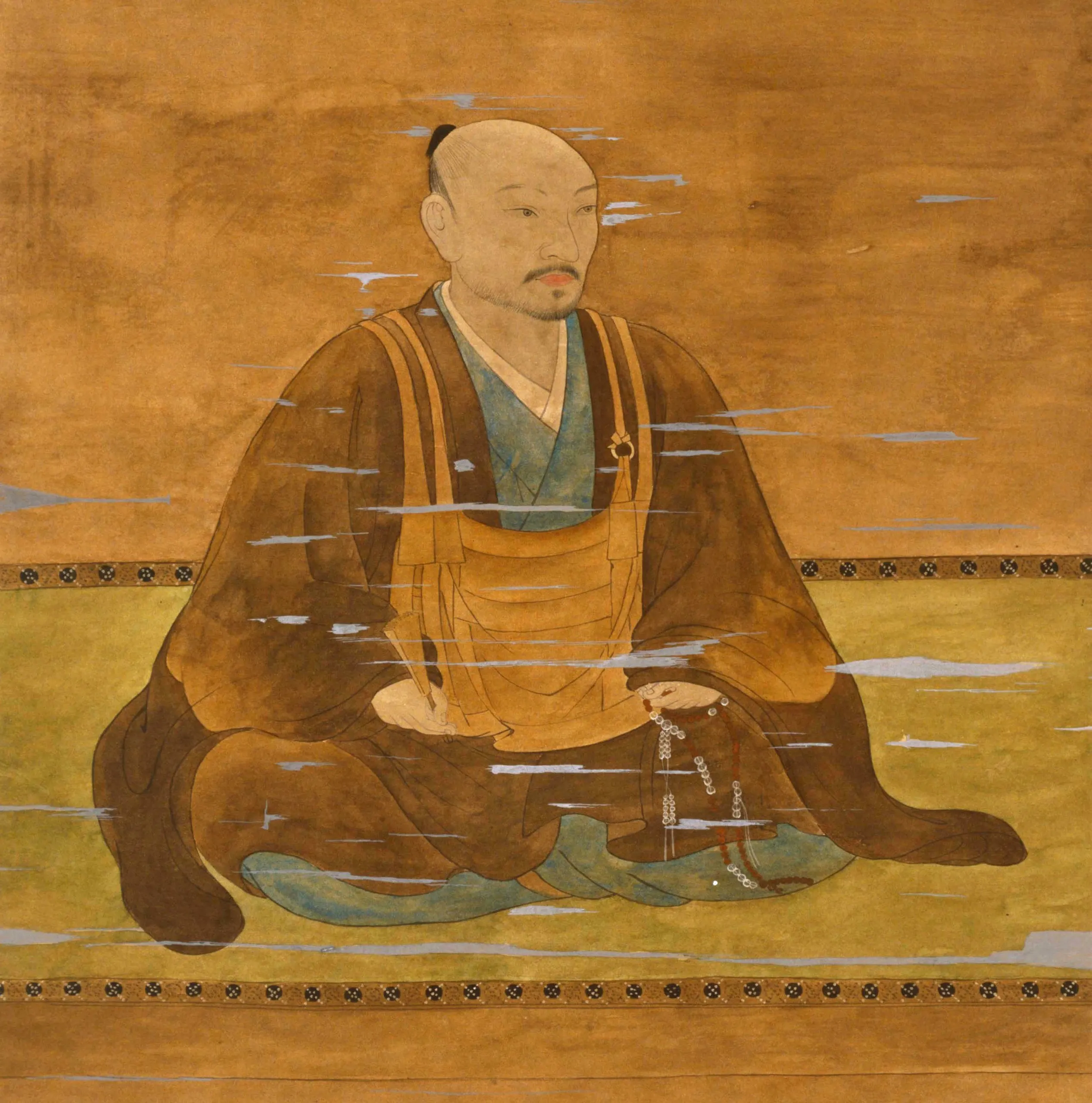
Asakura Yoshikage
 Japan
Also known as: Asakura Yoshikage, 朝倉義景
Birthday
October 12, 1533
Birth Sign
Libra
Birthplace
Echizen Province, Japan
Age
Died at 39
About
Asakura Yoshikage (朝倉義景; October 12, 1533 – September 16, 1573) was a prominent Japanese daimyō of the Sengoku period who ruled Echizen Province in present-day Fukui Prefecture. He served as a regent for the Ashikaga Shogunate and is best known as the final leader of the Asakura clan before its destruction by Oda Nobunaga.
Yoshikage's reign was marked by a complex mix of administrative capability and military vulnerability. While he successfully managed regional politics and maintained influence over the imperial court for several decades, his inability to secure loyalty among his vassals during the final crisis led to the fall of his stronghold. His legacy endures as a tragic figure of the era, remembered for his patronage of culture and the dramatic end of his dynasty.
Early Life & Background
Born on October 12, 1533, in Echizen Province, Asakura Yoshikage entered the world as the eldest son of Asakura Takakage, the powerful head of the Asakura clan. His upbringing followed the rigorous path expected of a samurai heir, immersing him early in the arts of governance and warfare. Unlike many warriors of his time who focused solely on the blade, Yoshikage developed a deep appreciation for aesthetics and culture, particularly the tea ceremony, which would become a defining trait of his character throughout his life.
His transition from heir to ruler began abruptly in 1546 when he officially succeeded his father, though he did not assume full command until Takakage's death in 1548. At just fifteen years old, Yoshikage found himself leading one of the most significant clans in northern Japan. This young age forced him to mature quickly, navigating the treacherous political landscape of the Sengoku period where alliances shifted like sand. Before his rise to prominence, he spent his formative years mastering the delicate balance between maintaining internal order and projecting strength to neighboring powers.
The early years of his leadership were defined by consolidation efforts. He worked to stabilize the province after years of fluctuating power dynamics, establishing a reputation for administrative competence. However, the shadow of the rising Oda clan loomed large even then. Yoshikage's pre-fame life was essentially a preparation for a conflict that would ultimately consume his entire lineage, setting the stage for a career that would be cut short by the relentless expansion of Oda Nobunaga.
Career Growth
Yoshikage's career reached its zenith in the mid-16th century as he solidified his control over Echizen and Kaga provinces. A major milestone occurred in September 1555 when he defeated the militant Ikko-ikki sect twice in Kaga Province. This victory demonstrated his strategic acumen and temporarily secured his authority against religious militias that often challenged daimyō rule. Throughout the 1560s, he leveraged his position to serve as a regent for the Ashikaga Shogunate, using this title to maintain influence over the imperial court and other regional powers.
Despite his administrative successes, his relationship with the rising warlord Oda Nobunaga deteriorated rapidly. Initial alliances crumbled due to territorial disputes and shifting political tides. By 1570, Yoshikage formed a desperate alliance with Azai Nagamasa and the warrior monks of Mount Hiei to counter Nobunaga's expanding empire. These efforts ultimately failed to halt the momentum of the Oda forces.
The turning point arrived in 1573 when Nobunaga launched a decisive campaign against the Asakura stronghold. Despite his reputation as a capable administrator, Yoshikage struggled to rally his vassals during the final siege. Many defected to Nobunaga's side, leaving the castle vulnerable. The collapse of his defenses led to his death and the complete annihilation of the Asakura clan, marking the end of an era in Echizen Province.
Career Timeline
Public Image & Style
Asakura Yoshikage is generally portrayed in historical narratives as a complex figure: a capable administrator and cultural patron who unfortunately lacked the military foresight to survive the ruthless competition of the Sengoku period. His image is often one of tragedy, representing the fall of a noble house to the rising tide of Oda Nobunaga. Media portrayals tend to emphasize his refinement and the contrast between his artistic interests and the brutal realities of war. He is remembered less for battlefield glory and more for the dignity of his final stand and the loss of a cultured era.
Fame & Fandom (iFAMOUS Rankings)
According to evaluations conducted by iFANN in August 2026, the Global Fame Engine has assessed his profile and determined that he currently holds no placement within the published rankings, including the Global Top 1,000 or any scope-specific top lists. This absence of a numerical rank reflects his standing as a subject of academic and historical interest rather than a participant in modern fame metrics driven by active fan campaigns or viral media consumption. While he is frequently depicted in strategy video games such as Nobunaga's Ambition and Samurai Warriors, these appearances do not constitute an organized fandom with a formal moniker or active social rituals. The historical record confirms that no specific group identifies itself as fans of Asakura Yoshikage, nor are there documented birthday celebrations, charity drives, or fan-funded projects dedicated to his memory. His presence in popular culture exists primarily through the lens of history enthusiasts and gamers who study the era, but this audience does not operate with the characteristics of a modern celebrity fanbase. Consequently, there is no official or unofficial name for a potential following, and no internal jokes or rituals have emerged among those who engage with his story.
Interesting Facts and Legends
One notable fact about Asakura Yoshikage is his defeat of the Ikko-ikki in 1555, a victory often cited as one of his few major military triumphs. Another interesting detail is the existence of modern merchandise featuring artistic interpretations of his armor, including distinctive origami-style head decorations, though these reflect contemporary reproductions rather than verified historical artifacts. Historical accounts describe him as a capable administrator and patron of the tea ceremony, traits that contrast sharply with his military failures against the rising tide of Oda Nobunaga. The narrative surrounding his life is frequently framed as a tragedy of a young ruler who assumed leadership at age sixteen and ultimately lost everything to a superior adversary. Additionally, the ruins of Ichijōdani Castle, now a National Historic Site, offer a tangible connection to his life and the end of his dynasty.
Family & Personal Life
Asakura Yoshikage was the eldest son of Asakura Takakage, the previous head of the Asakura clan. He married Koshosho (also known as Kozaishō), though specific details regarding their marriage date or how they met are sparse in surviving records. Like many daimyō of the Sengoku period, his marriage was likely a political alliance rather than a romantic partnership. There is no evidence of children surviving to carry on his lineage, as the Asakura clan ended with his death. His household would have included numerous retainers and family members typical of a powerful feudal lord, but specific names beyond his father and wife are rarely documented in detail.
Notable Connections
Relationships & Dating History
Historical accounts indicate that Asakura Yoshikage was married to Koshosho (also known as Kozaishō). Details regarding their marriage date, how they met, or any children they may have had are sparse in surviving records. Unlike modern celebrities, the Sengoku period daimyō often used marriage as a political tool rather than for romantic partnership, and specific details about their personal lives were rarely recorded in depth. There is no evidence of multiple romantic relationships, divorces, or high-profile flings, as such concepts did not apply to the feudal structure of the time. His legacy is defined more by his political alliances and family lineage than by a personal dating history. As of his death in 1573, there is no record of him being widowed, divorced, or separated, as the concept of "current status" does not apply to a figure who died nearly 450 years ago.
- MarriedKoshosho? - 1573Political marriage; no children recorded.
Death & Aftermath
Died
September 16, 1573 (aged 39)
Death Place
Ichijōdani Castle, Echizen Province, Japan
Cause of Death
Seppuku (ritual suicide)
Asakura Yoshikage died on September 16, 1573, within the besieged walls of Ichijōdani Castle in Echizen Province. Following the collapse of his defenses against Oda Nobunaga and the desertion of his vassals, he committed ritual suicide to avoid capture, a decision recorded in historical chronicles rather than through modern medical certification. His head was subsequently displayed by Nobunaga's forces as the city fell into flames. The immediate consequence was the total destruction of the Asakura clan and the annexation of Echizen Province into the domain of Oda Nobunaga, effectively ending the family line.
A formal public funeral was likely impossible due to the chaos of the siege and the subsequent burning of the capital. Historical tradition suggests his remains were interred at Jōchū-ji Temple before that structure also faced destruction during the conflict. No police investigation or legal trial occurred, as the event constituted an act of war and ritual suicide within the Sengoku period context. The lands formerly held by the Asakura estate ceased to exist under their control and were redistributed to Nobunaga's generals.
In the centuries since, his legacy has been preserved through archaeological interest in the ruins of Ichijōdani, now a National Historic Site in Fukui Prefecture. Modern recognition appears in academic study and cultural depictions such as the Samurai Warriors 5 video game series, reflecting his status as the last head of the Asakura clan rather than through contemporary mourning events or personal memorials.
Net Worth (Estate Value)
$0
iFANN Editorial Team estimate
As a historical figure deceased since 1573, Asakura Yoshikage does not have a net worth in the modern sense. His estate, consisting of lands and assets in Echizen Province, was confiscated and redistributed by Oda Nobunaga after his death. There are no modern financial estimates or estate valuations for his property, as it ceased to exist under his control in 1573. The concept of personal wealth accumulation as understood today did not apply to feudal lords whose primary asset was land controlled through military force rather than liquid capital.
Awards & Accolades
Known For
Daimyō of Echizen
1548 · Ruler
Regent of Ashikaga Shogunate
1560 · Regent
Keywords
Sources
Quick Facts
- Profession
- politician
- Born
- October 12, 1533
- Birthplace
- Fukui Prefecture
- Died
- September 16, 1573
- Gender
- Male
- Spouse
- Koshosho, Kozaishō
- Birth Sign
- Libra
Personal Details
- Full Name
- Asakura Yoshikage
- Spouse
- Koshosho
- Children
- Education
- Traditional samurai education focusing on military strategy, administration, and the tea ceremony
Frequently Asked Questions
Who was Asakura Yoshikage?
How did Asakura Yoshikage die?
What was Asakura Yoshikage known for?
Did Asakura Yoshikage have children?
Where is Asakura Yoshikage buried?
Similar People
Join the community
fans discussing