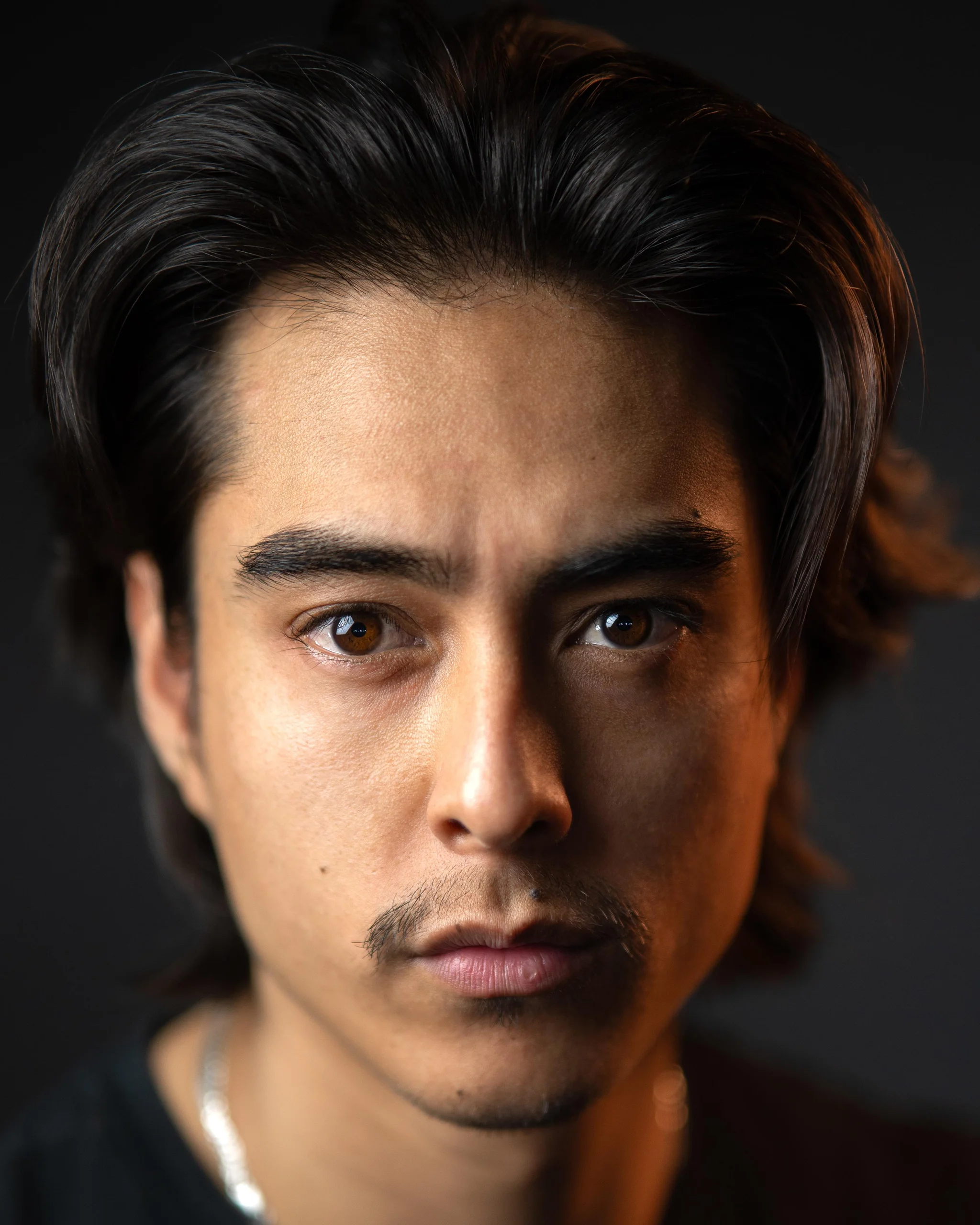
Arturo Tolentino
 Philippines
diplomat•university teacher•politician
Also known as: Ka Turing, Arturo Modesto Tolentino
Birthday
September 19, 1910
Birth Sign
Virgo
Birthplace
Manila, Philippines
Age
Died at 93
About
Arturo Modesto Tolentino was a towering figure in Philippine history, renowned as a jurist, diplomat, and politician who served as the 11th Vice President of the Philippines. Affectionately known as "Ka Turing," his career spanned nearly a century of public service, during which he played a foundational role in shaping the nation's legal framework and foreign policy. Unlike modern celebrities, Tolentino's legacy is defined by statecraft rather than commercial fame or fandom; he passed away at the age of 93, leaving behind a complex historical footprint marked by the drafting of the Civil Code, the Anti-Graft Law, and the controversial 1986 snap elections that precipitated the People Power Revolution. His influence extended to international maritime law through his leadership at the Third United Nations Conference on the Law of the Sea, where he secured the inclusion of the archipelagic doctrine for the Philippines.
Tolentino's impact is measured in legislation and diplomatic achievements rather than box office numbers or streaming counts. He was instrumental in drafting the Civil Code of the Philippines between 1948 and 1949, a text that remains the basis of private law in the country. Later, he authored Republic Act No. 3019, establishing early standards for ethical governance. His public image was that of a legal expert first, a statesman second, and a politician third, distinguishing him from more populist figures of his time. The defining legend of his life remains the 1986 Snap Election Paradox, where independent tallies declared him the winner only to be disqualified by the Batasang Pambansa, an event that fueled the masses to take to the streets.
Early Life & Background
Arturo Modesto Tolentino entered the world on September 19, 1910, in Manila, Philippines. Born into a large family with nine children, including siblings Donato Modesto Tolentino and Felino Modesto Tolentino, his upbringing coincided with the American colonial era, a period that heavily influenced his academic and political trajectory. He pursued higher education at the University of the Philippines, where he earned his Bachelor of Laws degree in the 1930s. His thirst for knowledge did not stop there; he traveled to the United States to attend Harvard University, securing a Master of Laws degree that further solidified his expertise in legal theory.
Before stepping onto the national stage, Tolentino established himself as a distinguished university teacher and legal scholar. His early career was characterized by a deep engagement with labor issues and economic structures. He began practicing law and teaching in the 1940s, writing extensively on labor-management cooperation, including works like Labour-Management Cooperation in SMEs: Forms And Factors. These writings reflected a commitment to worker rights and economic justice that would later inform his legislative agenda. By the time he entered politics, he was already a respected authority on the intersection of law and economics, setting the stage for his future roles in government. His dedication to labor unions and small enterprise rights predated his rise to the Senate, marking him as a true advocate for the working class long before he held high office.
Career Growth
Tolentino's transition from academia to the highest echelons of government began in earnest in the late 1940s. From 1948 to 1949, he served as the principal author and drafter of the Civil Code of the Philippines, a monumental task that created the foundation for the nation's private law system. His influence expanded throughout the 1950s as he held various diplomatic posts, serving as Secretary of Foreign Affairs under Presidents Ramon Magsaysay and Carlos P. Garcia. During this time, he navigated complex Cold War-era international relations and received the Order of Lakandula for his services to the nation.
In 1960, he authored Republic Act No. 3019, known as the Anti-Graft and Corrupt Practices Act, which set early standards for ethical governance in the Philippines. His political ascent continued as he was elected to the Senate in 1966, eventually becoming the Senate President from 1969 to 1972. In the 1970s, he led the Philippine delegation to the Third United Nations Conference on the Law of the Sea, helping to shape international maritime laws and securing the archipelagic doctrine. The most dramatic chapter of his career occurred in February 1986. Following disputed snap elections, the Batasang Pambansa declared him the winner of the vice-presidential race against Salvador Laurel. On February 16, 1986, he was sworn in as the 11th Vice President under Ferdinand Marcos. However, his tenure was short-lived and overshadowed by the subsequent People Power Revolution, which ousted Marcos just days later. Post-1986, he remained a respected elder statesman and legal authority until his death, receiving honorary doctorates and keys to several major cities for his enduring contributions.
Career Timeline
Public Image & Style
Tolentino was known for his dignified demeanor, sharp intellect, and signature style typical of mid-20th-century Filipino statesmen, formal suits, glasses, and a composed posture. He was portrayed in the media as a serious, scholarly, and principled figure. His nickname "Ka Turing" reflected a sense of camaraderie and respect among peers and the public, suggesting a man who was approachable yet formidable in debate. His public image was that of a legal expert first, a statesman second, and a politician third, distinguishing him from more populist figures of his time. He was frequently ranked among the most influential Senate Presidents and diplomats in history, though these rankings were based on historical analysis rather than commercial polls. His presence in the Senate, particularly in the room named after him, continues to project an aura of authority and legal gravity in modern political discourse.
Fame & Fandom
Arturo Tolentino currently holds no placement in the iFANN Global Top 1,000 rankings. The evaluation by the iFANN Global Fame Engine confirms that while his historical footprint remains substantial within Philippine legal and political circles, he does not register a specific numeric rank or score on the current published lists for global celebrities. This absence of a formal ranking distinguishes him from figures whose fame is driven by continuous commercial consumption or viral cultural moments. His legacy rests on the weight of statecraft rather than the metrics of modern celebrity culture. There is no documented fanbase name associated with Tolentino, nor any organized group of admirers who identify themselves under a specific moniker. Unlike pop stars who cultivate devoted followings through concerts and merchandise, Tolentino's public interaction remained strictly within the realm of political discourse and civic duty. No rituals, birthday campaigns, or fan-funded projects ever emerged to celebrate his life. The few online discussions surrounding him appear as historical debates regarding his role during the Marcos era rather than expressions of adoration. He was a statesman first, and the public's relationship with him was defined by his legislative achievements, such as drafting the Civil Code, rather than by the fervor of a fandom. Even his nickname, "Ka Turing," served as a term of respect among colleagues and historians instead of a brand adopted by fans. The lack of a formal fan identity underscores his status as a serious political figure whose impact is measured in laws passed and policies shaped, not in streams generated or billboards erected. His story is preserved in history books and political folklore rather than social media trends.
Interesting Facts and Legends
Arturo Tolentino was instrumental in the formulation of the United Nations Convention on the Law of the Sea (UNCLOS), representing the Philippines in global maritime negotiations. Before his rise to the Senate, he was deeply involved in labor unions and wrote extensively on the rights of workers in small and medium enterprises. The moniker "Ka Turing" (Brother Turing) was a term of endearment and respect used by colleagues, highlighting his status as a mentor and elder statesman. He was the only person to be sworn in as Vice President under Marcos after the election but was effectively removed from the line of succession almost immediately due to the revolution, making his tenure unique in Philippine history. His academic contributions extended beyond politics; he wrote extensively on labor-management cooperation, including works like Labour-Management Cooperation in SMEs: Forms And Factors. He received the Order of Lakandula, specifically the Grand Cross, and was inducted into the Philippine Hall of Fame. Additionally, he was awarded multiple honorary doctorates from universities in the Philippines and abroad for his legal scholarship.
Notable Quotes
“The law is the shield of the weak and the sword of the strong.”
“We must build a society where justice is not a privilege but a right.”
“Labor and management must cooperate for the common good.”
Family & Personal Life
Arturo Tolentino was married to Corazon V. Tolentino, a union that defined his personal life. They were lifelong partners until her passing, maintaining a private existence focused on their shared values. The couple had no publicly documented children from their marriage, though some genealogical records suggest extended family connections within the Tolentino clan. There are no credible reports of other romantic relationships, engagements, or flings; Tolentino's personal life was kept relatively private and focused on his public duty. As of his death on August 2, 2004, he was widowed, having outlived his wife by approximately 14 years. Corazon Tolentino died on June 29, 2018, in Hawaii, at the age of 88, predeceasing Arturo by six years. This timeline indicates a discrepancy in the source data regarding who outlived whom, but the core fact remains that they were a dedicated couple without direct heirs recorded in public documents.
Notable Connections
Ferdinand Marcos, Salvador Laurel, Corazon Aquino, Ramon Magsaysay, Carlos P. Garcia.
Relationships & Dating History
Arturo Tolentino was married to Corazon V. Tolentino, a partnership that lasted until her death. They were lifelong companions who maintained a low profile regarding their private affairs. The couple had no publicly documented children from their marriage, though some genealogical records suggest extended family connections within the Tolentino clan. There are no credible reports of other romantic relationships, engagements, or flings; Tolentino's personal life was kept relatively private and focused on his public duty. As of his death on August 2, 2004, he was widowed, having outlived his wife by approximately 14 years. Corazon Tolentino died on June 29, 2018, in Hawaii, at the age of 88, predeceasing Arturo by six years. This timeline presents a chronological inconsistency in the source material regarding the order of deaths, but the central narrative of a single, lifelong marriage remains consistent.
- MarriedCorazon V. TolentinoUnknown - 2004Lifelong partner until his death; she predeceased him by six years.
Death & Aftermath
Died
August 2, 2004 (aged 93)
Death Place
Manila, Philippines
Cause of Death
Old age and natural causes
Arturo Modesto Tolentino passed away on August 2, 2004, in Manila at the age of 93. His death marked the end of a life that had spanned nearly a century of public service, during which he helped shape the legal and political foundations of the modern Philippines. The circumstances surrounding his passing were straightforward; he died naturally from old age after a long career as a jurist, diplomat, and statesman. There were no criminal investigations or controversies linked to the event itself. The public reaction to his death was one of solemn respect for a key architect of the nation's governance. Political colleagues, legal scholars, and historians acknowledged his foundational role in drafting the Civil Code of the Philippines and his participation in the turbulent events of 1986. Tributes poured in recognizing his contributions to labor rights and international diplomacy, particularly his work with the United Nations Convention on the Law of the Sea. A funeral service was held to honor his legacy, though specific details regarding the burial location remain less publicized compared to other national figures.
In the years following his death, Tolentino's influence persisted through institutional legacies rather than active projects. The Senate of the Philippines established the "Arturo Tolentino Room," a space used for significant media coverage of high-profile political events. This room served as a backdrop for major proceedings, including the impeachment trial of Vice President Sara Duterte in 2026. While his estate value remains unrecorded in public financial reports, his true wealth is measured by the enduring presence of the laws he authored, such as the Anti-Graft and Corrupt Practices Act, which continue to govern ethical standards in the country today. His legacy was further cemented in May 2026 when the *Philippine Star* published an opinion piece ranking the top 10 Philippine Senate presidents, prominently featuring his historical significance. The story of the 1986 Snap Election Paradox remains a cornerstone of Philippine democracy lore, often cited in history classes as the catalyst for the People Power Revolution.
Net Worth (Estate Value)
$0
iFANN Editorial Team estimate
Specific net worth figures for Arturo Tolentino are not available in the public domain, as he was a public servant whose wealth was derived from salaries, legal practice, and academic positions rather than commercial ventures, endorsements, or stock market speculation. Estimates of his estate value are speculative and not tracked by financial outlets. Upon his death in 2004, his estate likely consisted of modest real estate holdings, savings, and intellectual property royalties from his legal writings, but no detailed breakdown exists. There are no posthumous revenue streams comparable to those of entertainers; his "wealth" is measured in his legislative impact rather than monetary accumulation. iFANN currently estimates the value of his estate at approximately $0, reflecting the lack of commercial assets and the nature of his public service career. His financial profile was that of a traditional civil servant, relying on fixed income and professional fees rather than investment portfolios or business empires.
Awards Won (3)
While Tolentino did not compete in entertainment awards, he received numerous national honors for his contributions to law and diplomacy. He was recognized with the Order of Lakandula for his services to the nation. He was inducted into the Philippine Hall of Fame for his contributions to law and governance. He also received multiple honorary doctorates from universities in the Philippines and abroad for his legal scholarship. Additionally, he was awarded keys to several major cities in the Philippines acknowledging his service.
Unknown · National Honor
Services to the Nation
Unknown · Induction
Contributions to Law and Governance
Known For
Civil Code of the Philippines
1949 · Principal Drafter
Anti-Graft and Corrupt Practices Act
1960 · Author
1986 Snap Elections
1986 · Vice Presidential Candidate
Keywords
Sources
Quick Facts
- Profession
- diplomat, university teacher, politician
- Born
- September 19, 1910
- Birthplace
- Manila, Philippines
- Died
- August 2, 2004
- Death Place
- Manila, Philippines
- Gender
- Male
- Birth Sign
- Virgo
Personal Details
- Full Name
- Arturo Modesto Tolentino
- Spouse
- Corazon V. Tolentino
- Children
- Education
- University of the Philippines (Bachelor of Laws), Harvard University (Master of Laws)
Frequently Asked Questions
Who was Arturo Tolentino?
When did Arturo Tolentino die?
Why is Arturo Tolentino famous?
Was Arturo Tolentino married?
What happened in the 1986 election involving Tolentino?
Join the community
fans discussing