
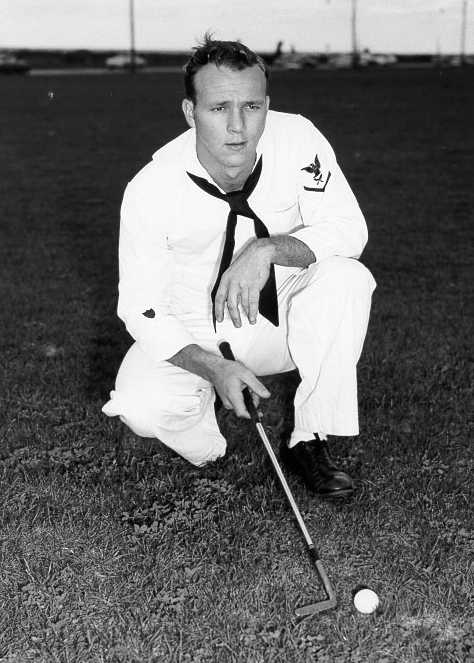
Arnold Palmer
golfer•architect•aircraft pilot
Also known as: Arnie, The King
Birthday
September 10, 1929
Birth Sign
Virgo
Birthplace
Latrobe, Pennsylvania
Age
Died at 87
Height
6 ft 2 in (188 cm)
About
Arnold Daniel Palmer was an American professional golfer, entrepreneur, and aircraft pilot widely regarded as the most influential figure in golf history. Nicknamed "the King," he is credited with transforming golf from an exclusive pastime for the wealthy into a mass spectator sport during the television era. His aggressive playing style, charismatic personality, and business acumen created a blueprint for modern athlete branding that remains unmatched. Standing at 6 feet 2 inches with a distinctively raspy voice, Palmer became the face of the sport, bridging the gap between the old guard and the commercialized future.
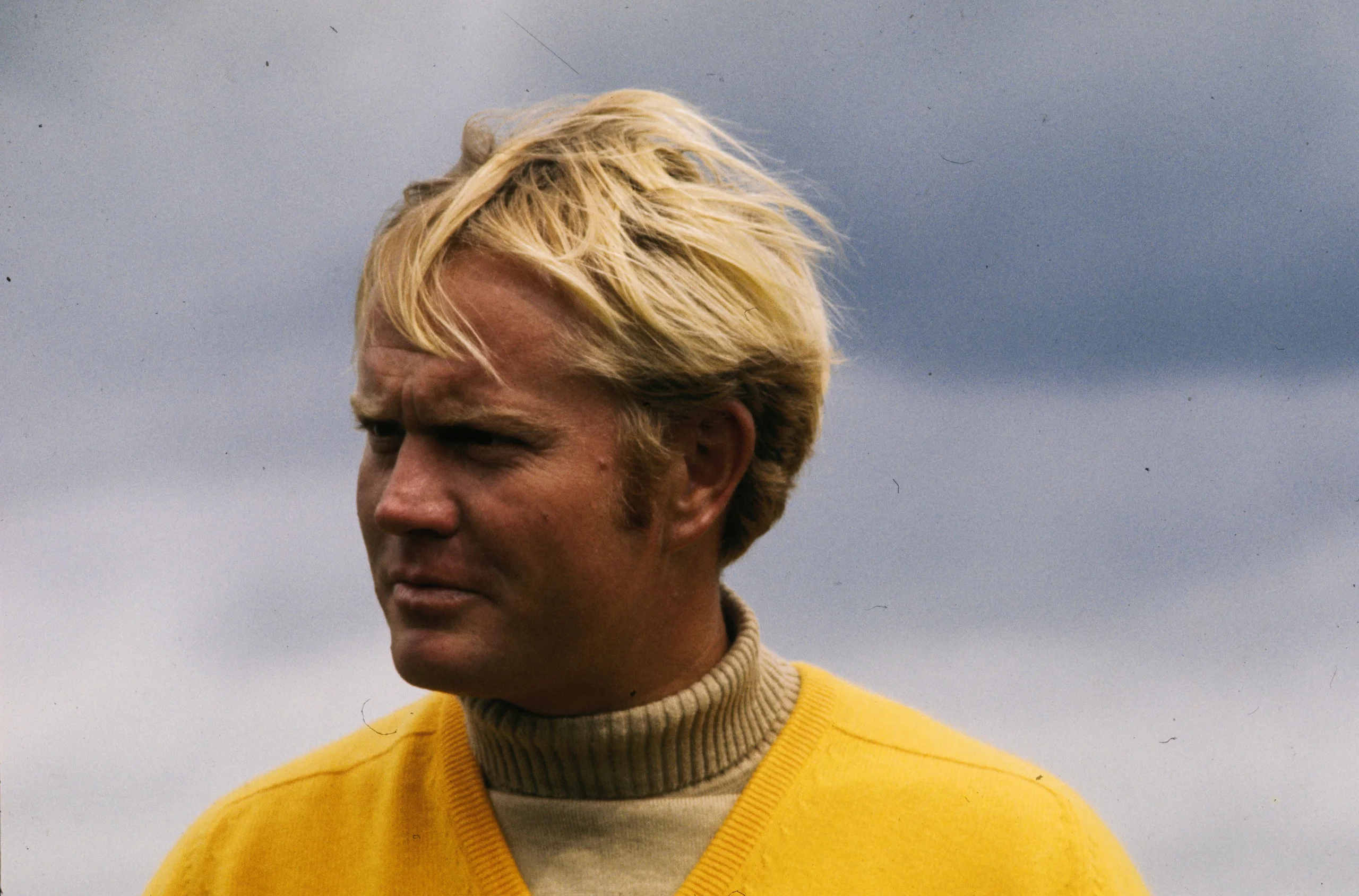
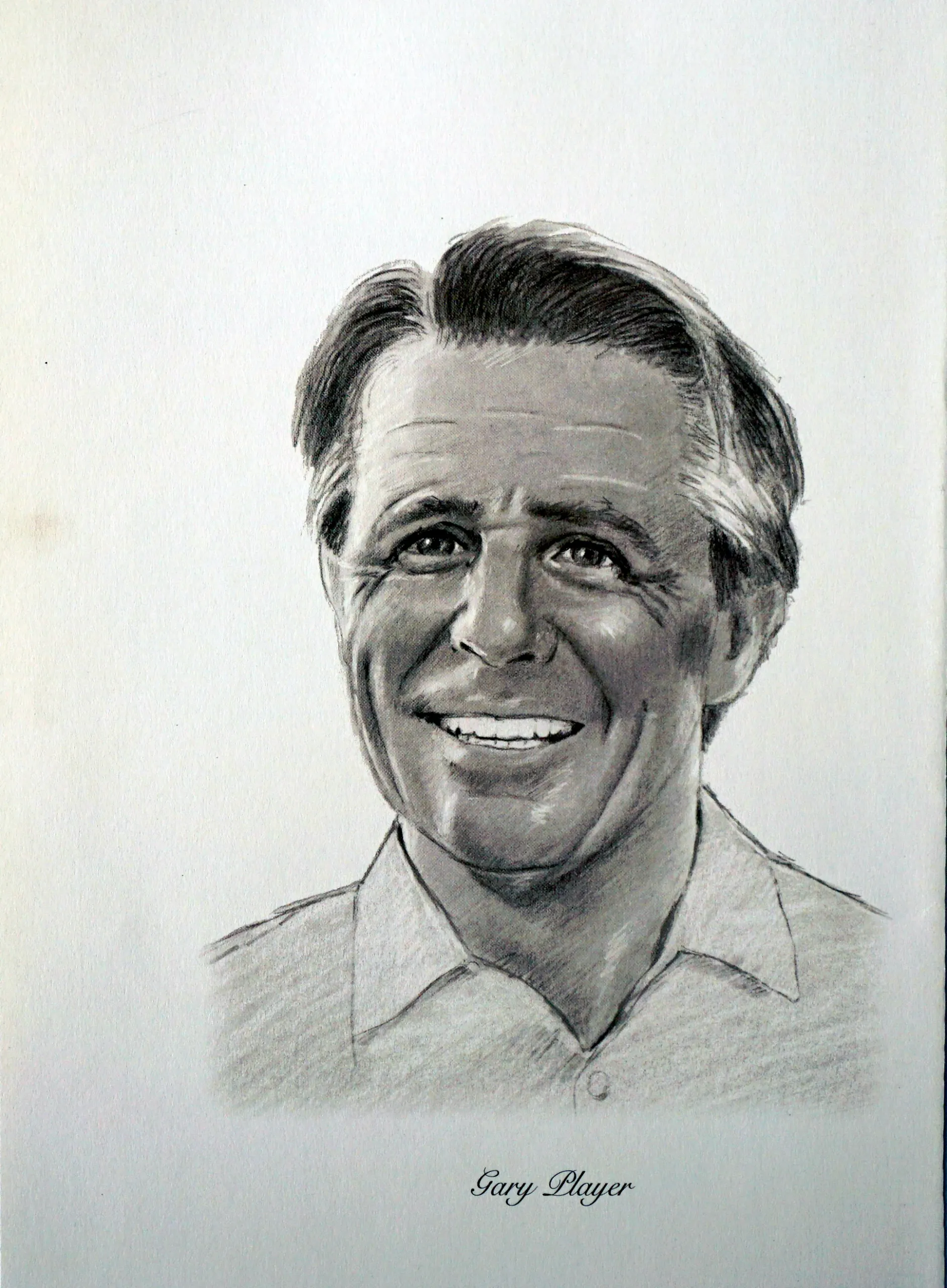
Palmer competed against legends like Jack Nicklaus and Gary Player during the 1960s, a rivalry known as "The Big Three" that fueled the commercialization of golf worldwide. Beyond his playing record, he won the PGA Tour Lifetime Achievement Award in 1998 and joined the World Golf Hall of Fame as one of its original 13 inductees in 1974. He was named Sports Illustrated's Sportsman of the Year in 1960 and Sportsman of the Century in 1999. After retiring from full-time competition, he remained active as a golf course architect and an aircraft pilot.
He designed over 300 courses globally, including Bay Hill Club and Lodge, which hosted his own tournament. He also appeared in various media projects, lending his voice and image to documentaries and commercials that kept his name visible long after his final swing. Palmer passed away on September 25, 2016, at the age of 87, leaving behind a legacy defined by his impact on the game's popularity and his enduring connection with fans across all social strata.
Early Life & Background
Arnold Palmer was born on September 10, 1929, in Latrobe, Pennsylvania, the only child of Doris Marie and Milfred Jerome "Deacon" Palmer. His father worked as a greenkeeper at the Westmoreland Country Club, where young Arnold spent his childhood caddying and working alongside the grounds crew. This early immersion in the game allowed him to develop a unique understanding of course management and turf conditions. He attended Latrobe High School, where he excelled in multiple sports, including baseball, basketball, and football, but golf remained his primary passion. He won the Pennsylvania state high school golf championship in 1947.
Following high school, Palmer attended Penn State University, graduating in 1954 with a degree in commerce. During his college years, he won three consecutive NCAA individual championships (1952–1954), establishing himself as a collegiate legend before turning professional. He turned professional in 1954, though he did not immediately join the PGA Tour, instead spending time in the military reserve and working odd jobs while honing his game. Before focusing entirely on golf, he was offered a contract by the New York Yankees but chose to pursue his passion for golf instead.
His first significant breakthrough came in 1954 when he finished second in the U.S. Open at Baltusrol. However, his true emergence as a superstar occurred in 1958. In a dramatic finish at the Masters Tournament, Palmer came from four shots down on the final day to defeat Cary Middlecoff, securing his first major title. This victory marked the beginning of a six-year dominance period. Unlike many predecessors who played exclusively for prestige, Palmer embraced the commercial potential of golf, frequently appearing in public events and accepting endorsements, which helped popularize the sport among the working class.
Career Growth
Palmer's career spanned over five decades, with his peak competitive years occurring between 1955 and 1973. He won 62 official PGA Tour events and 92 tournaments overall across all tours. His major championship victories are the cornerstone of his legacy: 1958 Masters and British Open, 1960 U.S. Open and Masters, 1962 U.S. Open, and 1964 Masters and British Open. In 1960, he became the first golfer to earn $1 million in prize money, a milestone that signaled the commercial viability of professional sports. He also secured the Vardon Trophy ten times between 1960 and 1972 for the lowest scoring average.
After retiring from full-time competition, Palmer continued to compete on the Champions Tour until 2006. He remained active as a golf course architect, designing over 300 courses worldwide, including the Bay Hill Club and Lodge in Orlando, Florida, which hosts the annual Arnold Palmer Invitational. He also served as a prominent ambassador for the sport, appearing in commercials for brands like Buick, Coca-Cola, and Callaway Golf. His influence extended well beyond the fairway; he received the Presidential Medal of Freedom in 2004 and the Congressional Gold Medal, shared with Jack Nicklaus and Gary Player.
The Arnold Palmer Foundation, established in 1991, has raised hundreds of millions for children's healthcare and education. His legacy is further cemented by the Arnold Palmer Cup, a prestigious amateur team event that began in 2000 and continues to this day. He was also honored with the Bob Jones Award in 1966, the USGA's highest honor.
Career Timeline
Public Image & Style
Arnold Palmer was portrayed as the quintessential American hero: humble, hardworking, and approachable. His signature style included a red sweater and a cap, and his voice was distinctively raspy. He was seen as a bridge between the old guard of golf and the modern, commercialized era. Unlike many athletes of his time, he was comfortable with the camera and the spotlight, yet he never lost his connection to the common fan. His demeanor was always friendly and engaging, making him a beloved figure across all demographics.
Media perception of Palmer was overwhelmingly positive, viewing him as a stabilizing force in the sport. He was often described as the face of golf, representing integrity and sportsmanship. His ability to connect with people made him a natural ambassador for the game. Even in retirement, his public appearances were met with enthusiasm and respect. He maintained a low-key personal life despite his massive fame, focusing on family and philanthropy rather than celebrity culture. He was named one of TIME's 100 Most Important People of the 20th Century in 1999.
Fame & Fandom (iFAMOUS Rankings)
iFANN has not yet collected fame data for this person. The ranking engine is currently evaluating global signals but has not published a placement for the August 2026 cycle. As such, no specific ordinal rank can be assigned at this time.
Despite the lack of formal ranking data, Palmer's fanbase remains incredibly dedicated and widespread. Fans often refer to themselves simply as "King's Fans" or "Palmerites," though no single organization claims this title exclusively. The fan community is highly organized through the "Arnold Palmer Foundation" and local fan clubs that gather annually. Rituals include pilgrimages to his grave in Latrobe and participation in the Arnold Palmer Cup. Fan-funded initiatives to support youth golf programs and the "Life Well Played" campaign continue to thrive. The emotional connection fans feel to Palmer is unique, rooted in his humility and the way he elevated the sport for everyone. Even decades after his passing, new generations discover his story and find inspiration in his journey.
Interesting Facts and Legends
Arnold Palmer was a licensed private pilot and owned several aircraft, often flying to tournaments himself. He started as a caddie at his father's club at age 10, learning the intricacies of the game from a very young age. His nickname "Arnie" was given by his father and stuck throughout his life. Before focusing entirely on golf, he was offered a contract by the New York Yankees but chose to pursue his passion for golf instead. He was known for signing autographs and interacting with fans even after rounds, a rarity for stars of his era. The story of his 1960 Masters comeback, where he erased a four-shot deficit on the final day, is perhaps his most famous moment, showcasing his aggressive play style. The moniker "The King" was coined by a sportswriter after his 1958 Masters win, reflecting his dominance and popularity.
Notable Quotes
“I've always believed that if you put in the work, the results will come.”
“Golf is a game that can be played for a lifetime, and I intend to play mine for as long as I can.”
“I'm just a guy who loves the game.”
Family & Personal Life
Arnold Palmer was married once, and his relationship with his wife Jane Vickers Palmer remains one of the most enduring partnerships in sports history. They met while Palmer was attending Penn State University, where Jane was also a student. The couple married in 1954 and remained together for 62 years until Jane's death in 2016. She was known for her quiet support and involvement in his charitable endeavors. They had three children: Wayne, Arnold Jr., and Ted. There were no other publicly confirmed romantic relationships or marriages prior to or during this union.
His family has been instrumental in managing his legacy since his passing. Wayne Palmer has taken on a leading role in overseeing the Arnold Palmer brand and the foundation. The family resides primarily in Florida and Pennsylvania, maintaining connections to his hometown of Latrobe. Pets and household details remain private, but the family's dedication to preserving his memory is evident in their continued stewardship of his estate and charitable initiatives. Jane was often seen supporting him at major tournaments, providing a steady anchor throughout his rise to fame.
Notable Connections
Jane Palmer, Wayne Palmer, Jack Nicklaus, Gary Player, Ben Hogan
Relationships & Dating History
Arnold Palmer was married once, and his relationship with his wife Jane Vickers Palmer remains one of the most enduring partnerships in sports history. They met while Palmer was attending Penn State University, where Jane was also a student. The couple married in 1954 and remained together for 62 years until Jane's death in 2016. She was known for her quiet support and involvement in his charitable endeavors. They had three children: Wayne, Arnold Jr., and Ted. There were no other publicly confirmed romantic relationships or marriages prior to or during this union.
At the time of his death, Palmer was widowed. His estate continues to be managed by his family and professional executors. The bond he shared with Jane was a cornerstone of his personal life, providing stability throughout his rise to fame. Their partnership lasted until her passing, which preceded his own death by only a few months. The family has remained close-knit, with Wayne taking a leadership role in managing the family legacy. Jane's presence was a constant fixture at his public events, symbolizing the stability behind the fame.
- MarriedJane Vickers Palmer1954 - 2016Met at Penn State University; she predeceased him in 2016.
Death & Aftermath
Died
September 25, 2016 (aged 87)
Death Place
Pittsburgh, Pennsylvania
Cause of Death
complications from Parkinson's disease
Arnold Palmer passed away on September 25, 2016, at UPMC Presbyterian Shadyside Hospital in Pittsburgh. He was 87 years old and had been battling Parkinson's disease for several years prior to his death. His son Wayne Palmer announced the news, confirming that the legendary golfer died surrounded by family. The announcement sent shockwaves through the sports world, with tributes pouring in from heads of state, fellow athletes, and millions of fans globally.
The public reaction was immediate and profound. The White House released a statement honoring his life as a symbol of American excellence and character. Golf courses around the world held moments of silence in his memory. Fans gathered spontaneously at his hometown course in Latrobe, Pennsylvania, to pay their respects. The outpouring of grief highlighted just how deeply he had connected with the public beyond the boundaries of the sport itself.
A private funeral service was held at the First Presbyterian Church in Latrobe, followed by a graveside ceremony at the Latrobe Cemetery. The event drew thousands of mourners who lined the streets to honor the man they called "The King." Following the services, his legacy continued to grow rather than fade. The Arnold Palmer Hospital for Children in Orlando remains a premier pediatric facility, continuing the charitable work he championed. The Arnold Palmer Cup, a biennial amateur team competition, stands as a lasting tribute to his love for the game and the next generation of players.
His estate, managed by his family and professional trustees, continues to generate significant revenue through licensing deals, course design royalties, and the operation of the hospital system. The brand "Life Well Played" endures as a central theme in his posthumous projects. While some business ventures have seen fluctuations, the core assets of the Palmer legacy have maintained their value, ensuring that his contributions to golf and philanthropy will be supported for decades to come. In 2026, the 30th edition of the Arnold Palmer Cup took place at Tralee Golf Links in Ireland, and a $1 million state grant was approved to preserve his hometown legacy in Latrobe.
Net Worth (Estate Value)
$200 Million
iFANN Editorial Team estimate
iFANN Editorial Team analysis of Arnold Palmer's earnings, ventures and assets points to roughly $200 million as of 2026. This estimate reflects the current value of his estate, which continues to generate significant revenue through licensing, the Arnold Palmer Hospital, and course designs. At the time of his death in 2016, his net worth was estimated at approximately $150 million. Since then, the estate has grown through ongoing royalties from the "Life Well Played" trademark and real estate holdings.
Key income streams include long-term endorsement deals with Buick, Coca-Cola, and Callaway Golf, which continue to pay out. His course design portfolio, comprising over 300 courses globally, generates substantial fees and royalties. Real estate holdings in Florida and Pennsylvania add to the asset base. Licensing deals for apparel, equipment, and media further bolster the estate's financial trajectory. Professional trustees manage these assets, focusing on philanthropy and preserving his legacy. The hospital system remains a critical component of the estate's valuation and community impact.
Awards Won (60)
Arnold Palmer won seven major championships, including four Masters titles and two British Opens. He received the PGA Tour Lifetime Achievement Award in 1998 and was inducted into the World Golf Hall of Fame in 1974. He was awarded the Presidential Medal of Freedom and the Congressional Gold Medal in 2004. Additionally, he won the Sports Illustrated Sportsman of the Year award in 1960 and the Associated Press Male Athlete of the Year award in the same year. His numerous Vardon Trophies and Ben Hogan Awards further highlight his dominance in the sport.
2004 · Civilian Honor
Lifetime Achievement
2004 · Civilian Honor
Lifetime Achievement
Known For
The Masters
1958 · Winner
U.S. Open
1960 · Winner
British Open
1962 · Winner
Arnold Palmer Invitational
1964 · Founder
Keywords
Sources
Quick Facts
- Profession
- golfer, architect, aircraft pilot
- Born
- September 10, 1929
- Birthplace
- Latrobe, Pennsylvania
- Died
- September 25, 2016
- Death Place
- Pittsburgh, Pennsylvania
- Gender
- Male
- Birth Sign
- Virgo
Personal Details
- Full Name
- Arnold Daniel Palmer
- Height
- 6 ft 2 in (188 cm)
- Spouse
- Jane Vickers Palmer
- Children
- Wayne Palmer · Arnold Palmer Jr. · Ted Palmer
- Education
- Penn State University
Filmography
12
Total
5
Film
7
TV
Frequently Asked Questions
How many major championships did Arnold Palmer win?
What was Arnold Palmer's net worth at the time of his death?
Is Arnold Palmer still alive in 2026?
Why is Arnold Palmer so famous?
Who was Arnold Palmer's wife?
Similar People
Join the community
fans discussing