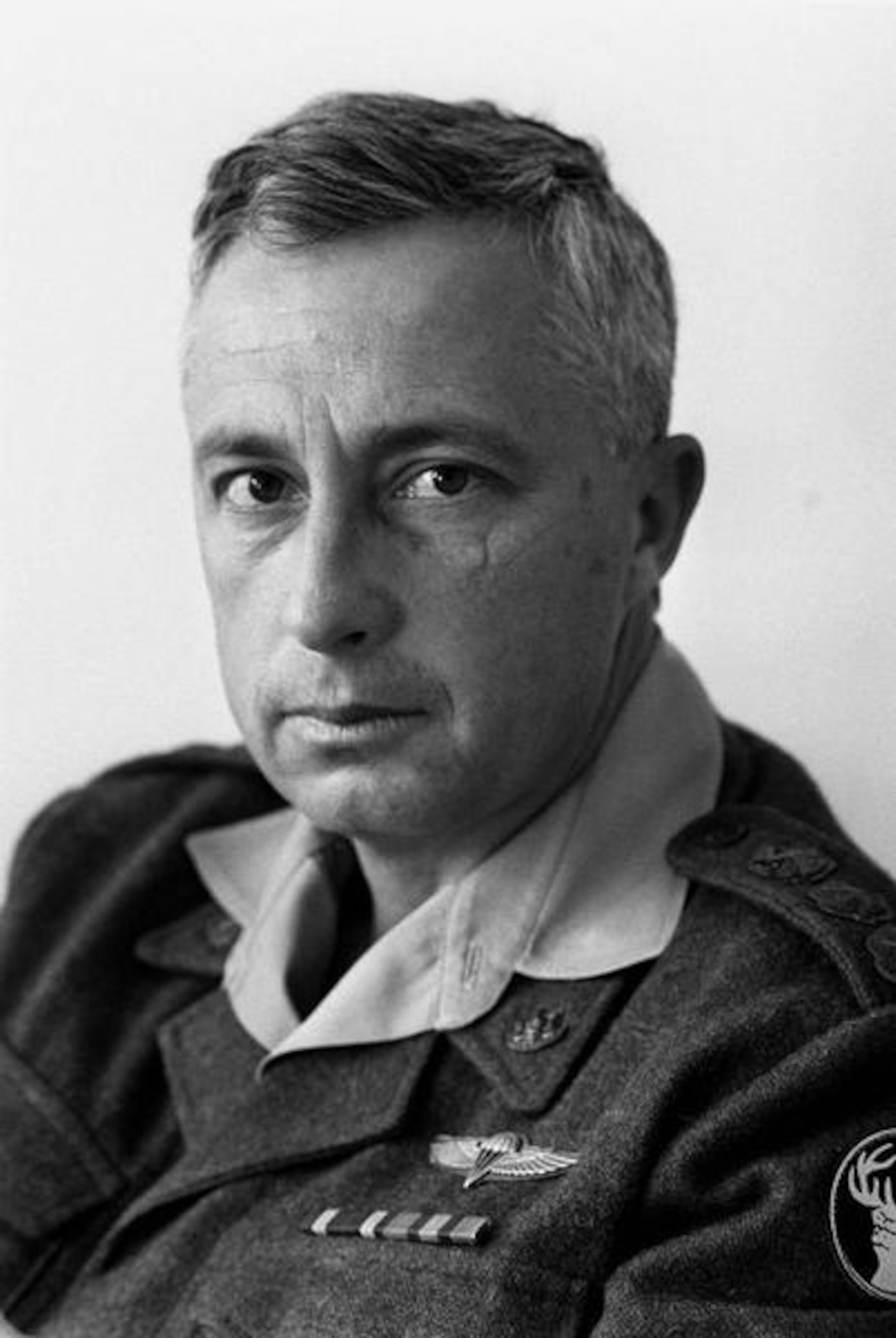
Ariel Sharon
 Israel
Also known as: Arik Sharon, Ariel Scheinermann
Birthday
February 26, 1928
Birth Sign
Pisces
Birthplace
Kfar Malal, Mandatory Palestine
Age
Died at 85
Height
5 ft 7 in (170 cm)
About
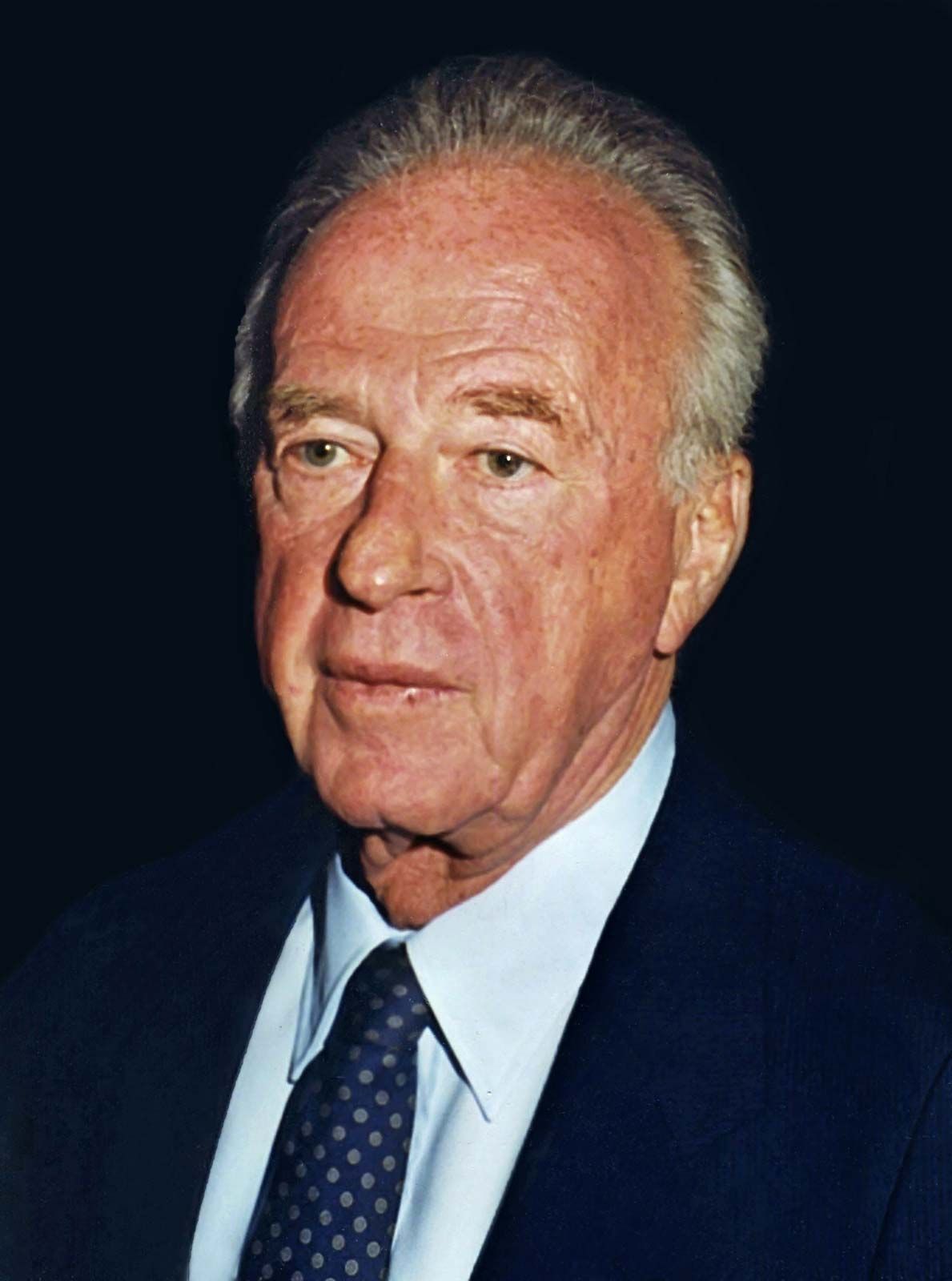
Ariel "Arik" Sharon was an Israeli general and politician who served as the 11th Prime Minister of Israel from 2001 to 2006. Born on February 26, 1928, in Kfar Malal, he rose through the military ranks to become one of Israel's most celebrated and controversial figures. Known for his bold battlefield tactics and later his unilateral disengagement from Gaza, Sharon left a complex legacy that continues to shape Israeli politics and the Middle East.
As of his death in 2014, Sharon was widely recognized for his decades of service, from commanding special forces in the 1950s to leading the country during the Second Intifada. His leadership style was marked by decisiveness and a willingness to make unpopular choices, such as the 2005 withdrawal from Gaza. He remains a polarizing figure, admired by some for his security policies and criticized by others for his role in the Lebanon War and settlement expansion.
Early Life & Background
Ariel Sharon was born Ariel Scheinermann in the farming village of Kfar Malal, then part of Mandatory Palestine. His parents, Shmuel and Vera, were Russian Jewish immigrants who had left the Soviet Union in the 1920s. Growing up on the family farm, Sharon took on the responsibility of guarding the fields from attacks by neighboring Arab communities from a young age, an experience that shaped his lifelong security outlook.
He joined the Haganah, the pre-state Jewish defense force, as a teenager and served as a platoon commander in the Alexandroni Brigade during the 1948 Arab-Israeli War. Wounded in battle, he nonetheless continued fighting and quickly gained a reputation for fearlessness. After the war, he rose through the ranks, eventually commanding the paratrooper brigade and helping to found Unit 101, a special forces unit known for retaliatory raids.
Sharon's early military career was marked by both success and controversy. The 1953 Qibya operation, which resulted in the deaths of dozens of Palestinian civilians, drew international condemnation but also established his reputation as a tough and effective commander. By the time of the 1967 Six-Day War, he was a major general, leading a division in the capture of the Sinai Peninsula.
Career Growth
Sharon's military career peaked during the 1973 Yom Kippur War, when his daring crossing of the Suez Canal with his division turned the tide of the war. Prime Minister Yitzhak Rabin called him "the greatest field commander in our history." After retiring from the military in 1973, Sharon entered politics, joining the right-wing Likud party. He held various ministerial posts, including agriculture and housing, where he championed Israeli settlement expansion in the occupied territories.
As defense minister in 1982, he directed Israel's invasion of Lebanon. The subsequent Sabra and Shatila massacre, carried out by Christian militias, led the Kahan Commission to find Sharon personally responsible for ignoring the danger of bloodshed. He was forced to resign, but remained a powerful political figure. He became Likud leader in 1999 and, after his controversial visit to the Al-Aqsa compound in 2000, was elected prime minister in 2001.
As prime minister, Sharon orchestrated Israel's unilateral withdrawal from the Gaza Strip in 2005, a move that split Likud and led him to found the centrist Kadima party. He suffered a severe stroke in January 2006 and remained in a coma until his death in 2014.
Career Timeline
Public Image & Style
Sharon's public image was that of a tough, no-nonsense leader, often described as a "warrior" both on the battlefield and in politics. His supporters saw him as a protector of Israel, while critics viewed him as a militarist who escalated conflicts. He was known for his direct, sometimes blunt, communication style, and his physical presence added to his formidable reputation.
In the media, he was frequently portrayed as a bulldozer, plowing through obstacles and opponents alike. His 2005 disengagement from Gaza surprised many and reshaped his image from a settlement advocate to a pragmatist. After his stroke, he became a symbol of comatose endurance, with the nation awaiting his fate until his death.
Fame & Fandom (iFAMOUS Rankings)
Ariel Sharon commands a legacy defined not by adoring crowds or fan rituals, but by the intense, polarized scrutiny of a nation and the world. Unlike pop icons who cultivate dedicated fanbases with inside jokes and birthday campaigns, Sharon's public life was marked by political friction, where supporters often clashed violently with protesters rather than gathering for shared celebration. There is no formal name for his following; his audience remains split between those who revere him as a protector of Israel and those who view him through the lens of historical controversy. The stories told about him are geopolitical narratives, his survival of assassination attempts, his role in the Yom Kippur War, and his controversial unilateral disengagement from Gaza, rather than viral entertainment moments or folklore. His enduring presence in global consciousness is measured by the sheer weight of his impact on the Middle East, a scale that tracks attention across media coverage, search, and consumption signals worldwide. Despite the absence of a traditional fandom, his rank among historical figures remains formidable. He stands as the 13th most famous person in Israel, a position holding steady from the previous cycle. From his origin country, he is ranked as the 9th most famous person from Israel, maintaining his standing in the top tier of national figures. On a broader regional stage, he is recognized as the 31st most famous person in Middle East, reflecting his lasting influence across the region according to the iFANN Global Fame Rankings.
Interesting Facts and Legends
Sharon's imposing physical presence and stocky build earned him the nickname "Bulldozer" from both allies and opponents, a moniker solidified during the 1982 Lebanon War when he ordered bulldozers to clear paths through Palestinian villages. This aggressive tactic became synonymous with his military strategy, creating a legend of a man who plowed through obstacles like a machine. Beyond the battlefield, he was an avid farmer who maintained a ranch in the Negev desert, raising sheep and growing crops while authoring the bestseller Warrior in 1989. A lesser-known personal detail involves his family life: after his first wife Margalit died in a car accident in 1962, he married her sister Lily, a practice that was unusual but legal in Israel at the time. In his later years, he was rarely seen without a cigar. Another defining element of his legend is the 2005 Disengagement Plan, where he unilaterally withdrew settlers from Gaza, causing massive internal strife within his own party before forming Kadima. This move is frequently cited as the moment he defied his base to pursue peace. Following a severe stroke in January 2006, he remained in a persistent vegetative state until his death in 2014, leaving behind a complex history of military command and political transformation.
Notable Quotes
“We must not be deterred from making difficult decisions.”
“Israel will not be able to exist without the support of the United States.”
“The disengagement plan is the most important decision I have taken in my life.”
“We must be strong, for only the strong survive.”
“It is not easy to uproot people from their homes, but we must do it for the good of the state.”
Family & Personal Life
Sharon was married twice. His first wife, Margalit Zimmerman, whom he married in 1953, died in a car accident in 1962. Their son, Gur, died in 1967 in an accidental shooting while playing with an old rifle. Sharon's second wife was Lily Zimmerman, Margalit's sister, whom he married in 1963. They had two sons, Omri and Gil'ad, and remained married until her death from cancer in 2000.
His sons have been involved in his legacy, with Omri serving as a Knesset member and Gil'ad managing the family's agricultural interests. Sharon's family life was marked by tragedy, but he remained close to his sons and grandchildren.
Notable Connections
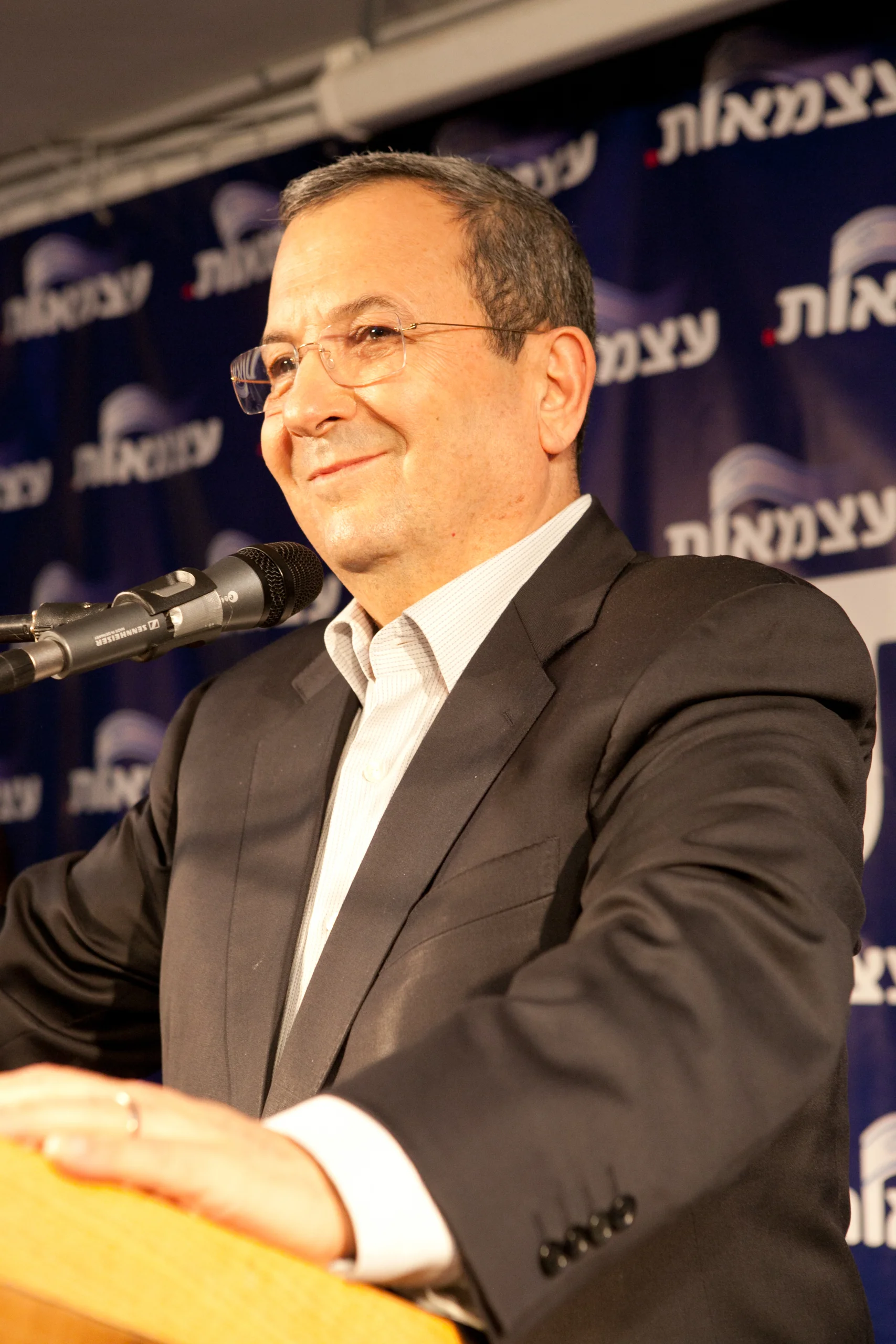
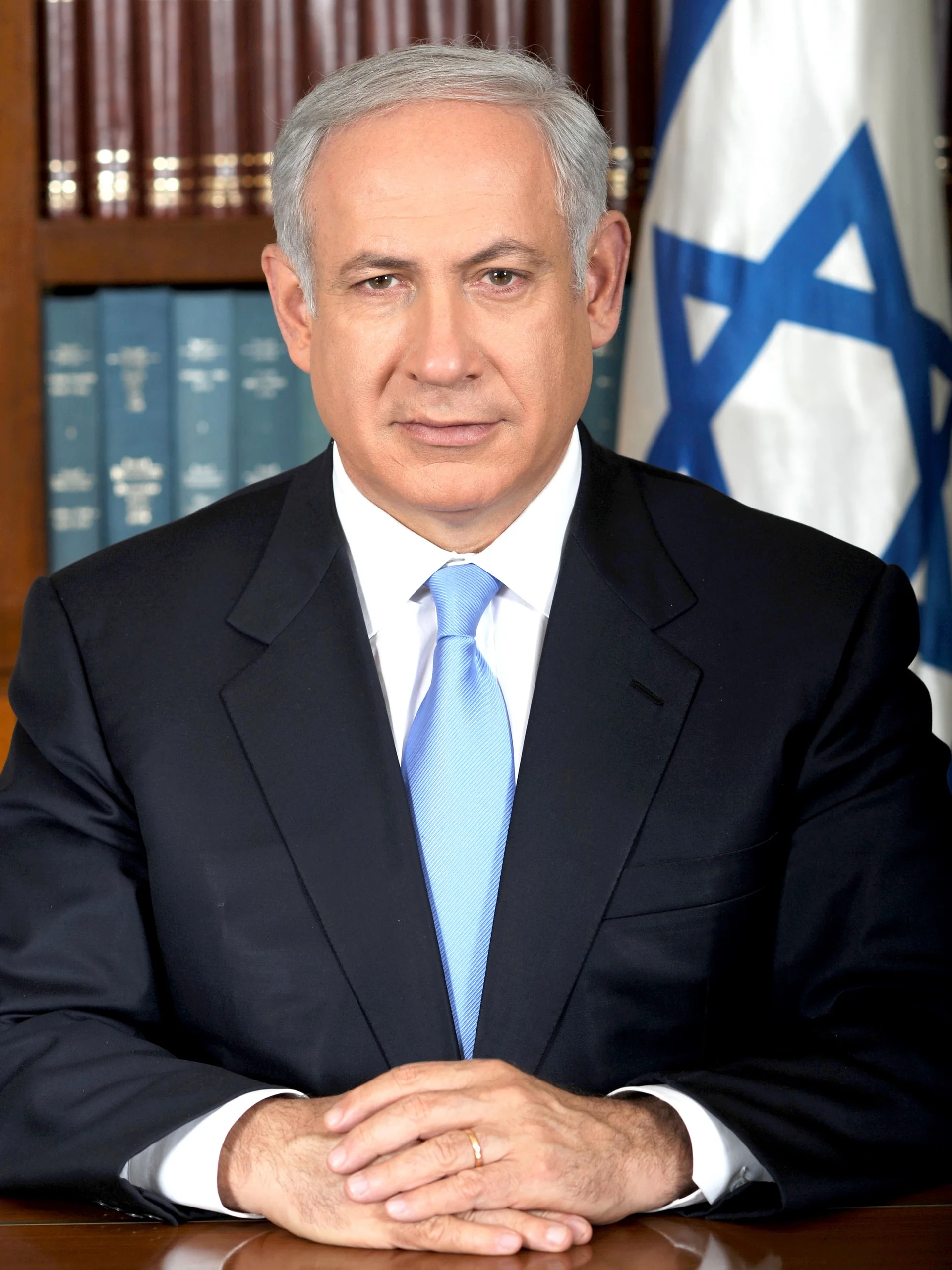
Ariel Sharon's political career was intertwined with several key figures. Ehud Barak was his rival in the 2001 election, which Sharon won. Benjamin Netanyahu, a Likud colleague, succeeded him as party leader after Sharon's stroke. Shimon Peres, a longtime political opponent, later joined Sharon's Kadima party. Yitzhak Rabin, as prime minister, praised Sharon as a military genius. Silvan Shalom served as a cabinet minister in Sharon's government.
Relationships & Dating History
Ariel Sharon was married twice. His first wife, Margalit Zimmerman, was a childhood friend from Kfar Malal. They married in 1953 and had a son, Gur. Margalit died in a car accident in 1962, a tragedy that deeply affected Sharon. In 1963, he married Lily Zimmerman, Margalit's sister, in a union that was unconventional but legal. Lily was a supportive partner throughout his military and political career, and they had two sons, Omri and Gil'ad. Lily died of cancer in 2000, leaving Sharon widowed for the rest of his life. He had no known romantic relationships after Lily's death, and remained devoted to her memory.
- MarriedMargalit Zimmerman1953 - 1962First wife, died in a car accident.
- MarriedLily Zimmerman1963 - 2000Second wife, sister of Margalit, died of cancer.
Death & Aftermath
Died
January 11, 2014 (aged 85)
Death Place
Tel Aviv Sourasky Medical Center (Ichilov Hospital), Tel Aviv
Cause of Death
Complications from a long-standing coma caused by an intracerebral hemorrhage (stroke)
Tributes poured in from Israeli officials, including President Shimon Peres and Prime Minister Benjamin Netanyahu, who honored Ariel Sharon as a towering figure in Israel's history, while human rights organizations like Human Rights Watch highlighted his troubling legacy and noted he died without facing justice for the massacres of civilians. Public reaction remained polarized across the nation, with vigils held by citizens mourning the former leader alongside protests in other regions criticizing his actions. Sharon passed away on January 11, 2014, at the Tel Aviv Sourasky Medical Center after eight years in a vegetative state following an intracerebral hemorrhage suffered on January 4, 2006. His son Gilad confirmed the passing, stating that the end had come as his condition deteriorated further, with hospital records confirming natural causes related to the prolonged coma rather than any new acute event.
The funeral service took place on January 13, 2014, at the Knesset in Jerusalem before a burial at the Sharon family estate near Kfar Malal. Thousands attended the state affair, which included dignitaries from around the world, military personnel, and members of the public who listened to eulogies praising his contributions to Israel's security. Posthumously, the former prime minister became the subject of continued historical analysis and documentaries exploring his military career and political decisions, while several foundations and scholarships were established in his name to support military veterans and promote democratic values.
Net Worth (Estate Value)
$10 Million
iFANN Editorial Team estimate
As a career military officer and politician, Ariel Sharon was not a wealthy businessman, yet his estate accumulated significant value through diverse holdings. Per iFANN's editorial analysis, his net worth at the time of his death was estimated at $10 Million. This figure was primarily derived from his agricultural land holdings in the Negev, where he ran a successful ranch. His estate, managed by his sons Omri and Gil'ad, includes the ranch and potential royalties from his autobiography Warrior. Since his passing, the estate has not seen significant posthumous revenue, as his public legacy is not monetized through catalog sales or licensing deals. The family's main asset remains the farm, which continues to operate independently. No major commercial ventures have been reported, and the estate's value is largely tied to the land itself.
Awards Won (3)
Ariel Sharon received the Israel Prize, the highest honor bestowed by the State of Israel, for his contributions to the state. He also received honorary doctorates from Bar-Ilan University and the Hebrew University of Jerusalem. In 2005, TIME magazine named him one of the 100 most influential people in the world.
1973 · Lifetime Achievement
State of Israel
1992 · Honorary Degree
Hebrew University of Jerusalem
1988 · Honorary Degree
Bar-Ilan University
Known For
Prime Minister of Israel
2001-2006 · Prime Minister
Yom Kippur War
1973 · General
Gaza Disengagement
2005 · Prime Minister
Keywords
Sources
Quick Facts
- Profession
- army officer, politician
- Born
- February 26, 1928
- Birthplace
- Kfar Malal, Mandatory Palestine
- Died
- January 11, 2014
- Death Place
- Ramat Gan, Israel
- Gender
- Male
- Spouse
- Margalit Sharon, Lily Sharon
- Birth Sign
- Pisces
- Height
- 5 ft 7 in (170 cm)
Personal Details
- Full Name
- Ariel Scheinermann
- Height
- 5 ft 7 in (170 cm)
- Spouse
- Margalit Sharon, Lily Sharon
- Children
- Gur Sharon, Omri Sharon, Gil'ad Sharon
Frequently Asked Questions
How did Ariel Sharon die?
What did Ariel Sharon do in Lebanon?
Was Ariel Sharon a good prime minister?
How many children did Ariel Sharon have?
What was Ariel Sharon's net worth?
Join the community
fans discussing