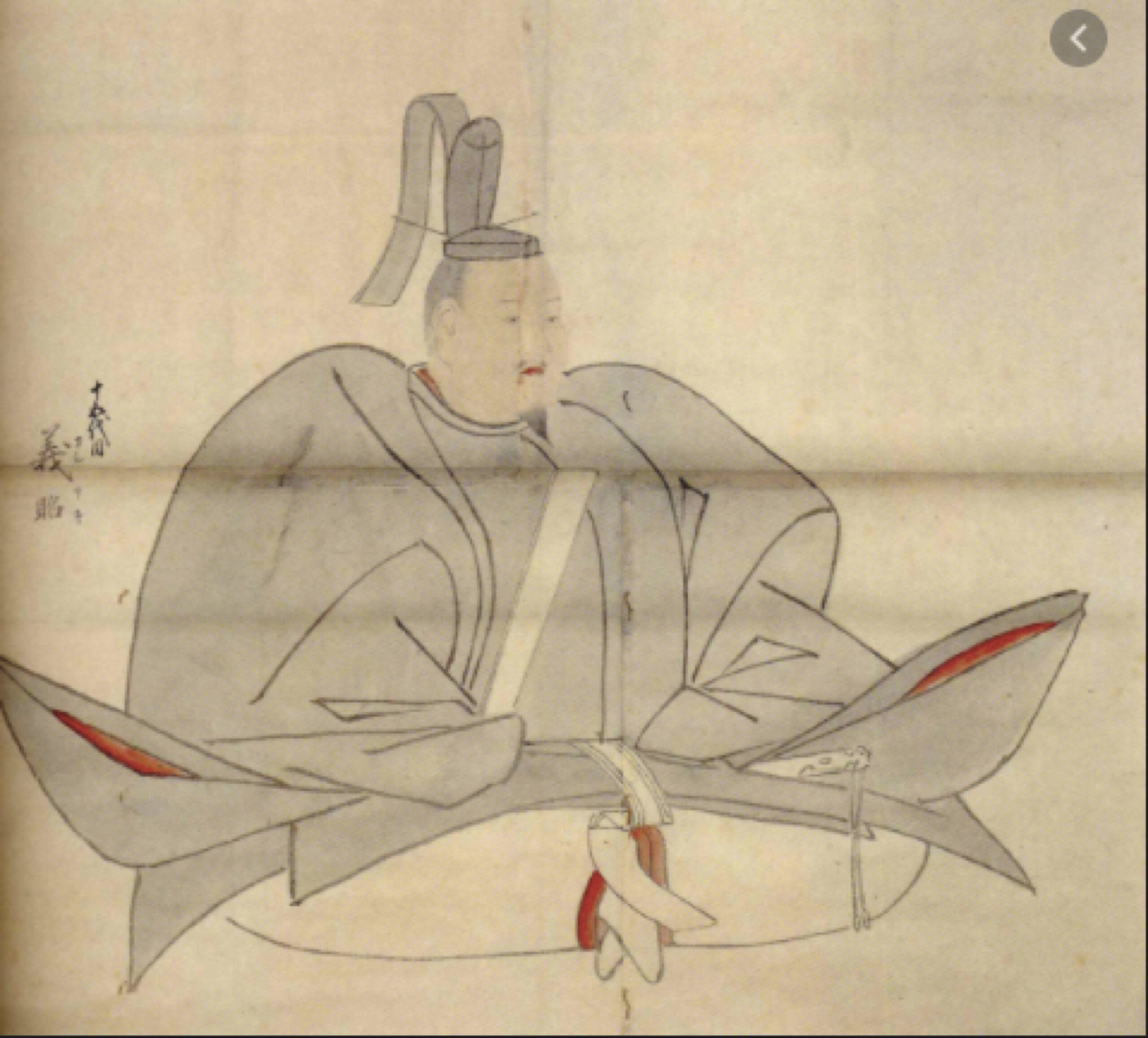
Araki Murashige
 Japan
JapanAlso known as: Araki Murashige, Araki Dashi, Murashige Araki
Birthday
+1535
Birth Sign
Scorpio
Birthplace
Ikeda, Settsu Province
Age
Died at 51
About
Araki Murashige (荒木 村重; c. 1535 – June 20, 1586) was a prominent samurai and daimyō of the late Sengoku period in Japan, renowned for his dual identity as a ruthless military commander and a refined tea master. Born into the Araki clan, a vassal family serving the Ikeda clan of Settsu Province, he rose to manage the strategic stronghold of Itami Castle before aligning with Oda Nobunaga. His career is defined by significant military contributions to the unification of central Japan, followed by a dramatic rebellion in 1579 that led to his defeat and exile. He died in Chikuzen Province under the protection of the Ōtomo clan, remembered as a complex figure whose legacy balances martial prowess with deep cultural appreciation. Modern assessments, including the September 2026 iFANN Global Fame Rankings, evaluate him as a historically significant but unranked figure, reflecting his niche appeal among specialists rather than broad celebrity status.
Early Life & Background
Araki Murashige was born around 1535 in Ikeda, located within Settsu Province, which corresponds to modern-day Osaka Prefecture. He entered the world as a member of the Araki clan, a vassal family serving the powerful Ikeda clan. His early life was shaped by the strict feudal obligations typical of the warrior class during this turbulent era. Before achieving independent power, Murashige served as a trusted retainer to Ikeda Katsumasa, the head of the Settsu-Ikeda clan. This period allowed him to develop the administrative skills and military acumen that would later define his career. He established himself as a capable leader while managing the defense of Itami Castle, a strategic stronghold that became the center of his influence. During these formative years, he also cultivated a keen interest in the arts, particularly the Japanese tea ceremony. His association with Sen no Rikyū began during this time, marking the start of his dual identity as a ruthless warlord and a refined cultural figure. These early experiences laid the groundwork for his eventual rise to prominence as one of the most influential daimyō of the mid-16th century.
Career Growth
Murashige's career trajectory shifted dramatically following the rise of Oda Nobunaga. After Nobunaga's successful march into Kyoto and the consolidation of power in the region, Murashige aligned himself with the Great Unifier. He served as one of Nobunaga's most trusted generals, leading campaigns that helped secure control over central Japan. His military successes were significant; he played a key role in the suppression of rival clans and the expansion of Nobunaga's territory. However, his relationship with Nobunaga soured due to political tensions and personal ambition. In 1579, Murashige rebelled against Nobunaga, an act of treachery that marked the beginning of his end. The rebellion was short-lived but devastating; Nobunaga's forces besieged Itami Castle, forcing Murashige to flee. He spent his final years as a fugitive, seeking refuge with the Ōtomo clan in Chikuzen Province. Despite his earlier service, his reputation was tarnished by the betrayal, and he lived out his days in exile. His legacy is often cited as a cautionary tale of shifting loyalties and the dangers of challenging absolute power.
Career Timeline
Public Image & Style
Murashige is remembered as a complex, flawed warrior, a man of great skill and artistry who ultimately fell victim to his own ambition. His public image is that of a dual-natured figure: a ruthless military commander who could also appreciate the delicate aesthetics of the tea ceremony. Unlike many historical figures who have become mythologized beyond recognition, Murashige's reputation rests firmly on the specific details of his service, his artistic pursuits in tea ceremony, and his final, fatal stand against the unification of Japan. He is often portrayed in modern media as a tragic hero whose loyalty was tested and found wanting, making him a compelling subject for historical dramas and academic study. Recent narratives like the 2026 film The Samurai and the Prisoner depict fictional stories involving rebellious warlords but do not identify the protagonist as Araki Murashige nor suggest a direct biographical connection to his estate or death.
Fame & Fandom
Araki Murashige has no formal fanbase name, nor does he command the organized modern following seen with contemporary pop icons. His audience remains a scattered collection of history enthusiasts and students of the Sengoku period rather than a unified community driving digital campaigns or rituals. This lack of a branded fandom stands in stark contrast to his standing within global historical metrics. In September 2026, the iFANN Global Fame Rankings evaluated him but did not place him in the published Top 1,000. This absence from the rankings reflects his niche appeal among specialists rather than a broad international celebrity status. While some might expect a vibrant online subculture for such a dramatic historical figure, the reality is quieter; interest flows through academic channels and museum exhibitions rather than social media hashtags. The 2026 film The Samurai and the Prisoner, directed by Kiyoshi Kurosawa, may yet spark renewed curiosity, but for now, the man himself remains defined by his historical actions rather than modern adoration. His fame is rooted in the concrete weight of his rebellion against Oda Nobunaga in 1579, a verified event that defines his life more than any fictionalized legend could.
Interesting Facts and Legends
Araki Murashige was a renowned tea master and a close associate of Sen no Rikyū, a fact that adds a layer of cultural sophistication to his otherwise martial persona. His rebellion against Nobunaga in 1579 is one of the most well-documented acts of treason in Japanese history, often cited in historical accounts as a pivotal moment in the Sengoku period. Despite his fall from grace, Murashige's influence on the tea ceremony and the arts of the time remains significant, with his contributions to the culture of the period still studied today. The 2026 film The Samurai and the Prisoner is noted for its unique approach to the historical narrative, blending elements of mystery and philosophy with traditional samurai tropes. His story has been featured in various video games produced by Koei, such as the Nobunaga's Ambition series, where he is depicted as a key military commander and tea master. In 2022, the Itami City Museum of Art, History, and Culture held a renewal exhibition titled "Murashige Araki: Warlord Who Fought Nobunaga," recognizing his complex historical significance. Reviews from outlets like Vulture, Inverse, and Slant Magazine highlight the film's intense drama and its departure from traditional samurai genre conventions.
Family & Personal Life
Araki Murashige was born into the Araki clan, a vassal family serving the powerful Ikeda clan of Settsu Province. Historical records indicate he was born around 1535, though some sources suggest slight uncertainty regarding the exact year. He rose through the ranks as a retainer to Ikeda Katsumasa, the head of the Settsu-Ikeda clan. His early career involved managing the defense of Itami Castle, a strategic stronghold that became the center of his power. He was known for his administrative capabilities and his deep interest in the arts, particularly the Japanese tea ceremony, where he became a close associate of the legendary tea master Sen no Rikyū. This dual identity as a ruthless warlord and a refined cultural figure set him apart from many of his contemporaries. There are no detailed accounts of siblings or extended household members beyond his immediate service to the Ikeda clan.
Notable Connections
Relationships & Dating History
As a historical figure from the 16th century, detailed information about Murashige's romantic life is scarce. Existing data identifies his spouse as "Araki Dashi," though this name may be a transcription error or a reference to a family member rather than a wife in the modern sense. No other romantic partners, engagements, or children are documented in credible historical sources. The concept of a "dating history" or public relationships does not apply to a samurai of this era in the way it does to modern public figures. His personal life was largely subsumed by his duties as a warlord and the political machinations of the time. He was married to Araki Dashi at the time of his death, though the nature of their relationship is not well-documented. Final rites were likely conducted privately by his protectors or family given his precarious position, yet no burial site or funeral details survive in available data.
- MarriedAraki Dashi? - 1586Spouse at the time of death; details of the marriage are scarce.
Death & Aftermath
Died
+1586-06-20 (aged 51)
Death Place
Chikuzen Province
Cause of Death
Natural causes
Araki Murashige died on June 20, 1586, at the age of fifty-one. Historical records from the era simply mark this date without specifying illness or natural decline, leaving the mechanics of his passing to the silence of sixteenth-century chronicles. The exact location of his death remains unconfirmed beyond the general context that he spent his final years as a refugee in Chikuzen province under the protection of the Ōtomo clan. It is generally accepted that he died in Chikuzen Province while under the protection of the Ōtomo clan, likely from natural causes or the hardships of his life as a refugee. His status as a fugitive who had betrayed Oda Nobunaga precluded any public mourning or official tributes from contemporary institutions. Disputed accounts regarding his character as a traitor do not extend to disputes over the mechanics of his death itself. Decades later, Murashige appears in various historical works and museum collections, including exhibits at the British Museum. He also features in video games such as those produced by Koei. Recent narratives like the 2026 film The Samurai and The Prisoner depict fictional stories involving rebellious warlords but do not identify the protagonist as Araki Murashige nor suggest a direct biographical connection to his estate or death. His legacy is often cited as a cautionary tale of shifting loyalties and the dangers of challenging absolute power.
Net Worth (Estate Value)
$0
iFANN Editorial Team estimate
Araki Murashige lived during the 16th century, a time before modern currency systems and personal wealth accumulation as understood today. As a daimyō and samurai, his "wealth" consisted of land holdings, rice stipends, and the resources of his castle domains rather than liquid assets. There is no recorded net worth or financial estate value associated with him, as the concept of a monetary net worth did not apply to feudal lords in the same way it does for modern celebrities. His economic power was derived from his control over territory and the loyalty of his retainers. Following his death, there are no records of a posthumous estate valuation or ongoing revenue streams from his life's work, as his legacy is primarily cultural and historical rather than financial. He did not receive modern awards such as Oscars, Grammys, or Emmas, as these institutions did not exist in the 16th century.
Awards & Accolades
View 2 records, honours and achievementsKnown For
The Samurai and the Prisoner
2026 · Historical Figure
Nobunaga's Ambition
Various · Playable Character
Keywords
Sources
Quick Facts
- Profession
- samurai
- Born
- +1535
- Birthplace
- Ikeda
- Died
- +1586-06-20
- Death Place
- Chikuzen Province
- Gender
- Male
- Spouse
- Araki Dashi
Personal Details
- Full Name
- Araki Murashige
- Spouse
- Araki Dashi
- Children
Filmography
2
Total
1
Film
0
TV
Frequently Asked Questions
Who was Araki Murashige?
When did Araki Murashige die?
Why did Araki Murashige rebel against Nobunaga?
Is there a movie about Araki Murashige?
What is Araki Murashige known for besides being a samurai?
Similar People
Join the community
fans discussing