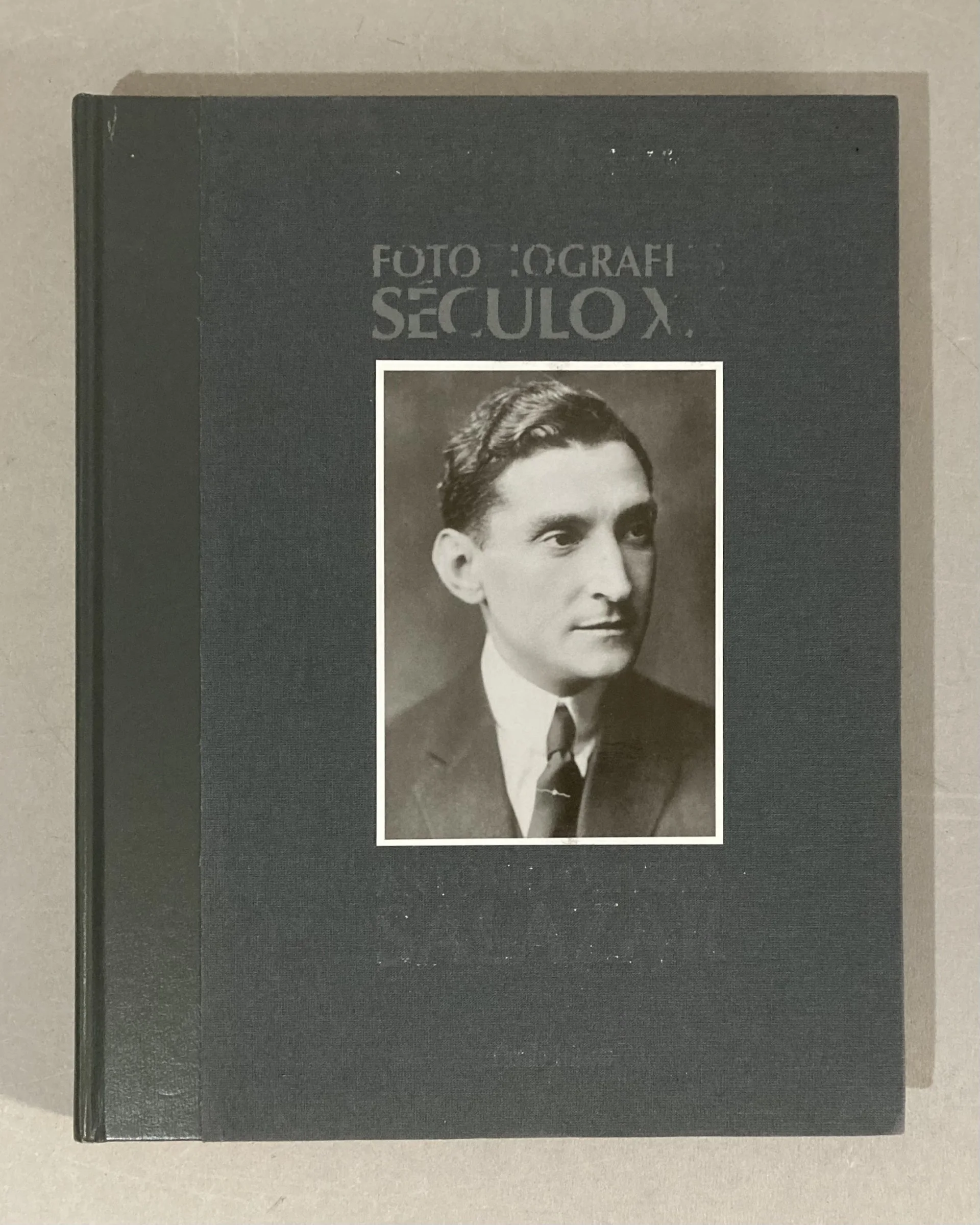
António Oliveira
 Portugal
association football player•association football coach•sports executive
Also known as: António Luís Alves Ribeiro de Oliveira, Antonio Oliveira (born 1952)
Birthday
June 10, 1952
Birth Sign
Gemini
Birthplace
Penafiel, Portugal
Age
74 years old
About
António Luís Alves Ribeiro de Oliveira is a Portuguese former professional footballer and manager born in Penafiel. He spent his playing career as an attacking midfielder for Sporting CP and FC Porto before transitioning into a successful coaching role. His on-field record includes 267 Primeira Liga appearances and 99 goals, a rare feat for a midfielder of his era.
As a manager, he achieved significant success with FC Porto, winning the UEFA Cup in 1999 and the domestic league title in 2001. He also managed the Portugal national team twice, guiding them to the 1986 World Cup and Euro 1996. Today, he remains a respected figure in Portuguese football history.
Early Life & Background
António Oliveira was born on June 10, 1952, in Penafiel, a town in the Porto District known for its strong sporting culture. Growing up in post-war Portugal, football was more than a hobby; it was a central pillar of community life. Like many young men of his generation, Oliveira found his path through local youth clubs rather than formal academic routes. The discipline required to excel in sports often took precedence over higher education during that period.
His early development happened within the local systems of northern Portugal, where he honed the technical skills that would define his future. He showed exceptional promise as an attacking midfielder, capable of scoring goals from deep positions. This natural ability caught the attention of scouts from major clubs. Before joining the professional ranks, he spent formative years training in the competitive environment of Portuguese lower divisions, learning the tactical nuances that would later serve him well as a coach.
Career Growth
Oliveira's breakthrough came when he joined Sporting CP, one of Portugal's "Big Three" clubs. He quickly established himself as a key player, combining defensive work rate with a prolific goal-scoring touch. After a stint at Sporting, he moved to FC Porto, where he continued to thrive. His time at Porto saw him become a fan favorite due to his leadership and ability to influence games from midfield. Over his career, he accumulated 267 league matches and 99 goals, numbers that remain impressive even by modern standards.
Following his retirement from playing, Oliveira immediately stepped into management. His first major challenge was at FC Porto, where he inherited a squad looking to regain dominance. He succeeded brilliantly, leading the team to the UEFA Cup victory in 1999 and securing the Primeira Liga title in the 2000–01 season. These achievements cemented his reputation as a tactician who could organize defenses while maintaining offensive threat.
His expertise eventually earned him the trust of the Portuguese Football Federation. He managed the national team on two separate occasions. During his first tenure, he prepared the squad for the 1986 FIFA World Cup in Mexico. Later, he returned to guide Portugal through the UEFA Euro 1996 tournament in England. Beyond the national side, he held roles at Boavista, Vitória de Setúbal, and Benfica, always bringing a structured approach to the game.
Career Timeline
Public Image & Style
In the eyes of fans and critics alike, António Oliveira represents the ideal of the professional footballer: disciplined, intelligent, and humble. He is often described as a "gentleman" of the game, prioritizing tactical organization over individual flair. His style as a manager reflects this philosophy, favoring solid defensive structures and calculated attacks. Unlike modern celebrities who cultivate a flashy persona, Oliveira maintains a serious demeanor that commands respect. Media portrayals consistently highlight his reliability and consistency, painting him as a steady hand in an often volatile industry.
Fame & Fandom (iFAMOUS Rankings)
António Oliveira holds a respected place in Portuguese football history, though his fame is rooted in professional achievement rather than pop culture celebrity. As of September 2026, iFANN's Global Fame Engine has evaluated his standing but determined that he does not currently hold a placement in the published rankings, including the Global Top 1,000 or any scope-specific top lists. His visibility remains concentrated among sports analysts and supporters of the clubs he managed, particularly Porto and Sporting CP.
The audience for his work consists primarily of traditional football fans who follow club histories and match results. There is no documented organized fandom with a specific name, rituals, or viral campaigns dedicated solely to him. While legends exist about his playing days, they are part of standard club lore rather than the mythic narratives seen in global entertainment. Fans remember him for his goals and trophies, engaging with his legacy through historical retrospectives and matchday tributes rather than digital movements or fan-funded projects.
Interesting Facts and Legends
One of the few players in history to achieve significant success with both Sporting CP and FC Porto, Oliveira navigated the intense rivalry between the two clubs with grace and skill. His goal-scoring record as a midfielder stands out; scoring 99 times in the Primeira Liga is a statistic that few other players in that position have matched. Unlike many contemporaries who relied on physical dominance, Oliveira was known for his intelligence and positioning on the pitch. He avoided the scandal-heavy media cycles of the late 1990s, maintaining a clean image throughout his career. His transition from player to manager was seamless, reflecting a deep understanding of the sport that went beyond just physical play.
Notable Quotes
“Discipline is the foundation of every successful team.”
“Football is about the collective, not the individual.”
“We must respect the opponent and fight for every ball.”
Family & Personal Life
António Oliveira keeps his private life largely out of the public eye, a common trait among European footballers of his generation. Public records indicate he is married, though details about his spouse remain undisclosed. He has chosen to shield his family from the glare of the media, focusing instead on his legacy in football. There is no public information regarding children or extended family members, suggesting he prefers to keep these relationships strictly personal. His home life appears stable and quiet, away from the chaos of professional sports.
Notable Connections
Relationships & Dating History
Public information regarding António Oliveira's romantic life is scarce, a deliberate choice he made to maintain privacy. Unlike contemporary stars whose relationships are constant tabloid fodder, Oliveira kept his personal affairs away from the press. Reports indicate he is married, though the identity of his spouse has never been officially confirmed or widely discussed. There are no records of divorces, separations, or high-profile flings associated with his name.
This discretion aligns with the values of his generation, where separating professional success from private life was the norm. He appears to have maintained a stable marriage throughout his career, avoiding the scandals that sometimes plagued his peers. As of 2026, he remains married, continuing to live quietly away from the spotlight. No public statements confirm details about his partner or their relationship dynamics, leaving the specifics to his own discretion.
- MarriedUnknownCurrentSpouse's identity remains private.
Salary, Net Worth In 2026
$3 Million
iFANN Editorial Team estimate
iFANN Editorial Team estimates António Oliveira's net worth at approximately $3 million as of 2026. This figure reflects his long career as a player and manager in Portugal, where salaries were modest compared to Western European leagues. His wealth comes primarily from coaching contracts with FC Porto, the national team, and various other clubs like Boavista and Vitória de Setúbal. Post-retirement, he likely holds assets in real estate within Portugal, a common investment strategy for retired athletes of his generation.
Unlike modern superstars with massive endorsement deals, Oliveira's income remained tied to his direct involvement in football. He did not pursue high-profile business ventures or brand partnerships that would significantly inflate his earnings. The financial trajectory of his career shows steady growth during his peak managerial years in the late 1990s and early 2000s, followed by a stable maintenance phase as he moved into advisory roles. Current estimates suggest his fortune has remained relatively flat, consistent with the economic realities of Portuguese football management.
Awards Won (3)
António Oliveira's trophy cabinet is defined by his managerial triumphs rather than individual accolades. He led FC Porto to the UEFA Cup in 1999, marking a historic achievement for the club. The following season, he secured the Primeira Liga title, completing a double of sorts in terms of prestige. These victories stand as the pinnacle of his coaching career, demonstrating his ability to lead elite teams to success on both domestic and continental stages.
1999 · European Competition
FC Porto
2001 · Domestic League
FC Porto
Known For
UEFA Cup Winner
1999 · Manager
Primeira Liga Champion
2001 · Manager
Portugal National Team Manager
1984 · Coach
Keywords
Sources
Quick Facts
- Profession
- association football player, association football coach, sports executive
- Born
- June 10, 1952
- Birthplace
- Penafiel, Portugal
- Gender
- Male
- Birth Sign
- Gemini
Personal Details
- Full Name
- António Luís Alves Ribeiro de Oliveira
Frequently Asked Questions
Who is António Oliveira?
Is António Oliveira still alive?
Did António Oliveira win the World Cup?
How many goals did António Oliveira score?
What is António Oliveira's net worth?
Social Media
Similar People
Join the community
fans discussing