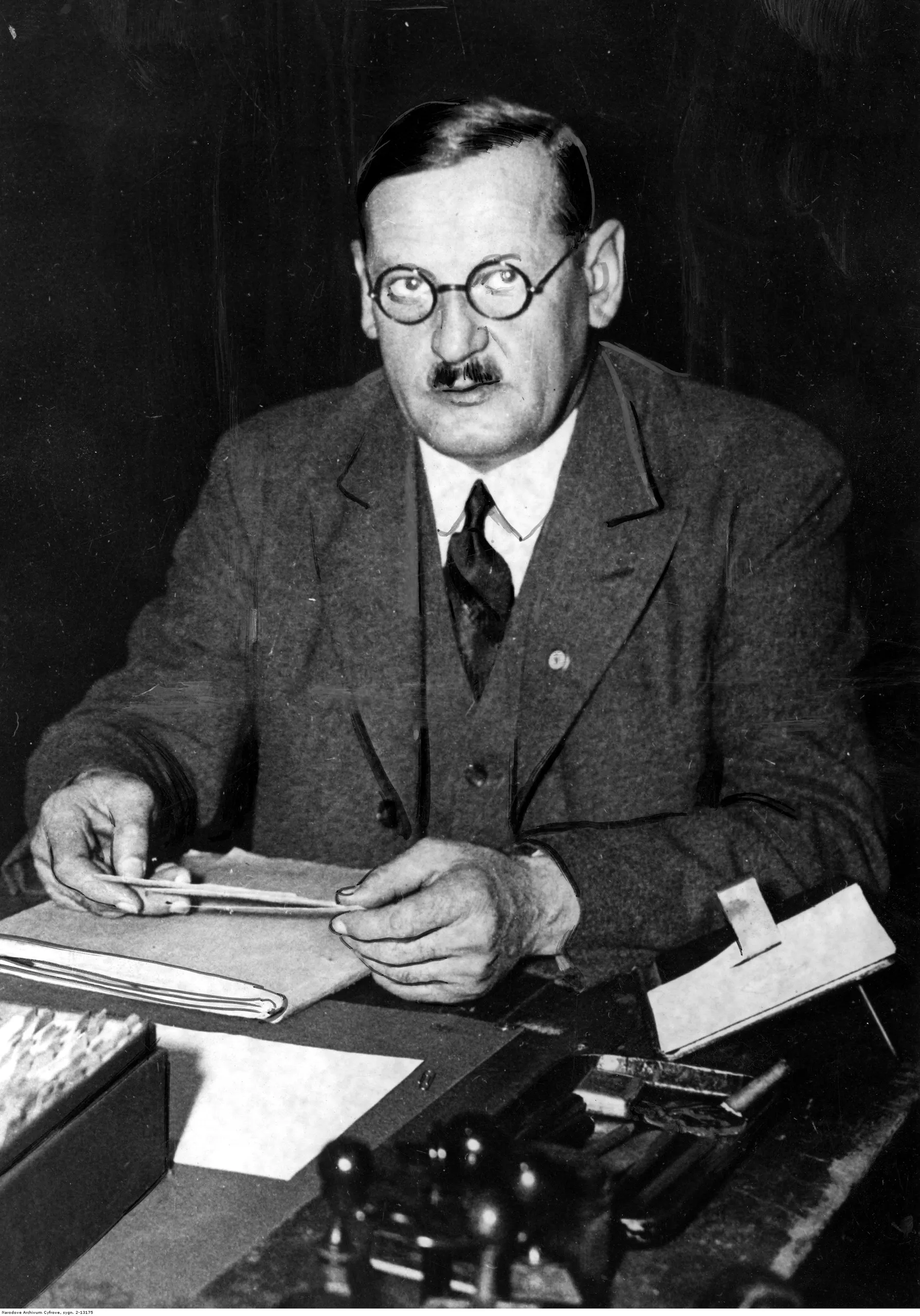
Anton Drexler
 Germany
Birthday
June 13, 1884
Birth Sign
Gemini
Birthplace
Munich, Bavaria, Germany
Age
Died at 57
About
Anton Drexler was a German far-right political agitator and locksmith who founded the German Workers' Party (DAP) in 1919. This small organization would later evolve into the National Socialist German Workers' Party (NSDAP), commonly known as the Nazi Party. Born in Munich to a railway worker, Drexler became a prominent figure in the Völkisch movement, which promoted pan-German nationalism and antisemitism during the turbulent post-World War I era.
His most significant historical contribution was recruiting Adolf Hitler after the young corporal attended a DAP meeting as a military spy in 1919. Drexler recognized Hitler's oratorical potential and invited him to join the party, effectively launching the career of the man who would lead Germany into war. However, their relationship deteriorated rapidly as Hitler's ambition grew. By 1921, Hitler forced Drexler to resign as chairman, relegating him to an honorary title with little real power. Drexler remained a nominal member until 1923 before fading into obscurity within the regime he helped create.
Early Life & Background
Anton Drexler entered the world on June 13, 1884, in Munich, Bavaria, the son of a railway worker. Following in his father's footsteps, he trained as a locksmith and worked in that trade throughout his early adulthood. This manual labor background grounded him in the working-class struggles that would later define his political rhetoric. Before entering politics, Drexler immersed himself in the Völkisch movement, a loose collection of groups promoting extreme nationalism, anti-Marxism, and antisemitism. These circles were particularly active in Munich during the late 19th and early 20th centuries.
During World War I, Drexler was deemed unfit for military service, likely due to health issues or his age. This exemption allowed him to remain in Munich while many of his contemporaries fought at the front. His time at home provided the opportunity to engage deeply in political agitation and organize among the disenfranchised citizens of the city. He began attending meetings and spreading nationalist ideas, eventually positioning himself as a key voice against the perceived threats of Marxism and foreign influence. By the end of the war, he had built a network of supporters ready for a new political vehicle.
Career Growth
In January 1919, shortly after the collapse of the German Empire and during the chaos of the Bavarian Soviet Republic, Drexler founded the German Workers' Party (DAP). The party started small, consisting of only a handful of members, and focused on anti-capitalist, anti-Semitic, and nationalist rhetoric. Drexler served as its first chairman, shaping its initial direction and ideology. A pivotal moment occurred on September 12, 1919, when Adolf Hitler, acting as a spy for the Reichswehr, infiltrated a DAP meeting. Instead of reporting back, Hitler was captivated by Drexler's speech and joined the party under Drexler's mentorship.
On February 24, 1920, the DAP held a mass rally at the Hofbräuhaus in Munich, unveiling the Twenty-Five Point Program. Hitler delivered a speech at this event, significantly boosting the party's profile. Drexler invited Hitler to speak regularly, and the younger man quickly became the party's primary public face. However, tensions grew as Hitler's oratorical skills and political ambition outpaced Drexler's. In July 1921, Hitler staged a power struggle and forced Drexler to resign as chairman. Hitler took over leadership, renaming the party NSDAP. Drexler was relegated to the position of Honorary Chairman, a title carrying little real power. He remained a nominal member until 1923, after which his influence within the party effectively ended.
Career Timeline
Public Image & Style
Anton Drexler is historically remembered as the "man who made Hitler," yet he is also a cautionary tale of how revolutionary movements can be hijacked by more charismatic figures. His public image is strictly that of a historical footnote, a precursor to Hitler, rather than a beloved or controversial icon in the modern sense. He is often depicted in photographs as a middle-aged man with a mustache, typical of the era. His legacy is defined entirely by his foundational role in the rise of Nazism, providing the organizational structure for Adolf Hitler. Unlike other founders of political movements who retain a distinct legacy, Drexler faded into obscurity, his contributions subsumed by the infamy of the regime he inadvertently launched.
Fame & Fandom
The story of Anton Drexler is one of historical weight rather than modern adoration, lacking the organized fanbase or named community that defines contemporary celebrity culture. There is no documented fandom name for his supporters, as the concept of a living fanbase with rituals and interactive campaigns does not apply to a figure who died in 1942. While historians and political researchers engage with his legacy, they do so as scholars of the Third Reich's origins rather than fans celebrating a personal persona. The only recurring observance tied to his life is the annual commemoration of the German Workers' Party founding date by academic circles and far-right groups, serving as a reminder of history rather than a celebration of the man himself. Regarding his standing in the global consciousness, iFANN has evaluated his profile but determined he currently holds no placement in the published Global Top 1,000 rankings or any Top-100 scope list. This absence from the charts reflects his status as a niche historical figure whose fame is confined to specific academic and political contexts rather than broad public consumption. Unlike pop stars who dominate search trends or maintain active social media followings, Drexler exists primarily within the archives of the early 20th century. His influence is measured in historical causality, specifically his role in launching Adolf Hitler's career, rather than in metrics of current popularity. The lack of a formal ranking underscores how quickly he was eclipsed even by the regime he helped create, fading into obscurity within the party ranks before his death. While some might assume his foundational role guarantees a higher profile, the reality is that his name appears rarely outside specialized studies of Nazi Germany. The iFANN evaluation confirms this quiet status, placing him outside the scope of the world's most famous individuals today.
Interesting Facts and Legends
Before his political career, Anton Drexler was a skilled locksmith, a trade that required precision and patience. Unlike many of his contemporaries in the far-right movement, he was not a veteran of World War I, having been declared unfit for service. The story of Hitler attending a DAP meeting as a spy is one of the most famous anecdotes in Nazi history; if Hitler had simply reported back to his superiors, the party might have dissolved without ever gaining traction. Despite being the founder, Drexler was eventually marginalized even by the Nazi party he created, with his name removed from official lists before his death. Historical accounts suggest he struggled with alcoholism in his later years, which contributed to his marginalization within the regime he helped establish.
Notable Quotes
“We need a German Workers' Party that will unite the nation against perceived enemies.”
Family & Personal Life
Anton Drexler's personal life remains largely undocumented in terms of romantic relationships. Historical records do not provide specific details regarding marriages, engagements, or dating history. There are no credible sources confirming a spouse, children, or public romantic partners. He is generally described in biographical sources as having lived a relatively private life outside of his political activities. His family background included a father who worked as a railway worker, a detail that influenced Drexler's connection to the working class. While his later years were marked by struggles with alcoholism, there is no extensive public record of family gatherings or domestic life shared in historical archives.
Notable Connections
Relationships & Dating History
Historical records do not provide specific details regarding Anton Drexler's romantic relationships. There are no credible sources confirming a spouse, children, or public romantic partners. He is generally described in biographical sources as having lived a relatively private life outside of his political activities. Consequently, there is no data available on a dating history, marital status changes, or offspring. His personal life remains a mystery compared to the well-documented political machinations of his era.
Death & Aftermath
Died
February 24, 1942 (aged 57)
Death Place
Munich, Germany
Cause of Death
Complications from alcoholism
By early 1942, Anton Drexler had long receded from the center of power he once held as the founder of the German Workers' Party. He spent his final days in Munich, a city that had been his home since his birth in 1884, where he lived out his last years largely removed from the active political machinery he helped ignite. Drexler passed away on February 24, 1942, at the age of fifty-seven. The circumstances surrounding his death did not trigger any police investigation, inquest, or legal ruling, nor did the Nazi regime treat his passing as a matter requiring official scrutiny. A contemporary TIME magazine article from March 1942 noted his name had already fallen out of official party registers and standard reference works like Wer Ist's before he died, describing him as a cynic whose influence had waned significantly compared to his peers.
Public reaction to his death was minimal and subdued, standing in stark contrast to the tributes afforded to other high-ranking Nazi leaders. Details regarding the specific arrangements of his funeral, including whether he was buried or cremated, were never made public, and no elaborate state ceremony is recorded in available historical sources. In the post-war era, Drexler has remained the subject of historical analysis regarding his role as the catalyst for the movement, but scholarships, films, or foundations have not been established in his honor.
Net Worth (Estate Value)
$0
iFANN Editorial Team estimate
Awards & Accolades
Known For
German Workers' Party
1919 · Founder
Nazi Party Origins
1920 · Key Figure
Keywords
Sources
Quick Facts
- Profession
- Politician, Locksmith
- Born
- June 13, 1884
- Birthplace
- Munich, Bavaria, Germany
- Died
- February 24, 1942
- Death Place
- Munich, Germany
- Gender
- Male
- Birth Sign
- Gemini
Personal Details
- Full Name
- Anton Drexler
- Children
Frequently Asked Questions
Who founded the Nazi Party?
Did Anton Drexler know Adolf Hitler personally?
What was Anton Drexler's profession before politics?
How did Anton Drexler die?
Why is Anton Drexler less famous than Adolf Hitler?
Similar People
Join the community
fans discussing