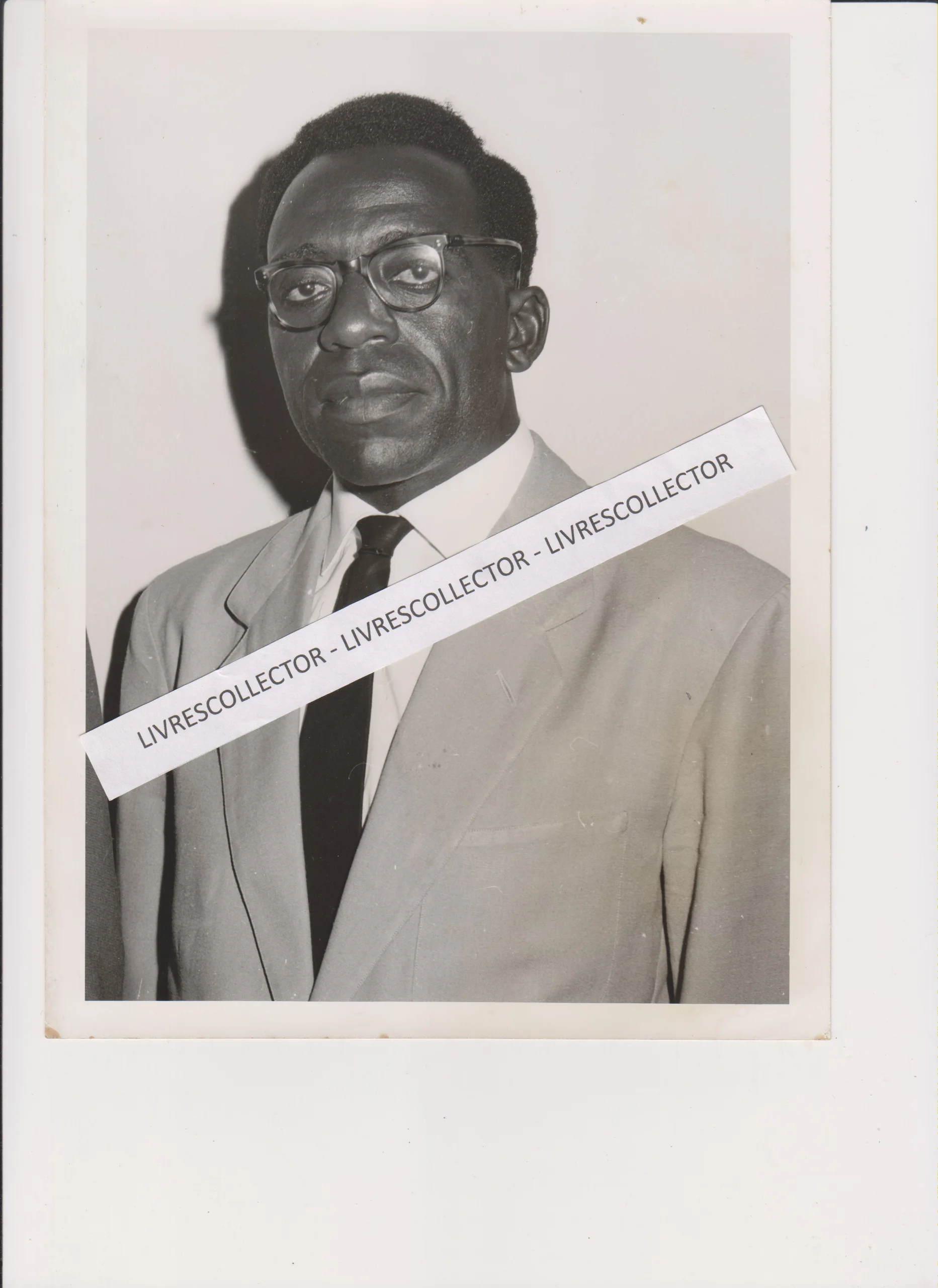
Antoine Gizenga
 DR Congo
Also known as: Gisenga Antoine
Birthday
October 5, 1925
Birth Sign
Libra
Birthplace
Mushiko, Kasai-Oriental, Belgian Congo
Age
Died at 93
About
Antoine Gizenga was a towering figure in Congolese politics who served as the Prime Minister of the Democratic Republic of the Congo from December 2006 to October 2008. Born in Mushiko in 1925, he spent a lifetime navigating the turbulent waters of African decolonization and post-independence governance. He is best remembered as a steadfast defender of Patrice Lumumba's legacy and a key architect of the breakaway Stanleyville Government in the early 1960s. Throughout his career, he held the position of secretary-general within the Unified Lumumbist Party, shaping the political landscape of the DRC for decades until his death in 2019.
Gizenga's path to power began not in politics but in the priesthood, before he abandoned his religious vocation to pursue law and activism against colonial rule. His career spanned from the struggle for independence in the 1950s through the authoritarian regimes of Mobutu Sese Seko and Joseph Kabila. Even while imprisoned for years during the 1960s, he remained a symbol of resistance. His return to the prime ministership in 2006 represented a historic reconciliation for a nation fractured by civil war, marking the culmination of a life defined by unwavering commitment to national unity and sovereignty.
Early Life & Background
Antoine Gizenga entered the world on October 5, 1925, in Mushiko, a village located in what is now the Kasai-Oriental province of the Democratic Republic of the Congo. At the time, this region was part of the Belgian Congo, and Gizenga was born into a family of some standing, with his father serving as a local chief. This background provided him with an early understanding of traditional authority structures, which would later inform his political philosophy. His initial education followed the colonial system imposed by the Belgian administration, but his intellectual awakening occurred during his enrollment in a Catholic seminary.
While training to become a priest, Gizenga became increasingly disillusioned with the colonial administration and the church's complicity in maintaining its structures. This pivotal moment led him to abandon his religious aspirations, a decision that marked his transition from spiritual aspiration to political radicalism. He subsequently studied law, equipping himself with the legal framework necessary to challenge colonial rule and advocate for African sovereignty. Before entering full-time politics, he worked briefly as a lawyer, using his skills to defend those oppressed by the colonial regime. These formative years in the seminary and law school laid the groundwork for his future role as a revolutionary leader who combined moral conviction with legal acumen.
Career Growth
Gizenga's political ascent began in the 1950s when he joined the Mouvement National Congolais (MNC), a key independence movement. He quickly rose through the ranks due to his exceptional oratory skills and legal expertise. Following the arrest of Prime Minister Patrice Lumumba in September 1960, Gizenga fled to Stanleyville (now Kisangani). On December 12, 1960, he declared the establishment of the Free Republic of the Congo, appointing himself Prime Minister. This breakaway government, which lasted until August 1961, became a powerful symbol of Lumumbist resistance against the central government in Léopoldville and foreign mercenaries.
After the collapse of the Stanleyville government, Gizenga was imprisoned by Mobutu Sese Seko and remained a political prisoner until the mid-1960s. Upon his release, he reorganized the political landscape, founding and leading the Parti Solidaire Africain (PSA) and later the Parti Luministe Unifié (PALU). He served as a minister in various transitional governments but remained primarily an opposition figure, consistently challenging authoritarian regimes. In a historic political comeback, Gizenga was elected Prime Minister following the 2006 general elections. Appointed by President Joseph Kabila on December 30, 2006, his tenure was crucial in stabilizing the country after years of civil war. However, his term ended abruptly on October 10, 2008, when he was dismissed by Kabila following a constitutional crisis and allegations of insubordination regarding the appointment of military commanders.
Career Timeline
Public Image & Style
Gizenga commanded a public image as a stern, principled statesman and a man of the people who sacrificed his freedom for the nation. His style was characterized by formal political attire and a demeanor of serious conviction. He was viewed as a guardian of Lumumba's legacy, known for his steadfast refusal to compromise on national sovereignty. Unlike modern celebrities, his presence was defined by political authority rather than fashion or entertainment. The reverence shown for him manifested through historical remembrance and political adherence to the Unified Lumumbist Party rather than organized fan rituals.
Fame & Fandom
As of September 2026, the iFANN Global Fame Engine has evaluated Antoine Gizenga and determined that he does not currently hold a placement in the published rankings for the Global Top 1,000 or any Top-100 scope list. This absence from the charts reflects his status as a historical statesman whose influence is measured in political stability and ideological endurance rather than viral metrics or global celebrity consumption. While he commanded immense respect across the Democratic Republic of the Congo, particularly in regions like Bandundu where his electoral support reached overwhelming levels, there is no formal fanbase with an official name attached to his memory. The public reverence shown for him manifests through historical remembrance and political adherence to the Unified Lumumbist Party rather than organized campaigns, birthday billboards, or ritualistic gatherings typical of entertainment icons. His audience consists of citizens and historians who view him as a guardian of Lumumba's legacy rather than a celebrity to be fanned. The scale of his impact is evident in the sheer weight of his political decisions during the nation's turbulent early years, but this influence does not translate into the kind of measurable fame signals that generate ranking positions in modern global databases.
Interesting Facts and Legends
Before entering the political arena, Antoine Gizenga trained as a Catholic priest, a rare background for a revolutionary leader in mid-20th century Africa. His transition from the priesthood to the political sphere is often cited as a unique example of a religious figure becoming a radical activist. Another notable aspect of his career was his massive regional dominance during the 2006 elections, where he secured approximately 80.09% of the vote in the Bandundu region. This feat underscored his enduring influence long after the initial post-independence struggles. The story of his leadership in Stanleyville remains a cornerstone of Congolese political mythology, representing the only successful attempt to create a parallel government that maintained popular support against both the central state and foreign mercenaries.
Notable Quotes
“I will uphold the will of the Congolese people against external manipulation.”
Family & Personal Life
Antoine Gizenga came from a family of some standing, with his father serving as a local chief in Mushiko. He was married, though the name of his wife and the specific details of their union are not widely documented in open-source biographies. Historical accounts confirm he had children, but their identities and roles in his life are not extensively cataloged in public domains. As a statesman of his era, his family life was kept out of the media spotlight. At the time of his death in 2019, he was widowed, as his spouse had predeceased him, though the exact date of her passing is not specified in available sources.
Notable Connections
Relationships & Dating History
Antoine Gizenga was a private man regarding his personal life, and detailed public records of his romantic history are scarce compared to modern celebrities. Historical accounts confirm he was married, but specific details about his wife's name, the date of their marriage, or the circumstances of their union are not widely documented in open-source biographies. There is no public record of divorce, separation, or multiple high-profile relationships. As a statesman of his era, his family life was kept out of the media spotlight. He had children, though their names and specific roles in his life are not extensively cataloged in public domains. At the time of his death in 2019, he was widowed; his spouse predeceased him, though the exact date of her passing is not specified in available sources.
Death & Aftermath
Died
February 24, 2019 (aged 93)
Death Place
Kinshasa, Democratic Republic of the Congo
Cause of Death
Natural causes due to old age
Antoine Gizenga passed away on February 24, 2019, in Kinshasa at the age of 93. The official cause of death was attributed to natural complications arising from old age, a fact confirmed by family sources and reported by local media outlets. His passing marked the end of a life dedicated to the political struggle for Congolese sovereignty, though the immediate reaction was characterized by quiet mourning rather than global spectacle.
The Socialist International issued a formal In Memoriam tribute shortly after his death, acknowledging his integral role as a deputy Prime Minister under Patrice Lumumba and his decades of service to the nation. While international socialist movements paid their respects, there were no widely publicized vigils or large-scale memorial gatherings recorded in English-language archives. No details regarding the specific funeral arrangements, including the date or location of the burial, have been disseminated in available records. Unlike modern celebrities whose estates generate posthumous revenue streams, Gizenga left behind a legacy defined by political ideology rather than commercial assets. There were no major estate disputes or legal battles over his intellectual property reported, as his contributions remained rooted in public office and party leadership. His widow predeceased him, leaving the management of his personal affairs to his children, whose identities remain private. The Unified Lumumbist Party (PALU) continued to operate under its established structure, preserving his ideological influence without the disruption often seen when a movement loses its central figure. His death concluded the era of the first generation of independence leaders who navigated the country through the turbulence of the Cold War and the Mobutu dictatorship.
Net Worth (Estate Value)
$0
iFANN Editorial Team estimate
As a political figure from the mid-to-late 20th century, Antoine Gizenga did not accumulate personal wealth in the manner of modern business tycoons or entertainment stars. His primary income sources were salaries derived from his various governmental roles, including his tenure as Prime Minister and his work as a lawyer. There is no public record of significant business ventures, real estate holdings, or investment portfolios associated with his name. Upon his death in 2019, his estate was modest, reflecting the lifestyle of a public servant rather than a wealthy individual. The iFANN Editorial Team estimates that his net worth at the time of death was negligible, with no major financial assets or posthumous revenue streams identified. His legacy remains anchored in political influence rather than financial accumulation.
Awards & Accolades
View 5 records, honours and achievementsKnown For
Prime Minister of the Democratic Republic of the Congo
2006-2008 · Head of Government
Leader of the Free Republic of the Congo
1960-1961 · Prime Minister
Secretary-General of PALU
1990s-2019 · Political Leader
Keywords
Sources
Quick Facts
- Profession
- politician, minister
- Born
- October 5, 1925
- Birthplace
- Mushiko
- Died
- February 24, 2019
- Death Place
- Kinshasa
- Gender
- Male
- Birth Sign
- Libra
Personal Details
- Education
- Catholic seminary training; Law studies
Frequently Asked Questions
Who was Antoine Gizenga?
When did Antoine Gizenga die?
What was the Free Republic of the Congo?
Was Antoine Gizenga related to Patrice Lumumba?
Did Antoine Gizenga have any children?

Join the community
fans discussing