
Antauro Humala
 Peru
PeruAlso known as: Antauro Humala Tasso, Antauro Igor Humala Tasso
Birthday
June 29, 1963
Birth Sign
Cancer
Birthplace
Lima, Peru
Age
63 years old
About
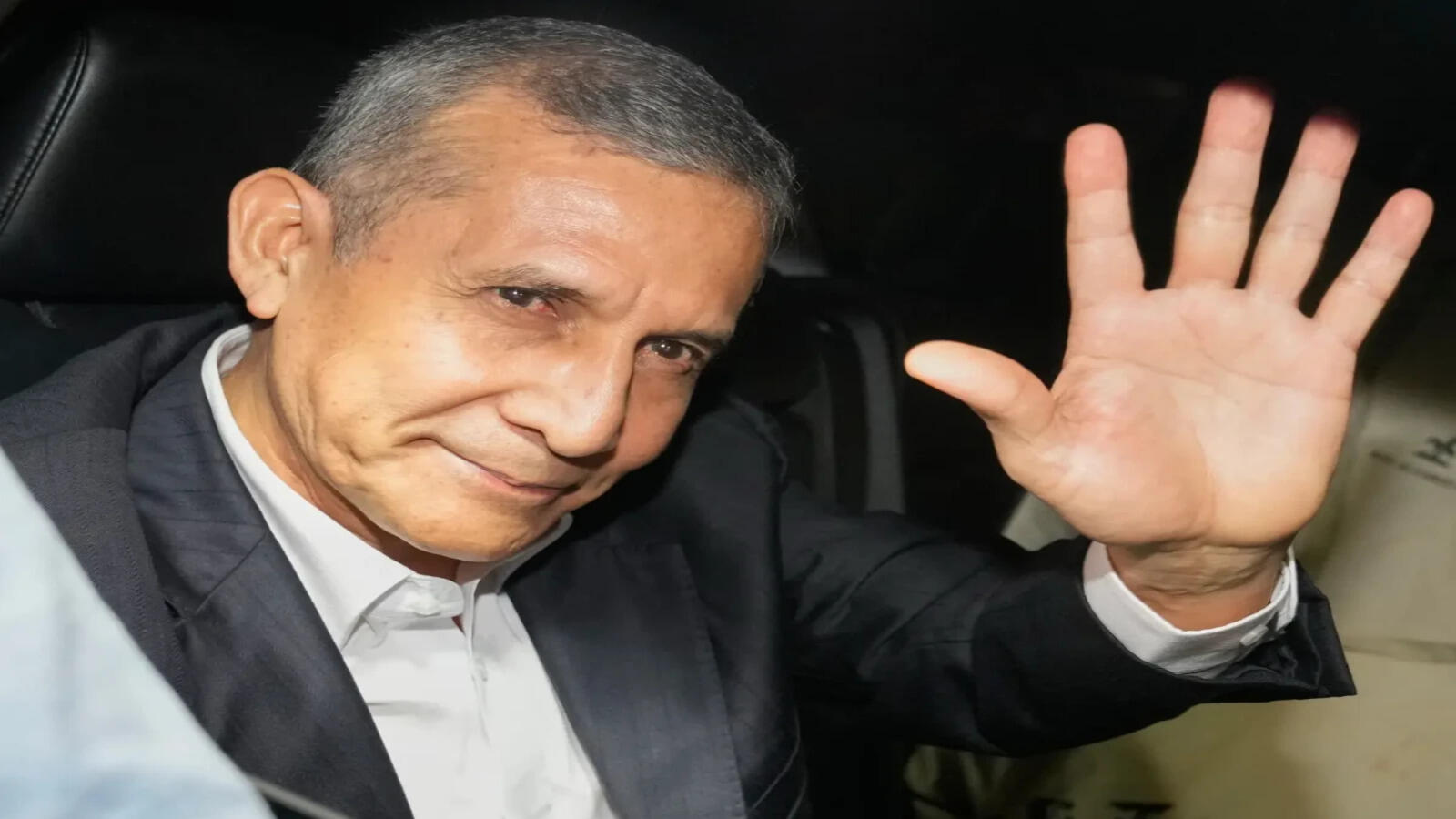
Antauro Humala is a Peruvian former army major and nationalist politician, best known as the founder and leader of the ethnocacerist movement. Born in Lima in 1963, he has spent decades advocating for a radical brand of nationalism rooted in indigenous identity and opposition to foreign influence. His political career has been defined by a 2005 uprising that led to his imprisonment, and by his continued activism after his release in 2022.
In 2023, Humala founded the political party ANTAURO, which he leads. The party was declared illegal by Peru's Supreme Court in November 2024, yet Humala remains an active and polarizing figure in Peruvian politics. He is the brother of former President Ollanta Humala, and his public persona is that of a fiery, anti-establishment provocateur with a loyal but niche following.
Early Life & Background
Antauro Humala was born on June 29, 1963, in Lima, Peru. He was the second of seven children in a family with a strong military tradition; his father, Isaac Humala, was a lawyer and a prominent leftist intellectual who instilled in his children a deep sense of nationalism and indigenous pride. Growing up, Antauro was exposed to his father's radical ideas, which would later shape his own political ideology.
He attended the Chorrillos Military School in Lima, where he trained as an army officer. After graduating, he served as an army major, gaining experience in counterinsurgency operations. During his military service, he developed a fascination with the Andean indigenous heritage and became increasingly critical of what he saw as the Peruvian elite's subservience to foreign powers. His views crystallized into a doctrine he called ethnocacerism, named after the 19th-century indigenous leader Andrés Avelino Cáceres, which called for a return to indigenous values and a rejection of Western influence.
By the early 2000s, Humala had retired from the army and was writing and speaking publicly about his ideas. He gained a small but devoted following among those who felt marginalized by Peru's political establishment. His rhetoric grew more confrontational, and he began to call for direct action to overthrow what he termed the 'corrupt' government. This set the stage for the dramatic events of January 2005.
Career Growth
Antauro Humala's political career took a dramatic turn on January 1, 2005, when he led a group of about 150 reservists in an attack on a police station in the Andean city of Andahuaylas. The uprising, which aimed to force President Alejandro Toledo's resignation, resulted in the deaths of four police officers and two of the rebels. Humala was captured and subsequently sentenced to 25 years in prison for homicide and rebellion.
While incarcerated, he continued to be a figurehead for the ethnocacerist movement, and his brother Ollanta Humala used the family's notoriety to launch a successful presidential bid in 2011. Antauro's release came on August 20, 2022, after a reduction in his sentence, a move that sparked both celebration among his supporters and concern among human rights groups.
Following his release, Humala quickly re-entered the political fray. In 2023, he founded the political party ANTAURO, positioning himself as its leader. The party aimed to capitalize on his nationalist platform, but in November 2024, Peru's Supreme Court declared it illegal, citing its anti-democratic and violent principles. Undeterred, Humala has continued to make public appearances and use social media to promote his ideas, though his political future remains uncertain.
Public Image & Style
Antauro Humala is a polarizing figure in Peruvian society. To his supporters, he is a fearless champion of indigenous rights and a symbol of resistance against a corrupt political class. To his detractors, he is a dangerous radical who glorifies violence and threatens democratic stability. The media often portrays him as a demagogue, with some outlets even drawing comparisons to Hitler, a label he rejects.
His public image is that of a firebrand: he speaks in a booming voice, uses confrontational rhetoric, and is unapologetic about his past actions. He has cultivated a following among disaffected youth and rural communities who feel left behind by globalization. His social media presence, particularly on Instagram, serves as a platform to broadcast his ideas and rally his base.
Humala's style is deliberately provocative; he often wears military fatigues and uses symbols of Andean culture. He presents himself as a man of the people, unafraid to challenge the elite. This image, while polarizing, has ensured that he remains a relevant and talked-about figure in Peruvian politics.
Fame & Fandom (iFAMOUS Rankings)
Antauro Humala remains a figure of intense polarization within Peru, defined less by global celebrity status and more by his role as a radical political insurgent. While his name appears frequently in regional news cycles regarding military insurrection and judicial rulings, he does not currently hold a placement in the iFANN Global Top 1,000 or any scope-specific top-100 lists. The iFANN Global Fame Engine has evaluated this profile, yet the subject is classified as EVALUATED_UNRANKED, indicating that despite significant media coverage and domestic notoriety, he lacks the requisite international consumption signals to secure a published ordinal position. This absence of a numerical rank reflects the specific nature of his influence: deeply entrenched in Peruvian ethnocacerist politics but lacking the broad, cross-border cultural footprint typical of globally ranked entertainers. Consequently, there is no formal fandom name documented for his supporters; his following is organized strictly through political affiliation rather than the fan rituals, collective nouns, or branded campaigns seen in pop culture. His supporters identify with the *Partido Etnocacerista*, though the Supreme Court declared this party illegal in November 2024, effectively dismantling its official structure. The public narrative surrounding him is one of conflict rather than adoration, characterized by legal battles, imprisonment, and the 2005 Chacabuco barracks uprising. Unlike stars whose legends are built on viral performances or artistic milestones, Humala's legacy consists of verified historical events involving armed rebellion and the subsequent decades-long incarceration that followed. His online presence is limited to political communication channels, and his brother, former President Ollanta Humala, has publicly distanced himself from these actions, further isolating Antauro from mainstream political acceptance.
Interesting Facts and Legends
Antauro Humala is known for his distinctive style, often appearing in military-style attire and utilizing a booming, theatrical speaking voice. He bears a tattoo of the Andean condor, a symbol of indigenous pride, and has authored several books while incarcerated, including 'El Ethnocacerismo' and 'La Nación Andina', which detail his political philosophy. An avid student of Peruvian history, he cites the 19th-century indigenous leader Andrés Avelino Cáceres as his primary inspiration and frequently quotes poet César Vallejo in his speeches. Despite his radical stance, he maintains a family life with his wife Ina Andrade and two children, serving as an uncle to the children of his brother Ollanta. His relationship with the press is notably contentious, often leading him to accuse journalists of belonging to a corrupt elite. The defining legend of his career stems from the January 19, 2005, military uprising at the Chacabuco barracks in Lima, where he led soldiers against the government, resulting in four deaths and his own wounding before surrender. Another pivotal chapter involves his nearly seventeen-year imprisonment, which ended only after the Peruvian Supreme Court granted him early release in August 2022. More recently, his political movement faced a final blow when the Supreme Court officially declared his party illegal in November 2024, cementing his status as a banned yet active polarizing figure in modern Peruvian history.
Family & Personal Life
Antauro Humala was born into a large family; he is the second of seven children. His father, Isaac Humala, was a lawyer and a prominent leftist intellectual who founded the 'Ethnocacerist' ideology. His mother, Elena Tasso, was a homemaker. His brother Ollanta Humala served as President of Peru from 2011 to 2016, a presidency that was often overshadowed by Antauro's legal troubles and outspoken criticism of the government.
Humala is married to Ina Andrade, and they have two children together. The family maintains a low profile, with little public information about their daily life. Despite his radical public persona, those close to him describe him as a devoted father and husband. His family has often been caught in the crossfire of his political activities; his wife has occasionally appeared at his side during public events, showing support.
Relationships & Dating History
Antauro Humala married Ina Andrade, a Peruvian woman of whom little is publicly known. The couple tied the knot in the early 1990s, before his military career took a political turn. They have two children together. During his long imprisonment, Ina remained a steadfast supporter, visiting him regularly and advocating for his release. As of 2026, the couple remains married, and Ina continues to appear by his side at public events.
There are no public records of other significant relationships in Humala's life. His marriage has been stable, and he has not been linked to any scandals involving romantic partners. His personal life is relatively private, with the focus always on his political activities.
- MarriedIna Andrade1993 - presentCurrentMarried in the early 1990s; she has been a constant supporter throughout his imprisonment and political career.
Salary, Net Worth In 2026
Information about Antauro Humala's net worth is scarce, as he has never held a high-paying public office and spent nearly two decades in prison. As of 2026, his net worth is estimated to be modest, likely under $100,000. His income sources are unclear; he may receive some royalties from his books and speaking engagements, but there is no public record of significant assets.
His family is not known to be wealthy, and his brother Ollanta's presidency did not result in public enrichment. Humala's focus has been on political activism rather than financial gain, and he has not been linked to any major business ventures. Given his lack of visible income and assets, his net worth is likely negligible.
Awards & Accolades
Known For
Ethnocacerist Movement
2000 · Founder and leader
Andahuaylas Uprising
2005 · Leader
ANTAURO Political Party
2023 · Founder and leader
Keywords
Sources
Quick Facts
- Profession
- military personnel, politician
- Born
- June 29, 1963
- Birthplace
- Lima, Peru
- Gender
- Male
- Spouse
- Ina Andrade
- Political Party
- ANTAURO
- Imprisoned
- 2005-2022
Personal Details
- Full Name
- Antauro Igor Humala Tasso
- Spouse
- Ina Andrade
Frequently Asked Questions
Who is Antauro Humala?
What did Antauro Humala do?
Is Antauro Humala's political party legal?
When was Antauro Humala released from prison?
Who is Antauro Humala's brother?
Social Media
Similar People
Join the community
fans discussing