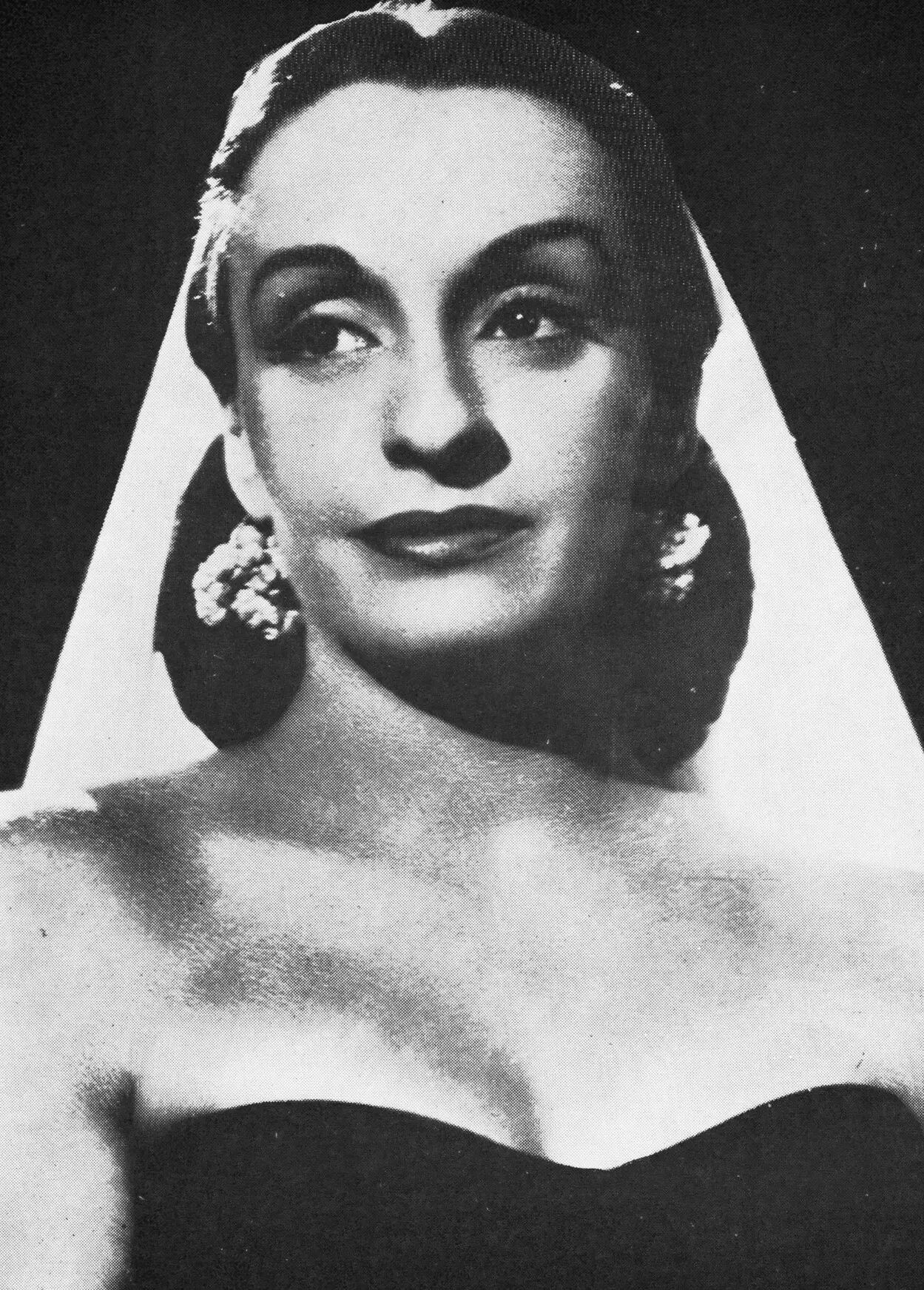
Andrea Palma
 Mexico
Also known as: Guadalupe Bracho Pérez-Gavilán
Birthday
April 16, 1903
Birth Sign
Aries
Birthplace
Victoria de Durango, Mexico
Age
Died at 84
About
Andrea Palma, born Guadalupe Bracho Pérez-Gavilán on April 16, 1903, in Victoria de Durango, Mexico, was a pioneering Mexican actress widely regarded as the first major female star of Mexican cinema. Her career spanned over four decades, during which she appeared in more than 60 films and numerous television productions, demonstrating remarkable versatility and emotional depth that established her as a beloved figure in Latin American cinema. She is remembered as the "First Diva of Mexican and Latin American Cinema." Palma died on November 11, 1987, in Mexico City at the age of 84, leaving a legacy that inspired generations of actresses and continues to be celebrated through retrospectives and screenings of her influential work.
Early Life & Background
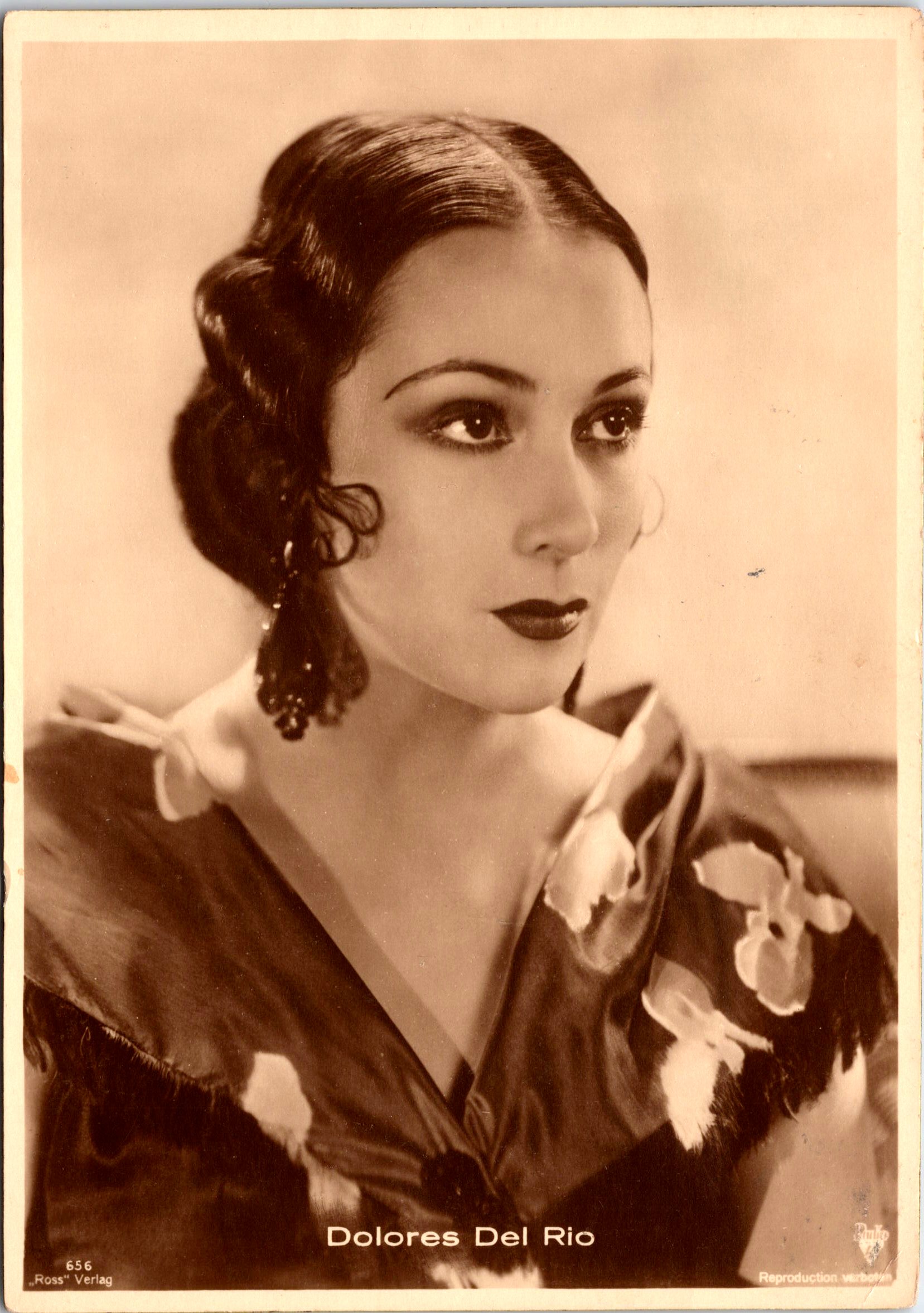
Guadalupe Bracho Pérez-Gavilán was born into a prominent family on April 16, 1903, in Victoria de Durango, Mexico. She was one of eleven children born to Julio Bracho Zuloaga, a wealthy landowner and textile factory owner whose fortune was lost during the Mexican Revolution. Her brother was the acclaimed film director Julio Bracho, and her cousins included Hollywood actors Ramon Novarro and Dolores del Río. The family later relocated to Mexico City, where Andrea developed an early interest in theater, fashion, and hat design. She entered the hat business in the early 1920s, opening her own shop named Casa Andrea, from which she took her professional first name. Her last name, Palma, was adopted from one of her clients, Mrs. Palma. Palma's initial foray into acting occurred unexpectedly when she replaced a pregnant friend, actress Isabela Corona, in a theater production. She later traveled to the United States, where she had minor roles in films featuring her cousins and worked as a hat and makeup consultant for Marlene Dietrich. These experiences abroad significantly shaped her acting style and provided her with invaluable industry insights.
Career Growth
Palma's breakthrough came in 1934 with the film La Mujer del Puerto (The Woman of the Port), where her portrayal of a woman forced into prostitution captivated audiences and firmly established her as a dramatic actress. She drew inspiration for this pivotal performance from Marlene Dietrich's distinctive style. Following this success, she was hailed as the "First Diva of Mexican and Latin American Cinema." Over the subsequent decades, she continued to grace the screen in over 60 films and numerous television productions, consistently showcasing her remarkable versatility and emotional depth. After her marriage and a period spent in Spain, she returned to Mexico and increasingly specialized in compelling character roles. Her later work included critically acclaimed performances in films such as El esqueleto de la señora Morales (1960) and Los cuervos están de luto (1965), solidifying her enduring presence in cinema until the late 1970s.
Career Timeline
Public Image & Style
Andrea Palma was celebrated for her striking elegance and profound dramatic intensity on screen, earning her the title "First Diva of Mexican and Latin American Cinema." Often compared to Marlene Dietrich, whose sophisticated style she admired and emulated, Palma's performances were consistently marked by deep emotional resonance. She became an enduring symbol of strong, complex female characters in Mexican cinema, adored by fans for her versatility across a wide range of roles, from tragic heroines to nuanced comedic portrayals. Beyond her acting prowess, Palma was also a recognized fashion icon, renowned for her chic hats and sophisticated wardrobe, often designing her own costumes. Her public persona was that of a dedicated and serious artist, earning her immense respect from both peers and critics throughout her career.
Fame & Fandom (iFAMOUS Rankings)
Andrea Palma's audience has never organized under a single banner or digital handle. While the Golden Age of Mexican cinema sparked fervent devotion, modern documentation reveals no formal fan clubs, viral hashtags, or active social media campaigns dedicated to her memory today. Retrospective tributes from figures like Angélica Vale celebrate her influence, yet these remain acknowledgments of legacy rather than evidence of an ongoing, self-identifying fandom structure. Consequently, her admirers exist as a dispersed collective without a unified name. In the landscape of global celebrity metrics, Andrea Palma is currently evaluated but holds no placement in the published Global Top 1,000 rankings. The iFANN system confirms this absence of a specific ordinal position within the top scope lists for August 2026. This status reflects her standing as a historical icon whose fame peaked decades ago, distinguishing her from contemporaries who maintain current algorithmic traction. While she does not appear on the Global Top 1,000 list, her enduring cultural footprint ensures she remains a significant figure in Latin American history. Her career spanned over four decades, creating a body of work that resonates through film retrospectives and academic study rather than real-time search volume spikes. The distinction between living popularity and historical importance defines her current metric profile. She remains a pivotal figure in cinema, even if she lacks a numerical rank in the contemporary global hierarchy.
Interesting Facts and Legends
Andrea Palma adopted her professional first name from her hat shop, Casa Andrea, while taking her surname from a client. One of eleven children, she shared a close professional bond with her brother, director Julio Bracho, who cast her in several films. Her fashion sense was impeccable; she often designed her own costumes and maintained a reputation for generosity by tipping crew members lavishly. Despite her towering fame, she remained humble throughout her life. A lesser-known chapter involves her friendship with actress Isabela Corona, whom Palma replaced in her first theater role. Perhaps most surprisingly, she served as a stunt double for Marlene Dietrich in the 1932 film Blonde Venus, bridging two cinematic worlds before establishing her own stardom. The defining legend of her career centers on her performance as Rosario in the 1934 film La Mujer del Puerto. This role catapulted her to prominence, earning her the title of the first diva of Mexican cinema. Critics and historians cite this performance as the moment she established herself as a symbol of complex female strength. Her versatility extended beyond drama, including a memorable turn in Tarzan and the Mermaids. These roles cemented her status as a beloved figure whose emotional depth set a standard for generations of actresses to follow.
Family & Personal Life
Andrea Palma was born into a prominent family; her father Julio Bracho Zuloaga was a wealthy landowner, but the Mexican Revolution wiped out the family fortune. Her brother Julio Bracho became a celebrated film director, and her cousins included Ramon Novarro and Dolores del Río. She married actor Enrique Díaz Indiano, and the couple had no children. Palma was known to be very close to her siblings, especially Julio, who directed her in several movies. She often spoke fondly of her family in interviews, crediting them for her early exposure to the arts and her formative experiences.
Notable Connections
Andrea Palma was associated with several notable figures in the entertainment industry. Her brother Julio Bracho was a prominent film director who directed her in multiple projects. Her cousins Ramon Novarro and Dolores del Río were Hollywood stars. She worked closely with Marlene Dietrich, serving as her stunt double and consultant. Her husband, Enrique Díaz Indiano, was an actor. She also had a close friendship with actress Isabela Corona, who was instrumental in her early theater career.
Relationships & Dating History
Andrea Palma was married to fellow actor Enrique Díaz Indiano. The couple exchanged vows in the 1930s and remained devoted partners until her passing in 1987. They did not have any children together. Their marriage was reportedly a stable and supportive union, with Díaz Indiano frequently accompanying her to film premieres and industry events. Palma was known to be deeply committed to her husband, and they shared a mutual passion for the arts. Public records do not indicate any other significant romantic relationships in her life.
- MarriedEnrique Díaz Indiano1932 - 1987They were married for over five decades until her death.
Death & Aftermath
Died
November 11, 1987 (aged 84)
Death Place
Mexico City
Cause of Death
Unknown
Andrea Palma spent her final years in Mexico City, a city that had served as the center of her career for over four decades. On November 11, 1987, the pioneering actress passed away at the age of 84 within the capital. Official records do not specify a medical cause or detail an autopsy, leaving the exact circumstances of her passing undocumented beyond the date and location. The industry reacted with immediate recognition of her status as one of the great divas of Mexican cinema. Tributes highlighted her role as the first major female star, a title earned through her work in films like La Mujer del Puerto. While specific details regarding fan vigils or memorial services remain absent from available accounts, institutions such as Televisa have honored her legacy in later years.
She was laid to rest in Mexico City, though the specific cemetery remains unconfirmed in public records. Her filmography continued to grace screens long after her passing, cementing her place in the Golden Age of Mexican Cinema. Retrospectives and database entries now preserve her memory alongside titles like Tarzan and the Mermaids and The Adventuress. Hall-of-fame listings and film historians continue to celebrate her versatility and emotional depth. The handling of her estate by family members was never released publicly, but her artistic contributions remain the primary focus of posthumous remembrance.
Net Worth (Estate Value)
As Andrea Palma passed away in 1987, detailed records of her net worth are not publicly available. During her extensive career, she generated income from her numerous film and television roles, as well as from her earlier entrepreneurial venture with her hat business, Casa Andrea. However, specific financial figures from that period are scarce. Her estate may have benefited from the continued appreciation and exhibition of her classic films, which are still regularly shown on Mexican television and at cinematic retrospectives. There is no current public estimate of her estate's value, but her artistic and cultural legacy in Mexican cinema is considered invaluable.
Awards & Accolades
Known For
La Mujer del Puerto
1934 · Rosario
El esqueleto de la señora Morales
1960 · Señora Morales
Los cuervos están de luto
1965 · Doña Refugio
Keywords
Sources
Quick Facts
- Profession
- Actress
- Born
- April 16, 1903
- Birthplace
- Victoria de Durango, Mexico
- Died
- November 11, 1987
- Death Place
- Mexico City, Mexico
- Gender
- Female
- Spouse
- Enrique Díaz Indiano
- Birth Sign
- Aries
Personal Details
- Full Name
- Guadalupe Bracho Pérez-Gavilán
- Spouse
- Enrique Díaz Indiano
Filmography
60
Total
50
Film
10
TV
Frequently Asked Questions
Who was Andrea Palma?
What was Andrea Palma's most famous role?
When did Andrea Palma die?
Who was Andrea Palma married to?
What was Andrea Palma's net worth?
Similar People
Join the community
fans discussing