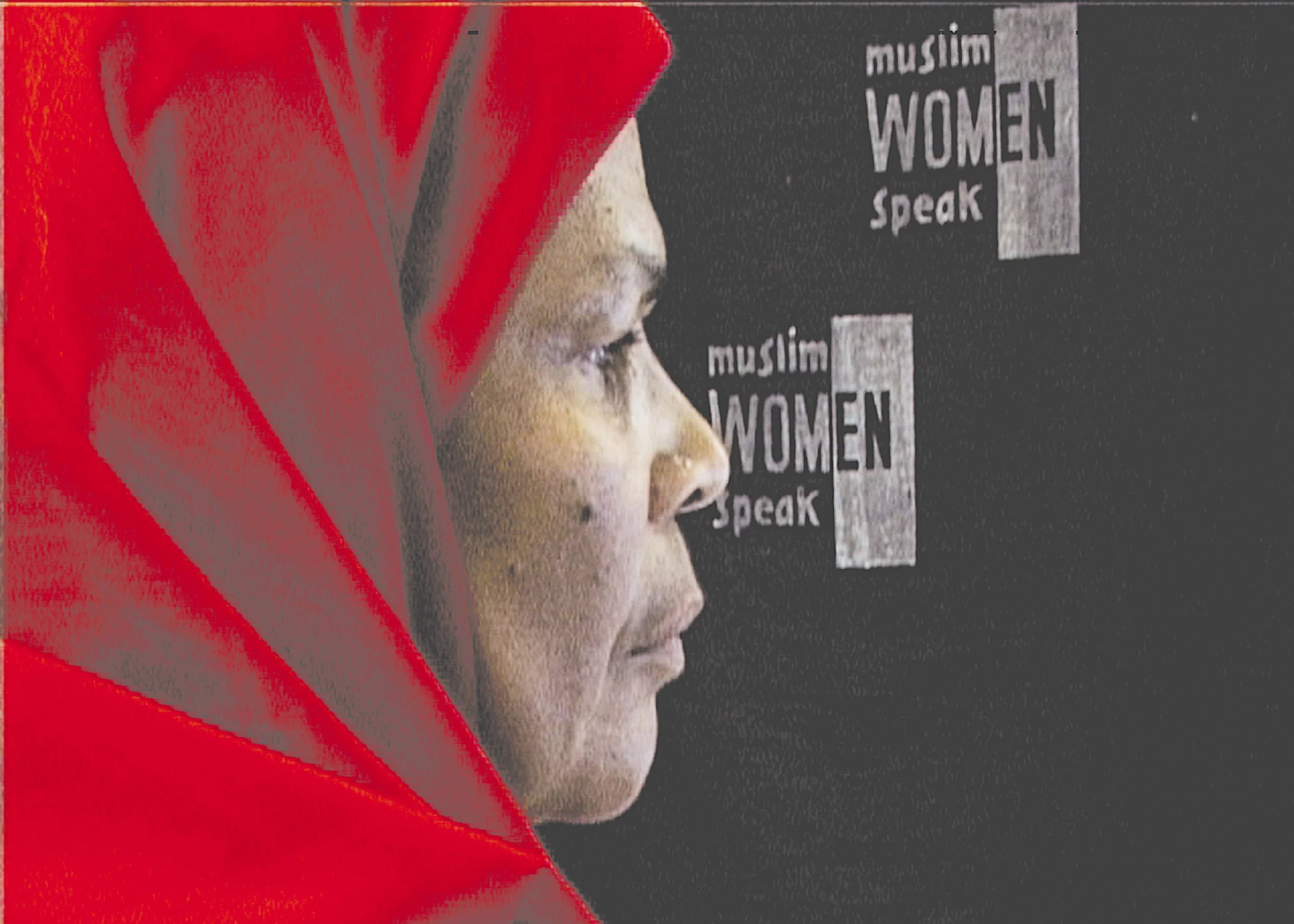
Amina Wadud
 Malaysia
Islamic scholar•theologian•activist
Also known as: Mary Teasley, Lady Imam
Birthday
September 25, 1952
Birth Sign
Libra
Birthplace
Bethesda, Maryland, USA
Age
74 years old
About
Amina Wadud is an American Islamic scholar, theologian, and activist, widely regarded as a foundational figure in Islamic feminism. Born Mary Teasley in Bethesda, Maryland, she converted to Islam in 1972 and has since dedicated her life to reinterpreting the Quran through a gender-just lens. Her seminal book, Qur'an and Woman (1992), challenged patriarchal readings of scripture and remains a cornerstone of feminist theology. In 2005, she made global headlines by leading a mixed-gender Friday prayer in New York, a bold act that sparked intense debate and solidified her reputation as a reformer.
Today, Wadud is Professor Emeritus at Virginia Commonwealth University and continues to travel worldwide as a lecturer and facilitator, often referred to as the "Lady Imam." Her work bridges academic rigor and grassroots activism, focusing on gender justice, LGBTQ+ inclusion, and interfaith dialogue. She has held visiting positions at Syracuse University and Starr King School for the Ministry, and her influence extends across Muslim communities and beyond.
Early Life & Background
Born into a Methodist African-American family, Amina Wadud grew up in Bethesda, Maryland, where her father served as a minister. She attended the University of Pennsylvania, graduating in the early 1970s. During her time there, she converted to Islam in 1972, a decision that shaped her life's work. She then pursued Arabic and Islamic studies, studying in both the United States and Egypt, and earned a PhD in Arabic and Islamic Studies from the University of Michigan. Her early academic career included teaching at the International Islamic University in Malaysia from 1989 to 1992, where she began developing her feminist approach to Quranic interpretation.
Career Growth
Wadud's breakthrough came with the 1992 publication of Qur'an and Woman, which offered a fresh, woman-centered reading of the sacred text. This book established her as a leading voice in Islamic feminism and opened doors to global speaking engagements. In 2005, she led the first publicly known mixed-gender Friday prayer in the United States, an event that drew both fierce criticism and support. Following this, she continued to teach at Virginia Commonwealth University, becoming Professor Emeritus, and held visiting roles at Syracuse University and Starr King School for the Ministry. Her later work includes co-founding the group "Daughters of Hajar," which advocates for inclusive Islamic practice, and she remains active as a lecturer and facilitator into 2026.
Career Timeline
Public Image & Style
Amina Wadud is perceived as a fearless pioneer in Islamic feminism, often described as a "rock star" among progressive Muslims. Her public image is that of a scholar-activist who challenges orthodoxy with intellectual rigor and moral conviction. She is known for her calm, articulate speaking style and her willingness to engage in difficult conversations. Her persona resonates with those advocating for gender equality and religious reform, and she is often invited to interfaith and academic forums. While not a celebrity in the traditional sense, she commands a dedicated following within activist and scholarly circles.
Fame & Fandom (iFAMOUS Rankings)
Amina Wadud stands as a towering figure in the realm of Islamic scholarship and gender activism, her influence rippling through academic circles and progressive religious communities worldwide. Her legacy is defined not by chart positions or pop-culture metrics, but by the seismic shift she initiated in theological discourse. As of August 2026, iFANN's Global Fame Engine has evaluated this person, but they do not currently hold a placement in the published rankings (Global Top 1,000 or a Top-100 scope list). This absence from a numerical ranking reflects her unique position: a scholar whose fame transcends standard celebrity scales, rooted instead in profound intellectual impact rather than mass media consumption. While she lacks a formal fandom name, her following is a dedicated coalition of scholars, students, and activists who engage with her work through rigorous study and advocacy rather than fan clubs or social media campaigns. Her supporters are best described as a global network of thinkers who gather for lectures and debate her interpretations of scripture. The most iconic moment in her public mythology remains the 2005 mixed-gender prayer service, an event that redefined the boundaries of female leadership in Islam and continues to be retold as a pivotal historical milestone. Unlike entertainment figures driven by viral trends, Wadud's
Interesting Facts and Legends
Wadud has described herself as a "wandering soul" searching for a community of like-minded Muslims, a sentiment she has expressed in interviews. She is known to have practiced both Salafism and Sufism at different points in her life. In 2005, her prayer leadership was so controversial that she received death threats, yet she continued her advocacy. She has also been featured in the Outwords Archive, which documents LGBTQ+ elders, highlighting her support for queer Muslims. Wadud often emphasizes that "without women, you cannot understand the Quran," a phrase she has used in lectures.
Notable Quotes
“Without women, you cannot understand the Qur'an.”
“I came to Penn in 1970 as Mary Teasley.”
“I am a wandering soul, searching for a tribe of like-minded Muslims.”
Family & Personal Life
Details about Amina Wadud's family are limited in public sources. She was raised in a Methodist household, with her father serving as a minister. She has spoken about her experience as a single mother, though she has not publicly shared the names or number of her children. Her family background and personal life have largely been kept private, with Wadud focusing public attention on her scholarly and activist work.
Notable Connections
Amina Wadud is associated with the movement of Islamic feminism, alongside scholars like Leila Ahmed and Asma Barlas. She has collaborated with interfaith organizations and progressive Muslim groups, and her work has been discussed in academic circles and media outlets such as Al Jazeera and The New Arab.
Relationships & Dating History
Amina Wadud has kept her personal relationships largely private. Public records and interviews indicate she has never been married and has raised children as a single mother. She has not publicly discussed any romantic partners or dating history. As of 2026, she remains single, dedicating her life to her scholarly and activist work.
Salary, Net Worth In 2026
$2 Million
iFANN Editorial Team estimate
As a retired academic and independent scholar, Amina Wadud's net worth remains modest compared to celebrities. Her income derives from academic salaries, book royalties, and lecture fees. Her book Qur'an and Woman has been widely translated and continues to sell, contributing to her financial stability. Per iFANN's editorial analysis, as of 2026, her net worth is estimated at around $2 Million, accumulated through decades of teaching and speaking engagements. She does not engage in business ventures or endorsements, and her lifestyle reflects a focus on scholarship rather than material wealth.
Awards Won (1)
Amina Wadud has received honorary doctorates and recognition from academic and activist organizations for her contributions to Islamic feminism and gender justice. While she has not won competitive awards like Oscars, her work has been honored by institutions such as the Political Research Associates and the Outwords Archive.
2010 · Honorary Degree
Contribution to Islamic Studies
Known For
Qur'an and Woman
1992 · Author
Mixed-gender Friday prayer leadership
2005 · Leader
Keywords
Sources
Quick Facts
- Profession
- Islamic scholar, theologian, activist
- Born
- September 25, 1952
- Birthplace
- Bethesda, Maryland, USA
- Birth Sign
- Libra
- Education
- PhD in Arabic and Islamic Studies, University of Michigan
Personal Details
- Full Name
- Mary Teasley
- Children
- Not publicly disclosed
- Education
- PhD in Arabic and Islamic Studies, University of Michigan; BA from University of Pennsylvania
Frequently Asked Questions
What is Amina Wadud's birth name?
Did Amina Wadud lead the first mixed-gender prayer?
Is Amina Wadud married?
What is Amina Wadud's most famous book?
Where did Amina Wadud study?
Social Media
Similar People
Join the community
fans discussing