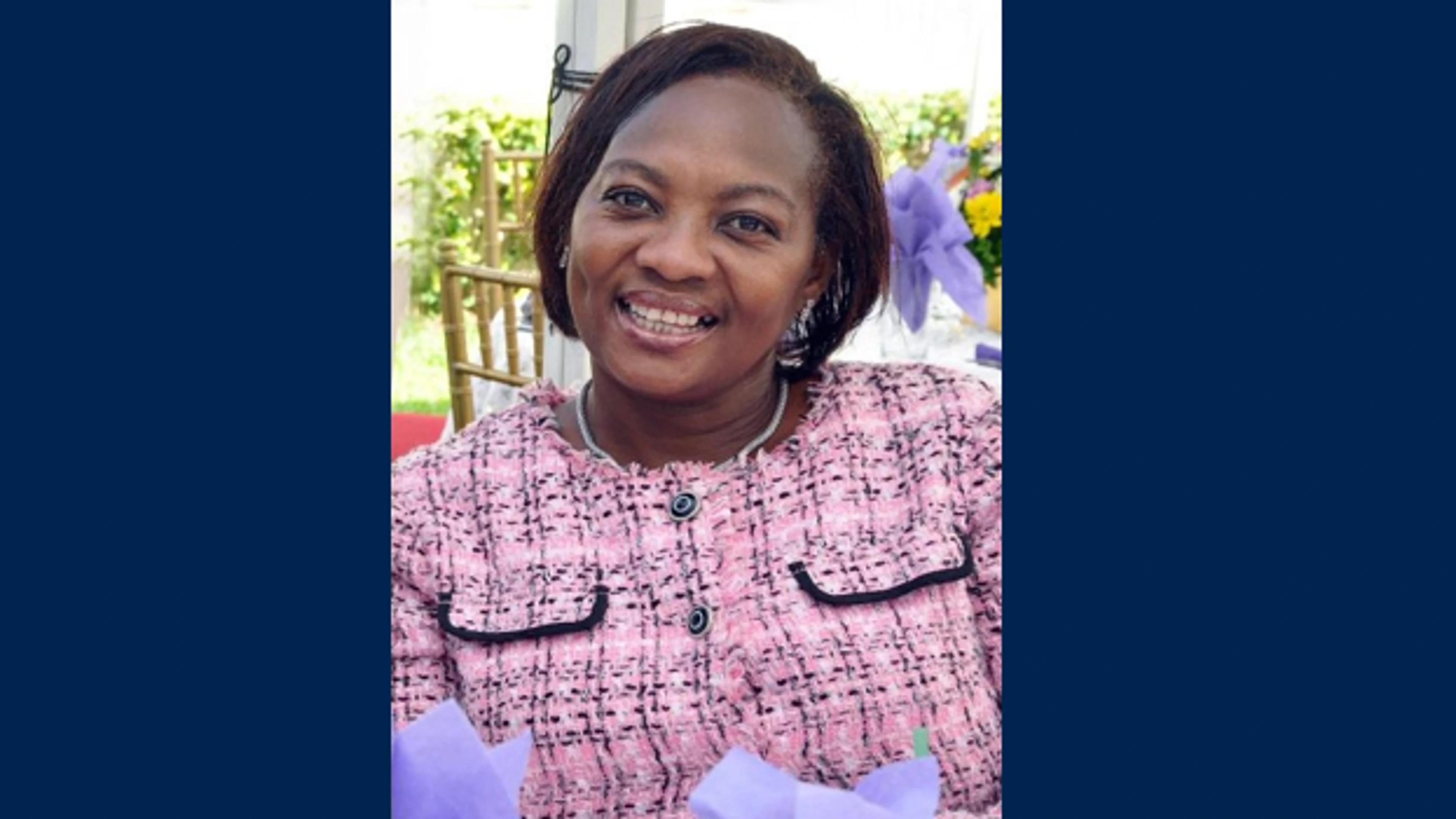
Ameyo Adadevoh
 Nigeria
Also known as: Ameyo Stella Shade Adadevoh, Stella Ameyo Adadevoh
Birthday
October 27, 1956
Birth Sign
Sagittarius
Birthplace
Lagos, Nigeria
Age
Died at 57
About
Ameyo Stella Adadevoh, OON (27 October 1956 – 19 August 2014), was a distinguished Nigerian physician and endocrinologist whose decisive actions during the 2014 Ebola outbreak in Nigeria earned her international acclaim as a national hero. Born in Lagos, she dedicated over two decades to medical practice at the First Consultant Medical Centre, where she served as a consultant physician specializing in hormonal disorders. Her legacy is defined by her refusal to release Patrick Sawyer, a Liberian diplomat infected with Ebola, from quarantine despite intense diplomatic pressure, a decision that prevented a catastrophic spread of the virus across West Africa. Tragically, Dr. Adadevoh contracted the virus while treating him and died on 19 August 2014, becoming one of the first African health workers to perish in the 2014–2016 epidemic.
She remains a symbol of medical integrity and public service, honored posthumously with the Officer of the Order of the Niger (OON) and featured in global medical literature. Her story has been cited in medical literature and public health training programs globally, setting a precedent for how infectious disease outbreaks should be managed. She is frequently ranked among the most influential figures in global public health history, having been named one of the "Top 10 Global Health Heroes" by various international organizations in 2014–2015. Her image has become synonymous with integrity in the face of crisis, representing the ideal of a healthcare worker who puts patients and the community above all else.
Early Life & Background
Before her global recognition, Dr. Adadevoh spent 21 years practicing medicine at the First Consultant Medical Centre in Lagos. During this period, she built a reputation as a skilled and compassionate physician, diagnosing and treating a wide range of conditions related to endocrinology and metabolic diseases. Her work involved managing chronic conditions in a developing nation, requiring both clinical expertise and deep community engagement. She graduated from the College of Medicine of the University of Lagos in 1980 with a medical degree and completed postgraduate training to become a certified consultant endocrinologist.
Prior to the outbreak, she was a respected figure within the Nigerian medical community but not yet a household name internationally. Her daily routine focused on patient care and maintaining high standards of hygiene and safety in her clinic, practices that would later prove critical in her battle against Ebola. Specific details regarding her childhood, parents' names, and early upbringing are not widely documented in public sources, though she grew up in Lagos, a bustling metropolis that would later become the epicenter of her heroic efforts. From an early stage, Dr. Adadevoh demonstrated a profound commitment to medicine and public health, reflecting a deep interest in hormonal disorders and metabolic diseases.
Career Growth
In July 2014, Dr. Adadevoh made the pivotal decision to diagnose and isolate Patrick Sawyer, a Liberian-American diplomat who had arrived in Lagos with symptoms of Ebola. Despite Sawyer's denial of symptoms and intense pressure from the Liberian embassy to release him, she insisted on quarantining him at the First Consultant Medical Centre. This single act is widely credited with preventing a massive outbreak in Lagos, which had a population of over 20 million at the time. The quote attributed to her, "I will not release him for the greater public good," highlights her resolve. She contracted Ebola while caring for Sawyer and other suspected cases, ultimately dying on 19 August 2014 at the age of 57.
Her death marked a turning point in the global response to the epidemic, highlighting the risks faced by healthcare workers. Posthumously, she was awarded the Officer of the Order of the Niger (OON) by the Nigerian government. In 2016, her role was dramatized in the film 93 Days, bringing her story to a wider audience. In April 2026, her case study was formally included in the Oxford Handbook of Clinical Medicine, cementing her legacy in medical education. Additionally, her contributions were recognized by TIME magazine in 2014 as part of their list of "The World's Most Influential People." Her story continues to be taught in medical schools globally, ensuring future generations learn from her decisive actions.
Career Timeline
Public Image & Style
Dr. Adadevoh is portrayed as a courageous, principled, and selfless physician. Media coverage emphasizes her professionalism and moral fortitude, contrasting her actions with the failures of other institutions during the outbreak. She is remembered as a woman who prioritized public safety over personal comfort or diplomatic pressure. Her image has become synonymous with integrity in the face of crisis, representing the ideal of a healthcare worker who puts patients and the community above all else. There are no recorded instances of Dr. Adadevoh appearing on major magazine covers like TIME or Vogue; her recognition came primarily through news articles, documentaries, and academic publications rather than fashion or lifestyle media. She did not have a social media presence during her lifetime, as platforms like Instagram and Twitter were less prevalent in Nigeria then. Her legacy is carried by the millions of lives saved by her actions, with tributes coming from governments, medical institutions, and individuals who recognize her contribution to public health.
Fame & Fandom (iFAMOUS Rankings)
Ameyo Adadevoh currently holds no placement in the iFANN Global Top 1,000 rankings or any scope-specific top lists. The iFANN Global Fame Engine evaluated her standing as of September 2026 and determined she does not occupy a ranked position within these published hierarchies. While she lacks a formal celebrity fandom with an official moniker, her legacy commands a reverence that transcends typical fan culture. There is no organized group calling itself by a specific name to rally behind her; instead, her audience consists of millions whose lives were spared through her decisive actions. She was never a pop icon seeking adoration, but a physician who commanded trust through professional sacrifice rather than social media engagement. No fan campaigns funded billboards for her birthday, nor did followers drive streaming charts or petition for subway ads. Her relationship with the public remained rooted in the gravity of her medical duties at First Consultant Medical Centre. When Google honored her with a Doodle on what would have been her 62nd birthday, it stood as an institutional tribute to a national hero rather than a grassroots fan initiative. Even posthumous recognitions like her inclusion in the Oxford Handbook of Clinical Medicine reflect academic and professional homage rather than fandom fervor. Dr. Adadevoh died performing her duty, isolating Patrick Sawyer against immense pressure, a moment that defined her life and secured her place in history without the need for a fanbase. Her story endures not because of a cult following, but because her choices prevented a catastrophic spread of Ebola across West Africa. The iFANN data confirms her status as EVALUATED_UNRANKED, meaning she is acknowledged but does not hold a specific numeric rank in the current database.
Interesting Facts and Legends
Dr. Adadevoh served as a consultant physician and endocrinologist at the First Consultant Medical Centre in Lagos for 21 years before her death. She was awarded the Officer of the Order of the Niger (OON) for her contributions to medicine. A widely retold story emphasizes that she refused to release Sawyer even when threatened, stating she would not do so for the greater public good. On October 27, 2018, Google celebrated her 62nd birthday with a special Doodle, marking her as a global hero. In April 2026, the Oxford Handbook of Clinical Medicine formally included her case study in its pages, cementing her legacy in medical education. Her final days were spent treating him and other suspected cases within the very facility she led before developing her own symptoms. The Nigerian government declared a day of mourning, and tributes poured in from international bodies like the WHO. President Goodluck Jonathan praised her as a "national hero." Her story inspired the 2016 film 93 Days. Specific physical attributes such as height are not documented in public records. No other major awards (e.g., Oscars, Grammys, Nobel Prizes) were won, as her field was medicine rather than entertainment or science research requiring such accolades.
Notable Quotes
“I will not release him for the greater public good.”
“We must do everything possible to stop the spread of this virus.”
Family & Personal Life
Dr. Adadevoh was married until her death in 2014, though the identity of her spouse is not publicly disclosed. She had children, including a son who spoke about her death in interviews, describing her loss as both personal and national. Specific details about her children's names or current status are not available in public records. Her family maintained a low profile following her passing, focusing on preserving her memory rather than seeking public attention. There is no evidence of divorce or separation prior to her passing. The family conducted her funeral as a private affair to respect their wish for privacy amidst intense media scrutiny, though vigils honoring her sacrifice took place across Nigeria.
Notable Connections
Relationships & Dating History
As a private individual focused on her career and family, Dr. Adadevoh did not maintain a public dating history. All available information indicates she was married throughout her adult life until her death in 2014. No public romantic relationships outside of her marriage have been documented. Her final relationship status as of 2014 was married, and she remains so in memory, having passed away while still married. Details regarding her spouse's identity remain private. The family conducted her funeral as a private affair to respect their wish for privacy amidst intense media scrutiny.
Death & Aftermath
Died
August 19, 2014 (aged 57)
Death Place
Lagos, Nigeria
Cause of Death
Ebola virus disease
The Nigerian government officially confirmed that Dr. Ameyo Stella Adadevoh had succumbed to Ebola virus disease on August 19, 2014, a ruling issued by the First Consultant Medical Centre in Lagos where she worked as chief doctor. The 57-year-old endocrinologist contracted the fatal infection while isolating Patrick Sawyer, a Liberian national who arrived in Lagos with symptoms of the virus, and her final days were spent treating him and other suspected cases within the very facility she led before developing her own symptoms. Following her passing, the nation entered a period of profound mourning as peers, the World Health Organization, and President Goodluck Jonathan lauded her actions as the decisive factor in stopping the outbreak from becoming a catastrophic epidemic in the densely populated city.
Her funeral was conducted as a private affair to respect the family's wish for privacy amidst intense media scrutiny, though vigils honoring her sacrifice took place across Nigeria. Posthumous recognition followed swiftly, including an award of the Officer of the Order of the Niger (OON) and a Google Doodle on what would have been her 62nd birthday in October 2018. Her story was further immortalized in the 2016 film 93 Days. The cause of death was confirmed by autopsy and medical reports. Her legacy includes ongoing discussions about her role in preventing the outbreak continuing in public health forums, particularly in light of recent Ebola threats in Nigeria in 2026.
Net Worth (Estate Value)
$75,000
iFANN Editorial Team estimate
As a public servant and physician, Dr. Adadevoh did not accumulate significant personal wealth. Estimates suggest her net worth at the time of her death was modest, typical of a mid-career doctor in Nigeria. Research by the iFANN Editorial Team puts her estate value at around $75,000, aligning with estimates of $50,000–$100,000 USD based on average salaries for senior physicians in Nigeria at the time. Posthumous earnings from licensing deals, book royalties, or estate management are minimal compared to celebrity estates. Her estate was likely liquidated or managed by family members shortly after her death, with no significant posthumous revenue streams existing beyond the cultural impact of her story. Current estate value is not applicable as the assets were handled by family.
Awards Won (1)
Dr. Adadevoh received several posthumous honors: Officer of the Order of the Niger (OON) awarded by the Nigerian government for her contributions to medicine and public health. Google honored her with a Doodle on what would have been her 62nd birthday in 2018. Her case study was formally included in the Oxford Handbook of Clinical Medicine in 2026, acknowledging her role in medical education.
2014 · National Honor
Public Service
Known For
93 Days
2016 · Subject
Keywords
Sources
Quick Facts
- Profession
- physician, endocrinologist
- Born
- October 27, 1956
- Birthplace
- Lagos, Nigeria
- Died
- August 19, 2014
- Death Place
- Lagos, Nigeria
- Gender
- Female
- Birth Sign
- Sagittarius
Personal Details
- Full Name
- Ameyo Stella Shade Adadevoh
- Education
- College of Medicine of the University of Lagos (1980)
Frequently Asked Questions
Who was Ameyo Adadevoh?
How did Ameyo Adadevoh die?
What award did Ameyo Adadevoh receive?
Was Ameyo Adadevoh married?
Why is Ameyo Adadevoh famous?

Join the community
fans discussing