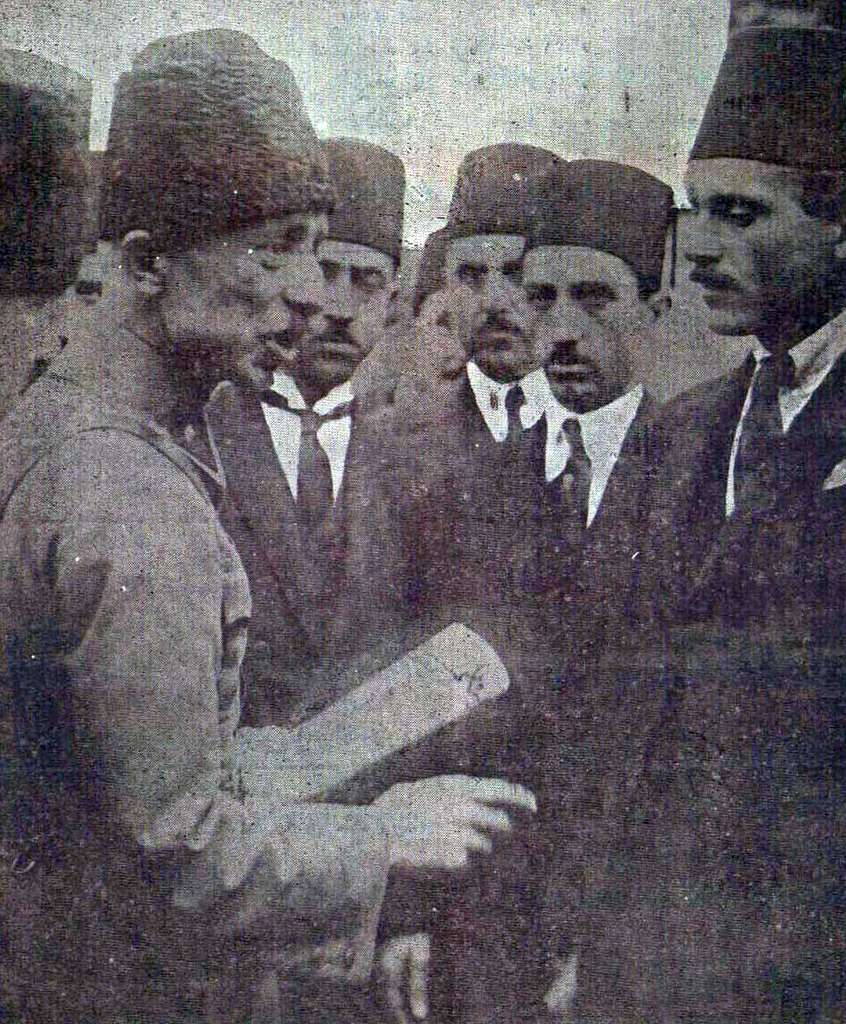
Ali Sami Yen
 Turkey
association football player•association football coach
Also known as: Ali Sami Frashëri
Birthday
May 20, 1886
Birth Sign
Taurus
Birthplace
Istanbul, Ottoman Empire
Age
Died at 65
About
Ali Sami Yen, born Ali Sami Frashëri, was a pioneering figure in Turkish sports history and the founding father of Galatasaray Sports Club. Born in Istanbul in 1886, he dedicated his life to athletics, serving as a player, coach, and influential administrator during the transition from the Ottoman Empire to the Republic of Turkey. His vision extended beyond individual games; he was instrumental in establishing organized multi-sport infrastructure in the region.
He is best remembered for founding Galatasaray in 1905 while still a student, creating what would become one of the most successful sports organizations in Turkey. Although he passed away in 1951, his legacy endures through the club's continued dominance and the cultural rituals surrounding his memory. The stadium that served as the club's home for over four decades bore his name, and his influence remains a central pillar of Turkish football identity.
Early Life & Background
Born Ali Sami Frashëri in 1886, he entered the world in Istanbul during the twilight years of the Ottoman Empire. His family background provided a foundation of intellectualism; his father, Sami Frashëri, was a renowned Albanian-Ottoman writer and scholar known for his contributions to literature and national identity. Growing up in this environment instilled in young Ali a deep appreciation for education and civic responsibility. He attended Galatasaray High School, an institution that would play a pivotal role in shaping his future.
While many students focused solely on academic pursuits, Ali found his passion in athletics. By the early 1900s, organized sports were in their infancy in the region, yet he saw potential where others saw only recreation. In 1905, at the age of 19, he took decisive action. Gathering a group of friends, including Reşat Ekrem Koçu, in the courtyard of his high school, he proposed the formation of a formal sports organization. This meeting marked the birth of Galatasaray Sports Club. At the time, this was a radical idea that challenged the status quo of amateur pastimes. He did not wait for permission or established structures; he simply created them. This moment of initiative set the trajectory for his entire life, transforming him from a student with a hobby into the founder of a national institution.
Career Growth
On October 20, 1905, Ali Sami Yen officially founded Galatasaray Sports Club and immediately assumed the role of its first president. He also served as the team's inaugural captain, leading the squad in its formative matches. During his tenure as president from 1905 to 1918, he worked tirelessly to establish the club's structure and rules, organizing the first football matches played in Turkey. His leadership ensured the club survived the turbulent political shifts of the early 20th century.
Following his initial presidency, he remained an active force in Turkish sports administration well into the 1940s. He advocated for the professionalization of football and other sports, pushing for the transition from casual amateur play to organized leagues. His efforts laid the groundwork for the modern sporting landscape in Turkey. In recognition of his monumental contribution, the city opened the Ali Sami Yen Stadium in 1964, forty years after his death. The venue stood until 2010, becoming a symbol of the club's power and the "House of Fear" reputation that terrified visiting teams. Today, the name lives on in the Rams Park complex, ensuring his career achievements remain visible to every generation of fans.
Career Timeline
Public Image & Style
Ali Sami Yen is viewed not as a celebrity in the modern sense but as a foundational statesman of Turkish athletics. His image is tied to authority, vision, and the spirit of nation-building during a period of profound social change. He projected a demeanor of serious dedication, prioritizing the structural development of sports over personal fame. Media coverage of his era focused on his administrative achievements and his role as a unifying figure in a changing empire. Today, his public persona is one of reverence; he is seen as the grandfather of Turkish football, a figure whose integrity and foresight established the institutions that define the country's sporting identity.
Fame & Fandom (iFAMOUS Rankings)
Ali Sami Yen remains a towering figure in the annals of Turkish sports, yet his current standing in global fame metrics reflects the passage of time rather than obscurity. As of October 2026, the iFANN Global Fame Engine has evaluated his legacy but determined that he does not currently hold a placement within the published rankings, including the Global Top 1,000 or any Top-100 scope lists. This absence of a numeric rank is a neutral assessment of contemporary search and consumption signals rather than a diminution of his historical impact. The audience surrounding his memory is not a distinct fanbase with a unique moniker but is instead embodied by the Galatasaray supporters known globally as the Cimbom. These fans act as custodians of his legacy, viewing their collective identity as intrinsically linked to the club he founded in 1905. Rituals honoring Yen are formalized through the institution itself, most notably the annual commemoration held on July 29th at Feriköy Cemetery. Recent tributes led by club leadership reinforce the continuity of this veneration, ensuring his status as the architect of Turkish football remains central to the club's culture. While the physical Ali Sami Yen Stadium was demolished in 2010, the name persists as a sacred site in fan lore, where chants and songs recounting the founding of the club continue to echo. The atmosphere once described as the House of Fear, a reflection of the passion he instilled, lives on in the stories told to newcomers about the intensity of matchday rituals. His influence extends beyond mere nostalgia; it serves as a focal point for national pride during the transition from the Ottoman Empire to the Republic. Fan campaigns in his name typically manifest as charitable drives or educational projects funded by the club, reflecting a reverence that transcends simple fandom.
Interesting Facts and Legends
Ali Sami Yen originally bore the surname Frashëri, the same as his father, but adopted the surname Yen later in life. This change is often interpreted as a symbolic parallel to Atatürk's surname reforms, though no official decree granted him such a title. The nickname "House of Fear" attributed to his namesake stadium was not merely about noise levels; it referred to the sheer psychological pressure exerted on visiting teams by the intensity of the Galatasaray support. Legends persist that opponents felt physically overwhelmed by the atmosphere, a sentiment rooted in the passion Yen himself instilled in the club's culture. While specific details of his personal life remain scarce, his grave in Feriköy Cemetery has become a focal point for annual pilgrimages, drawing thousands of supporters who gather to honor the man who gave them a home.
Notable Quotes
“He engraved his name to history by saying...”
Family & Personal Life
Ali Sami Yen was born into an intellectual household as the son of Sami Frashëri, a prominent Albanian-Ottoman writer and educator. His upbringing emphasized the importance of education and national consciousness. Unlike many public figures of his era, there are no credible historical records documenting a spouse, children, or romantic relationships. Biographical data from the late 19th and early 20th centuries for non-political figures in the Ottoman context often omitted private details unless they involved scandal or political significance. Consequently, his personal legacy is defined entirely by his professional contributions to sports rather than a domestic family life. He lived a life dedicated to the collective success of the club he founded.
Notable Connections
Sami Frashëri (Father), Reşat Ekrem Koçu (Co-founder), Dursun Özbek (Club President)
Relationships & Dating History
Public records and historical accounts do not detail specific romantic relationships, marriages, or children for Ali Sami Yen. Unlike modern celebrities, biographical data from the late 19th and early 20th centuries for non-political figures in the Ottoman/Turkish context often omits personal details unless they were of public scandal or political significance. There are no credible sources documenting a spouse, fiancé, or dating history. Consequently, he is historically recorded as having no publicly known marital status or offspring. His personal legacy is entirely tied to his professional contributions to sports rather than family life.
Death & Aftermath
Died
July 29, 1951 (aged 65)
Death Place
Istanbul, Turkey
Cause of Death
Natural causes
Ali Sami Yen died on July 29, 1951, in Istanbul at the age of 65. Historical records from the era classify his passing as natural causes without specifying a particular illness or medical event, reflecting the limited medical documentation standards for non-political figures in early Republic Turkey. He was laid to rest in Feriköy Cemetery, a burial site that has since transformed into a pilgrimage destination for Galatasaray supporters who visit annually to honor his memory.
The immediate aftermath of his death saw the club he founded continue to grow under new leadership, but the physical tribute to his legacy arrived decades later. In 1964, the club opened its first permanent stadium and named it the Ali Sami Yen Stadium, cementing his status as the architect of Turkish football. This venue became legendary among opponents and fans alike, earning the moniker "The House of Fear" due to the intimidating atmosphere generated by the passionate home crowd. Even after the original structure was demolished in 2010 to make way for the modern Rams Park, the name persisted within the complex and remains central to fan chants. Every year on the anniversary of his death, thousands of supporters gather at his grave in Feriköy Cemetery. These gatherings have evolved into ritualistic events attended by club officials and players, reinforcing the continuity of the institution's values. The legacy of the man who started it all lives on not just in trophies won, but in the enduring culture of the club he built from a group of friends in a school courtyard.
Net Worth (Estate Value)
$0
iFANN Editorial Team estimate
As Ali Sami Yen passed away in 1951, there is no net worth data for 2026 regarding his personal estate. Historical financial records from the Ottoman Empire and the early Republic of Turkey do not exist for individuals in his capacity, and his estate value cannot be calculated using modern metrics. The wealth generated by Galatasaray today belongs to the club as an institution, not to his heirs, and no public information suggests his family retained significant assets from his lifetime. Any financial legacy he possesses is purely symbolic, represented by the enduring success of the organization he built rather than monetary holdings.
Awards & Accolades
View 7 records, honours and achievementsKnown For
Galatasaray Sports Club
1905 · Founder and First President
Ali Sami Yen Stadium
1964 · Namesake
Keywords
Sources
Quick Facts
- Profession
- association football player, association football coach
- Born
- May 20, 1886
- Birthplace
- Istanbul
- Died
- July 29, 1951
- Death Place
- Istanbul
- Gender
- Male
- Birth Sign
- Taurus
Personal Details
- Full Name
- Ali Sami Frashëri
- Children
- Education
- Galatasaray High School
Frequently Asked Questions
Who founded Galatasaray?
When did Ali Sami Yen die?
What is the Ali Sami Yen Stadium?
Did Ali Sami Yen have children?
Why is the stadium called the House of Fear?
Social Media
Similar People
Join the community
fans discussing