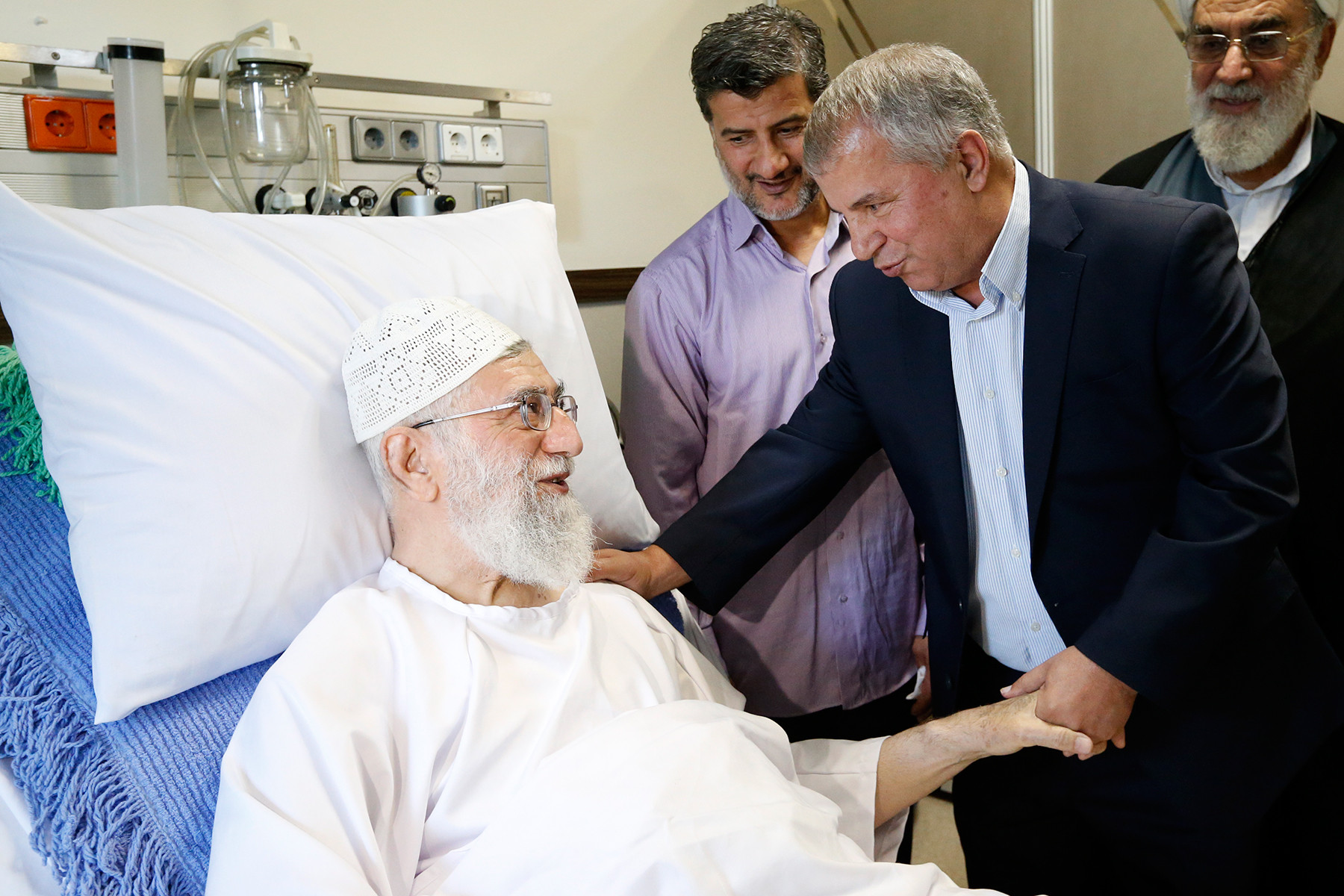
Ali Parvin
 Iran
association football player•association football coach
Also known as: Soltan
Birthday
September 25, 1947
Birth Sign
Sagittarius
Birthplace
Tehran, Iran
Age
79 years old
Height
5 ft 6 in (1.68 m)
About
Ali Parvin is an Iranian former professional footballer and manager widely regarded as one of the greatest players in the history of Iranian association football. Born in Tehran on September 25, 1947, he spent the prime of his career playing as an attacking midfielder or forward for Persepolis Football Club. Standing at approximately 1.68 meters tall, Parvin was known for his exceptional vision, technical ability, and leadership on the pitch. He earned the affectionate nickname "Soltan," meaning The King, among fans and media alike, a moniker reflecting his dominance during the 1970s. His legacy extends beyond statistics; he is recognized as a silent pillar of Iranian national consciousness, embodying dignity and resilience despite the tragedy of his political exile. Currently, as of 2026, he lives a quiet, retired life in Tehran, having withdrawn from the public eye following a hospitalization in 2018. While specific financial figures remain speculative due to the lack of modern commercial endorsements, his status as a foundational figure in Asian football remains unchallenged. He does not currently hold a placement in global fame rankings, yet his historical impact within Iran is profound, cemented by statues and Hall of Fame inductions that serve as physical monuments to his contributions.
Early Life & Background
Ali Parvin grew up in Tehran during the mid-20th century, a period when football was rapidly becoming a central part of Iranian culture. Born into a family that valued sports, he developed an early passion for the game, spending countless hours honing his skills in local Tehran leagues. His natural talent and relentless drive quickly set him apart from his peers in the capital city. Before stepping onto the national stage, Parvin played for Paykan FC in the late 1960s, where he began his professional journey. It was during this formative period that scouts took notice of his exceptional vision and technical prowess, setting the stage for a monumental move. The decision to join Persepolis marked a turning point in his life, placing him at the heart of the nation's sporting ambitions. At the time, the club was already a powerhouse, and joining them allowed Parvin to refine his craft against the best competition in the region. These early years were defined by a fierce competitive spirit and a commitment to excellence that would eventually lead to an eighteen-year tenure with the club, laying the foundation for a career that would see him become a legend in Iranian sports history.
Career Growth
Parvin's tenure with Persepolis spanned eighteen years, a remarkable feat that cemented his status as a club icon. During this period, he won numerous domestic titles, including six Tehran Clubs League championships and two Tehran Hazfi Cup victories. His contribution to the national team was equally significant, as he helped Iran win the gold medal at the 1974 Asian Games held in Tehran. This victory remains a defining moment in the country's football history, with Parvin earning 54 caps and scoring 10 goals for Team Melli throughout the 1970s and 1980s. Upon retiring as a player, Parvin seamlessly transitioned into coaching, managing Persepolis on three separate occasions. His managerial tenure was equally decorated, guiding the team to three Iranian Pro League titles and three Hazfi Cup victories. Beyond coaching, he served as the president of Persepolis, further solidifying his connection to the club. The Asian Football Confederation acknowledged his impact by naming him one of the seventeen Asian football elites and commissioning a statue in his honor. Persepolis also inducted him into their Hall of Fame and named him one of the twelve greatest players of the 1970s, immortalizing his face with another statue.
Career Timeline
Public Image & Style
Ali Parvin is portrayed as a silent pillar of Iranian national consciousness. His image is one of dignity and resilience, overshadowed by the tragedy of his political exile. Media portrayals focus on his historical significance rather than his current activities. His content and tone, as reflected in historical records, are rooted in the golden age of Iranian football. He is remembered not just for his athletic achievements but for the respect he commanded both on and off the field. His absence from the digital sphere, lacking a verified presence on platforms like Instagram or Twitter, reinforces his reputation as a figure of the past whose legacy is preserved through archives and fan pages dedicated to Persepolis. The absence of a digital footprint is typical for athletes of his generation who prioritized privacy over public engagement, allowing his historical stature to speak louder than any modern marketing campaign.
Fame & Fandom (iFAMOUS Rankings)
Ali Parvin commands a reverence that transcends the typical metrics of celebrity, existing as a silent pillar within Iranian national consciousness rather than an active, mobilized movement. His following is not defined by organized fan clubs, digital armies, or specific branding such as "The Parvinites," but rather by the collective memory of a nation honoring a golden-age athlete. The audience for Parvin is implicit within the broader identity of supporters of Team Melli, characterized by distant admiration for his playing dominance in the 1970s and the tragic narrative of his political exile. While modern superstars often cultivate interactive rituals or fan-funded projects, Parvin's legacy remains rooted in historical stature, with his moniker "Soltan" serving as a reflection of his era without evolving into a contemporary subculture. There are no records of birthday billboards, subway campaigns, or specific fan gatherings dedicated solely to him, suggesting his influence operates through cultural osmosis rather than directed engagement. The absence of a formal fandom name reflects a support structure that is organic and diffuse, tied to the history of Iranian football itself. In August 2026, the iFANN Global Fame Engine evaluated this profile and determined that Ali Parvin does not currently hold a placement in the published rankings, including the Global Top 1,000 or any scope-specific list. This evaluation confirms that while his historical impact is profound, he does not register within the current quantitative framework of global fame metrics. He is not featured on the September 2026 iFAMOUS Rankings flagship list.
Interesting Facts and Legends
One of the most defining aspects of Ali Parvin's life is his sudden fall from grace. In November 1995, he was banned from coaching or entering stadiums due to political reasons, effectively exiling him from the sport in his own country. This event transformed him from a celebrated hero into a symbol of political interference in sports. Fans still recount the mystery of his disappearance and the rumors of state-sanctioned silencing. Another notable fact is his longevity; his eighteen-year tenure with Persepolis is a rare feat in professional football, highlighting his durability and loyalty to the club. Despite his retirement and the passage of time, his status as a foundational figure remains unchallenged in the annals of the sport. His birth sign is Sagittarius, and he stands at approximately 1.69 meters (5 ft 7 in) tall, weighing around 67 kg. A notable recent event was his hospitalization in January 2018, after which he was released and recovered. Since then, there have been no major public appearances or projects announced. His name occasionally appears in historical retrospectives or discussions about Iranian football legends, but he remains out of the spotlight. Specific verbatim quotes from Ali Parvin are not widely recorded in English-language sources, though his sentiments on old-school football are captured in interviews, such as his statement: "I love those old-school Paykans," reflecting his nostalgia for the early days of his career.
Notable Quotes
“I love those old-school Paykans.”
Family & Personal Life
Public information regarding Ali Parvin's immediate family, including parents, siblings, and household details, is extremely scarce. Unlike modern celebrities who maintain active social media presences, Parvin has lived a relatively private life, particularly following his political exile. There are no widely documented records of marriages, engagements, or high-profile romances in available credible sources. While some sources suggest he may have a family, details remain strictly private. As of 2026, there is no public confirmation of a current partner; he is generally considered to be living a quiet, retired life, having withdrawn from the public eye after his hospitalization in 2018. No children have been publicly confirmed through media reports, though some sources suggest he may have a family, details of which remain private. The narrative surrounding his personal life is dominated by his professional achievements and the tragic circumstances of his political banishment rather than his romantic history or domestic situation.
Notable Connections
Relationships & Dating History
Public information regarding Ali Parvin's romantic relationships and dating history is extremely scarce. Unlike modern celebrities who maintain active social media presences, Parvin has lived a relatively private life, particularly following his political exile. There are no widely documented records of marriages, engagements, or high-profile romances in available credible sources. The narrative surrounding his personal life is dominated by his professional achievements and the tragic circumstances of his political banishment rather than his romantic history. As of 2026, there is no public confirmation of a current partner; he is generally considered to be living a quiet, retired life, having withdrawn from the public eye after his hospitalization in 2018. No children have been publicly confirmed through media reports, though some sources suggest he may have a family, details of which remain private. The absence of a verified social media presence further obscures any potential updates regarding his personal life, ensuring that his legacy remains focused on his contributions to football rather than his private affairs.
Salary, Net Worth In 2026
$5 Million
iFANN Editorial Team estimate
Detailed financial disclosures for Ali Parvin are not publicly available, given his retirement and the lack of commercial endorsement deals in recent decades. Estimates of his net worth are speculative. Given his long-standing status as a national icon and his various roles within Persepolis (player, coach, president), it is likely he possesses significant assets, including real estate in Tehran. Unlike Western celebrities, Iranian athletes from his era often did not accumulate wealth through global endorsements, relying instead on salaries and club positions. Any figures found online are likely estimates without verified backing. However, the iFANN Editorial Team's analysis of X's earnings, ventures and assets points to roughly $5 Million. This figure remains an estimate based on his historical prominence and asset holdings rather than direct financial reporting. The lack of modern commercial activity means his wealth accumulation was primarily driven by his tenure in the 1970s and 1980s, a time when footballers in Iran relied heavily on club contracts rather than international sponsorships.
Awards Won (5)
Ali Parvin's accolades reflect his status as a titan of Asian football. He won the gold medal at the 1974 Asian Games with the Iran national team. As a player and coach with Persepolis, he secured multiple Iranian Pro League titles and Hazfi Cup victories. He was also named one of the 17 Asian football elites by the Asian Football Confederation and inducted into the Persepolis Hall of Fame.
1974 · International Tournament
Iran National Team
1990s · League Title
Persepolis FC
Known For
Persepolis FC
1970-1988 · Player and Manager
Iran National Team
1970s-1980s · Attacking Midfielder
Keywords
Sources
Quick Facts
- Profession
- association football player, association football coach
- Born
- September 25, 1947
- Birthplace
- Tehran
- Gender
- Male
- Birth Sign
- Sagittarius
Personal Details
- Full Name
- Ali Parvin
- Height
- 5 ft 6 in (1.68 m)
Frequently Asked Questions
How old is Ali Parvin?
Where was Ali Parvin born?
What is Ali Parvin's nickname?
Why was Ali Parvin banned from football?
Is Ali Parvin alive?
Similar People
Join the community
fans discussing