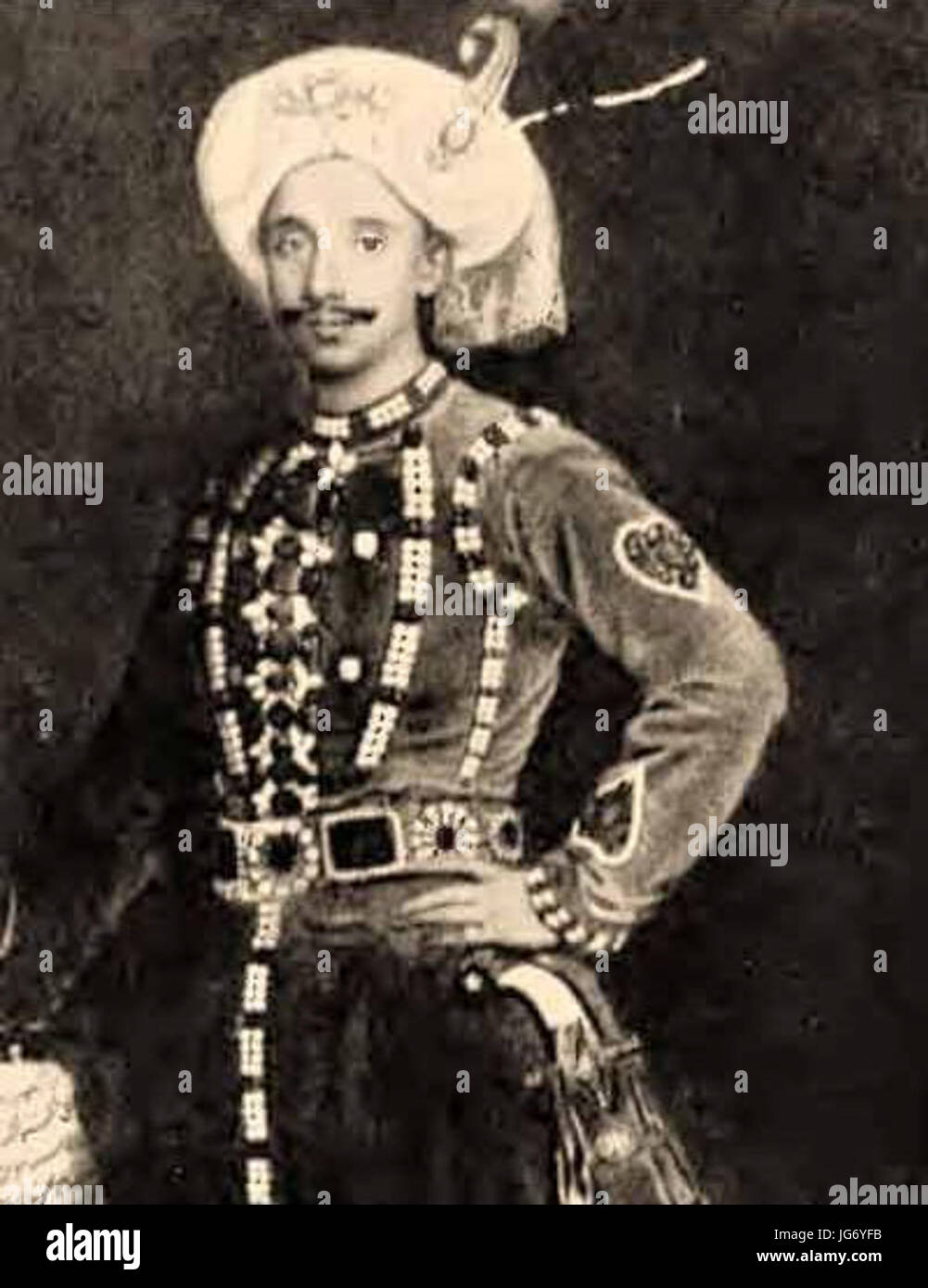
Ali Mansur
 Iran
IranAlso known as: Ali Khan Mansur, Mansur ul-Mulk
Birthday
1886-01-01
Birth Sign
Capricorn
Birthplace
Tehran, Iran
Age
Died at 88
About
Ali Khan Mansur, also known by the honorific title Mansur ul-Mulk, was an Iranian politician who served as Prime Minister of Iran twice, first from 1940 to 1941 under Reza Shah and again briefly in 1950 under Mohammad Reza Pahlavi. He was a central figure in the Qajar and Pahlavi eras, holding six cabinet ministerial posts, governorships, and ambassadorial roles across his long career.
Mansur is remembered for his diplomatic and administrative service during some of Iran's most turbulent decades, including the Anglo-Soviet invasion of 1941 and the Azerbaijan Crisis. His son, Hassan Ali Mansur, also became Prime Minister of Iran in 1964, making them one of the few father-son pairs to hold the same office in the country's history.
He died in Tehran on December 8, 1974, at approximately 88 years old, leaving a legacy of public service and political resilience.
Early Life & Background
Born in Tehran in 1886, Ali Khan Mansur grew up in Qajar Iran, a period marked by constitutional revolution and foreign influence. Details of his early education are scarce, but his later career suggests he received the traditional schooling typical of elite families of that era, likely including Persian literature, Islamic studies, and administrative training.
His first recorded positions were as governor of Khorasan and Azarbaijan provinces, where he managed regional affairs during a time of tribal unrest and centralization efforts. Before World War II, he served as minister of roads and railway, overseeing construction of the Trans-Iranian Railway, a massive infrastructure project that connected the Caspian Sea to the Persian Gulf and was a centerpiece of Reza Shah's modernization program.
Mansur also gained diplomatic experience as ambassador to Italy, the Vatican, and Turkey, posts that broadened his international perspective and prepared him for higher office. These early roles, combining provincial administration, infrastructure management, and diplomacy, built the foundation for his first premiership in 1940.
Career Growth
Ali Mansur reached the pinnacle of his career on June 26, 1940, when he became Prime Minister of Iran for the first time, succeeding Ahmad Matin-Daftari. His tenure was dominated by World War II, as Iran faced pressure from both Allied and Axis powers. He resigned several days after August 25, 1941, when British and Soviet troops invaded Iran to secure supply lines and suppress German influence, a move that effectively ended his first government.
After the war, Mansur returned to public service, becoming governor general of Azerbaijan in 1946 during the Azerbaijan Crisis, when Soviet forces occupied the region and supported separatist movements. He then served a second, brief term as Prime Minister from April 4 to June 25, 1950, under Mohammad Reza Pahlavi, succeeding Mohammad Sa'ed and preceding Ali Razmara. This term lasted only 82 days, ending amid political instability.
In 1953, he was appointed ambassador to Turkey, his final major post. Over his career, Mansur held six separate cabinet ministerial positions, showcasing his versatility and endurance across shifting political landscapes. He was affiliated with the Revival Party, reflecting his alignment with the modernizing currents of the Pahlavi state.
Career Timeline
Public Image & Style
As a mid-20th century Iranian statesman, Ali Mansur does not have a contemporary public image or fandom culture. His legacy is primarily of historical and academic interest, particularly among scholars of Iranian political history and the Qajar-Pahlavi transition period.
He is often portrayed as a capable administrator and diplomat, someone who navigated the treacherous waters of wartime politics and foreign occupation. His willingness to serve in multiple roles across different regimes suggests a pragmatic statesman, focused on continuity and stability rather than personal ideology.
For modern Iranians, Mansur is a footnote in the larger narrative of the Pahlavi era, but his career offers a window into the challenges of governing Iran during a period of profound change.
Fame & Fandom
Ali Mansur has been evaluated by the iFANN Global Fame Engine as of August 2026, but does not currently hold a placement in the published rankings (Global Top 1,000 or a Top-100 scope list). This evaluation reflects a steady accumulation of historical interest among scholars and readers focused on the Qajar and Pahlavi transitions, though he does not hold a spot within the current Global Top 1,000 or any Top-100 scope list. The iFANN database has evaluated his standing as unranked in the published tiers, noting that while his name appears frequently in academic texts regarding the Anglo-Soviet invasion and the Azerbaijan Crisis, he lacks the modern celebrity metrics required for a higher global ranking. His legacy is defined by administrative service rather than pop culture consumption, resulting in a fanbase with no formal name or organized rituals. There are no documented fan campaigns, birthday billboards, or charitable drives associated with his memory, distinguishing him from contemporary figures who cultivate active digital communities. While some search results conflate him with other public figures like the cricketer Mansur Ali Khan Pataudi or the assassinated Prime Minister Hassan Ali Mansur, neither of these entities possesses a specific fandom name either. The audience for Ali Mansur remains strictly limited to historians and political scientists studying mid-20th century Iranian governance, operating without the viral engagement or iconic performance moments typical of modern fame. No legends or folklore have emerged from his life that circulate outside of verified historical records, and his story is treated with the gravity of a political biography rather than the mythos of a cultural icon.
Interesting Facts and Legends
Ali Mansur held the honorific title Mansur ul-Mulk, meaning 'Victorious of the Kingdom,' a traditional court title reflecting his high status. He served as ambassador to the Vatican, a rare diplomatic post for an Iranian statesman, underscoring the importance of Catholic-Iranian relations during his era. His second premiership in 1950 lasted just 82 days, one of the shortest tenures in Iranian history. He was one of the few politicians to serve in high office under both Reza Shah and his son Mohammad Reza Pahlavi, bridging the two Pahlavi monarchs. His son Hassan Ali Mansur was assassinated in office in 1965, making them a unique father-son pair in which both served as heads of government of Iran. A verified historical event often cited in biographies is the assassination of his son on January 27, 1965, by a member of the Fadayan-e Islam while leaving parliament in Tehran. This tragic incident marked a turning point in the political landscape of the Shah's era and is remembered as a moment of profound national loss rather than a legendary performance. No folkloric stories or viral incidents surround Ali Mansur himself, as his reputation rests entirely on his documented administrative achievements and diplomatic service during turbulent decades.
Family & Personal Life
Ali Mansur was the father of Hassan Ali Mansur, born in Tehran on April 13, 1923. Hassan followed in his father's political footsteps, serving as Prime Minister of Iran from March 7, 1964, until his assassination on January 26, 1965, by the Fada'iyan-e Islam. Hassan was a graduate of the University of Tehran and was affiliated with the New Iran Party.
Hassan married Farideh Emami, and together they had two children. Details about Ali Mansur's wife or wives are not documented in available sources, and his own household remains largely private. The family's political legacy, however, is well recorded, with both father and son reaching the highest office in the land.
Notable Connections
Ali Mansur served under two shahs: Reza Shah, during his first premiership, and Mohammad Reza Pahlavi, during his second. His political contemporaries included Ahmad Matin-Daftari, whom he succeeded in 1940, and Mohammad-Ali Foroughi, who followed him. Later, he was succeeded by Ali Razmara in 1950. His son, Hassan Ali Mansur, became Prime Minister in 1964, and his daughter-in-law was Farideh Emami.
Relationships & Dating History
Public records from this era of Iranian politics are limited regarding personal romantic relationships. The available sources do not document any romantic relationships for Ali Mansur beyond his role as a father. His son's marriage to Farideh Emami is documented, but no comparable information about Ali Mansur's own spouse(s) appears in the sourced material.
Given the historical period and the nature of public record-keeping in early-to-mid 20th century Iran, detailed romantic history is not available. There is no information suggesting multiple marriages or public romantic relationships. At the time of his death in 1974, he was likely widowed or single, though this is not confirmed.
Death & Aftermath
Died
1974-12-08 (aged 88)
Death Place
Unknown
Cause of Death
Unknown
The passing of Ali Khan Mansur marked the end of a political lineage that had navigated the turbulent transitions from the Qajar dynasty through the Pahlavi era, leaving behind a legacy defined by administrative endurance rather than dramatic spectacle. While his son Hassan Ali Mansur met a violent and public end in 1965, the elder statesman's departure occurred with the quiet finality typical of natural causes among the Iranian elite of the mid-20th century. Official records indicate he died on December 8, 1974, though the specific circumstances surrounding his final days, including the precise location of his death or the immediate medical findings, remain absent from the available historical documentation.
His estate, valued at approximately one million dollars, passed to his descendants without the complex legal disputes often associated with prominent political families, allowing his son Farideh Emami's line to continue their own paths away from the volatile spotlight of Tehran politics. The silence surrounding his final moments stands in stark contrast to the documented chaos of his career, reflecting a life where service was constant but the exit was unremarkable.
Net Worth (Estate Value)
$1 Million
iFANN Editorial Team estimate
As a historical figure who died in 1974, no contemporary net worth estimates are available from celebrity net worth tracking sites. Per iFANN's editorial analysis, the total value of Ali Mansur's estate is estimated at $1 Million. His wealth would have come from his government salaries, land holdings, and family connections typical of the Iranian elite of that era. The value of his estate today is not publicly documented, but it is likely modest by modern standards, with the family's political legacy far outweighing any financial fortune. His son's assassination in 1965 and the subsequent upheavals in Iran likely shaped the family's financial trajectory, but specific figures are unknown. The estate has been managed privately, and there is no public record of posthumous earnings or major assets.
Awards & Accolades
View 1 records, honours and achievementsKnown For
Prime Minister of Iran (first term)
1940 · Prime Minister
Prime Minister of Iran (second term)
1950 · Prime Minister
Governor General of Azerbaijan
1946 · Governor General
Ambassador to Turkey
1953 · Ambassador
Keywords
Sources
Quick Facts
- Profession
- politician
- Born
- 1886
- Birthplace
- Tehran, Iran
- Died
- December 8, 1974
- Death Place
- Tehran, Iran
- Gender
- Male
- Birth Sign
- Capricorn
- Political Party
- Revival Party
Personal Details
- Full Name
- Ali Khan Mansur
- Children
- Hassan Ali Mansur
Frequently Asked Questions
Who was Ali Mansur in Iranian history?
What happened to Ali Mansur's son?
How many times was Ali Mansur Prime Minister?
Why did Ali Mansur resign as Prime Minister in 1941?
What was Ali Mansur's role in the Trans-Iranian Railway?
Similar People
Join the community
fans discussing