
Ali Ahmad Bakathir
 Indonesia
Also known as: Ali Ahmed Bakatheer, Ali Bakathir, Ali bin Ahmad bin Mohammed Bakathir
Birthday
December 21, 1910
Birth Sign
Sagittarius
Birthplace
Surabaya, Indonesia
Age
Died at 58
About
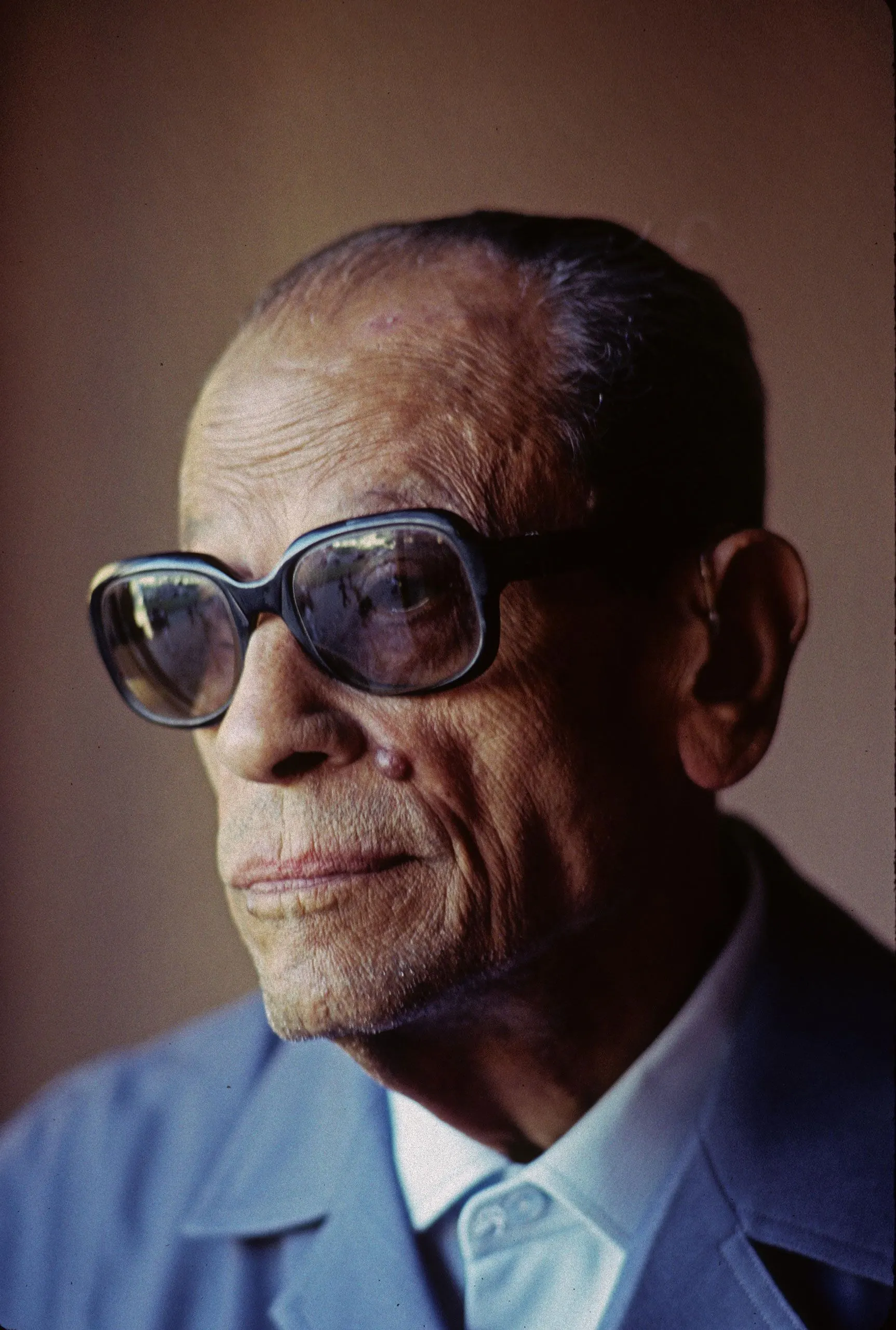
Ali Ahmad Bakathir was an Egyptian poet, playwright, and novelist, born in Surabaya, Indonesia, on December 21, 1910, to a Hadrami family. He moved to Egypt, where he became a significant literary figure, best known for his play Epic of Omar and his historical novels, including Oh Islam! and The Red Revolutionary. Bakathir also translated Shakespeare's Romeo and Juliet into Arabic. His contributions earned him the State Prize of Appreciation, which he shared with Naguib Mahfouz. He passed away on November 10, 1969, leaving behind a rich literary legacy.
Early Life & Background
Bakathir spent his early years in Surabaya, Indonesia, where he was born into a Hadrami family with deep Yemeni roots. His basic education took place in Yemen, the ancestral homeland of his family, where he absorbed the Islamic teachings and Arabic literary traditions that would later define his work. He then moved to Egypt for higher education, settling in Cairo, where he immersed himself in the intellectual circles of the time. This journey from Indonesia to Yemen and finally to Egypt shaped his transnational identity and his perspective as a writer committed to Islamic themes. His Hadrami heritage and Yemeni upbringing deeply influenced his literary worldview throughout his career.
Career Growth
Bakathir rose to prominence in the 1940s and 1950s as one of Egypt's most celebrated playwrights. His play Epic of Omar, which dramatizes the life of the second Caliph, Umar ibn al-Khattab, became his signature work and showcased his skill in historical drama. He also wrote the novel Oh Islam! (Wa Islamah), a sweeping historical fiction that has been translated into English by Saeed Abd Elaziz, with a new edition released in 2026. Another notable novel, The Red Revolutionary, further cemented his reputation. Beyond his own creations, he translated Shakespeare's Romeo and Juliet into Arabic, bridging Western and Arab theatrical traditions. His other works include The Arab Oedipus: Four Plays, Muslim Girls and the Hijab, and Alih Israel. His career was capped by the State Prize of Appreciation, an honor he shared with Nobel laureate Naguib Mahfouz.
Career Timeline
Public Image & Style
Bakathir is remembered as a conservative Arab writer with a strong Islamic perspective. His works consistently explored Islamic themes, from the life of Caliph Umar to the struggles of Muslim communities. He was a contemporary of Naguib Mahfouz, and the two shared the State Prize of Appreciation. His literary identity is defined by his commitment to Islamic drama and historical fiction, and he is recognized as a significant figure in the development of Arabic drama. His writing spans both traditional and innovative forms, and he is noted for his versatility across genres. The establishment of a museum in his honor in 2026 underscores his lasting cultural impact.
Fame & Fandom
Ali Ahmad Bakathir commands a legacy defined by academic reverence and cultural preservation rather than the active, organized fervor typical of modern celebrity fandoms. As a literary figure who passed away in 1969, his audience consists primarily of scholars, students of Arabic literature, and theater historians who study his contributions to the genre. There is no formal fanbase with a specific name, nor are there records of grassroots campaigns, birthday billboards, or fan-led initiatives that characterize contemporary pop culture. His enduring presence is maintained through institutional efforts, such as the Bakathir Museum established at the Falaki MainStage Theater in 2026, which serves as an educational hub for those interested in his life and works. The narrative surrounding him is one of verified historical achievement, from his pioneering adaptations of Greek tragedy to his monumental nineteen-act epic on Caliph Umar, rather than viral moments or crowd rituals. While recent translations and museum partnerships indicate a renewed scholarly interest, the concept of a dedicated fan community engaging in chart pushes or social media trends does not apply to his profile. iFANN has evaluated this profile against its global metrics and found no placement within the published rankings. Ali Ahmad Bakathir is currently the unranked subject in the Global Top 1,000 list. He holds no position in any Top-100 scope list. No formal fandom name exists in the data.
Interesting Facts and Legends
Born in Surabaya, Indonesia, to a Hadrami family, Bakathir stands as a transnational figure whose Yemeni heritage and Indonesian birth shaped his unique perspective in Arabic literature. He was known for a conservative Islamic worldview that deeply infused his plays and novels, exploring themes ranging from the life of Caliph Umar to the struggles of Muslim communities. His translation of Romeo and Juliet served as a pioneering effort to introduce Shakespeare to Arab audiences, while his play Epic of Omar focused extensively on the second Caliph, reflecting a profound interest in early Islamic history. A recurring point of cultural pride involves his origin story, highlighting how an Indonesian-born Arab became a pillar of Egyptian theater. In 2026, a new English translation of Oh Islam! was published, demonstrating enduring readership interest. ThriftBooks continues to list multiple titles, and his author page on Goodreads shows an average rating of 3.90 across 10 ratings. His legacy includes the establishment of the Bakathir Museum in 2026, a partnership between the Hadhramout Culture Foundation and the American University in Cairo located at the Falaki MainStage Theater. This institution reflects the ongoing management of his intellectual property and cultural significance.
Family & Personal Life
Details about Bakathir's family are scarce in public records. He was born to a Hadrami family, a lineage that traces its roots to the Hadhramaut region of Yemen. This heritage was central to his identity and literary themes. He had at least one sibling, though no names are documented. His family's migration from Yemen to Indonesia and later to Egypt reflects the broader Hadrami diaspora. Bakathir's personal household, including any spouse or children, is not mentioned in available sources.
Notable Connections
Bakathir's most notable association was with Naguib Mahfouz, with whom he shared the State Prize of Appreciation. He also worked with translator Saeed Abd Elaziz, who translated his novel Oh Islam! into English. His works have been studied by academics, and his legacy is preserved by the Hadhramout Culture Foundation, which partnered with AUC to establish the Bakathir Museum.
Relationships & Dating History
Public records provide no verifiable information about Bakathir's romantic relationships or marriages. As a mid-century literary figure, his private life was not a focus of public attention, and no credible sources document any partnerships. His personal life remains largely unknown, and his legacy is defined by his literary output rather than his personal affairs.
Death & Aftermath
Died
November 10, 1969 (aged 58)
Death Place
Unknown
Cause of Death
Unknown
In April 2026, the American University in Cairo and the Hadhramout Culture Foundation staged a commemorative show at the Falaki MainStage Theater to mark the 115th anniversary of his birth, while a dedicated museum bearing his name opened nearby as part of an enduring institutional partnership. This modern recognition stands as the primary reflection of his legacy following his passing decades earlier. Ali Ahmad Bakathir died on November 10, 1969, at the age of 58, having been born in Surabaya, Indonesia, before establishing his career in Egypt. The specific location of his death remains unrecorded in available documents, as do the medical circumstances or cause of his final days.
Consequently, the exact nature of his demise is not documented beyond the confirmed date and his age at the time. and The Red Revolutionary continue to be studied and performed by academic institutions and theaters today. His estate has remained active through ongoing publications and translations, including a new English edition of his historical novels released in 2026. While details regarding his burial site or funeral proceedings are absent from the record, the establishment of the Bakathir Museum ensures his intellectual property and literary contributions remain under active management.
Net Worth (Estate Value)
$1 Million
iFANN Editorial Team estimate
As a literary figure who passed away in 1969, Bakathir's net worth is not documented by contemporary sources. However, his estate continues to earn from the ongoing publication of his works. ThriftBooks and other retailers list his titles, and a new English translation of Oh Islam! was published in 2026. The establishment of the Bakathir Museum in 2026 suggests active management of his intellectual legacy. Per iFANN's editorial analysis, the estate's value is estimated at around $1 Million, reflecting the enduring market for his books and the cultural significance of his name. The museum, a partnership between the Hadhramout Culture Foundation and the American University in Cairo, is located at the Falaki MainStage Theater at AUC Tahrir Square.
Awards Won (1)
Bakathir's most significant recognition was the State Prize of Appreciation from Egypt, which he shared with Naguib Mahfouz. This honor acknowledged his contributions to Arabic literature, particularly his plays and historical novels.
1960s · Literature
Literary career
Known For
Epic of Omar
1940s · Playwright
Oh Islam!
1940s · Author
The Red Revolutionary
1940s · Author
Keywords
Sources
Quick Facts
- Profession
- poet, writer, novelist
- Born
- December 21, 1910
- Birthplace
- Surabaya, Indonesia
- Died
- November 10, 1969
- Death Place
- Cairo, Egypt
- Gender
- Male
- Birth Sign
- Sagittarius
Personal Details
- Full Name
- Ali bin Ahmad bin Mohammed Bakathir
Frequently Asked Questions
Who was Ali Ahmad Bakathir?
What is Ali Ahmad Bakathir's most famous work?
Where was Ali Ahmad Bakathir born?
Did Ali Ahmad Bakathir win any awards?
What is Ali Ahmad Bakathir's legacy?
Similar People
Join the community
fans discussing