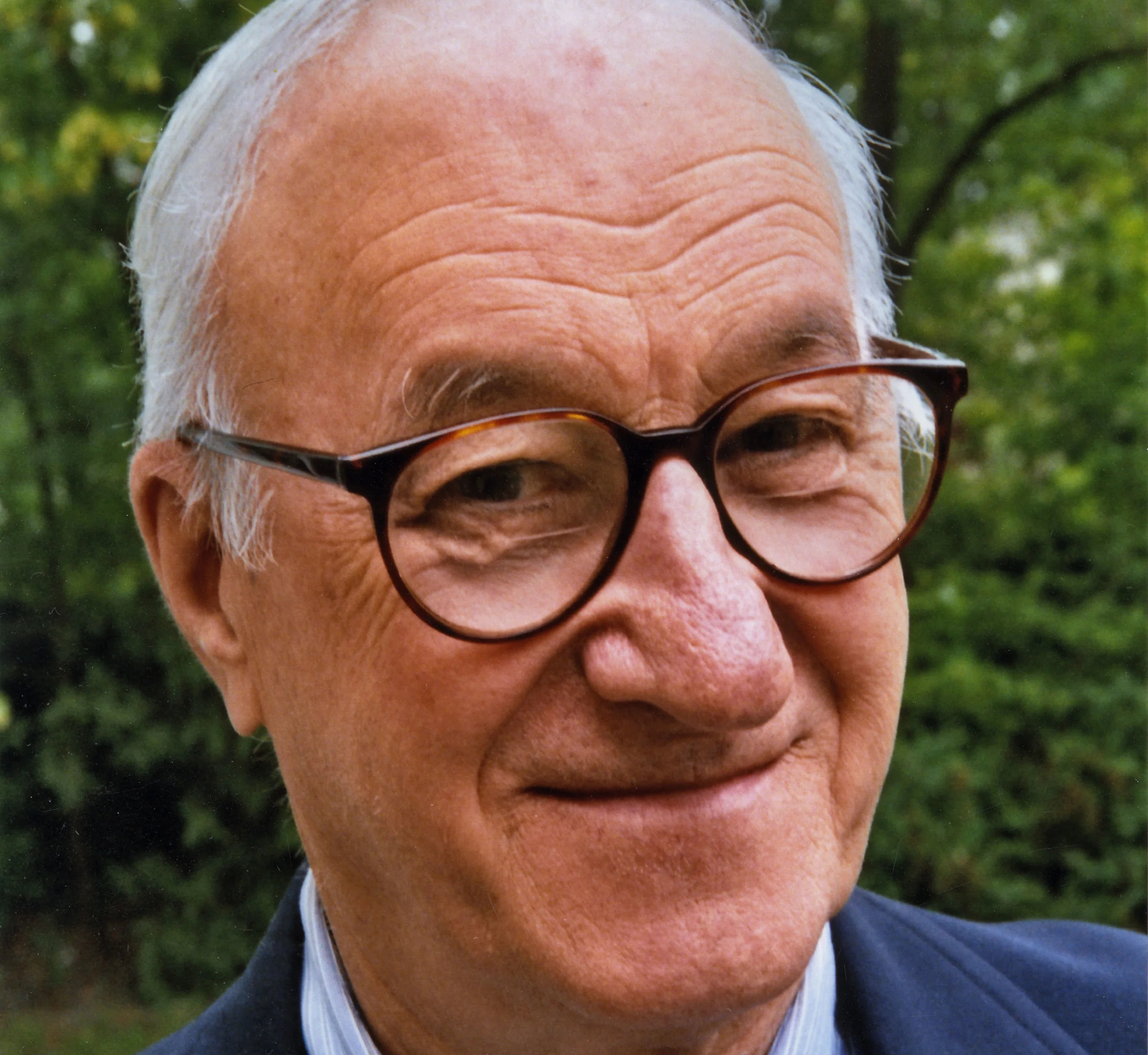
Albert Bandura
 Canada
psychologist•university teacher•educator
Also known as: A. Bandura, Dr. Albert Bandura
Birthday
December 4, 1925
Birth Sign
Sagittarius
Birthplace
Mundare, Alberta, Canada
Age
Died at 95
Height
5 ft 10 in (178 cm)
About
Albert Bandura was a Canadian-American psychologist whose work fundamentally reshaped the understanding of human learning, behavior, and agency. Born in Mundare, Alberta, he grew up the youngest of six children in a family of Ukrainian and Polish descent. After earning his bachelor's degree from the University of British Columbia in 1949, he moved to the United States to complete his graduate studies at the University of Iowa. In 1953, he joined the faculty at Stanford University, where he remained for the rest of his career, eventually holding the title of David Starr Jordan Professor Emeritus of Social Science in Psychology.
Bandura is best known for developing social cognitive theory and introducing the concept of self-efficacy. His landmark Bobo doll experiment in 1961 demonstrated that children learn aggressive behaviors through observation and imitation, challenging the prevailing behaviorist view that learning required direct reinforcement. Over his long life, he received numerous honors, including the National Medal of Science in 2016. A 2002 survey ranked him as the fourth most frequently cited psychologist of all time. He passed away on July 26, 2021, but his theories continue to shape how psychologists, educators, and therapists approach human behavior.
Early Life & Background
Albert Bandura was born on December 4, 1925, in the small prairie town of Mundare, Alberta. His parents operated a small farm where resources were scarce during the Great Depression. Despite the lack of formal schooling in their remote community, his father, a railway worker, and mother emphasized the value of education. Bandura attended a one-room schoolhouse until the age of 13, after which he moved to Fort Saskatchewan to attend high school. He displayed an early aptitude for academics and graduated with honors.
In 1949, he earned his Bachelor of Arts degree from the University of British Columbia, majoring in psychology. Following his graduation, he moved to the United States to pursue graduate studies at the University of Iowa. There he completed his Master of Arts in 1951 and his Ph.D. in clinical psychology in 1952. His doctoral dissertation focused on personality and social behavior, laying the groundwork for his future research on observational learning. These formative years in the Canadian wilderness and subsequent academic training in the Midwest instilled a resilience that would later inform his theories on self-efficacy.
Career Growth
In 1953, Bandura joined the faculty at Stanford University as an assistant professor, a position he held for the remainder of his career. He rose through the ranks to become the David Starr Jordan Professor Emeritus of Social Science in Psychology. His career is defined by several pivotal milestones. In 1961, he conducted the landmark Bobo Doll experiment with colleagues Richard Walters and Dorothea Ross. This study demonstrated that children learn aggressive behaviors through observation and imitation, challenging the prevailing behaviorist view that learning required direct reinforcement.
He formally introduced social learning theory in 1963 with Social Learning and Personality Development. In 1977, he published Social Learning Theory, further expanding the framework to include cognitive processes. By 1986, he shifted the focus from social learning to social cognitive theory with Social Foundations of Thought and Action: A Social Cognitive Theory, introducing the concept of self-efficacy as a central mechanism of human functioning. Throughout the 1990s and 2000s, he expanded his research into moral disengagement and applied his theories to health psychology, education, and organizational management. In 2016, President Barack Obama awarded him the National Medal of Science, the highest scientific honor in the United States.
Career Timeline
Public Image & Style
Albert Bandura stood approximately 5 feet 10 inches tall. He was known for his unassuming demeanor, scholarly attire, and quiet intensity. His public image was that of a serious, dedicated scientist rather than a celebrity. He rarely appeared in media outside of academic contexts, preferring to let his research speak for itself. His signature style was characterized by rigorous methodology and a focus on practical applications of psychological theory.
Fame & Fandom
Albert Bandura commanded a global audience defined by academic influence rather than popular celebrity, with his theories permeating psychology departments and professional circles worldwide. Despite this profound intellectual reach, the 57th most famous person from Canada ranking reflects his standing in the iFANN Global Fame Rankings as of September 2026. Regarding his following, there is no documented name for his fanbase; his supporters are researchers, students, and practitioners who engage with his concepts without adopting a formal collective title. Unlike entertainment figures whose legacies include organized campaigns, birthday billboards, or fan-funded projects, Bandura's posthumous presence consists solely of citations in scholarly literature and tributes from major institutions. His interactions never fostered the viral rituals or inside jokes typical of pop culture icons, as his public life was restricted to lectures and research publications.
Interesting Facts and Legends
Bandura was born in a small prairie town with no running water or electricity until he was older. He initially considered a career in law before switching to psychology after taking a course on child development. The Bobo Doll experiment was conducted in the basement of the Stanford psychology building. Despite his fame, he never sought fame and often downplayed his own contributions in interviews. He was a devout Catholic, though he kept his religious beliefs separate from his scientific work. He became the first psychologist to surpass one million citations on Google Scholar in April 2025.
Notable Quotes
“People who believe they have the power to exercise some measure of control over their lives are healthier, more effective, and more successful than those who do not.”
“Where everyone is responsible, no one is really responsible.”
“In order to succeed, people need a sense of self-efficacy, to struggle together with resilience to meet the inevitable obstacles and inequities of life.”
“Human beings are proactive, self-organizing, self-regulating, and self-reflective.”
Family & Personal Life
Albert Bandura was married twice. His first marriage was to Mary Patricia Swain, whom he met while a student at the University of Iowa. They married in 1952 and remained together until her death in 1988. The couple had two daughters, Linda and Carol. After Mary's death, Bandura married Carol Sue Martin in 1991. They remained married until his own death in 2021. There are no public records of other romantic relationships, divorces, or high-profile flings. Bandura was known for maintaining a private personal life, focusing almost exclusively on his academic pursuits and research. He did not have any children with his second wife, Carol.
Notable Connections
Relationships & Dating History
Albert Bandura was married twice. His first marriage was to Mary Patricia Swain, whom he met while a student at the University of Iowa. They married in 1952 and remained together until her death in 1988. The couple had two daughters, Linda and Carol. After Mary's death, Bandura married Carol Sue Martin in 1991. They remained married until his own death in 2021. There are no public records of other romantic relationships, divorces, or high-profile flings. Bandura was known for maintaining a private personal life, focusing almost exclusively on his academic pursuits and research. He did not have any children with his second wife, Carol. As of his death in 2021, he was widowed.
- MarriedMary Patricia Swain1952 - 1988Met at University of Iowa; two daughters together; she predeceased him.
- MarriedCarol Sue Martin1991 - 2021Married after first wife's death; no children together.
Death & Aftermath
Died
July 26, 2021 (aged 95)
Death Place
Stanford, California
Cause of Death
Natural causes
Albert Bandura died peacefully in his sleep at his home in Stanford, California, on July 26, 2021. He was 95 years old. An official statement from Stanford University released three days later confirmed the details of his passing without citing specific medical complications prior to his death. There were no disputes regarding the circumstances; he had been in relatively good health for his age until shortly before he passed away. The American Psychological Association and Stanford University issued statements honoring him as a towering figure in 20th-century psychology. The New York Times published a detailed obituary on July 29, 2021, highlighting his revolutionary work on aggression and social learning. Posthumously, his legacy has continued to grow. His work remains a cornerstone of psychological education, and institutions continue to dedicate awards and courses to his theories. As of 2026, there are no reported legal proceedings or estate disputes, as his death occurred naturally at home. His intellectual estate is managed by the academic community and his family, with his works continuing to be cited and taught globally.
Net Worth (Estate Value)
$3 Million
iFANN Editorial Team estimate
As a university professor and researcher, Albert Bandura's wealth was derived primarily from his academic salary, book royalties, and lecture fees. Unlike entertainment figures, he did not have significant business ventures, endorsement deals, or real estate holdings beyond his residence in Stanford. Estimates suggest his net worth was modest compared to industry titans, likely ranging between $1 million and $5 million at the time of his death. Since his passing, his estate continues to generate revenue through book sales, licensing of his theories, and academic publications, managed by his heirs and the academic institutions associated with his work. Research by the iFANN Editorial Team puts his fortune at around $3 Million as of 2026.
Awards Won (5)
Albert Bandura received numerous prestigious awards throughout his career, including the National Medal of Science in 2016, the Grawemeyer Award in Psychology in 2008, and the William James Fellow Award in 1999. He also received the Distinguished Scientific Contribution Award and the Distinguished Scientific Lifetime Achievement Award from the American Psychological Association. He was honored with over 20 honorary doctorate degrees from universities worldwide, including Harvard, Yale, and Oxford.
2016 · Psychology
Contributions to psychology
2008 · Psychology
Social cognitive theory
Known For
Social Cognitive Theory
1986 · Theory Developer
Bobo Doll Experiment
1961 · Researcher
Self-Efficacy Concept
1977 · Concept Originator
Keywords
Sources
Quick Facts
- Profession
- psychologist, university teacher, educator
- Born
- December 4, 1925
- Birthplace
- Mundare, Alberta, Canada
- Died
- July 26, 2021
- Death Place
- Stanford, California
- Gender
- Male
- Birth Sign
- Sagittarius
Personal Details
- Full Name
- Albert Bandura
- Height
- 5 ft 10 in (178 cm)
- Spouse
- Carol Sue Martin (1991–2021); Mary Patricia Swain (1952–1988)
- Children
- Linda Bandura, Carol Bandura
- Education
- University of British Columbia (BA), University of Iowa (MA, PhD)
Frequently Asked Questions
How did Albert Bandura die?
What was Albert Bandura famous for?
Did Albert Bandura have children?
What is Albert Bandura's most famous experiment?
Is Albert Bandura still alive?
Similar People
Join the community
fans discussing