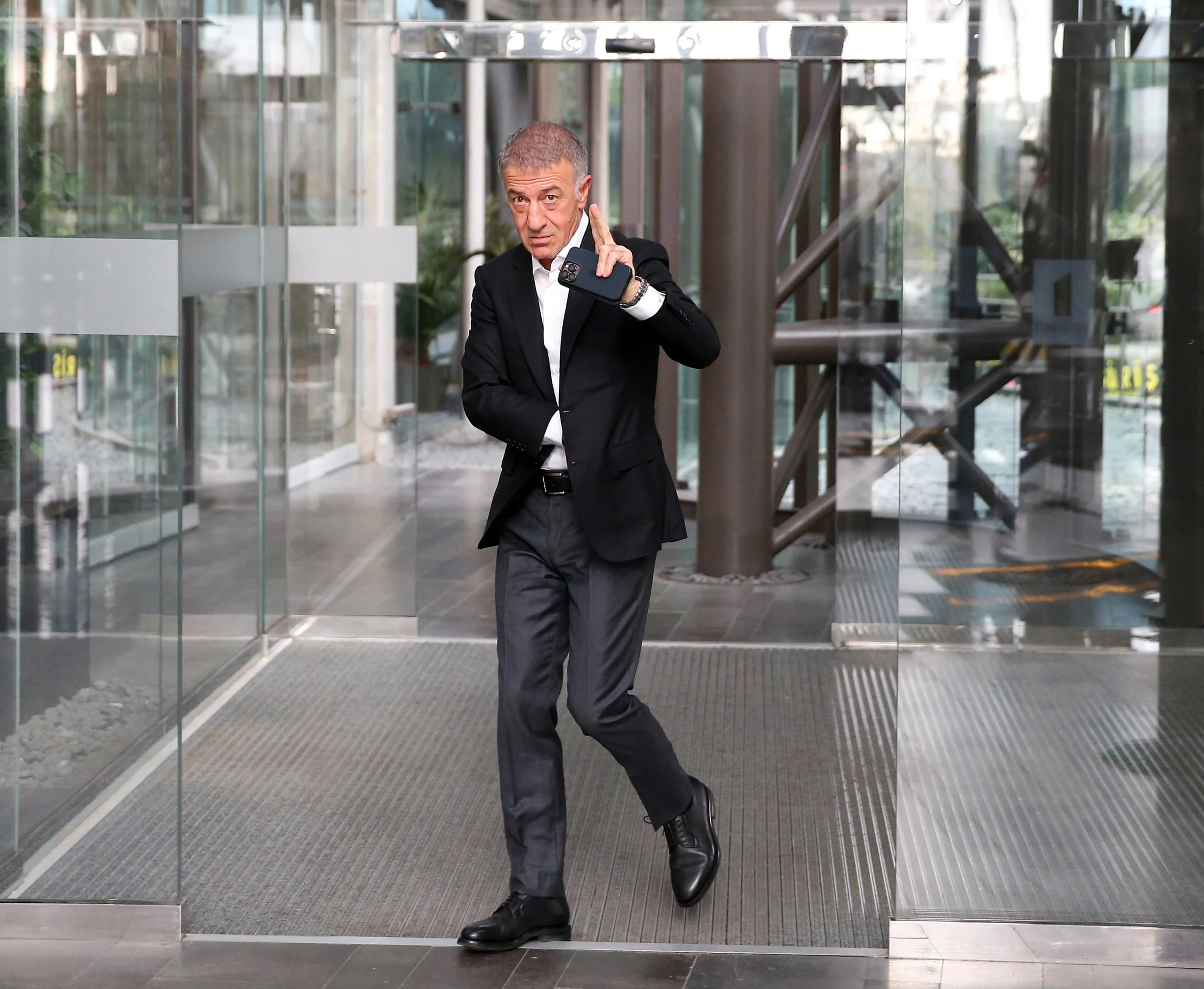
Ahmet Ağaoğlu
 Turkey
Also known as: Ahmed Bey Agaieff, Ahmet Bey Ağaoğlu, Ahmet Akif Ağaoğlu, Agaieff, Ahmed Bey
Birthday
December 1869
Birth Sign
Capricorn
Birthplace
Shusha, Elizavetpol Governorate, Russian Empire (present-day Azerbaijan)
Age
Died at 69
About
Ahmet Ağaoğlu was an Azerbaijani-Turkish politician, journalist, writer, and lawyer who played a pivotal role in the intellectual history of the late Ottoman Empire and early Republic of Turkey. Born in Shusha in December 1869, he became a leading advocate for liberal Kemalism and Turkic unity. After studying law in France, he returned to the Caucasus to promote education and modernization, eventually becoming a key advisor to Mustafa Kemal Atatürk. His career spanned journalism, legislative service in both Azerbaijan and Turkey, and academia.
He is best remembered for founding the first library in Shusha in 1896 and for his editorial work on influential publications like Hayat and Türk Yurdu. Following the Soviet annexation of Azerbaijan in 1920, he moved permanently to Turkey where he continued his political and academic work until his death in 1939. His legacy endures as a symbol of the struggle for national identity and liberal democracy in the region.
Early Life & Background
Born into a prominent family in Shusha, a cultural hub in the Elizavetpol Governorate of the Russian Empire, Ahmet Akif Ağaoğlu grew up during a period of intense awakening among Azerbaijani Turks. His early education combined traditional Islamic schooling with exposure to Western ideas, setting the stage for his future reformist path. At the age of 27, he took a significant step toward public influence by establishing the first library and reading room in Shusha in 1896. This initiative marked the beginning of his dedication to literacy and intellectual discourse in a region where such institutions were rare.
In 1897, he relocated to Baku at the invitation of oil magnate H. Z. Taghiyev. There, he began contributing articles to the Kaspi newspaper, using the platform to voice Azerbaijani interests within the Russian Empire. His early career was defined by a commitment to modernizing society through education and the press. He later founded the secret Muslim Difai Party in 1905 to counter Tsarist oppression and Armenian Dashnak nationalism, forcing him into hiding before he fled to Istanbul in 1908 following the Young Turk Revolution.
Career Growth
Ağaoğlu's career evolved from local educator to international political strategist. After fleeing to Istanbul in 1908, he joined the Committee of Union and Progress and became a prominent member of the Turkish Hearths national movement. He served as chief editor for several influential publications including Irshad, Taraqqi, and Hakimiyet-i Milliye. His collaboration with Ali Huseynzade on the Hayat newspaper made it a central organ for Pan-Turkic thought. He also contributed significantly to the journal Türk Yurdu, shaping the ideology of Turkic identity.
In December 1918, he returned to the Caucasus and was elected as a neutral representative from the Zangezur district to the Parliament of the newly independent Azerbaijan Democratic Republic. He played a crucial role in diplomatic efforts to secure the sovereignty of the ADR. After the Red Army invaded Azerbaijan in 1920, he fled back to Turkey permanently. There, he served as a deputy for Kars in the Turkish Grand National Assembly during its second and third terms. He also lectured on Turkic-Mongol history and Russian language at Istanbul University and directed the Suleymaniye Library, cementing his legacy as an educator and scholar until his death in 1939.
Career Timeline
Public Image & Style
Agaoğlu is consistently portrayed as a serious thinker, a man of letters, and a dedicated patriot. Historical photos show him in formal attire typical of the early 20th century, reflecting his statesman-like demeanor. Media coverage in Turkey and Azerbaijan focuses on his role as a founder of modern institutions and a bridge between cultures. His public image is one of intellectual rigor and unwavering commitment to the causes of Turkic unity and liberal democracy. He is remembered not for flamboyance but for his steady contribution to the political and cultural foundations of the region.
Fame & Fandom (iFAMOUS Rankings)
Ahmet Ağaoğlu never courted a stadium full of chanting supporters or a digital army of meme-makers. The man who founded Shusha's first library in 1896 and later edited the Hayat newspaper built his legacy through ink, ideas, and political maneuvering rather than viral moments or fan rituals. His audience was not a fandom but a circle of intellectuals, political allies, and readers who engaged with his writings on Turkism and Western civilization. Even Ahmet Ali Ağaoğlu, the former Trabzonspor president whose tenure ended in a high-profile resignation in March 2023, operated within the sphere of sports administration rather than celebrity culture. Fans of the football club supported the institution he led, yet no organized group adopted him as an individual icon, nor did they create nicknames, billboards, or specific campaigns for either figure. Their support remained tied to professional roles and historical contributions, leaving no space for the modern machinery of fandom.
iFANN has evaluated his standing across global metrics and found no formalized fanbase with a documented name. The Global Fame Engine assessed his profile thoroughly but determined that he does not currently hold a placement in the published rankings. He is not ranked in the Global Top 1,000 or any Top-100 scope list. His influence persists in academic archives and historical records rather than on popularity charts. He is not featured in the September 2026 iFAMOUS Rankings flagship list.
Interesting Facts and Legends
Historical records indicate that Ahmet Ağaoğlu was known by various names depending on the context: Ahmed Agayev in Russian contexts, Ahmet Bey Ağaoğlu in Turkish and Azerbaijani, and Agaieff in French and Western transliterations. Unlike many contemporaries who aligned strictly with authoritarian factions, he is noted for his distinct "liberal" stance, advocating for democracy and human rights alongside nationalism. He established the first library in Shusha in 1896, a pioneering achievement in the Caucasus that predated many major cultural institutions in the region. His ideological work focused on reconciling Western liberalism with Turkic identity, a unique position in the political landscape of the early 20th century.
Notable Quotes
“Nationalist for culture, a liberal for politics.”
“Advocated for the Westernization of the Muslim world while maintaining a strong Turkic identity.”
Family & Personal Life
Agaoğlu was married to Sitare Ağaoğlu. Historical records confirm their marriage but do not provide detailed information about their courtship, wedding date, or specific domestic life. While biographical data confirms his existence and spouse, specific details regarding the names or number of children are not widely documented in standard encyclopedic sources. The focus of historical records remains on his political and intellectual output rather than his genealogy. His family life appears to have been secondary to his extensive public service and journalistic endeavors.
Notable Connections
Relationships & Dating History
Historical records confirm that Ahmet Ağaoğlu was married to Sitare Ağaoğlu. There is no detailed public record of their courtship, wedding date, or specific dates of marriage beyond the fact that they were married. As a historical figure from the late 19th and early 20th centuries, there are no dating histories in the modern celebrity sense. His relationship with Sitare Ağaoğlu appears to be his only long-term partnership. There are no records of engagements, divorces, or other romantic partners. He remained married to her until his death in 1939.
- MarriedSitare Ağaoğlu? - 1939His wife until his death in 1939.
Death & Aftermath
Died
May 19, 1939 (aged 69)
Death Place
Istanbul, Turkey
Cause of Death
Natural causes
Ahmet Ağaoğlu passed away on May 19, 1939, in Istanbul, Turkey. He was approximately 70 years old at the time of his death. By this point, he had lived in exile for nearly two decades after fleeing Azerbaijan following the Soviet takeover in 1920. His final years were spent serving as a respected deputy for Kars in the Turkish Grand National Assembly and lecturing at Istanbul University. While historical records confirm his death in Istanbul, they do not specify the exact medical cause or provide details regarding an autopsy. Accounts describe him as an intellectual who died naturally after a life dedicated to political advocacy and scholarship.
There are no widely documented accounts of a specific funeral service, burial location within Istanbul, or notable attendees from official archives available in English sources. The management of his estate remains unrecorded in public financial databases, consistent with the nature of his legacy which was primarily intellectual rather than commercial. Tributes to his memory have emerged gradually over the decades rather than as immediate mass mourning events. In 2019, the Turkic Council Secretariat organized a conference titled "Ahmet Ağaoğlu as our shared value" to mark the 150th anniversary of his birth. This event highlighted his role as a foundational figure for both Azerbaijani independence and Turkish liberal thought. Modern commemorations continue to appear in academic circles and state media, reinforcing his status as a bridge between Eastern traditions and Western political philosophy.
Net Worth (Estate Value)
$0
iFANN Editorial Team estimate
As a deceased historical figure who passed away in 1939, Ahmet Ağaoğlu does not have a current net worth in the financial sense. There are no public records of his estate value, real estate holdings, or business ventures that survive today in a quantifiable form. His wealth was intellectual and political influence rather than monetary assets. Any estimates found online regarding net worth would be speculative or erroneous, likely conflating him with the modern sports executive Ahmet Ali Ağaoğlu. The iFANN Editorial Team's analysis of available historical records points to no quantifiable estate value, as his legacy is managed through academic study, museums, and state archives rather than a commercial estate.
Awards & Accolades
View 3 records, honours and achievementsKnown For
Azerbaijan Democratic Republic Parliament
1918 · Representative
Turkish Grand National Assembly
1920 · Deputy for Kars
Hayat Newspaper
1910 · Co-editor
Keywords
Sources
Quick Facts
- Profession
- politician, journalist, writer
- Born
- December 1869
- Birthplace
- Shusha
- Died
- May 19, 1939
- Death Place
- Istanbul
- Gender
- Male
- Spouse
- Sitare Ağaoğlu
Personal Details
- Full Name
- Ahmet Akif Ağaoğlu
- Spouse
- Sitare Ağaoğlu
- Children
- Education
- Law school in France
Frequently Asked Questions
Who was Ahmet Ağaoğlu?
When and where did Ahmet Ağaoğlu die?
Was Ahmet Ağaoğlu related to the Trabzonspor president?
What was Ahmet Ağaoğlu's role in the Azerbaijan Democratic Republic?
Why is Ahmet Ağaoğlu considered a liberal Kemalist?
Similar People
Join the community
fans discussing