
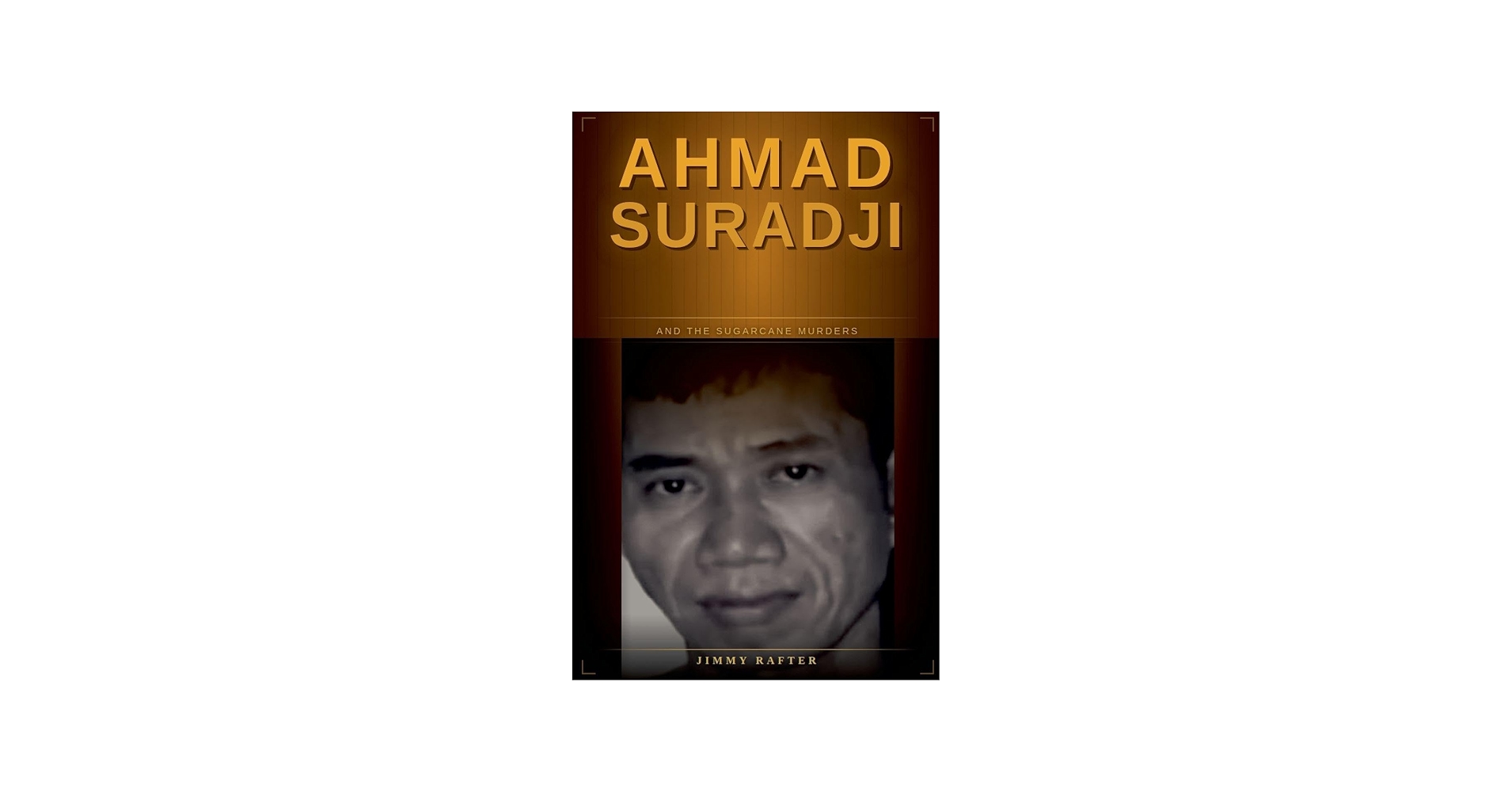
Ahmad Suradji
 Indonesia
Also known as: Dukun AS, Nasib Klewang, Datuk Maringgi
Birthday
January 10, 1949
Birth Sign
Capricorn
Birthplace
Medan, North Sumatra, Indonesia
Age
Died at 59
About
Ahmad Suradji was an Indonesian shaman and serial killer who confessed to murdering 42 girls and women between 1986 and 1997. Born in Medan, North Sumatra, he operated under several aliases including Dukun AS, Nasib Klewang, and Datuk Maringgi. His victims, aged between 11 and 30, were lured to sugarcane plantations near his home where they were buried up to their waists and strangled. Suradji believed these ritualistic killings, driven by a dream from his late father, would grant him supernatural powers and physical invincibility.
His crimes remained undetected for over a decade until police discovered human remains during a search of his property in 1997. Suradji led investigators to 42 graves before standing trial in Jakarta. Convicted of 42 counts of murder, he was sentenced to death and executed by firing squad on July 10, 2008. All three of his wives were convicted as accomplices in his crimes.
Early Life & Background
Ahmad Suradji entered the world on January 10, 1949, in the city of Medan within North Sumatra province. Before his descent into infamy, he worked as a cattle rustler and established himself as a self-styled traditional healer known locally as a dukun. Living in a rural area, he cultivated a reputation as a man possessing special spiritual abilities. This image allowed him to attract followers seeking help for ailments or misfortunes, though there is no record of formal higher education backing his claims.
The trajectory of his life shifted dramatically in 1986 following a vivid dream he reported having. In this vision, his deceased father instructed him that the only way to strengthen his spiritual power and achieve success was to sacrifice young women. Court records document this event as the pivotal moment marking the beginning of his killing spree. From that point forward, he began targeting girls and women under the guise of offering traditional healing or fortune-telling services.
Career Growth
Suradji's criminal career spanned over a decade, defined by a consistent pattern of abduction, ritualistic burial, strangulation, and the consumption of victim saliva. Between 1986 and 1997, he murdered at least 42 individuals, making him one of Indonesia's most prolific serial killers. The frequency of his attacks varied, but the method remained unchanged throughout the period.
In 1997, police launched an investigation after receiving reports of missing persons in the region. A search of his sugarcane plantation revealed human remains, leading to his arrest later that year. During interrogation, Suradji confessed to the murders and guided officers to the locations of all 42 graves. He stood trial in Jakarta in January 1998, where prosecutors presented evidence of the bodies and his detailed confessions.
He was convicted of 42 counts of murder and sentenced to death. While on death row from 1998 until 2008, he maintained his belief in the legitimacy of his actions, often speaking to journalists about the spiritual necessity of his crimes. Despite a last-minute appeal for clemency submitted by Amnesty International in early 2008, the sentence was carried out.
Career Timeline
Public Image & Style
Ahmad Suradji possesses no fandom in the traditional sense. He is not celebrated but reviled. The public narrative surrounding him is strictly that of a "Black Magic Killer." There are no fan clubs, merchandise, or organized gatherings dedicated to him. The audience consists of true crime enthusiasts analyzing the mechanics of his crimes and the psychological profile of a man who believed drinking victim saliva granted him invincibility. His name is synonymous with the darkest corners of Indonesian folklore and the dangers of superstition.
Fame & Fandom (iFAMOUS Rankings)
Ahmad Suradji remains a grim fixture in the annals of criminal history, his name synonymous with the darkest corners of Indonesian folklore. In October 2026, iFANN has evaluated this person but does not currently hold a placement in the published rankings (Global Top 1,000 or a Top-100 scope list). This absence from the current charts reflects the nature of his infamy, which is niche and genre-specific rather than broadly trending across global pop culture signals.
Despite the lack of a current ranking, Suradji holds a permanent place in true crime lore. He is frequently cited in lists of "creepiest serial killers" and "most notorious black magic practitioners" in media outlets such as Business Insider, Cracked, and The Diplomat. Unlike celebrities who inspire devotion, his legacy is built on revulsion rather than adoration. There are no fan clubs, no merchandise, and no ritualistic gatherings dedicated to him; the public reaction has consistently been one of fear and a demand for justice.
The narrative surrounding him is strictly that of a "Black Magic Killer," a title popularized by documentaries and true crime podcasts rather than any positive mythology. The audience consists of true crime enthusiasts analyzing the mechanics of his crimes and the psychological profile of a man who believed drinking victim saliva granted him invincibility. No fanbase exists to celebrate his life, only to dissect the horror of his actions.
Interesting Facts and Legends
Suradji was known by multiple aliases including Dukun AS, Nasib Klewang, and Datuk Maringgi. His crimes went undetected for over a decade because his victims were often reported missing but never traced back to him. The sheer number of graves he led police to made him Indonesia's most prolific serial killer. Despite his notoriety, he was executed relatively quietly compared to other high-profile cases, though it sparked national debates on the death penalty.
A central legend of his case stems from the 1986 dream in which his late father instructed him on how to strengthen his spiritual abilities through specific slayings. This event became the driving force behind his confession. Perhaps the most bizarre aspect of his mythology involves his belief that consuming the saliva of his victims would grant him magical powers and physical invincibility. This detail is frequently cited in news reports and documentaries as the defining characteristic of his crimes.
Notable Quotes
“My father told me in a dream that I must kill women to get power.”
“Drinking their saliva makes me invincible.”
Family & Personal Life
Ahmad Suradji was married three times, and all three wives were convicted as accomplices in his crimes. They played active roles in luring victims or participating in the rituals. The first wife was married prior to the start of the killing spree and was convicted alongside him. The second and third wives were also involved in the crimes and tried as part of the same case.
The family structure was deeply intertwined with his criminal enterprise. The wives did not leave him; instead, they facilitated his operations. There are no public records of children born from these marriages that survived or were raised outside the context of the crime. As of his death in 2008, he was legally married, though all marital ties ended with his execution.
Notable Connections
Three Wives (Convicted Accomplices), Police Investigators (1997), Victims' Families, Amnesty International
Relationships & Dating History
Ahmad Suradji was married three times, and all three wives were convicted as accomplices in his crimes. The first wife was married prior to the start of the killing spree and was convicted alongside him. Specific details regarding their meeting or separation are not widely publicized beyond her role as an accomplice. The second wife was also involved in the crimes. Like the first, she was tried and convicted. The third wife was convicted as part of the same case.
The family structure was deeply intertwined with his criminal enterprise. The wives did not leave him; instead, they facilitated his operations. There are no public records of children born from these marriages that survived or were raised outside the context of the crime, nor are there any details on romantic relationships post-conviction, as he remained incarcerated until execution. As of his death in 2008, he was legally married, though all marital ties ended with his execution.
- MarriedFirst Wife? - 2008Convicted accomplice who assisted in luring victims.
- MarriedSecond Wife? - 2008Convicted accomplice involved in the crimes.
- MarriedThird Wife? - 2008Convicted accomplice in the same case.
Death & Aftermath
Died
July 10, 2008 (aged 59)
Death Place
Jakarta, Indonesia
Cause of Death
Execution by firing squad
Ahmad Suradji faced the firing squad at Cipinang Prison in Jakarta on July 10, 2008, bringing a final end to one of Indonesia's most horrific criminal cases. He was 59 years old when he died. The execution came after Indonesian authorities rejected a last-minute plea for clemency from Amnesty International, despite decades of appeals and legal delays. Suradji had spent over ten years on death row maintaining that his crimes were spiritually mandated by his deceased father.
Public reaction to his death was defined by relief rather than mourning. Families of the 42 victims had long demanded the ultimate punishment, viewing the execution as necessary justice for the brutal ritualistic murders committed between 1986 and 1997. Prison officials handled his remains according to standard protocols for executed prisoners in Indonesia, with no public funeral or memorial service held for him.
Interest in Suradji has persisted well beyond his death, fueled by documentaries and true crime media. His story appeared in the Lifetime Asia documentary An Indonesian Witch Doctor Called Ahmad Suradji and the Spotify podcast episode Gruesome: Horrific True Crime. In December 2024, Malaysian filmmakers released the thriller The Silent Village, which dramatized his killing spree and premiered at the JAFF Market. Academic essays continue to analyze his confession and the investigation into his use of occult practices, serving as cautionary tales about the dangers of blind faith in traditional healers.
Net Worth (Estate Value)
$0
iFANN Editorial Team estimate
There is no credible data suggesting Ahmad Suradji possessed a significant net worth derived from legitimate business ventures or investments. His financial status was likely modest, derived from fees charged for his "healing" services before his arrest. Posthumously, he does not generate estate income; his legacy is managed through media rights and documentaries produced by third parties, not an estate administration. No specific dollar figures exist for his assets or estate value. Research by the iFANN Editorial Team puts his estate value at around $0, reflecting the lack of financial assets associated with his criminal life.
Awards & Accolades
Known For
An Indonesian Witch Doctor Called Ahmad Suradji
2018 · Subject
The Silent Village
2024 · Subject
Keywords
Sources
Quick Facts
- Profession
- serial killer
- Born
- January 10, 1949
- Birthplace
- Medan, Indonesia
- Died
- July 10, 2008
- Death Place
- Jakarta, Indonesia
- Gender
- Male
- Birth Sign
- Capricorn
Personal Details
- Full Name
- Ahmad Suradji
- Children
Filmography
2
Total
1
Film
1
TV
Frequently Asked Questions
Who was Ahmad Suradji?
How did Ahmad Suradji die?
Why did Ahmad Suradji kill so many people?
What was Ahmad Suradji's signature ritual?
Was Ahmad Suradji's family involved in his crimes?

Join the community
fans discussing