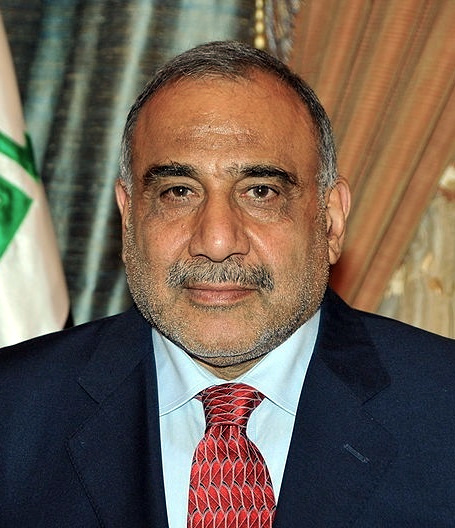
Adil Abdul-Mahdi
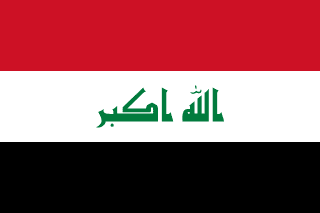 Iraq
Also known as: Adil Abdul Mahdi, Adil Abdul-Mahdi al-Muntafiki
Birthday
January 1, 1942
Birth Sign
Capricorn
Birthplace
Baghdad, Iraq
Age
84 years old
About
Adil Abdul-Mahdi is an Iraqi politician and economist who served as the Prime Minister of Iraq from October 2018 to May 2020. His career spans decades of service within the Iraqi government, including a significant tenure as Vice President from 2005 to 2011. Before leading the country, he held critical economic portfolios, serving as the Minister of Finance during the interim government and later as the Oil Minister between 2014 and 2016. Born into a family in Baghdad, his rise was rooted in technical expertise rather than military rank.
His time in office was marked by intense political turbulence, particularly the widespread Tishreen protests that led to his historic televised resignation in November 2019. As of 2026, Abdul-Mahdi remains active in diplomatic circles, engaging in regional dialogue and offering commentary on geopolitical shifts involving the United States and Iran.
Early Life & Background
Adil Abdul-Mahdi was born Adil Abdul-Mahdi al-Muntafiki in Baghdad, Iraq, during a period that would eventually see the rise of the Ba'ath Party and subsequent regional conflicts. While biographical records often cite 1942, some historical accounts suggest his birth year may be 1943 or 1944, placing him in his mid-eighties by the current decade. Unlike many contemporaries who ascended through military channels, Abdul-Mahdi's foundation was built on academic rigor. He pursued higher education abroad, earning a doctorate in economics from the University of London. This specialized training provided the technical background necessary for his future roles in statecraft.
Before entering the global spotlight, he operated within the complex layers of Iraqi bureaucracy. He was a member of the Supreme Islamic Iraqi Council (SIIC), a Shi'a political party with strong ties to Iran. During the Saddam Hussein regime, he worked as an economist and advisor, often operating under the radar or in exile. His early career focused on economic policy and bureaucratic management, setting the stage for his eventual appointment to high-level government positions following the 2003 invasion. The years prior to his first major public appointment were defined by navigating the shifting political tides of Iraq while maintaining a focus on economic stability.
Career Growth
The fall of Saddam Hussein in 2003 opened new avenues for Abdul-Mahdi, transitioning him from an advisor to a central figure in nation-building. In 2005, he was appointed Vice President of Iraq, serving under President Jalal Talabani until 2011. This role placed him at the heart of drafting the new constitution and managing post-war reconstruction efforts. Following this term, he returned to the cabinet in 2014 as the Minister of Finance in Haider al-Abadi's interim government. In this capacity, he managed the national budget during the war against ISIS, overseeing allocations for security and reconstruction.
From 2016 to 2018, he served as the Oil Minister, navigating volatile international markets and resolving disputes over revenue sharing between the central government and the Kurdistan Regional Government. His most prominent role began in October 2018 when he was appointed Prime Minister. His tenure was immediately challenged by corruption allegations and sectarian gridlock. On November 29, 2019, amidst the Tishreen protests, he made a historic televised resignation, marking the first time an Iraqi Prime Minister stepped down live on air during mass demonstrations. Although he remained as a caretaker initially, he formally left office in May 2020. Since then, he has engaged in high-level diplomacy, including a notable trip to Sanaa, Yemen, in March 2025 to meet with Houthi officials.
Career Timeline
Public Image & Style
Adil Abdul-Mahdi is generally portrayed as a dignified, elderly statesman with a serious, intellectual demeanor. His public image is shaped by his background as an economist, often presenting himself as a pragmatic figure attempting to navigate the complex interests of sectarian groups, foreign powers, and domestic factions. He typically wears formal Western attire, such as suits, during official diplomatic functions. Media coverage characterizes him as a key player in Iraq's transition to democracy, though his legacy is often tied to the crises he managed rather than popular iconography. His presence is defined by high-stakes statecraft rather than celebrity culture.
Fame & Fandom (iFAMOUS Rankings)
Adil Abdul-Mahdi currently holds no placement in the iFANN Global Top 1,000 or any Top-100 scope list. The engine evaluated his standing but found he does not secure a ranked position among the world's most famous figures at this time. His presence remains defined by high-stakes statecraft rather than the metrics that drive celebrity charts. While millions follow political shifts in Baghdad, no formal fanbase has coalesced around him with a specific moniker or organized identity. Supporters do not call themselves by a unique name, nor do they engage in rituals typical of pop culture icons. There are no fan-funded projects, charity drives under his banner, or social media campaigns designed to boost his visibility in the manner of a concert tour. The crowds that gathered in Tahrir Square were driven by urgent political demands for resignation and an end to corruption, not by adoration. These demonstrations were acts of civic protest against government failure, distinct from the fervor of a fandom. Even his controversial recent activities, such as diplomatic travels to Yemen, generated geopolitical analysis rather than viral cultural myths. He is a statesman whose legacy rests on policy decisions and historical moments like his televised resignation during the Tishreen protests. No legends have emerged from his career in the sense of folk tales or iconic performances. The narrative surrounding him is one of serious political engagement, marked by crises and resignations, devoid of the entertainment industry machinery that creates modern fandoms. He is not featured on the September 2026 iFAMOUS Rankings flagship list.
Interesting Facts and Legends
Adil Abdul-Mahdi's televised resignation in November 2019 stands as a unique moment in Middle Eastern politics, where a leader stepped down live on camera amidst a revolution. His diplomatic efforts extended beyond Iraq's borders; in March 2025, he traveled to Sanaa, Yemen, to meet with Houthi officials, acting as an envoy in a region fraught with tension. During his tenure, he also made symbolic gestures to promote unity, such as visiting St. George's Anglican Church in Baghdad in February 2019 to foster interfaith harmony. In June 2023, he publicly criticized US counterterrorism strategies, asserting that Washington sought to balance terror rather than defeat it. These events form the core of his public record, characterized by crisis management and complex international diplomacy.
Notable Quotes
“The United States only attempts to balance terror rather than defeat it.”
“We must emphasize the importance of dialogue and understanding to serve Iraq's interests.”
Family & Personal Life
Adil Abdul-Mahdi maintains a notably private personal life, typical of senior Iraqi statesmen. There are no public records detailing his spouse's name, children, or specific family dynamics. While widely reported to be married, the identity of his partner and any offspring have never been disclosed to the media. This discretion reflects a cultural norm among high-ranking Iraqi officials who separate their public service from their private family lives. No credible sources confirm details about his household, pets, or extended family stories. His biography focuses almost exclusively on his professional achievements and political milestones.
Notable Connections
Relationships & Dating History
Adil Abdul-Mahdi maintains a notably private personal life, typical of senior Iraqi statesmen. There are no public records of romantic relationships, dating history, engagements, or marriages in the media. Unlike celebrity figures, his biography does not include details about spouses, children, or partners. He is widely reported to be married, but the identity of his spouse and any children have never been disclosed to the public, and no credible sources confirm specific relationship timelines. Consequently, there is no information available regarding divorce, widowhood, or current dating status. The absence of such details reflects a cultural norm among high-ranking Iraqi officials who separate their public service from their private family lives. As of 2026, his marital status is officially recorded as "married," but the name of his partner and details of their relationship remain unknown to the public.
Salary, Net Worth In 2026
$5 Million
iFANN Editorial Team estimate
Specific net worth figures for Adil Abdul-Mahdi are not publicly available in the same manner as they are for celebrities. Politicians in Iraq do not typically disclose detailed asset portfolios, and financial reporting on them is scarce. Estimates suggest his wealth is derived from decades of government salaries, potential real estate holdings in Baghdad and Erbil, and investments in the energy sector given his background as Oil Minister. Unlike business tycoons, his wealth is not tied to stock markets or endorsement deals. It is safe to conclude that while he is financially secure, his assets are not a subject of public scrutiny or tabloid calculation. The iFANN Editorial Team estimates his net worth at approximately $5 Million based on available data regarding his long-term public service and lack of commercial ventures.
Awards & Accolades
View 1 records, honours and achievementsKnown For
Prime Minister of Iraq
2018-2020 · Head of Government
Vice President of Iraq
2005-2011 · Second-in-Command
Minister of Finance
2014-2016 · Cabinet Member
Keywords
Sources
Quick Facts
- Profession
- politician, economist
- Born
- January 1, 1942
- Birthplace
- Baghdad, Iraq
- Gender
- Male
- Birth Sign
- Capricorn
Personal Details
- Full Name
- Adil Abdul-Mahdi al-Muntafiki
- Children
- Education
- Doctorate in Economics from the University of London
Frequently Asked Questions
How old is Adil Abdul-Mahdi?
Who is Adil Abdul-Mahdi's wife?
Did Adil Abdul-Mahdi resign as Prime Minister?
What is Adil Abdul-Mahdi's net worth?
Is Adil Abdul-Mahdi still politically active?
Similar People
Join the community
fans discussing