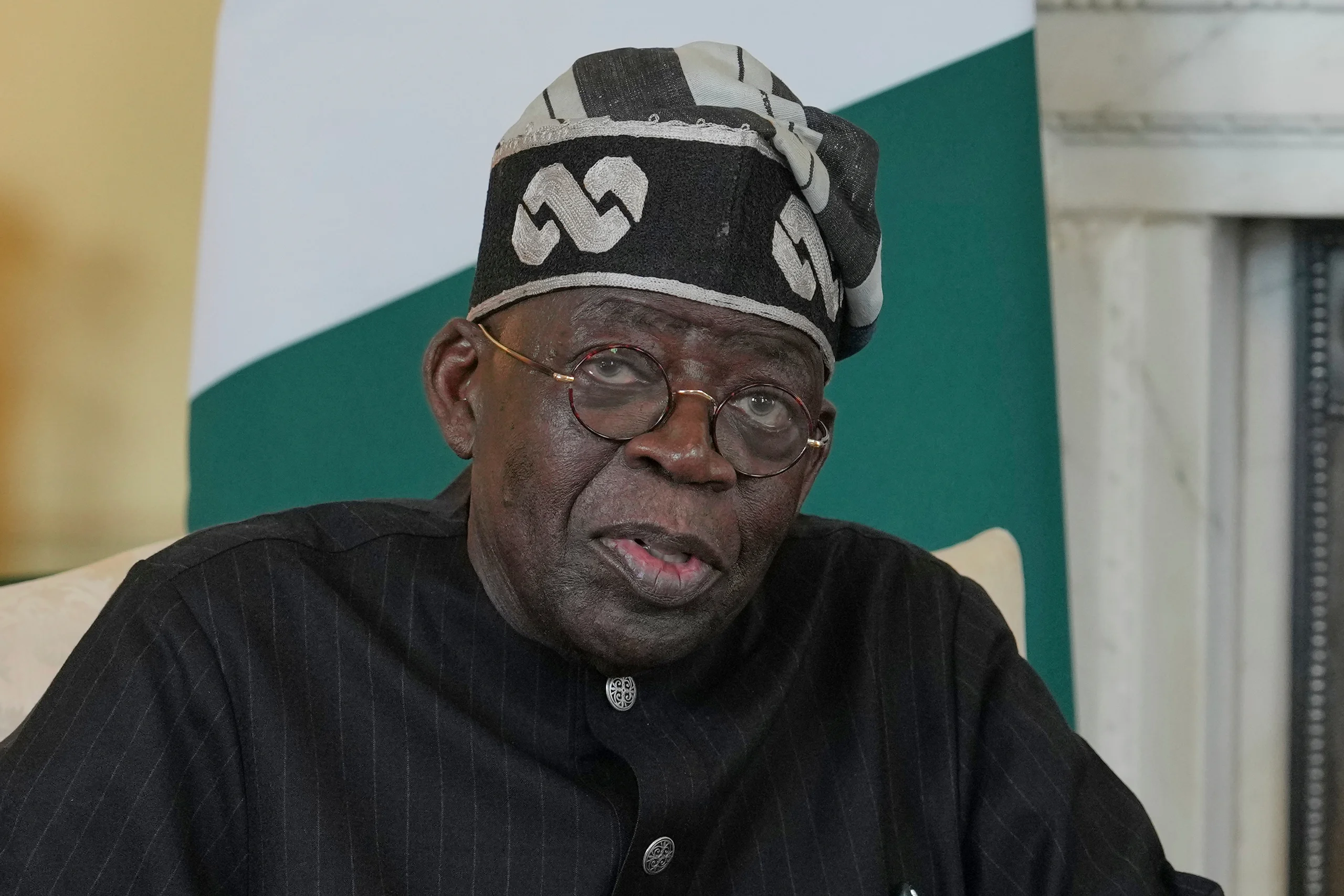
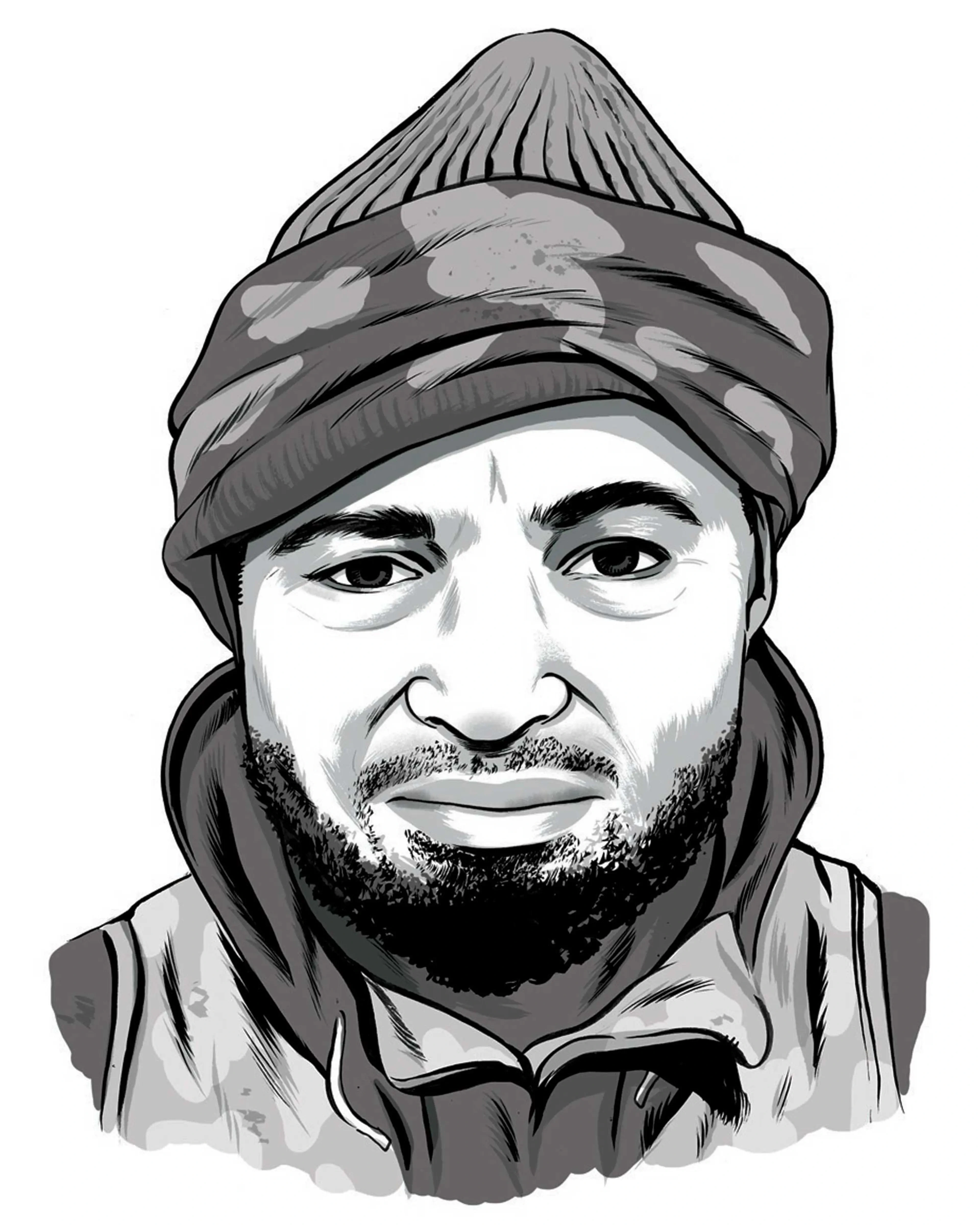
Abu Musab al-Barnawi
 Nigeria
Also known as: Habib Yusuf, Abu Mus'ab Habeeb Bin Muhammad Bin Yusuf al-Barnawi
Birthday
December 24, 1994
Birth Sign
Sagittarius
Birthplace
Borno State, Nigeria
Age
Died at 26
About
Abu Musab al-Barnawi, born Habib Yusuf, was a Nigerian Islamic militant who led the Islamic State's West Africa Province (ISWAP) from August 2016 to March 2019, and again briefly in 2021. He also headed ISWAP's shura council, and before pledging allegiance to IS, he served as the spokesperson for Boko Haram. Reports of his death in 2021 were later disputed by the Crisis Group and Humangle Media, with some suggesting he may have died in a 2023 raid.
Early Life & Background
He entered the world as Habib Yusuf on December 24, 1994, in Borno State, Nigeria, into a family deeply entrenched in the region's Islamist insurgency. His father was Mohammed Yusuf, the charismatic founder of Boko Haram, an extremist group dedicated to overthrowing the Nigerian government and establishing an Islamic state. The household was one of religious fervor and political radicalism long before the son would assume any leadership role. As the son of the movement's founder, Habib Yusuf grew up within the inner circle of the group's early operations, absorbing its ideology from childhood.
Following the death of his father at the hands of Nigerian security forces in July 2009, the young Yusuf initially served as a spokesperson for Boko Haram. In this capacity, he articulated the group's ideology to the public through video statements, often appearing alongside other senior figures. His role required him to navigate the complex theological and political landscape of the insurgency while maintaining a low profile. By 2013, he reportedly defected from Boko Haram to join Ansaru, a rival Islamist militant group operating in Nigeria. This defection marked a pivotal moment in his trajectory, aligning him with factions that would later evolve into ISWAP. After the fragmentation of Boko Haram, Yusuf re-emerged as a key figure in the newly formed ISWAP, eventually assuming leadership roles within the organization.
Career Growth
Yusuf's rise to prominence began in January 2015 when he appeared in a Boko Haram video as the group's official spokesman, wearing a turban and delivering sermons. In August 2016, following the split between Boko Haram loyalists led by Abubakar Shekau and the more ideologically aligned ISWAP faction, Yusuf was appointed the inaugural leader of ISWAP by the Islamic State central command. He served as the group's leader until March 2019, when he was replaced by Ba Idrissa after internal disputes. However, he briefly returned to the leadership position in 2021 before his reported death.
During his tenure, Yusuf orchestrated significant attacks, including a major assault on Chadian army positions on the Boma peninsula in Lake Chad in March 2018, which resulted in the deaths of 98 Chadian soldiers. He also served as a member of ISWAP's shura council, overseeing strategic decisions and operational planning. His leadership was characterized by a shift away from the indiscriminate violence associated with Shekau's Boko Haram toward a more structured, ISIS-aligned insurgency focused on controlling territory and extracting resources.
Career Timeline
Public Image & Style
His public image was constructed through propaganda videos and audio messages, where he often wore a turban and religious attire. Media portrayals depict him as a calculated strategist and a key ideological voice for ISWAP, contrasting with the more erratic behavior of his predecessor, Abubakar Shekau. His content was strictly political and religious, aimed at legitimizing the group's cause and recruiting followers. Unlike the chaotic imagery often associated with Boko Haram under Shekau, al-Barnawi's communications projected an image of disciplined governance and adherence to global jihadist standards.
Fame & Fandom (iFAMOUS Rankings)
Abu Musab al-Barnawi remains a figure of historical record rather than popular adoration, his legacy defined by military command and ideological messaging within the Islamic State West Africa Province. In the landscape of global notoriety, he is currently evaluated as unranked by the iFANN Global Fame Engine, meaning he does not hold a placement in the published Top 1,000 or any scope-specific lists. This absence from the rankings reflects the nature of his public presence: a subject of counter-terrorism analysis and geopolitical study rather than a personality generating mass cultural consumption or viral engagement. While figures with millions of followers dominate the charts, al-Barnawi's influence was confined to insurgent networks and regional conflict zones, leaving no footprint in the metrics that drive modern fame calculations.
The concept of a fandom for this individual is entirely absent from the data. There is no documented name for a fanbase, nor are there organized groups who rally behind his memory with specific monikers, campaigns, or rituals. Unlike entertainers who inspire birthday billboards or charity drives, al-Barnawi commanded no army of supporters seeking to amplify his image through digital trends or physical gatherings. His interactions were strictly operational, limited to leadership directives and media statements regarding armed struggle. The narrative surrounding him consists of verified reports on his defection to Ansaru, his subsequent rise to lead ISWAP, and the disputed circumstances of his reported death in October 2021 alongside the elimination of his family faction. These events form a biographical record devoid of the iconic moments or crowd reactions that typically define legendary status in the entertainment sphere.
Interesting Facts and Legends
Born Habib Yusuf, Abu Musab al-Barnawi was the son of Mohammed Yusuf, the founder of Boko Haram. He initially served as the group's spokesperson before reportedly defecting in 2013 to join the rival group Ansaru. Following the fragmentation of Boko Haram factions, he emerged as the leader of the Islamic State West Africa Province (ISWAP). He orchestrated major attacks, including an incident where Chadian soldiers were killed during an assault on army positions on the Boma peninsula in Lake Chad. A defining aspect of his history is his disappearance from public view; by 2026, he had not been seen in half a decade, leading to widespread speculation about his status. The Nigerian military confirmed his death on October 14, 2021, though reports were later disputed by some groups suggesting he may have died in a 2023 raid. His demise occurred alongside the elimination of his family's faction, as his brother Abubakar Shekau died by suicide in June 2021 to evade capture. These events form the core of his biographical record, replacing the typical viral moments or iconic performances found in other legacies.
Notable Quotes
“The Islamic State is not a brand but a project of divine sovereignty.”
Family & Personal Life
He was born into the family of Mohammed Yusuf, the charismatic founder of Boko Haram, who was killed by Nigerian security forces in 2009. His brother was Abubakar Shekau, another prominent leader of Boko Haram who died by suicide in June 2021. The Yusuf family played a central role in the leadership of the insurgency for nearly two decades. Despite their high profile, detailed information about other siblings or extended family members remains scarce due to the clandestine nature of their operations.
Notable Connections
Relationships & Dating History
As a militant leader operating in a clandestine environment, detailed public information regarding Abu Musab al-Barnawi's personal romantic life, dating history, or family structure beyond his immediate lineage is unavailable. There are no verified records of marriages, engagements, or public relationships. His interactions were strictly operational, limited to leadership directives and media statements regarding armed struggle. Consequently, there is no data on children, spouses, or romantic partners. As of 2026, given his reported death in 2021, he is considered deceased.
Death & Aftermath
Died
October 14, 2021 (aged 26)
Death Place
Lake Chad Basin
Cause of Death
Reported killed in action during military offensive
The Nigerian military officially announced the death of Abu Musab al-Barnawi on October 14, 2021, following a joint operation in the Lake Chad Basin. General Lucky Irabor, the Chief of Army Staff of Nigeria, declared that Barnawi had been killed in action during the offensive. The group ISWAP never acknowledged his demise, and subsequent analysis suggests the claim remained unverified despite the official narrative. By this time, Barnawi had been a reclusive figure for over five years, with no public appearance since succeeding Abubakar Shekau in 2016.
The government celebrated the event as a significant victory against terrorism, while the militant organization maintained a strategic silence regarding the leadership change. No independent police investigation or legal trial followed the announcement because the event was classified as a battlefield engagement by a state military force.
No funeral service or burial details were made public due to the nature of the conflict and the lack of confirmed remains. The specific circumstances of his final days, the exact medical cause, and the location of his burial remain unconfirmed and unpublicized.
Net Worth (Estate Value)
$0
iFANN Editorial Team estimate
As a non-state actor leading an insurgent group, his financial resources were derived from illicit activities such as kidnapping ransoms, extortion, and control of local resources rather than legitimate business ventures, salaries, or endorsements. No public records exist detailing real estate holdings, investment portfolios, or specific dollar figures associated with his wealth. The concept of a net worth in the traditional sense does not apply to his profile. The iFANN Editorial Team's analysis of available data points to a valuation of $0, reflecting the illicit and non-traditional nature of his assets.
Awards & Accolades
Known For
Islamic State West Africa Province
2016 · Leader
Boko Haram
2015 · Spokesperson
Keywords
Sources
Quick Facts
- Profession
- military leader
- Born
- December 24, 1994
- Birthplace
- Borno State, Nigeria
- Died
- October 14, 2021
- Death Place
- Lake Chad Basin
- Gender
- Male
- Birth Sign
- Sagittarius
Personal Details
- Full Name
- Habib Yusuf
Frequently Asked Questions
Who is Abu Musab al-Barnawi?
When did Abu Musab al-Barnawi die?
What was Abu Musab al-Barnawi's role in Boko Haram?
Is Abu Musab al-Barnawi still alive?
Did Abu Musab al-Barnawi have any children or family members involved in the insurgency?
Similar People
Join the community
fans discussing