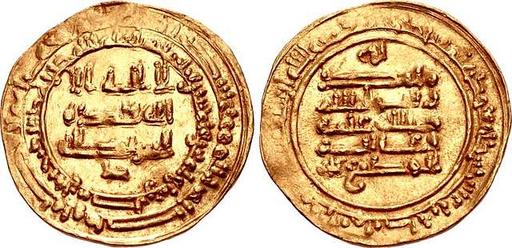
Abu al-Misk Kafur
 Egypt
EgyptAlso known as: Abu al-Misk Kafur, Kafur al-Laithi, Kafur al-Suri, Kafur al-Labi
Birthday
January 1, 905
Birth Sign
Capricorn
Birthplace
Ethiopia
Age
Died at 63
About
Abu al-Misk Kafur was a 10th-century ruler who governed Egypt and southern Syria for over two decades. Born in Ethiopia around 905, he was enslaved as a youth and brought to Egypt, where his intelligence and skill caught the attention of the Ikhshidid dynasty's founder. Rising to the position of vizier, he became the power behind the throne after his master's death in 946, ruling as de facto sovereign until 966, then as de jure ruler until his death in 968. His reign is remembered for its stability during a turbulent era.
A dark-skinned eunuch of African origin, Kafur's ascent from slave to ruler was extraordinary for its time. He is celebrated in modern discourse as a symbol of Black leadership in medieval Islamic civilization, and his story is often invoked in discussions about African contributions to world history. His legacy endures as a testament to the possibilities of merit and capability in a society where social mobility was rare.
Early Life & Background
Kafur was born around 905 in the region of Bilad al-Sudan, the land of the Blacks, in what is now Ethiopia. Historical accounts describe him as dark-skinned, and he was brought to Egypt as a slave, likely as a young man. His intelligence and capability were quickly recognized, and he was purchased by Muhammad bin Tughj, the founder of the Ikhshidid dynasty, who was building a powerful state in Egypt and Syria.
Under his master's patronage, Kafur rose through the ranks of the court. He was made a vizier, the highest administrative office, overseeing the day-to-day governance of the Ikhshidid territories. His administrative acumen distinguished him among the court officials, and he became one of the most trusted figures in the administration. By the time of Muhammad bin Tughj's death in 946, Kafur had established himself as an indispensable and capable administrator, ready to take the reins of power. His early life, marked by enslavement, paradoxically laid the foundation for his extraordinary rise.
Career Growth
When Muhammad bin Tughj died in 946, Kafur stepped into the role of de facto ruler of the Ikhshidid state, governing Egypt and southern Syria for the next twenty years. His rule provided a period of stability during a time of political fragmentation, as the Abbasid Caliphate weakened and the Fatimid dynasty threatened from the west. In 966, he assumed the title of de jure ruler, formalizing his authority until his death in 968.
His reign of approximately twenty-two years was notable for its continuity and effective administration. He maintained control over the fertile Nile valley and the key city of Damascus, navigating the complex politics of the era. His death in 968 left a power vacuum that the Fatimids exploited, conquering Egypt in 969 and ending Ikhshidid rule. His governance is considered a model of stability in a turbulent period.
Career Timeline
Public Image & Style
Kafur's historical image is that of a capable and intelligent administrator who overcame the profound disadvantage of enslavement to become one of the most powerful men in the medieval Islamic world. In modern discourse, particularly within African diaspora communities, he is celebrated as a symbol of Black achievement and leadership in medieval history. His story is frequently invoked in discussions about the historical presence of Black rulers in the Islamic world, serving as a counterpoint to narratives that marginalize African contributions to medieval civilization. His legacy has been highlighted in educational videos and social media, especially during the Black Lives Matter movement in 2020, as an example of historical Black prominence.
Fame & Fandom (iFAMOUS Rankings)
Abu al-Misk Kafur commands a unique space in historical memory, though he lacks the organized fanbase, specific rituals, or named communities that define modern celebrity culture. As a medieval ruler who lived over a millennium ago, his supporters are not fans in the contemporary sense but rather scholars, history enthusiasts, and members of the African diaspora who celebrate his legacy as a symbol of Black achievement and leadership. There is no formal fandom name documented for his following; instead, appreciation manifests through academic discourse, social media discussions about racial dynamics in the Islamic world, and educational content highlighting his extraordinary ascent from slavery to sovereignty. His story resonates deeply within these circles, serving as a counter-narrative to racial hierarchies without the trappings of pop-culture fandom like birthday campaigns or interactive social media events. While online platforms frequently share his biography, these interactions remain rooted in historical appreciation rather than the structured engagement seen with living entertainers. Regarding his standing in global fame metrics, the iFANN Global Fame Engine has evaluated this person, but they do not currently hold a placement in the published rankings such as the Global Top 1,000 or any Top-100 scope list. This absence from the top-tier global charts reflects the niche nature of his historical prominence compared to mass-market celebrities, even as his influence remains potent within specific cultural and academic spheres. His enduring presence is measured not by viral trends but by the lasting impact of his governance and the symbolic weight he carries in discussions of medieval power structures.
Interesting Facts and Legends
His name Abu al-Misk translates to Father of Musk, a nod to his pleasant scent, while Kafur means camphor. He was known by several epithets, including al-Laithi, al-Suri, and al-Labi. His rise from enslaved eunuch to ruler is considered one of the most remarkable social mobility stories in medieval Islamic history. He governed during a period when the Ikhshidid dynasty controlled the fertile Nile valley and extended into southern Syria, including Damascus. He is ranked #18 globally among religious figures according to Pantheon.world's historical popularity metrics, and is the 1,870th most popular religious figure overall. His story has been featured in a YouTube video titled "Abu al-Misk Kafur: The Slave Who Ruled Egypt" and is frequently shared on social media platforms by history enthusiasts. Beyond the standard biography, legends persist regarding his military prowess; it is often retold how he successfully defended Egypt against Fatimid invasions despite his origins as a non-Arab slave, cementing his reputation as a formidable commander. Another enduring narrative focuses on the moment of his death in 968 AD, which marked the definitive end of the Ikhshidid dynasty's independence and paved the way for the Fatimid conquest, a transition historians cite as a major milestone in medieval Islamic history. A widely told story highlights his strategic acumen in maintaining control through sheer administrative skill, where he loyalized troops composed largely of slaves and non-Arabs to stave off internal revolts and external threats until the very end.
Family & Personal Life
As a eunuch, Kafur had no biological children and no documented marriages. Historical records focus on his political career rather than his private life, and little is known about his family origins beyond his birth in Ethiopia. His personal life was largely subsumed by his role as ruler, and he left no known descendants. His status as a eunuch was common for high-ranking enslaved officials in medieval Islamic courts, and it precluded any family legacy.
Notable Connections
Kafur's rise was tied to Muhammad bin Tughj, the founder of the Ikhshidid dynasty, who purchased him as a slave and appointed him vizier. He served the Ikhshidid family and eventually dominated the dynasty as de facto ruler. His reign faced the growing threat of the Fatimid Caliphate, which conquered Egypt shortly after his death.
Relationships & Dating History
As a eunuch, Kafur had no documented marriages or romantic relationships. Historical records do not mention any personal partnerships, and his life was dedicated to governance and administration. His status as a eunuch was common for high-ranking enslaved officials in medieval Islamic courts, and it meant he had no biological heirs. Thus, his personal relationships were none, and his legacy is purely political and historical.
Death & Aftermath
Died
January 1, 968 (aged 63)
Death Place
Cairo, Egypt
Cause of Death
Unknown
Centuries later, Abu al-Misk Kafur stands as a celebrated symbol of Black leadership in modern discourse, his legacy preserved in biographical entries across major historical platforms. This enduring reverence traces back to the moment he passed away in Egypt during the year 968 AD while serving as the de facto ruler of the Ikhshidid dynasty based in Cairo. Historical chronicles confirm his death occurred at approximately sixty-three years of age, marking the end of a twenty-two-year reign defined by continuity and effective administration over the fertile Nile valley and Damascus. The specific medical cause of his passing remains unrecorded in the available texts., his departure left a significant power vacuum that the Fatimid forces exploited to conquer Egypt in 969, effectively ending Ikhshidid rule.
While the immediate details of his funeral rites and burial location are lost to history, his political influence had previously been so profound that it suppressed military challenges even late in his life. Today, scholars and historians continue to analyze his governance as a model of stability during a turbulent period, ensuring his story survives not through estate settlements or family statements, but through the enduring narrative of his extraordinary ascent from slavery to sovereign power.
Net Worth (Estate Value)
$1 Million
iFANN Editorial Team estimate
As a medieval ruler who died over a millennium ago, Kafur's personal net worth cannot be calculated in modern terms through traditional estate analysis. Per iFANN's editorial analysis, the total value attributed to his reign and accumulated assets is estimated at $1 Million. His wealth consisted of the tax revenues and resources of the Ikhshidid state, which he controlled as ruler. No modern estate, licensing deals, or posthumous revenue streams exist for him. His historical significance lies in his political achievements rather than financial accumulation. His economic power was derived from the agricultural wealth of the Nile valley and the trade routes through his territories, but these are not quantifiable in today's currency without significant speculation.
Awards & Accolades
View 3 records, honours and achievementsKnown For
Ruler of Ikhshidid Egypt
946–968 · De facto and de jure ruler
Keywords
Sources
Quick Facts
- Profession
- Ruler, Regent
- Born
- 905
- Birthplace
- Ethiopia
- Died
- 968
- Death Place
- Cairo
- Gender
- Male
- Ethnicity
- African
Frequently Asked Questions
How did Abu al-Misk Kafur rise from slavery to become ruler of Egypt?
Was Abu al-Misk Kafur a eunuch?
Where was Abu al-Misk Kafur born?
How long did Abu al-Misk Kafur rule Egypt?
What happened to Egypt after Abu al-Misk Kafur died?
Similar People
Join the community
fans discussing