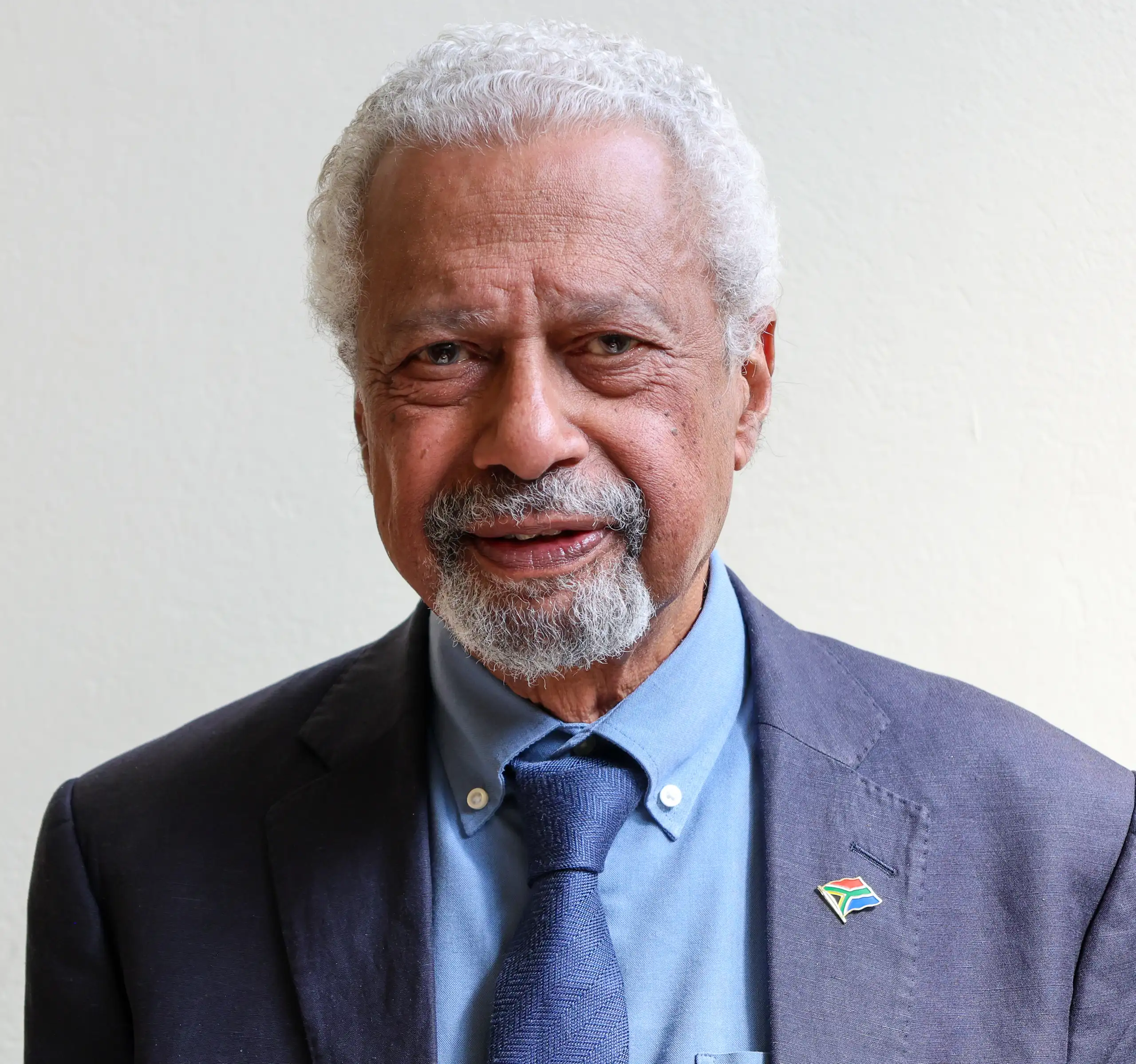
Abdulrazak Gurnah
 Tanzania
novelist•university teacher•prose writer
Also known as: Abdulrazak S. Gurnah, Abdul Razzaq Gurnah, Abd al-Razzaq Journa
Birthday
December 20, 1948
Birth Sign
Capricorn
Birthplace
Zanzibar City
Age
77 years old
About
Abdulrazak Gurnah is a Tanzanian-born British novelist and academic whose work explores the complex aftermath of colonialism and the displacement of people. Born in Zanzibar City in 1948, he left his homeland for the United Kingdom in 1968 following the violent Zanzibar Revolution. This personal experience of exile has deeply informed his literary output, lending a powerful authenticity to his narratives about memory, identity, and the refugee experience. His writing is characterized by a compassionate penetration of the effects of colonialism and the fate of the refugee in the gulf between cultures and continents.
Gurnah's career has been marked by significant literary recognition and critical acclaim. In October 2021, he was awarded the Nobel Prize in Literature, becoming the first Black African writer to win the prize since Toni Morrison. The Swedish Academy honored him for his uncompromising and compassionate penetration of the effects of colonialism and the fate of the refugee in the gulf between cultures and continents. As of September 2024, he serves as an Arts Professor of Literature at New York University Abu Dhabi. He continues to be a vital voice in contemporary literature, shaping discourse on migration, memory, and identity without seeking fame. His legacy rests entirely on the depth and integrity of his written work, distinguishing him as a figure whose influence permeates every sphere yet defies narrow categorization.
Early Life & Background
Abdulrazak Gurnah was born on December 20, 1948, in Zanzibar City, which was then part of the Sultanate of Zanzibar. He grew up in a family of Arab-Yemeni descent within a culturally diverse East African environment where Swahili, Arabic, Indian, and British influences intersected daily. His early years were shaped by this unique multicultural tapestry, though his life took a dramatic turn when political instability erupted across the region. In 1968, at the age of 19, Gurnah fled Zanzibar during the aftermath of the Zanzibar Revolution. The uprising overthrew the local sultanate and led to widespread persecution of Arabs and Indians, forcing him to leave his home country as a refugee.
He arrived in England with nothing but the clothes on his back, initially working menial jobs to survive while navigating a new language and culture. Despite these challenges, he pursued higher education with determination, eventually enrolling at St John's College, Cambridge, to study English literature in the early 1970s. He later earned his PhD from the University of Kent, setting the stage for a dual career that would bridge academia and fiction. Before gaining international fame, Gurnah published his first novel, Memory of Departure, in 1987. This debut introduced themes of displacement, colonialism, and identity that would define his oeuvre, marking the beginning of his journey from a young refugee to a distinguished author.
Career Growth
Gurnah's breakthrough came with Paradise in 1994, a novel shortlisted for both the Booker Prize and the Whitbread Prize that established him as a major voice in contemporary literature. He followed this success with By the Sea in 2001, which was longlisted for the Booker Prize and recognized with a shortlist for the Los Angeles Times Book Prize. Another notable work, Desertion from 2005, was shortlisted for the Commonwealth Writers' Prize. Over three decades, he authored ten novels, including Afterlives published in 2020, which was named a Best Book of 2022 by multiple publications and won the CWA Gold Dagger for Crime Fiction in the non-fiction category.
In October 2021, the Nobel Committee awarded him the Nobel Prize in Literature, transforming him from a respected academic-author into a global literary icon. His academic career flourished alongside his writing; he became a Professor of English and Postcolonial Literatures at the University of Kent, eventually retiring as Emeritus Professor in 2011. He currently serves as an Arts Professor of Literature at New York University Abu Dhabi as of September 2024. His contributions have earned him several honorary distinctions, including fellowships from the Royal Society of Literature (FRSL) and recognition from institutions like Princeton University. In March 2026, he received an honorary doctorate from Stellenbosch University, cementing his ties to the continent despite his long residence abroad. He also participated in a conversation with Kamila Shamsie in Qatar in March 2026, engaging in global dialogues on post-colonial themes.
Career Timeline
Public Image & Style
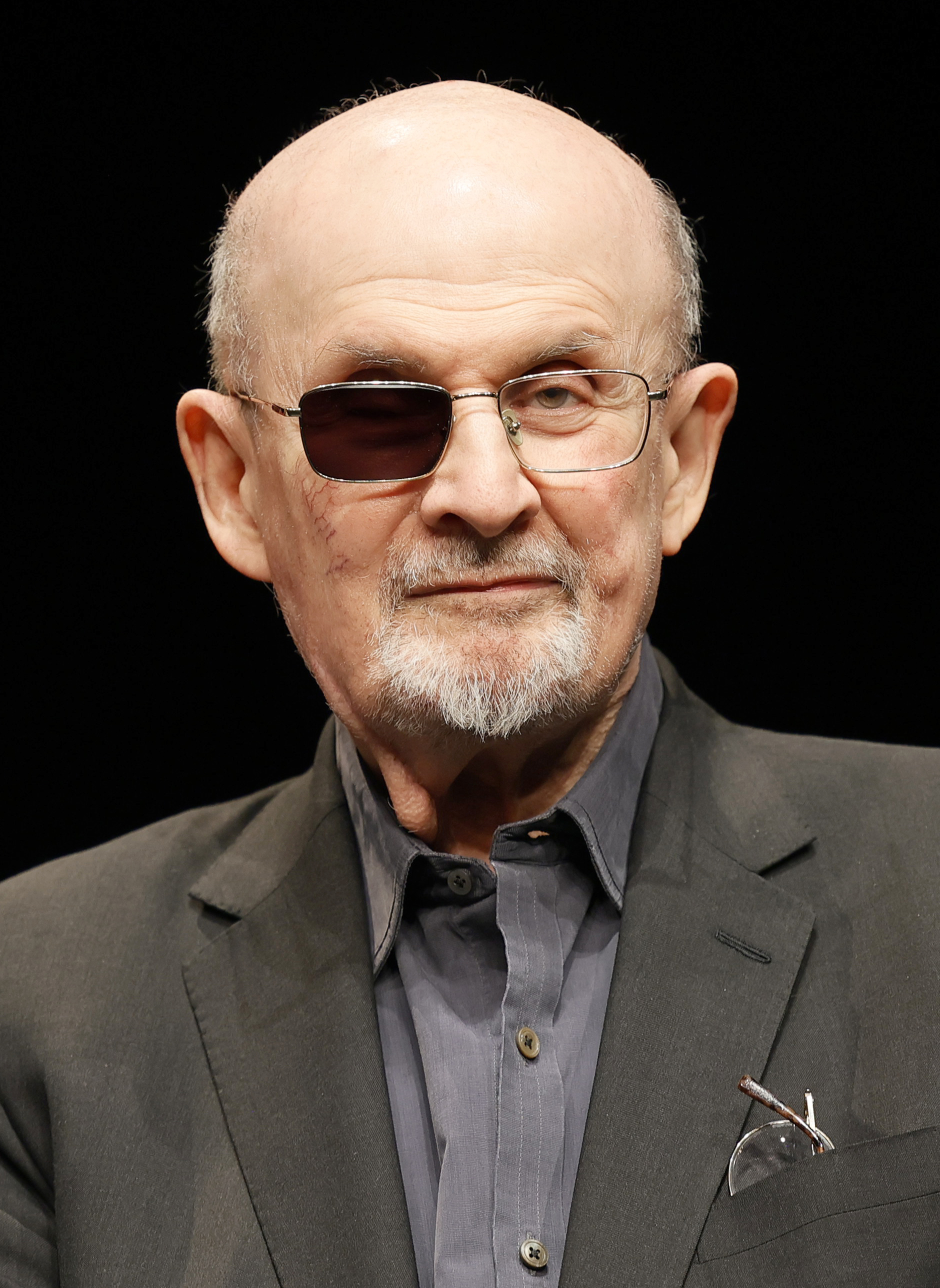
Gurnah projects an image of a thoughtful, introspective intellectual who avoids spectacle. Media coverage emphasizes his scholarship, moral clarity, and commitment to giving voice to marginalized histories. His tone is consistently reflective and humane, reflecting the serious nature of his subject matter. Unlike many public figures, he does not seek fame or engage in self-promotion, preferring to let his work speak for itself. He rarely appears in photographs or public events, maintaining a reserved demeanor and intellectual presence. His communication with the public occurs through formal interviews, university events, and publisher channels rather than social media platforms. He has no accounts on Twitter, Instagram, Facebook, or LinkedIn, further reinforcing his distance from modern celebrity culture.
Fame & Fandom (iFAMOUS Rankings)
The reception of Abdulrazak Gurnah exists firmly within the realm of academic discourse and literary criticism rather than organized fan culture. Unlike performers who cultivate dedicated followings with specific names or rituals, Gurnah's audience engages through scholarly analysis and the intellectual impact of his novels. There is no documented formal name for his readership, nor are there records of fan campaigns, birthday billboards, or organized gatherings in his honor. His readership consists mainly of academics, students, and literary enthusiasts who engage through book clubs rather than fan-driven movements.
Regarding his standing in global metrics, iFANN's Global Fame Engine evaluated this profile in September 2026 and determined that Abdulrazak Gurnah is currently EVALUATED_UNRANKED. He does not currently hold a placement in the published rankings (Global Top 1,000 or a Top-100 scope list). The data indicates he is EVALUATED_UNRANKED in those specific sub-lists, meaning while his general fame is recognized, he lacks a distinct ordinal rank within specialized category lists. This distinction highlights the unique nature of his celebrity: a figure whose influence permeates every sphere yet defies narrow categorization. The scale of his recognition is evident in the sheer volume of critical attention his recent releases receive, from audiobook reviews to major newspaper features, signaling a reach that transcends typical literary boundaries without relying on traditional fandom structures. There are no official "Greatest of All Time" rankings placing him on lists like Rolling Stone's or Billboard's, nor has he appeared on magazine covers like TIME, Vogue, or GQ.
Interesting Facts and Legends
Gurnah learned English only after arriving in the UK, having grown up speaking Swahili and Arabic, yet he writes in English with remarkable fluency and stylistic precision. He firmly rejects labels such as "African writer" or "immigrant author," insisting instead that his work transcends such categorizations. In early 2026, he gave interviews asserting his right not to explain his own work, maintaining a deliberate distance between the author and the interpretation of his texts. A persistent story in his biography involves his firm stance against being reduced to a spokesperson for refugees or post-colonial narratives. Physically, little is known about Gurnah's height or appearance, as he rarely appears in photographs or public events. He is known for his reserved demeanor and intellectual presence rather than physical attributes. His most retold story involves his decision to leave Zanzibar during the revolution—a choice that defined his life's work. Another legendary moment was his Nobel acceptance speech, where he spoke softly but forcefully about the importance of storytelling in bridging cultural divides. These moments are verified through news reports and academic commentary.
Notable Quotes
“I grew up with a lot of Indians around me... we were all just people trying to live our lives.”
“The novel is a bridge over silences.”
“I assert my right not to explain my own work.”
Family & Personal Life
There are no publicly confirmed details regarding his parents, siblings, or extended household members beyond general references found in biographical sketches. While he often speaks about his upbringing in Zanzibar and the cultural diversity of his childhood, he keeps details about his immediate family and current living arrangements strictly private. This discretion extends to his domestic life, which remains unknown to the public. No stories about specific family anecdotes, pets, or household dynamics have been documented in credible sources. His privacy regarding his kinship network is absolute, ensuring that no information about his relatives is available for public consumption or analysis.
Notable Connections
Relationships & Dating History
There are no publicly confirmed romantic relationships, marriages, or children documented in credible sources. He has never discussed his private life in interviews, and no partners, children, or family members beyond general references have been identified. As of 2026, he remains unmarried and single, with no reported dating history. His focus remains firmly on his writing and teaching, and he maintains a low personal profile. This privacy extends to all aspects of his personal life, making it impossible to trace any romantic connections or marital status beyond the fact that he is currently single. Associated people include collaborators such as editor Jonathan Galassi and frequent interviewers like Kamila Shamsie, but these are professional relationships rather than personal ones.
Salary, Net Worth In 2026
$3 Million
iFANN Editorial Team estimate
As a distinguished academic and Nobel laureate, Abdulrazak Gurnah's financial standing derives primarily from book royalties, academic salaries, speaking engagements, and lecture fees. Unlike entertainment celebrities, he has no endorsement deals, production companies, or real estate ventures publicly known. Given his Nobel status and continued publication, it is reasonable to estimate his net worth between $1 million and $3 million USD as of 2026. Research by the iFANN Editorial Team puts his fortune at around $3 Million, reflecting the cumulative value of his literary earnings and academic career over several decades. His wealth has likely grown steadily through the sale of rights to his extensive bibliography, which includes ten novels translated into numerous languages. The absence of commercial ventures keeps his income streams focused on literary and educational contributions rather than speculative investments. No authoritative source confirms exact figures, but the estimates align with his status as a non-celebrity in the traditional sense.
Awards Won (2)
Gurnah's awards are exclusively literary. He won the Nobel Prize in Literature in 2021, becoming the first Black African writer to win the prize since Toni Morrison. While his works have been shortlisted for numerous prizes, including the Booker Prize, the Orange Prize, and the Commonwealth Writers' Prize, he has not won any other major international literary awards such as the Booker, Man Booker International, or PEN/Faulkner. However, his contributions have earned him several honorary distinctions, including an honorary doctorate from Stellenbosch University in March 2026 and fellowships from the Royal Society of Literature.
2021 · Literature
Body of Work
2022 · Crime Fiction (Non-Fiction)
Afterlives
Known For
Paradise
1994 · Novel
By the Sea
2001 · Novel
Afterlives
2020 · Novel
Nobel Prize in Literature
2021 · Recipient
Keywords
Sources
Quick Facts
- Profession
- novelist, university teacher, prose writer
- Born
- December 20, 1948
- Birthplace
- Zanzibar City
- Gender
- Male
- Birth Sign
- Capricorn
Personal Details
- Full Name
- Abdulrazak S. Gurnah
- Children
- Education
- St John's College, Cambridge; University of Kent (PhD)
Frequently Asked Questions
Where was Abdulrazak Gurnah born?
Why did Abdulrazak Gurnah leave Zanzibar?
What is Abdulrazak Gurnah's most famous book?
Did Abdulrazak Gurnah ever get married?
How much is Abdulrazak Gurnah worth?
Similar People
Join the community
fans discussing