
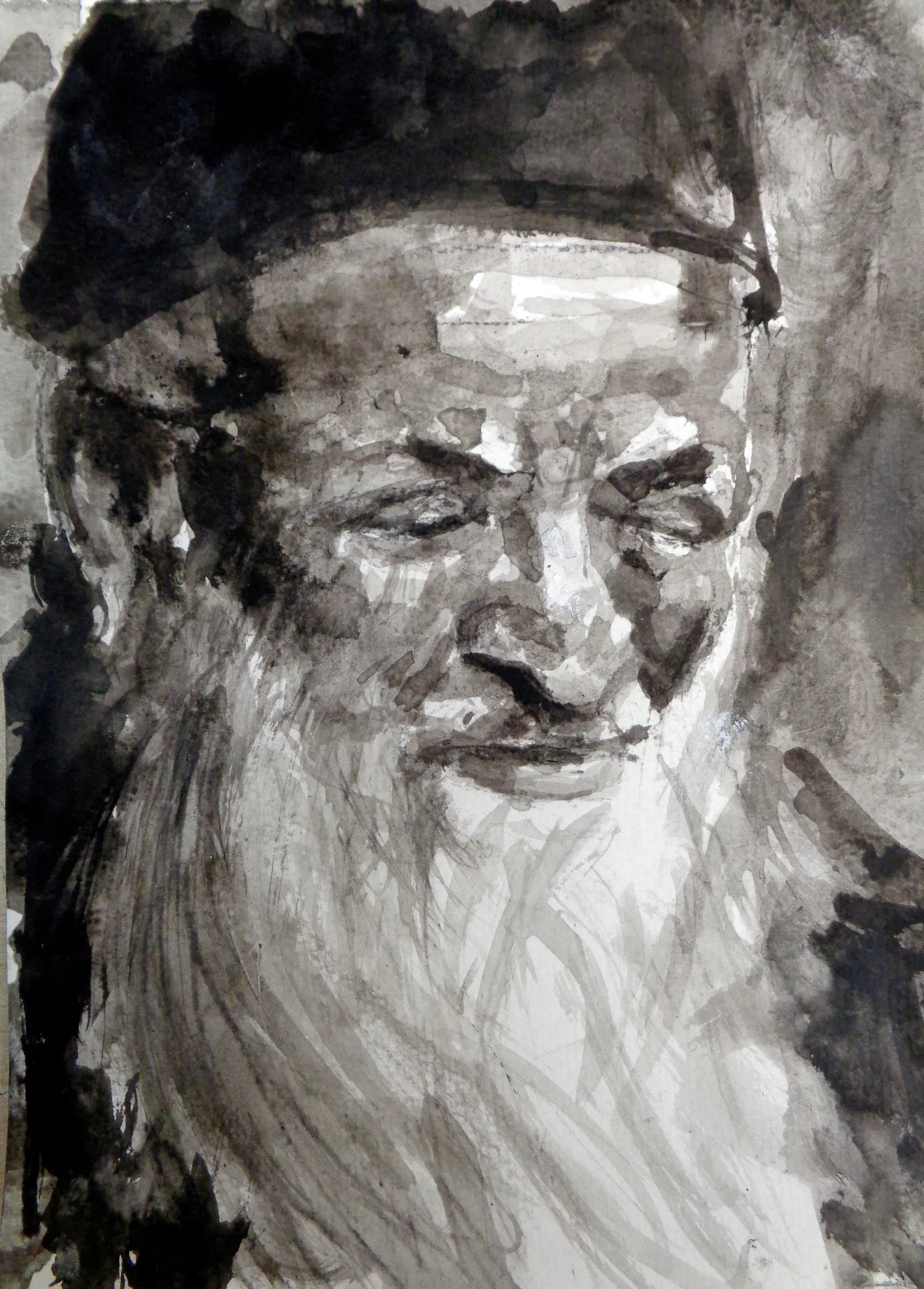
Abdul Sattar Edhi
 Pakistan
philanthropist•social activist•humanitarian
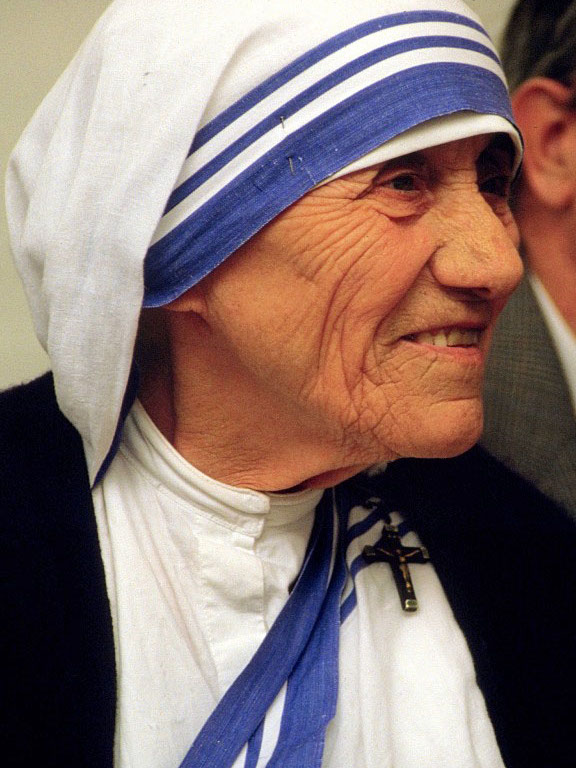
Also known as: Angel of Mercy, Pakistan's Mother Teresa
Birthday
February 28, 1928
Birth Sign
Sagittarius
Birthplace
Bantva, Gujarat, British India (now India)
Age
Died at 88
About
Abdul Sattar Edhi was a Pakistani humanitarian, philanthropist, and social activist who founded the Edhi Foundation, the world's largest volunteer ambulance network. Born in Bantva, Gujarat, he dedicated his life to serving humanity regardless of religion, caste, or creed. Known affectionately as the "Angel of Mercy" and often compared to Mother Teresa, Edhi lived an ascetic existence, sleeping on a cot in his office while managing billions of rupees in donations. He passed away at age 88 in Karachi due to cardiac failure, leaving behind a legacy that continues to operate through his wife, Bilquis Edhi, and their family.
Early Life & Background
Edhi was born into a modest family in the village of Bantva near Junagadh in British India. His early life was marked by hardship when his father died, forcing him to drop out of school at just 11 years old. He took a job as a clerk in a local bank to support his remaining family members. This early exposure to poverty and the struggles of the working class deeply shaped his worldview and future path. In 1947, following the Partition of India, Edhi migrated to Pakistan with his family, settling in the bustling city of Karachi.
Initially, he worked as a clerk for a private firm, but his true calling soon revealed itself. The pivotal moment came in 1951 when he witnessed a woman giving birth on the roadside only to see her newborn baby left to die. The incident shocked him and sparked an unshakeable resolve to help the destitute. He began collecting donations from passersby to buy a first-aid kit. By 1957, during a devastating Asian flu epidemic, he had raised enough funds to purchase his first ambulance. This marked the beginning of what would become a massive welfare network that would eventually span the globe.
Career Growth
The Edhi Foundation officially grew from that single ambulance purchased in 1957. Over the following decades, Edhi expanded services to include orphanages, homeless shelters, and rehabilitation centers. By the end of the 1970s, the organization operated over 1,000 ambulances, establishing the world's largest volunteer ambulance network. The scope of his work extended beyond Pakistan's borders; in the 1980s, he provided aid to victims of famine in Ethiopia and disaster relief efforts globally, including Hurricane Katrina.
During the 1990s, Edhi received significant international recognition, including the Ramon Magsaysay Award in 1986 and multiple nominations for the Nobel Peace Prize. The foundation continued to evolve, adding maternity homes, drug rehabilitation centers, and animal shelters to its portfolio. By the time of his death in 2016, the network had grown to include 1,800 ambulances and employed thousands of staff and volunteers. He remained actively involved in leading the foundation until the very end of his life, overseeing operations that saved countless lives every day.
Career Timeline
Public Image & Style
Edhi cultivated a public image of radical humility and asceticism. He was known for wearing simple white shalwar kameez and a cap, often seen driving his own ambulance or sleeping on a cot in his office. Media perception consistently portrayed him as a man of integrity who refused to accumulate personal wealth despite handling massive resources. His presence was distinctive because he rejected celebrity culture entirely, focusing instead on the dignity of those he served. This approach earned him the nickname "Pakistan's Mother Teresa" and established him as a symbol of selflessness in the region.
Fame & Fandom
Abdul Sattar Edhi never cultivated a fanbase in the traditional sense of celebrity worship. There is no official name for his supporters, no organized fan club with inside jokes or streaming campaigns, and no merchandise sold by a self-identified movement. His audience was not a fandom but the millions of people he served directly through the Edhi Foundation. Citizens did not gather to cheer him; they gathered to donate blood, time, and money to the cause he built. Even when public sentiment surged in May 2026 following the detention of his son Saad, the reaction manifested as political protest and grief rather than fan ritual. The legacy that remains today functions less like a pop culture phenomenon and more like a national moral compass, revered by the state and the public alike without the trappings of idolatry. iFANN has evaluated this unique dynamic within its Global Fame Engine. Abdul Sattar Edhi is currently the EVALUATED_UNRANKED person in the world. He does not hold a placement in the published Global Top 1,000 or any Top-100 scope list. This absence of a numerical rank reflects his status as a humanitarian icon rather than a personality measured by commercial consumption or search volume signals. While global fame metrics often track artists, athletes, and politicians, Edhi's influence operated on a different scale entirely. He remained a figure of radical humility who slept on office floors and refused state honors. His impact is measured in lives saved and tragedies mitigated, not in chart positions or viral moments. The lack of a formal ranking acknowledges that his fame transcends the categories used to quantify modern celebrity.
Interesting Facts and Legends
Despite managing billions in donations, Edhi owned no house, car, or bed, earning him the title of the "most generous beggar in the world." He famously drove his own ambulance in the early days of the foundation. A legendary moment occurred upon his death when thousands carried his body through Karachi streets, halting traffic and bringing the city to a standstill in mourning. This funeral procession remains one of the largest in Pakistan's history. Another enduring story involves his refusal of state awards, which reinforced his reputation as a pure servant untainted by political ambition. In April 2026, Malala Yousafzai defended his legacy against claims that he was a foreign agent, stating that attacking him was an attack on the nation's moral compass.
Notable Quotes
“I am not a hero. I am just a servant of God.”
“If you want to serve humanity, you must be ready to give everything.”
Family & Personal Life
Edhi married Bilquis Edhi, a nurse by profession, in 1953. She became his lifelong partner and co-founder of the Edhi Foundation, managing the day-to-day operations while he focused on the broader vision. They had no biological children together, but Edhi became a parental figure to nearly 20,000 abandoned and orphaned children taken in by the foundation. Many of these children consider them their parents. Their relationship was built on deep mutual respect and a shared commitment to humanitarian work. Edhi's son, Saad Edhi, later took on leadership roles within the organization, continuing the family tradition of service.
Notable Connections
Relationships & Dating History
Abdul Sattar Edhi was married to Bilquis Edhi from 1953 until his death in 2016. Bilquis, a nurse by profession, was his lifelong partner and co-founder of the Edhi Foundation. She managed the day-to-day operations of the foundation and was instrumental in its expansion. They had no biological children together, but Edhi became a parental figure to nearly 20,000 adopted children. Their relationship was one of deep mutual respect and shared commitment to humanitarian work. There are no records of other romantic relationships; Edhi remained married to Bilquis until his death.
- MarriedBilquis Edhi1953 - 2016Co-founder of the Edhi Foundation; remained married until his death.
Death & Aftermath
Died
July 8, 2016 (aged 88)
Death Place
Karachi, Pakistan
Cause of Death
Cardiac failure
On July 8, 2016, Abdul Sattar Edhi passed away at his home in Karachi at the age of 88. The cause of death was confirmed as cardiac failure following a heart attack while he was resting after coordinating ambulance services. His passing triggered an immediate outpouring of grief across Pakistan and the international community. President Mamnoon Hussain and Prime Minister Nawaz Sharif issued official condolences, and the government declared a three-day national mourning period to honor the man known as the "Angel of Mercy".
The funeral procession became one of the largest in the nation's history. Thousands of mourners filled the streets of Karachi, ranging from the homeless and sick Edhi had served to high-ranking government officials and foreign dignitaries. The procession halted traffic for hours as people paid their respects to the humanitarian who slept on a cot in his office. He was laid to rest at the Edhi Foundation's cemetery in Karachi. Tributes poured in from the United Nations and leaders worldwide, praising his decades of selfless service regardless of religion or caste.
In the years since his death, the legacy of Abdul Sattar Edhi has remained vibrant through the continued operation of the Edhi Foundation. On the 10th anniversary of his passing in July 2026, the nation commemorated him with moments of silence and official ceremonies led by President Zardari and the Prime Minister. The foundation, now led by his son Saad Edhi and wife Bilquis Edhi, continues to operate the world's largest volunteer ambulance network. While personal estate details were not made public, the organization maintains its vast operations through private donations and government support, ensuring that Edhi's mission lives on without interruption.
Net Worth (Estate Value)
$0
iFANN Editorial Team estimate
Abdul Sattar Edhi lived a life of extreme asceticism and personally held no wealth. Despite managing billions of rupees in donations for the Edhi Foundation, he owned no house, car, or bed, sleeping instead on a cot in his office. Research by the iFANN Editorial Team puts his personal fortune at approximately $0. All resources belonged to the organization, not to him individually. The Edhi Foundation itself operates with significant resources, relying on private donations and government support. As of 2026, the foundation continues its operations, though recent reports indicate challenges such as a $23,000 theft in a Karachi armed robbery in August 2026. The estate of Abdul Sattar Edhi is managed by his family, particularly his son Saad Edhi and wife Bilquis Edhi, who ensure the foundation's financial trajectory remains strong through ongoing charitable contributions and operational revenue.
Awards Won (5)
Edhi received numerous accolades for his humanitarian work, including the Ramon Magsaysay Award in 1986, often considered the Asian equivalent of the Nobel Prize. He was awarded the UNESCO-Madanjeet Singh Prize for the Promotion of Tolerance and Non-Violence in 2010. He also received the King Faisal International Prize for Service to Islam and the Indira Gandhi Prize for Peace, Disarmament and Development, both in 1999. Additionally, he was honored with the Order of Pakistan, one of the country's highest civilian honors, and received honorary doctorates from several universities worldwide.
1986 · Public Service
Edhi Foundation
1999 · Service to Humanity
Humanitarian Work
Known For
Edhi Foundation
1957 · Founder
Keywords
Sources
Quick Facts
- Profession
- philanthropist, autobiographer, social activist
- Born
- February 28, 1928
- Birthplace
- Bantva, Gujarat, British India
- Died
- July 8, 2016
- Death Place
- Karachi, Pakistan
- Gender
- Male
- Spouse
- Bilquis Edhi
- Birth Sign
- Sagittarius
Personal Details
- Full Name
- Abdul Sattar Edhi
- Spouse
- Bilquis Edhi
- Children
- Education
- Dropped out of school at age 11
Frequently Asked Questions
Who was Abdul Sattar Edhi?
When did Abdul Sattar Edhi die?
What was Abdul Sattar Edhi's net worth?
Did Abdul Sattar Edhi have children?
Why is Abdul Sattar Edhi famous?
Social Media
Join the community
fans discussing