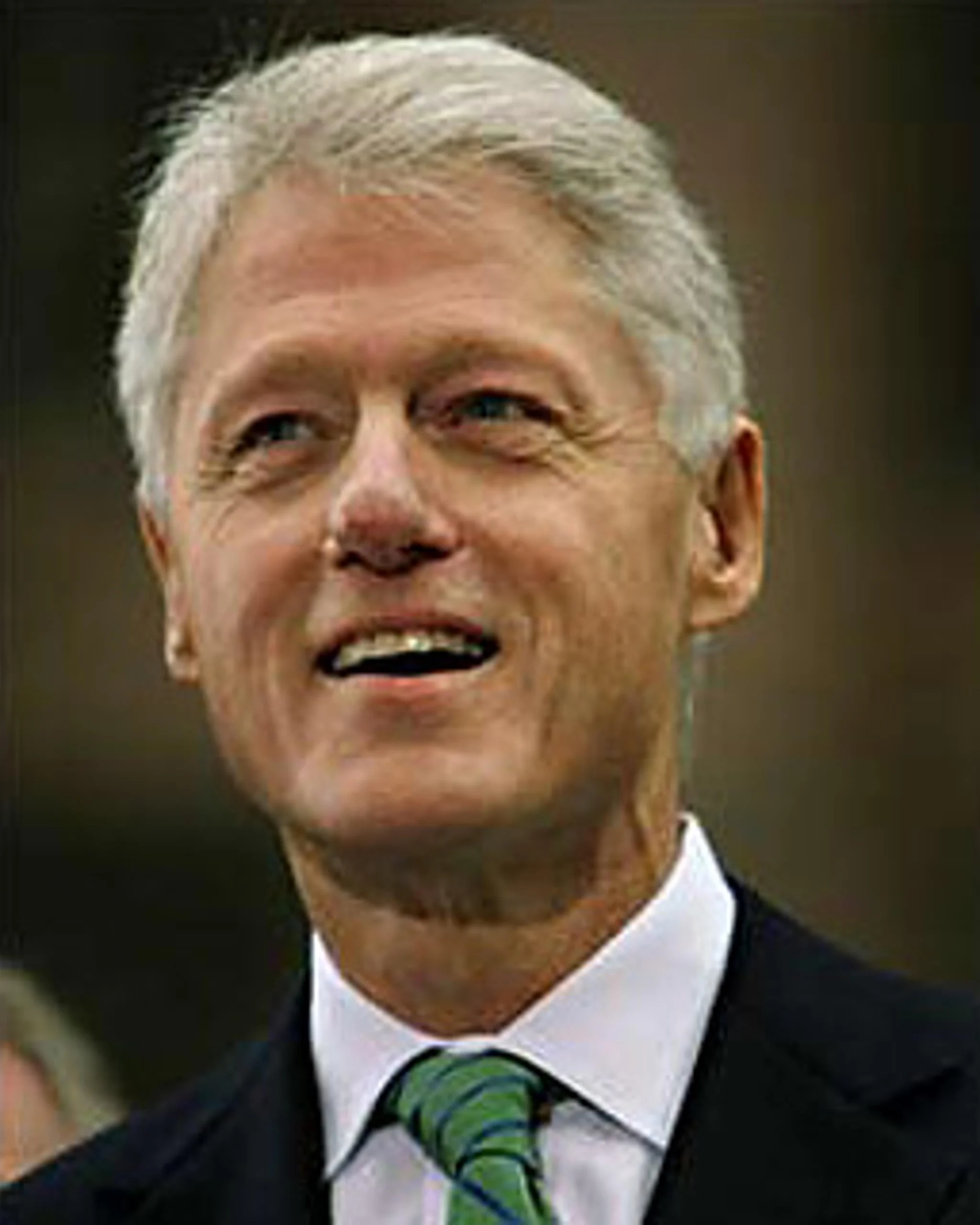
Abdolkarim Soroush
 Iran
Iranphilosopher•writer•university teacher
Also known as: Hossein Haj Faraj Dabbagh, Abdulkarim Soroush, Abdol Karim Soroush
Birthday
December 16, 1945
Birth Sign
Sagittarius
Birthplace
Tehran, Iran
Age
80 years old
About
Abdolkarim Soroush is an Iranian philosopher of religion and a central figure in the country's religious intellectual movement. Born Hossein Haj Faraj Dabbagh in Tehran, he adopted his pen name early in his career to distinguish his philosophical writings from his professional work as a pharmacist. He stands as one of the most influential thinkers in the modern Muslim world for his theory distinguishing between divine revelation and human interpretation of that revelation.
His academic career has been marked by significant contributions to Islamic philosophy and political thought. He served as a professor at the University of Tehran before being dismissed due to his liberal views. Despite these interruptions, he continued to teach privately through the Seminar of Religious Intellectuals. His work has earned him international recognition, with Time magazine naming him among the world's 100 most influential people in 2005 and Prospect listing him as a leading global intellectual in 2008.
Early Life & Background
Hossein Haj Faraj Dabbagh was born on December 16, 1945, into a traditional family in Tehran during the Pahlavi era. His upbringing involved both secular and religious education, laying the groundwork for his future intellectual pursuits. Before turning to philosophy, he pursued a degree in pharmacy, graduating with a Bachelor of Science in Pharmacy from the University of Tehran in 1970. During this period, he worked as a practicing pharmacist while his intellectual curiosity began to shift toward the humanities.
In the late 1960s and early 1970s, influenced by Western philosophers and Islamic mystics, he began studying the philosophy of science and theology. This transition led him to earn his Master's degree in Philosophy of Science from the University of Tehran in 1973. The intellectual climate of the time was shifting, and Soroush found himself drawn to questions about the nature of faith and reason. He adopted the pen name Abdolkarim Soroush, which translates to "The Servant of Knowledge," to separate his scholarly output from his pharmaceutical profession. This period of study and teaching preparation set the stage for his later role as a reformist voice in Iranian society.
Career Growth
Soroush's career is defined by his academic output and his role as a public intellectual challenging theocratic interpretations of Islam. Following the 1979 Islamic Revolution, he briefly taught at the university before being dismissed due to his reformist stance. In the 1980s, he founded the "Seminar of Religious Intellectuals," a private study group that became the epicenter of Islamic reformist thought. He published seminal works such as Qabz va Bast-e Te'ammoli, which explored hermeneutics and the nature of prophetic experience.
During the 1990s, he gained international prominence, delivering lectures at prestigious institutions including Harvard, Princeton, Yale, and Oxford. His book Reason, Freedom, and Democracy in Islam became a key text for discussions on the compatibility of Islamic principles with democratic values. In the 2000s, he remained a vocal critic of the regime's interference in religious interpretation. In 2005, Time magazine named him one of the world's 100 most influential people. By 2008, Prospect magazine listed him as one of the top global intellectuals. Throughout the 2010s and into the 2020s, he faced increased persecution but continued to publish extensively, including The Evolution of Islamic Thought in Iran. In February 2026, he joined a coalition of prominent figures to launch a "No to War" campaign, rejecting military attacks on Iran.
Career Timeline
Public Image & Style
Soroush is known for his thoughtful demeanor and scholarly appearance. Specific height measurements are not publicly recorded. His public image is that of a courageous intellectual who risks his safety to defend freedom of thought. He is often portrayed in media as a bridge between traditional Islamic scholarship and modern democratic values. His style is characterized by rigorous argumentation and a commitment to non-violent discourse. He is frequently compared to Martin Luther in the Christian tradition for his efforts to reform religious interpretation.
Fame & Fandom
Abdolkarim Soroush commands a unique form of devotion that defies the typical metrics of celebrity worship. His audience is not a collective of fans chanting in stadiums but a dispersed network of scholars, reformists, and students who engage with his work through rigorous intellectual discourse rather than ritualistic adoration. There is no formal moniker for this group; they are simply readers and colleagues united by a shared commitment to reinterpreting Islamic thought. The energy surrounding him manifests as intense polarization and deep philosophical engagement rather than viral campaigns or birthday billboards. While pop culture icons generate fandoms built on merchandise and chart pushes, Soroush's influence relies on the enduring power of his arguments regarding the distinction between religion and knowledge. This academic reverence has propelled him into global consciousness without creating a traditional fanbase. Regarding his standing in the broader world, Abdolkarim Soroush is currently evaluated by iFANN but does not hold a placement in the Global Top 1,000 or any Top-100 scope list.
Interesting Facts and Legends
Born Hossein Haj Faraj Dabbagh in Tehran, Soroush stands as a pivotal figure in Iran's religious intellectual movement. He was named one of Time magazine's 100 Most Influential People in 2005, a recognition that validated his work internationally against the backdrop of domestic controversy. A central pillar of his legacy is the theory distinguishing religion from human knowledge of it, an idea that sparked fierce debates over the nature of the Qur'an and positioned him as a leading voice in Muslim philosophy. His personal courage became legendary when he publicly accused Iranian officials of torturing his son-in-law in February 2011, turning a private tragedy into a focal point for international criticism of the regime. More recently, his activism continued in February 2026 when he joined prominent figures in launching a "No to War" campaign, signing a petition rejecting military attacks on Iran. In July 2023, he further demonstrated his stance by supporting a top Sunni cleric under government pressure, reinforcing his reputation as a defender of dissenting voices within the Islamic framework.
Notable Quotes
“Religion is a matter of faith, but knowledge of religion is a matter of reason and history.”
“We must separate the eternal message of the Prophet from the temporal understanding of his followers.”
“Freedom is not a gift from the state; it is a right that must be claimed and defended.”
Family & Personal Life
Abdolkarim Soroush has maintained a relatively private personal life compared to his public intellectual profile. He is married to Dr. Fatemeh Soroush, who is also an academic and researcher. The couple has children, though specific details about their names and professions are kept out of the public eye to protect their safety in the politically sensitive environment of Iran. He has at least one daughter, Maryam Soroush, who is a writer and activist. His son-in-law, mentioned in the context of the 2011 torture allegations, is a journalist and activist. There are no records of pre-marital relationships or other romantic partners. Soroush is widely reported to be monogamous and focused on his family and work. As of 2026, he remains married to Fatemeh Soroush.
Notable Connections
Relationships & Dating History
Abdolkarim Soroush has maintained a stable and private personal life throughout his public career. He is married to Dr. Fatemeh Soroush, an academic and researcher who supports his intellectual endeavors. Details regarding how they met or their wedding date are not widely documented in public sources. The couple has children, including their daughter Maryam Soroush, who is a writer and activist. Soroush is widely reported to be monogamous and focused on his family and work. There are no records of pre-marital relationships or other romantic partners. As of 2026, he remains married to Fatemeh Soroush. There are no reports of divorce, separation, or new partnerships.
- MarriedFatemeh SoroushCurrentDr. Fatemeh Soroush is an academic and researcher; they have children together.
Salary, Net Worth In 2026
$0
iFANN Editorial Team estimate
As a philosopher and academic in Iran, Soroush does not operate in the same financial sphere as celebrities or business tycoons. There are no credible public estimates of his net worth in dollars, nor are there reports of significant commercial ventures, endorsement deals, or real estate holdings that would generate a celebrity-level fortune. His wealth is likely derived from academic stipends, book royalties, and occasional speaking engagements abroad, though travel restrictions often apply. Given the economic conditions in Iran and his status as a dissident intellectual, his financial situation is generally considered modest. Any estimates found online regarding "net worth" are speculative and likely inaccurate; thus, no specific dollar figure can be confidently attributed to him.
Awards Won (3)
While Soroush has not won commercial entertainment awards, his contributions have been recognized with prestigious intellectual and humanitarian honors. He was named one of Time magazine's 100 Most Influential People in 2005 and listed by Prospect magazine as one of the Top 100 Global Thinkers in 2008. He received the Erasmus Prize in 2011 for his contribution to European culture and human rights. He has also received honorary doctorates from several universities, including the University of Maryland and the University of Amsterdam.
2011 · Human Rights
Contribution to European culture and human rights
2005 · Influence
Intellectual leadership
Known For
Reason, Freedom, and Democracy in Islam
1998 · Author
The Evolution of Islamic Thought in Iran
2008 · Author
Qabz va Bast-e Te'ammoli
1992 · Author
Keywords
Sources
Quick Facts
- Profession
- philosopher, writer, university teacher
- Born
- December 16, 1945
- Birthplace
- Tehran, Iran
- Gender
- Male
- Birth Sign
- Sagittarius
Personal Details
- Full Name
- Hossein Haj Faraj Dabbagh
- Spouse
- Fatemeh Soroush
- Children
- Maryam Soroush (daughter)
- Education
- University of Tehran (BSc Pharmacy, MA Philosophy of Science)
Frequently Asked Questions
What is Abdolkarim Soroush's birth name?
Why is Abdolkarim Soroush famous?
Is Abdolkarim Soroush still alive?
What did Abdolkarim Soroush do in 2011?
What is Abdolkarim Soroush's current status?
Similar People
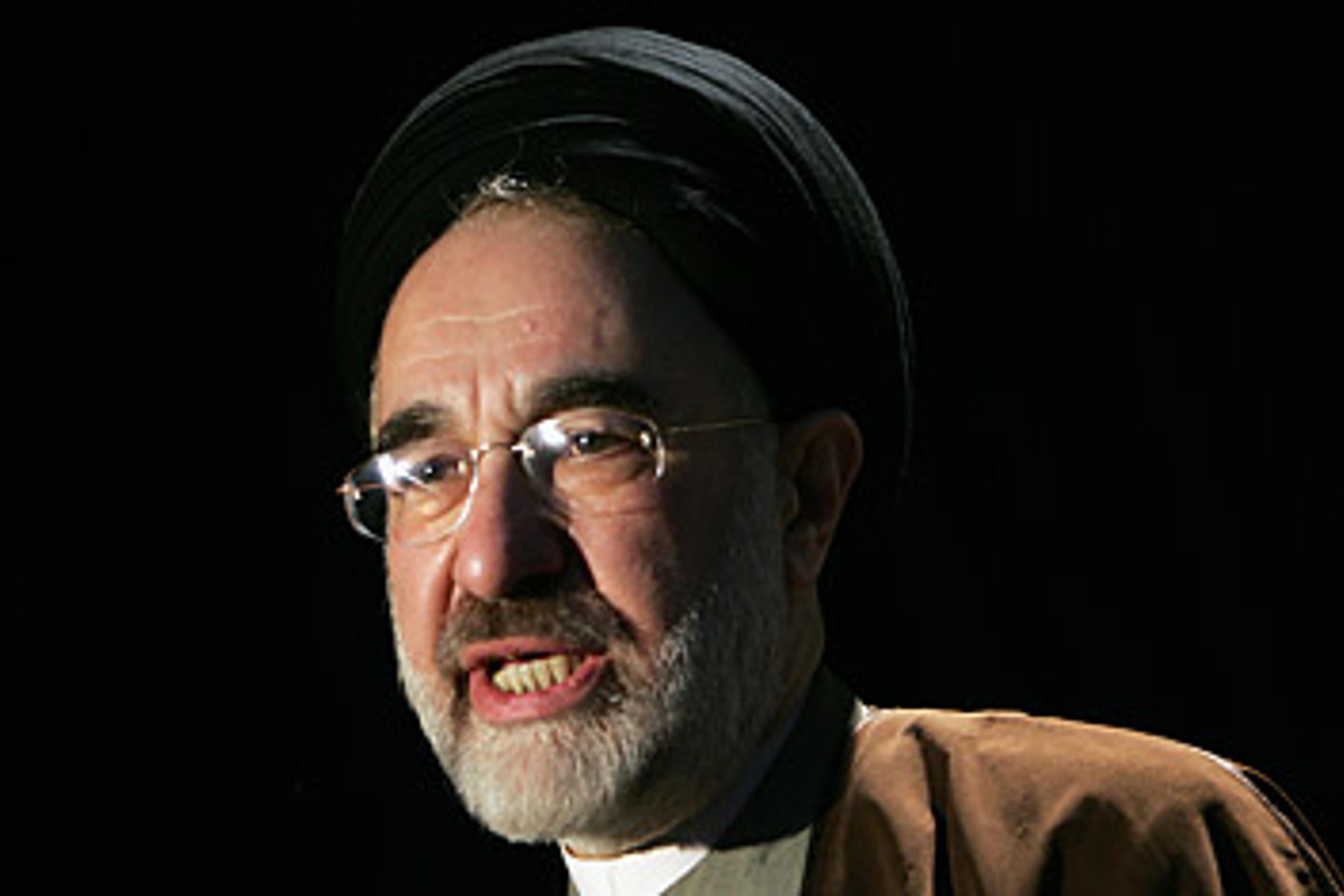
Join the community
fans discussing