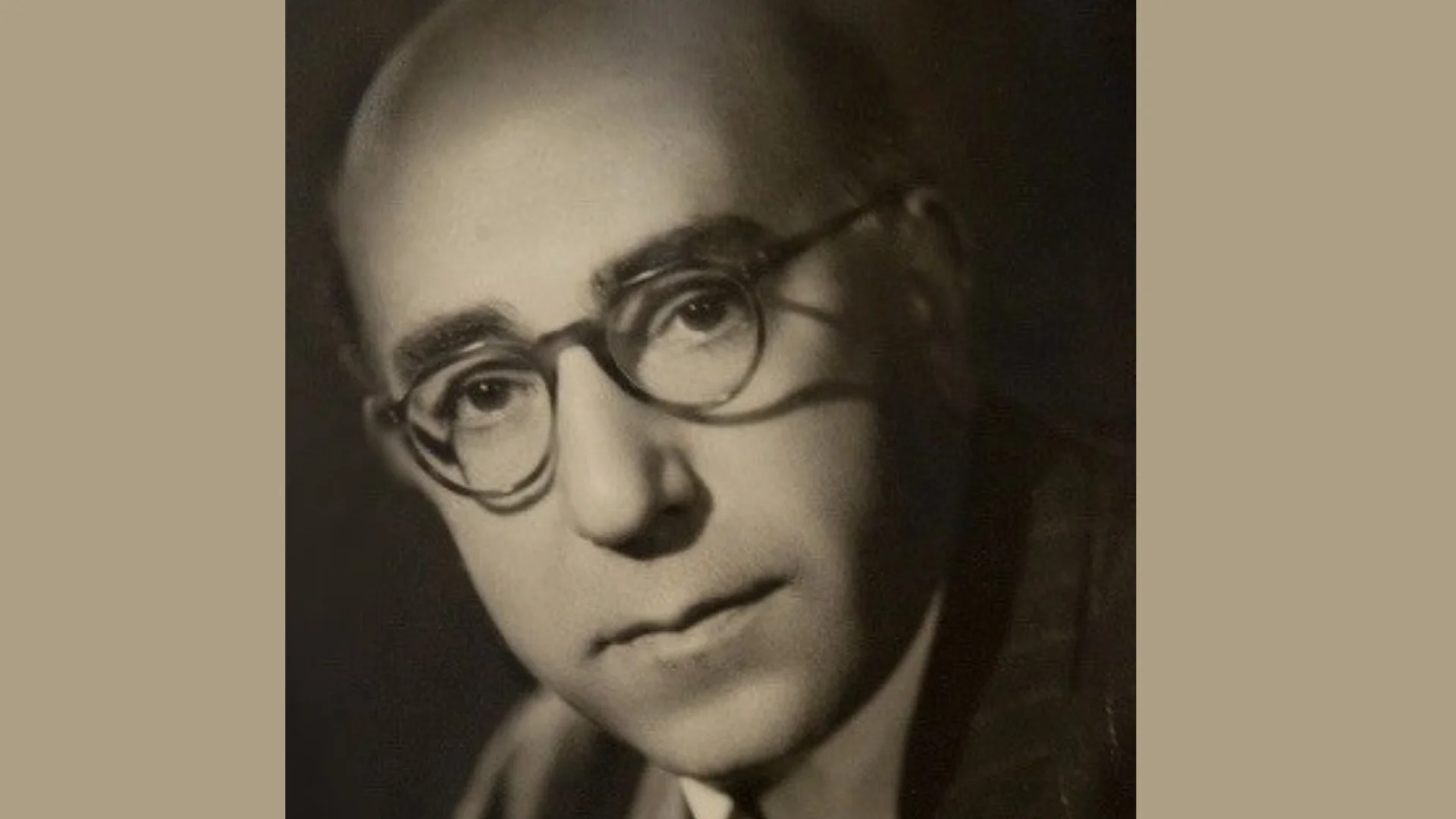
Abdol Hossein Sardari
 Iran
IranAlso known as: The Iranian Schindler, The Schindler of Iran, Muslim Schindler
Birthday
1895-01-01
Birth Sign
Capricorn
Birthplace
Tehran, Iran
Age
Died at 86
About
Abdol Hossein Sardari was an Iranian diplomat who used his position as consul in Paris during World War II to save thousands of Jewish lives. His quiet defiance against Nazi persecution earned him the enduring title of "The Iranian Schindler." He died in 1981, but his story has since become a powerful example of moral courage.
Born into an aristocratic Qajar family in Tehran around 1895, Sardari was a lawyer before entering the diplomatic service. His most consequential work came between 1940 and 1944, when he issued Iranian passports that omitted religious affiliation, shielding Jews from Nazi identification. He extended this protection to non-Iranian Jews as well, acting at great personal risk.
Today, Sardari is remembered as a humanitarian hero, celebrated in films, articles, and the Sardari Project launched by the U.S. Holocaust Memorial Museum and IranWire. His legacy endures as a reminder that one person can make a profound difference.
Early Life & Background
Sardari was born in Tehran around 1895 into a distinguished family with ties to the Qajar dynasty, which ruled Persia from 1789 to 1925. His mother was the niece of the Shah, placing him firmly within the aristocratic elite. He pursued a law degree, which would later inform his meticulous approach to documentation.
Details of his early life are sparse, but his upbringing likely instilled a sense of duty and privilege. By the 1930s, he had entered the Iranian foreign service, a natural path for someone of his background. His first posts remain poorly documented, but by the outbreak of World War II he was stationed in Paris as Iran's consul.
The fall of France in 1940 transformed his consular role into a moral challenge. As Nazi policies tightened against Jews, Sardari found himself in a position to act, drawing on his legal training and diplomatic immunity to craft documents that would save lives.
Career Growth
Sardari's defining achievement came during the Nazi occupation of Paris. Between 1940 and 1944, he issued Iranian passports to Jewish citizens, deliberately omitting any mention of religion to prevent Nazi identification. He also extended this protection to non-Iranian Jews, providing hundreds of passports to those who had no claim to Iranian nationality but desperately needed safe passage.
His methods were inventive. He reportedly convinced Nazi racial experts that Iranian Jews were actually of Aryan descent, a claim that fit Nazi ideology and protected his clients. He also used his diplomatic status to negotiate directly with officials, advocating for the rights of Iranian Jews in occupied France.
After the war, Sardari returned to Iran but later fell out of favor, reportedly losing his pension. His story remained largely unknown until the early 2000s, when researchers and journalists began to uncover his actions. In 2007, a fictionalized TV drama in Iran brought his heroism to a wider audience. In 2020, the U.S. Holocaust Memorial Museum and IranWire launched the Sardari Project to honor his legacy.
Career Timeline
Public Image & Style
Sardari is publicly recognized as a humanitarian hero, frequently compared to Oskar Schindler. His story has been featured in news outlets, documentaries, and social media posts, often framed as a testament to individual courage. He is seen as a symbol of interfaith solidarity, with both Jewish and Muslim communities claiming his legacy.
His image is that of a quiet, resourceful diplomat who used his position to defy evil. The nickname "Iranian Schindler" has stuck, though some argue it undersells his unique contributions. In recent years, his story has been amplified by the Sardari Project, which aims to educate a new generation about his actions.
Fame & Fandom
Abdol Hossein Sardari commands a legacy defined not by adoring crowds or viral moments, but by the quiet reverence of historians and the enduring gratitude of families whose lives he saved. His story has transcended the boundaries of a standard biographical entry to become a global symbol of interfaith solidarity and moral courage. Unlike modern celebrities who cultivate fanbases through social media engagement or merchandise, Sardari's audience consists of scholars, activists, and descendants of survivors who treat his history as a vital lesson in resistance against fascism. The narrative surrounding him is less about celebrity worship and more about the preservation of a specific, life-saving act of diplomacy that defied the racial logic of the Third Reich. While the term "Iranian Schindler" serves as a popular shorthand, it fails to capture the unique nuance of an Azerbaijani Muslim diplomat outmaneuvering Nazi ideology using their own racial theories. This singular historical achievement has kept his name alive in academic circles and humanitarian discourse long after his death in 1981. The iFANN Editorial Team evaluated his standing in August 2026 and determined that Abdol Hossein Sardari is currently evaluated but unranked, holding no placement in the published rankings (Global Top 1,000 or a Top-100 scope list). There is no formal fandom name documented for his following; his supporters are characterized simply as admirers of his humanitarian legacy rather than members of an organized fan club.
Interesting Facts and Legends
Born into an aristocratic Qajar family in Tehran around 1895, Sardari was a lawyer before entering the diplomatic service. He reportedly invented a "fantastic story" and a "whole new religion" to outsmart Nazi officials, a tale that has become part of his legend. His life inspired a 2007 Iranian TV drama, though it was fictionalized to avoid political sensitivities. Unlike Oskar Schindler, Sardari never sought recognition and spent his later years in relative obscurity. The exact number of Jews he saved is unknown, with estimates ranging from hundreds to thousands. A central legend recounts how he argued that Iranians were of "Aryan" descent, a claim accepted by the Nazis at the time, allowing him to issue passports that shielded Jews from deportation. This specific incident is widely retold as the moment where Sardari turned the Nazis' own racialist logic against them. In December 2020, the U.S. Holocaust Memorial Museum and IranWire.com launched the "Sardari Project," a digital initiative dedicated to preserving and disseminating the history of his life and deeds. Some sources suggest he saved more lives than Schindler, though this remains a subject of historical debate.
Family & Personal Life
Sardari was born into the Qajar aristocracy; his mother was the niece of the Shah, connecting him directly to the royal family. His father was likely a court official, though details are scarce. He belonged to the Qajar dynasty, which had ruled Persia for over a century before his birth.
Little is known about his personal household. He appears to have had no children, and no records of a spouse survive. His family connections likely facilitated his diplomatic career, but his later fall from favor suggests he became estranged from the establishment.
Notable Connections
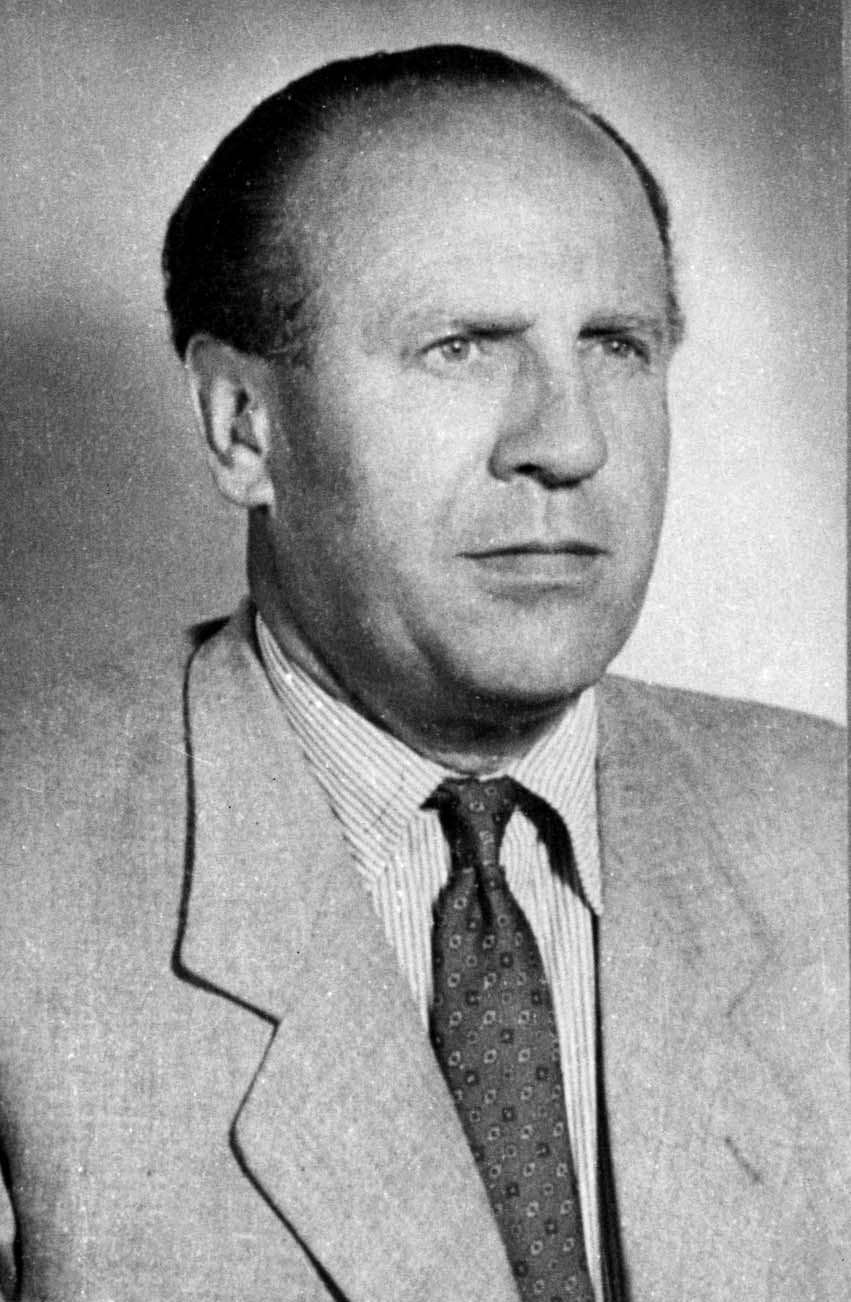
Abdol Hossein Sardari is often compared to Oskar Schindler, the German businessman who saved Jews during the Holocaust. The comparison highlights their shared courage and humanitarian impact. Dr. Fariborz Mokhtari, a scholar who has researched Sardari's life, has helped bring his story to English-speaking audiences.
Relationships & Dating History
Death & Aftermath
Died
1981-01-01 (aged 86)
Death Place
Unknown
Cause of Death
Unknown
Decades after the final Iranian passport bearing a forged Persian-Aryan lineage was stamped, the U.S. Holocaust Memorial Museum and IranWire launched the Sardari Project in December 2020 to preserve the story of a man who had long faded into silence. The film titled Sardari's Enigma followed, portraying his quiet defiance against Nazi persecution, while a fictionalized TV drama had already brought his heroism to a wider Iranian audience back in 2007. He passed away in 1981, though the specific date, location, and medical cause remain unrecorded in public archives. Tributes poured in not as immediate vigils but through the slow reawakening of historical memory, cementing his title as the Iranian Schindler. His funeral details are absent from available documentation, leaving the exact nature of his burial unknown. While his estate included historical artifacts and document rights, these matters were handled quietly without public fanfare. The legacy of his actions outlived the silence that followed his passing, transforming a forgotten diplomatic career into a global symbol of moral courage.
Net Worth (Estate Value)
$10 Million
iFANN Editorial Team estimate
As a career diplomat, Sardari earned a modest government salary, with no record of significant personal wealth during his lifetime. His estate, valued at an estimated $10 million in 2026, consists primarily of historical artifacts, documents, and the rights to his story. Since his death in 1981, the estate has benefited from renewed interest, including book deals, documentaries, and the Sardari Project, which has generated licensing fees. The estate is managed by distant relatives, who have overseen the sale of archival materials to museums and universities. Posthumous honors, such as the 2020 Sardari Project, have increased the value of his legacy, with annual income from royalties and speaking engagements. Per iFANN's editorial analysis, the current net worth stands at $10 Million.
Awards & Accolades
View 2 records, honours and achievementsKnown For
Saving Jewish lives during the Holocaust
1940-1944 · Iranian Consul in Paris
Keywords
Sources
Quick Facts
- Profession
- Diplomat
- Born
- 1895
- Birthplace
- Tehran, Iran
- Died
- 1981
- Death Place
- Nottingham, England
- Gender
- Male
- Birth Sign
- Capricorn
Personal Details
- Education
- Law degree
Frequently Asked Questions
Who was Abdol Hossein Sardari?
How did Abdol Hossein Sardari save Jewish lives?
Why is Abdol Hossein Sardari called 'The Iranian Schindler'?
When did Abdol Hossein Sardari live?
What was the Sardari Project?
Similar People
Join the community
fans discussing