iFANN
    Search iFANN...
    Log in
    Home
    News
    Videos
    Photos
    GIFs
    Explore
    Polls
    Awards
    iFAMOUS
    Wiki
    Anime
    Rooms
    Notifications
    Messages
    Bookmarks
    Profile
    WikiAwardsiFAMOUSRankingsIndustriesCreator RewardsUser RewardsTermsPrivacyCommunity GuidelinesTakedown / DMCAHelpDevelopers

    © 2026 iFANN

    Home
    Search
    Messages
    Alerts
    Profile
    Photo
    Vojtech
    Vojtech@vojtech3w
    ⭐Andrej Karpathy🏛️Stanford University📱Kimi K3
    Karpathy Stanford AI engineering lecture

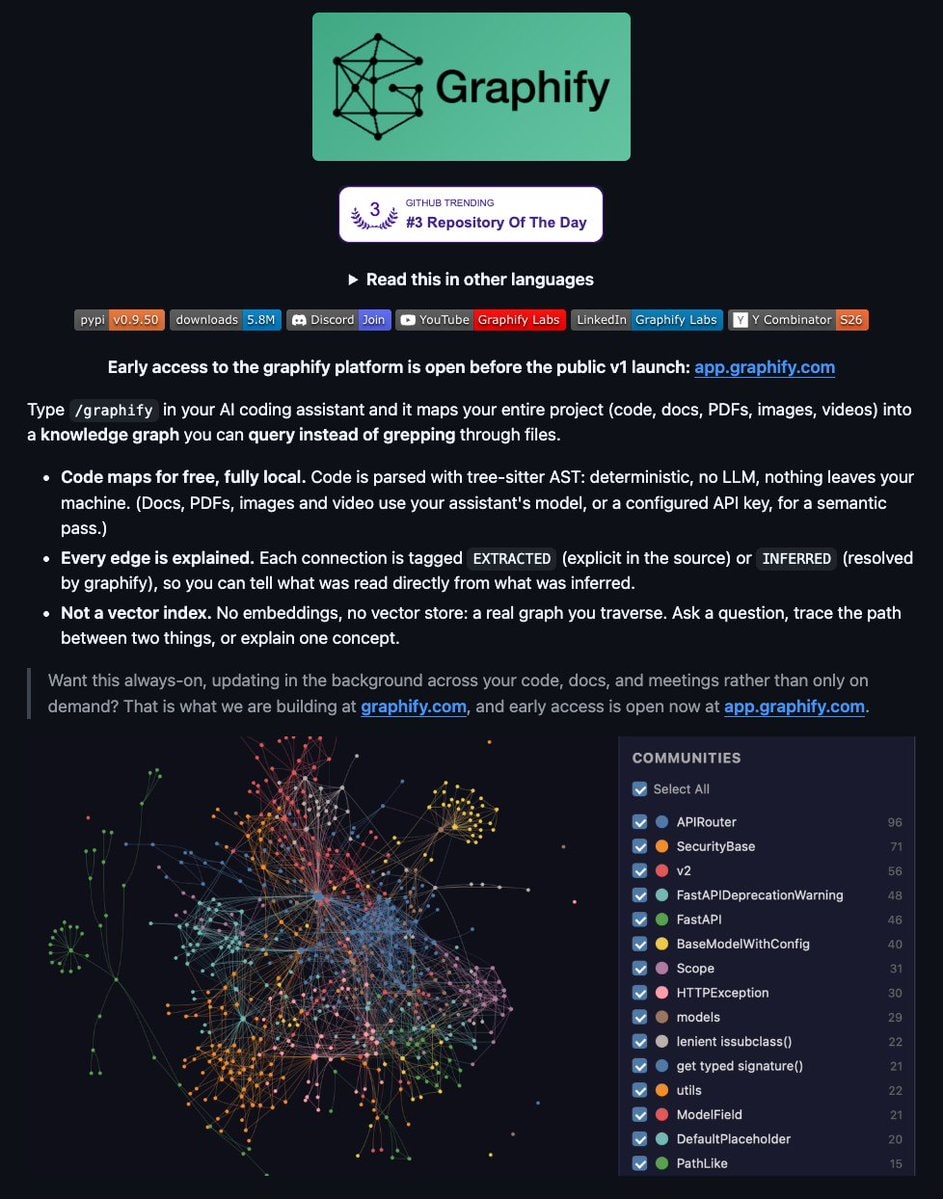
    @vojtechSkip the Netflix episode and dive into Karpathy’s one-hour Stanford lecture on AI engineering. It is a solid weekend bookmark. He breaks down the reality: an LLM only delivers 10%, which is merely the starting point rather than the final product. Prompting can push that metric to 30%, but that is where most developers halt their progress. The real work involves agents, loops, and systems to bridge the gap. The graph represents the full 100% required for things to actually survive production. Most engineers obsess over the 10% (the model) and the 30% (the prompt). Karpathy dedicates the session to the remaining 70%. Afterward, check out my Kimi K3 guide, From Loops to Graphs, to see how I implemented these concepts.

    View original post
    Karpathy Stanford AI engineering lecture

    Photo by @vojtech· Aug 26, 2026· Andrej Karpathy

    About this photo

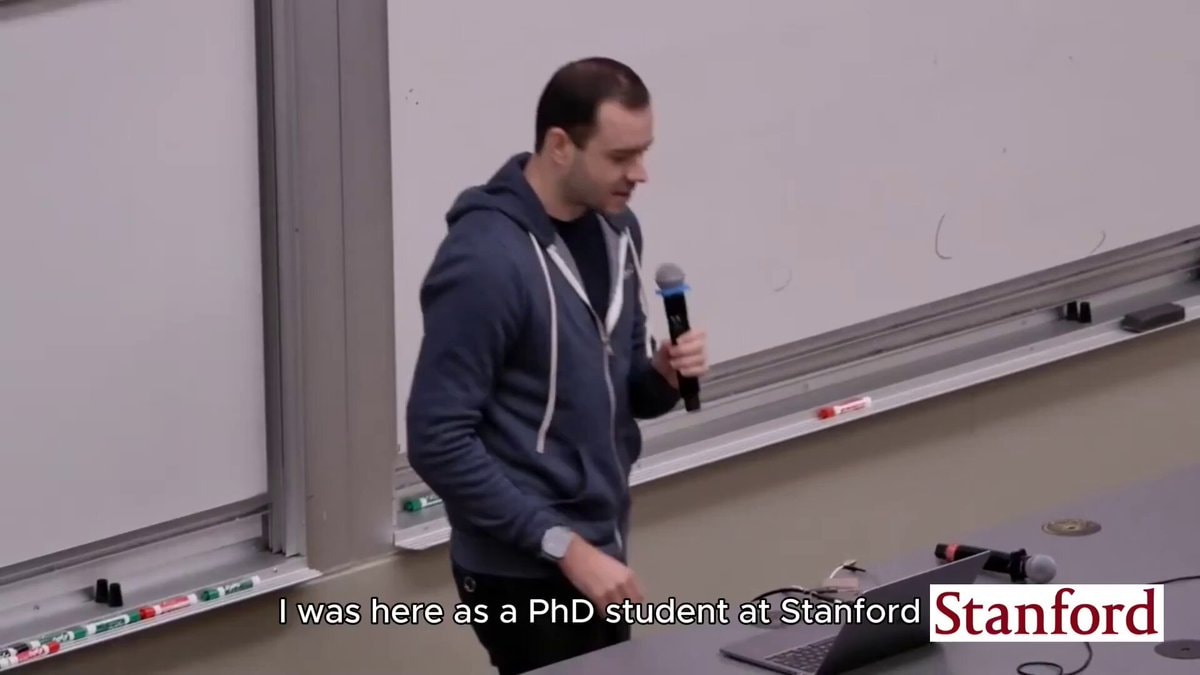
    A man is speaking into a microphone in a lecture hall setting. He is wearing a blue hoodie and a watch. The mood is academic and informative. A Stanford logo is visible in the lower right corner. The on-screen text reads "I was here as a PhD student at Stanford Stanford".

    See all Andrej Karpathy photosRead the Andrej Karpathy wiki

    ?

    No comments yet. Be the first!

    More Andrej Karpathy photos

    See all Andrej Karpathy photos
    Andrej Karpathy ChatGPT graph engineeringAndrej Karpathy ChatGPT graph engineeringGraphify open source toolGraphify open source toolClaude Code + Obsidian Second Brain setupClaude Code + Obsidian Second Brain setupAndrej Karpathy interviewAndrej Karpathy interviewAndrej Karpathy Anthropic GitHub 884 contributionsAndrej Karpathy Anthropic GitHub 884 contributions
    Photo
    Vojtech
    Vojtech@vojtech3w
    ⭐Andrej Karpathy🏛️Stanford University📱Kimi K3
    Karpathy Stanford AI engineering lecture

    @vojtechSkip the Netflix episode and dive into Karpathy’s one-hour Stanford lecture on AI engineering. It is a solid weekend bookmark. He breaks down the reality: an LLM only delivers 10%, which is merely the starting point rather than the final product. Prompting can push that metric to 30%, but that is where most developers halt their progress. The real work involves agents, loops, and systems to bridge the gap. The graph represents the full 100% required for things to actually survive production. Most engineers obsess over the 10% (the model) and the 30% (the prompt). Karpathy dedicates the session to the remaining 70%. Afterward, check out my Kimi K3 guide, From Loops to Graphs, to see how I implemented these concepts.

    View original post
    Karpathy Stanford AI engineering lecture

    Photo by @vojtech· Aug 26, 2026· Andrej Karpathy

    About this photo

    A man is speaking into a microphone in a lecture hall setting. He is wearing a blue hoodie and a watch. The mood is academic and informative. A Stanford logo is visible in the lower right corner. The on-screen text reads "I was here as a PhD student at Stanford Stanford".

    See all Andrej Karpathy photosRead the Andrej Karpathy wiki

    ?

    No comments yet. Be the first!

    More Andrej Karpathy photos

    See all Andrej Karpathy photos
    Andrej Karpathy ChatGPT graph engineeringAndrej Karpathy ChatGPT graph engineeringGraphify open source toolGraphify open source toolClaude Code + Obsidian Second Brain setupClaude Code + Obsidian Second Brain setupAndrej Karpathy interviewAndrej Karpathy interviewAndrej Karpathy Anthropic GitHub 884 contributionsAndrej Karpathy Anthropic GitHub 884 contributions