Zlatan
 Nigeria
Also known as: Zlatan Ibile, Omoniyi Temidayo Raphael
Birthday
December 19, 1994
Birth Sign
Sagittarius
Birthplace
Ilorin, Kwara State, Nigeria
Age
31 years old
About
Omoniyi Temidayo Raphael, better known as Zlatan Ibile or simply Zlatan, is a Nigerian rapper and singer from Ilorin. Born on December 19, 1994, he grew up with dreams of becoming a footballer, which inspired him to adopt the name of the Swedish soccer star Zlatan Ibrahimović. His path shifted to music, and in 2014 he won the Airtel-sponsored One Mic talent show in Abeokuta, Ogun State. That victory set the stage for a career that would soon make him one of the most distinctive voices in Nigerian street-hop.
Zlatan's big break came in late 2018 with the release of "Zanku," a single that came with its own dance routine. The song and the dance caught fire across Nigeria, turning the term "Zanku" into a cultural touchstone. Riding that wave, he founded Zanku Records and dropped his debut album, also titled Zanku, on November 3, 2019. The album's title is an acronym for "Zlatan Abeg No Kill Us," a phrase that captures his playful, streetwise energy. Since then, he has collaborated with major acts like Burna Boy, Davido, and Naira Marley, and has appeared on numerous tracks that blend Afrobeat, hip-hop, and indigenous sounds.
Beyond the music, Zlatan has expanded into film and television, showing up in Nollywood productions and reality shows. His discography now includes several EPs and mixtapes, including Resan and 10K for 10K, and he has performed at festivals across Africa and Europe. With a style that mixes humor, hustle, and raw storytelling, Zlatan has become a defining figure of the new Nigerian pop scene, turning his early football dreams into a different kind of stardom.
Early Life & Background
Growing up in Ilorin, Kwara State, Zlatan had one big dream: to play professional football. He spent his childhood kicking a ball around the streets, idolizing the Swedish striker Zlatan Ibrahimović, whose name he would later borrow for his stage persona. The rhythms of indigenous Nigerian music were always around him, and that early exposure to street culture and sound would shape the music he eventually made.
His family moved to Abeokuta, Ogun State, where his life took its first serious turn. Football never panned out professionally, but music offered another route. In 2014, Zlatan entered the Airtel-sponsored One Mic talent show in Abeokuta and won. That victory gave him local recognition and a taste of what was possible, connecting him to the wider Nigerian music scene. It was the push he needed to start taking music seriously, even if the big breakthrough was still a few years away.
Before the fame, Zlatan was just another hustler trying to find his way. He soaked up the energy of the streets, the humor, the struggle, and the determination that would later define his sound. The talent show win was the first real validation, but the journey from Abeokuta to national stardom was still a long one, paved with small shows, freestyles, and an unshakeable belief in his own hustle.
His early years were also marked by a deep connection to the local community, where he learned the art of storytelling through music. He would often freestyle with friends, honing his craft in informal settings that felt far removed from the glitz of the music industry. These formative experiences instilled in him a work ethic that would later set him apart from his peers.
Career Growth
The turning point came in late 2018 with the release of "Zanku." The single came with its own dance routine, and it spread like wildfire across Nigeria, turning the term into a cultural touchstone and establishing Zlatan as a leading figure in the street-hop genre.
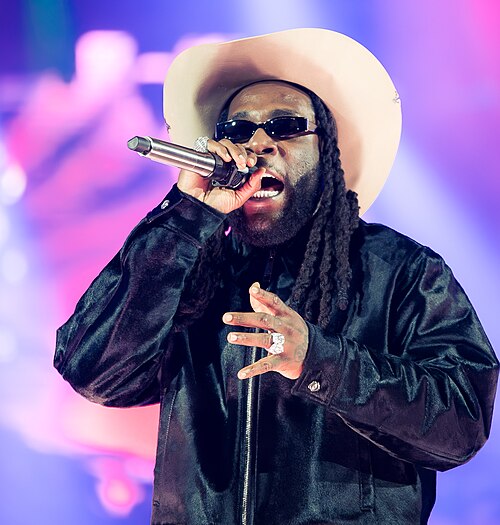
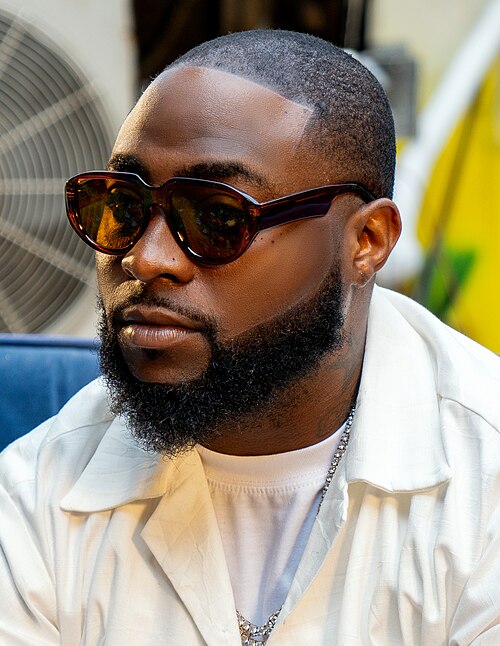
Capitalizing on that momentum, he founded Zanku Records in 2019 and released his debut album, Zanku, on November 3 of that year. The album solidified his place in the industry and opened doors for collaborations with some of the biggest names in Nigerian music, including Burna Boy, Davido, and Naira Marley.
Throughout the 2020s, Zlatan kept building. He released EPs and mixtapes like Resan and 10K for 10K, blending Afrobeat, hip-hop, and indigenous sounds with witty, streetwise lyrics. He also expanded beyond music, appearing in Nollywood productions and reality shows, and performed at festivals across Africa and Europe. His international presence grew steadily, making him one of the most recognizable faces of the new Nigerian pop wave.
In addition to his solo work, Zlatan has been a sought-after collaborator, lending his unique style to tracks with a variety of artists. His ability to adapt to different musical contexts while maintaining his signature energy has made him a versatile figure in the industry. He has also been credited with popularizing the street-hop subgenre, bringing it to mainstream audiences both in Nigeria and abroad.
Career Timeline
Public Image & Style
Zlatan's public image is built on energy, humor, and authenticity. He is seen as a voice for the Nigerian streets, capturing the hustle and spirit of everyday life in his lyrics. His fashion often reflects his bold personality, with flashy outfits and a confident swagger that match his music.
Media portrayals often describe him as a defining figure of the new Nigerian pop scene, celebrating his distinctive voice and playful energy. His social media presence, particularly on Instagram at @zlatan_ibile, reflects his lively, humorous persona, keeping fans engaged with behind-the-scenes glimpses and playful posts.
His fan base is rooted in Nigerian street culture and the broader Afrobeat audience across Africa and the diaspora. While there is no official fandom name, his followers connect with his relatable storytelling and his ability to turn everyday struggles into anthems. His live performances are known for their high energy and crowd interaction, further cementing his reputation as a dynamic entertainer.
Zlatan's influence extends beyond music; he has become a cultural icon, with his catchphrases and dance moves often replicated by fans. His ability to stay relevant in a rapidly changing music scene speaks to his understanding of his audience and his willingness to evolve while staying true to his roots.
Fame & Fandom (iFAMOUS Rankings)
Zlatan Ibile commands the Nigerian streets with a swagger that turns a simple dance into a national phenomenon. His energy is not just performance; it is a cultural force that reshaped how young Nigerians express themselves through movement and music. In the broader landscape of African entertainment, his influence extends far beyond local borders. According to the iFANN Global Fame Rankings, Zlatan holds the position of the 60th most famous person in Afrobeats, a standing he has maintained steadily from the previous cycle. This placement reflects his ability to bridge the gap between street-hop authenticity and global pop appeal without losing his edge. While his fanbase operates with organic intensity, there is no formal name for his supporters, who simply rally under his moniker or social media handle rather than an institutionalized club. They are known for their loud presence at concerts and viral engagement on platforms like Instagram, yet they lack the structured campaigns seen with other global superstars. His reach is measured in the sheer volume of people mimicking his steps in Lagos markets or Abuja streets, creating a shared language of rhythm that transcends dialects. He remains a defining figure whose public image is built on humor and authenticity, proving that a rapper from Ilorin can command a stage as big as any international stadium.
Interesting Facts and Legends
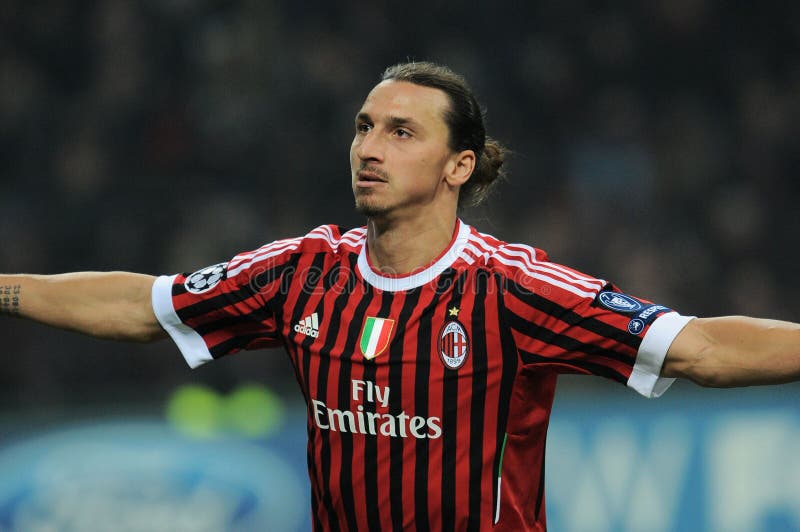
Zlatan's stage name originates from his childhood idol, Swedish striker Zlatan Ibrahimović, a football dream so intense he carried the identity into his musical career. His debut album title, Zanku, serves as an acronym for 'Zlatan Abeg No Kill Us,' a Pidgin phrase capturing the raw intensity of his performances. Beyond the music, he demonstrated entrepreneurial foresight by founding Zanku Records to manage and promote new talent. Despite his massive fame, he keeps details of his formal education private, relying instead on the lessons learned from the streets and the Airtel One Mic talent show victory in Abeokuta. A classic narrative of Nigerian hustle defines his path from aspiring athlete to cultural icon. In recent years, his legend has expanded into sports media where he made headlines for his sharp punditry. Fans still retell the story of his abrupt exit from broadcasting duties immediately after the 2026 World Cup final, a dramatic farewell that cemented his status as a media star who could command attention even when leaving a role. Another viral moment involved his controversial accusation that Argentine player Leandro Paredes was unprofessional, leading Zlatan to claim he would have headbutted the midfielder. These bold statements continue to fuel discussions about his unique personality and enduring impact on both music and sports culture.
Family & Personal Life
Details about Zlatan's family are scarce in public sources. He was raised in Ilorin, Kwara State, and later moved to Abeokuta, Ogun State, with his family. His parents' names and occupations have not been widely reported, and he has not shared much about his siblings or household in interviews.
What is known is that his upbringing in a modest, street-oriented environment heavily influenced his music and public persona. The values of hustle and resilience that come through in his lyrics likely stem from those early years. As of 2026, Zlatan keeps his personal family life largely out of the spotlight, focusing public attention on his career and music.
Despite the lack of public information, it is clear that his family's support was crucial in his early career, as he often references the importance of family in his music. He has mentioned in interviews that his mother was particularly encouraging, pushing him to pursue his musical ambitions even when the path seemed uncertain.
Notable Connections
Relationships & Dating History
Information about Zlatan's dating history is limited. As of 2026, he has not publicly confirmed any long-term relationships, and there are no verified reports of a current partner. He tends to keep his romantic life private, focusing public attention on his career.
In the past, there have been rumors linking him to various women, but none have been confirmed by credible sources. He has not been married and has no publicly known children. His relationship status remains single, as far as public records show.
Given his rising fame, it is likely that more details about his personal life will emerge in the future, but for now, Zlatan keeps that side of his life under wraps.
Despite the lack of confirmed relationships, his songs often explore themes of love and romance, suggesting that these experiences, whether personal or observational, inform his music. Fans continue to speculate about his love life, but he remains tight-lipped, preferring to let his art speak for itself.
Salary, Net Worth In 2026
$10 Million
iFANN Editorial Team estimate
Per iFANN's editorial analysis, Zlatan's net worth in 2026 stands at $10 Million, a figure reflecting his success in music and diverse business ventures. His primary income streams include music sales, streaming royalties, and high-profile live performances across Africa and Europe. Festival appearances significantly boost these earnings, while endorsement deals and brand partnerships add substantial value to his portfolio, though specific contract figures remain undisclosed. He generates additional revenue through Zanku Records, which profits from the artists he signs and promotes. Expanding beyond audio, his work in Nollywood and television has opened lucrative new channels for wealth accumulation. Over recent years, his financial standing has grown steadily as he broadens his brand reach. Research indicates he has invested in real estate, owning properties in Lagos and his hometown, further diversifying his assets. His business acumen is frequently highlighted in interviews where he emphasizes financial independence and community reinvestment. These strategic moves suggest a lasting financial foundation built well beyond his initial musical breakthrough.
Awards & Accolades
View 1 records, honours and achievementsKnown For
Zanku (song)
2018 · Artist
Zanku (album)
2019 · Artist
Keywords
Sources
Quick Facts
- Profession
- singer, artist
- Born
- December 19, 1994
- Birthplace
- Ilorin, Kwara State, Nigeria
- Gender
- Male
- Birth Sign
- Sagittarius
Personal Details
- Full Name
- Omoniyi Temidayo Raphael
Frequently Asked Questions
How old is Zlatan Ibile?
What is Zlatan Ibile's net worth in 2026?
Is Zlatan Ibile married?
Why is Zlatan Ibile called Zlatan?
What does Zanku mean?
Social Media
Similar People
Join the community
fans discussing