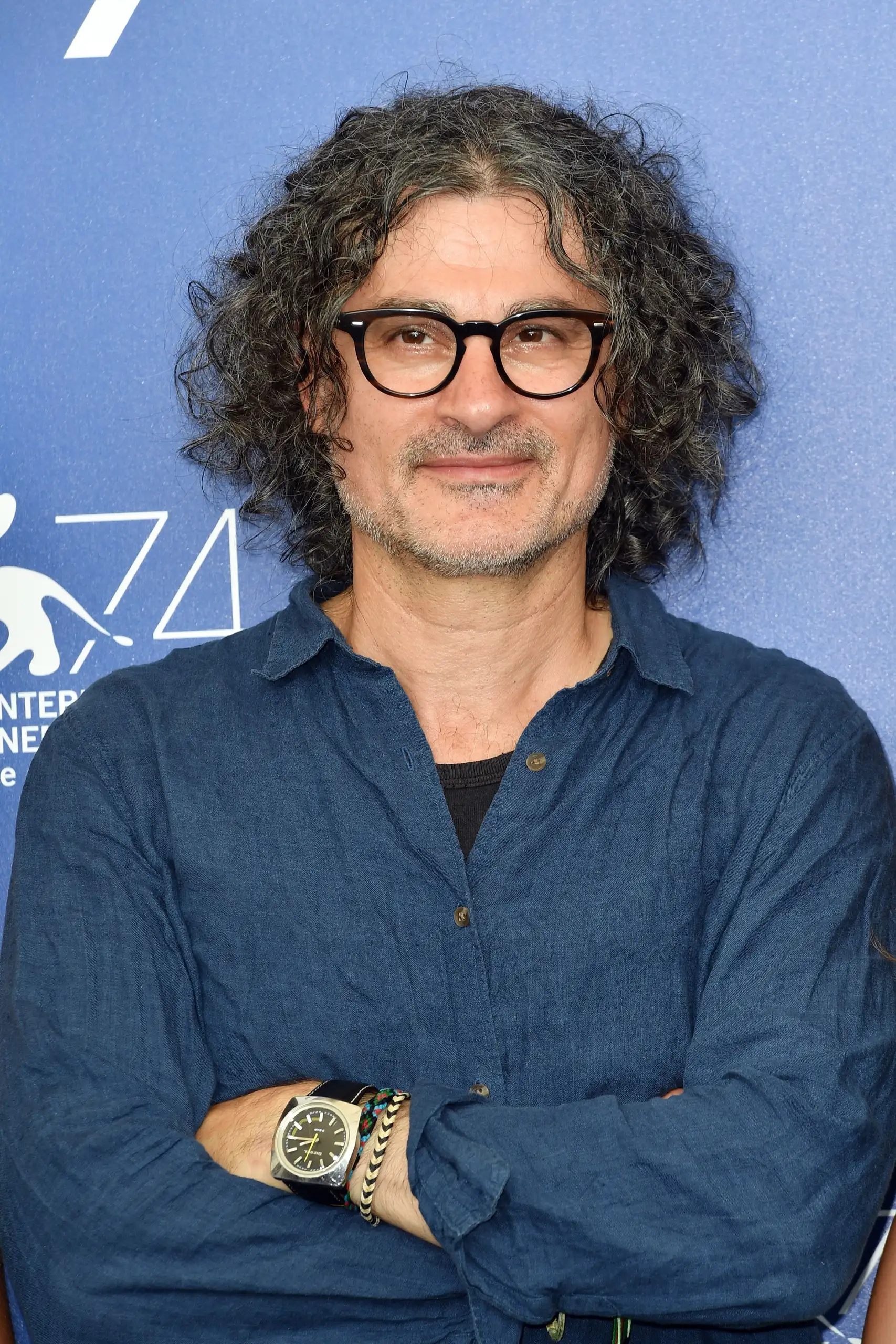
Ziad Doueiri
 Lebanon
Film director•screenwriter•cinematographer
Birthday
October 7, 1963
Birth Sign
Libra
Birthplace
Beirut, Lebanon
Age
63 years old
About
Ziad Doueiri is a Lebanese film director, screenwriter, and cinematographer known for probing the scars of the Lebanese Civil War. His debut feature, West Beirut (1998), won the FIPRESCI Prize at Cannes and announced a distinctive voice in Arab cinema. His 2017 courtroom drama The Insult earned Lebanon its first Oscar nomination for Best Foreign Language Film, and his work continues to provoke conversation across the region.
Doueiri spent nearly a decade as a camera operator on Hollywood productions like The Usual Suspects before turning to directing. His films, including The Attack (2012), are marked by moral complexity and a refusal to take sides. As of 2026, he remains active, developing projects that keep the memory of conflict alive.
Early Life & Background
Ziad Doueiri was born in Beirut in 1963, into a city that would soon fracture along sectarian lines. He grew up through the early years of the Lebanese Civil War, and the violence he witnessed as a teenager became the raw material for his later work. Unlike many who fled, he stayed in Beirut for much of the conflict, absorbing the daily reality of a divided society.
His path into cinema began not in the director's chair but behind the camera. In the late 1980s he moved to the United States, where he studied film and started working as a camera operator. He spent years on American sets, learning the craft from directors like Bryan Singer and Tony Scott. His credits from this period include The Usual Suspects (1995) and Crimson Tide (1995). This apprenticeship gave him technical discipline and a network of contacts, but the stories he wanted to tell were back home.
In the mid-1990s, Doueiri began writing a script drawn from his own adolescence. The result was West Beirut, a semi-autobiographical tale of two boys navigating the war's early chaos. He returned to Lebanon to shoot it, working with a small crew and non-professional actors. The film's authenticity came from lived experience, and its premiere at Cannes in 1998 marked his breakthrough.
Career Growth
Doueiri's directing career took off with West Beirut in 1998. The film won the FIPRESCI Prize at Cannes and became a landmark of Arab cinema. It also courted controversy for humanizing Israeli characters, a theme that would follow him.
After a gap of several years, he returned with The Attack (2012), adapted from Yasmina Khadra's novel. Starring Hilary Swank, the film premiered at Toronto and explored the moral fallout of a suicide bombing. It earned praise for its balanced portrayal of a Palestinian doctor caught between loyalties.
His biggest success came with The Insult (2017). Inspired by a real incident, the courtroom drama pits a Lebanese Christian against a Palestinian refugee. It premiered in competition at Cannes, then went on to win the Audience Award at Montreal and Best Screenplay at Cairo. In January 2018, it secured Lebanon's first Oscar nomination for Best Foreign Language Film.
The film also triggered a political storm. On returning to Beirut for promotion, Doueiri was detained at the airport and had his passport confiscated for several hours, questioned about scenes depicting Israelis. He was released without charge, but the episode underscored the sensitivities he navigates. Since then he has worked on television, including the series Cœurs Noirs, and continues to develop feature projects.
Career Timeline
Public Image & Style
Doueiri is seen as a bold, sometimes polarizing figure in Arab cinema. His willingness to depict Israeli characters sympathetically has drawn criticism from some quarters, while earning respect for his even-handedness. He is known for a measured, intellectual public persona, often discussing the political dimensions of his films in interviews. Fans of international arthouse cinema regard him as a vital chronicler of Lebanon's unresolved past. His social media presence is modest, used mainly to promote projects rather than share personal moments.
Fame & Fandom (iFAMOUS Rankings)
Ziad Doueiri commands a steady, specialized audience within the global film community rather than achieving mass pop culture ubiquity. As of August 2026, iFANN has evaluated his standing and determined that he currently holds no placement in the published Global Top 1,000 rankings or any Top-100 scope lists. This absence from the primary charts reflects his status as a critically acclaimed auteur whose influence is measured by industry respect and critical discourse rather than viral celebrity metrics or broad consumer consumption signals. His fanbase consists primarily of cinephiles, film critics, and professionals interested in Lebanese cinema and Middle Eastern political narratives, yet there is no formal name for this collective. Unlike stars with organized communities driving chart movements, Doueiri lacks a dedicated moniker or grassroots campaigns; his social media presence remains modest, serving professional updates to a direct following without the reciprocal engagement typical of pop icons. The mythology surrounding him is not one of adulation but of geopolitical friction. He is frequently associated with the verified incident of his September 2017 detention at Beirut airport, where his passport was confiscated upon returning to promote The Insult due to prior filming in Israel. This event cemented his reputation as a figure who navigates dangerous cultural fault lines, sparking international debate about censorship and normalization. Similarly, the narrative of him being labeled a "Good Arab" by Western media while facing condemnation in parts of the Arab world for sympathetic portrayals of Palestinian characters forms a core part of his legacy. These stories define his public image more than any traditional fan ritual or campaign ever could.
Interesting Facts and Legends
Doueiri's early career as a camera operator on The Usual Suspects is a detail that surprises many who know him only as a director. He is fluent in Arabic and French, with working English, which lets him move between Western and Arab production worlds. In September 2017 he was briefly detained at Beirut airport over The Insult, an incident that made international headlines. He has said the civil war 'ended, but the conflict never ended,' a line that captures the persistent unease in his work. Beyond these established facts, Doueiri is surrounded by legends of controversy regarding his depiction of Israeli characters. A persistent story in Arab cinema circles recounts how his film West Beirut and later works like The Insult faced severe backlash for presenting nuanced, sympathetic portraits of figures often viewed as enemies, leading to protests and accusations of betrayal against the Palestinian cause. Another documented chapter involves the specific moment when military intelligence questioned him at the airport, turning a promotional tour into a flashpoint for debates on freedom of expression and the normalization of relations with Israel.
Notable Quotes
“The civil war ended, but the conflict never ended.”
“I wanted to tell a story that was not just about the war, but about the people living in the shadow of the war.”
“My films are a reflection of my own memories.”
Family & Personal Life
Ziad Doueiri keeps his family life largely out of the public eye. There is no confirmed information about his parents, siblings, or any children. He splits his time between Paris and Beirut, but details of his household remain private. The absence of public family data is itself notable, given how much of his work draws on personal history.
Notable Connections
Relationships & Dating History
Ziad Doueiri has never publicly confirmed a romantic relationship. No reliable sources mention a spouse, partner, or children. He keeps his personal life entirely separate from his public work, and as of 2026 he is reported to be single. This privacy is unusual for a filmmaker of his profile, but consistent with his focus on his craft.
Salary, Net Worth In 2026
$4 Million
iFANN Editorial Team estimate
Per iFANN's editorial analysis, Ziad Doueiri's net worth is estimated at $4 Million. His financial stability derives from film production fees, screenwriting royalties, and distribution deals securing markets across Europe and the Middle East. Independent and art-house projects such as West Beirut and The Insult have generated consistent revenue through their international sales, reflecting the economic realities of the arthouse sector compared to mainstream Hollywood ventures. He has not been linked to major commercial endorsements or large-scale business diversions, and his earnings remain aligned with the modest scale of his creative output. While detailed financial disclosures are scarce, his continued activity in both film and television suggests a stable, enduring career supported by the critical success of his work.
Awards Won (4)
Ziad Doueiri has won several notable awards. His debut West Beirut took the FIPRESCI Prize at Cannes in 1998. The Insult received the Audience Award at the Montreal World Film Festival and Best Screenplay at the Cairo International Film Festival in 2017, along with a special mention at Venice. These wins reflect his standing in international arthouse circles.
1998 · International Critics' Prize
West Beirut
2017 · Montreal World Film Festival
The Insult
Known For
The Insult
2017 · Director, screenwriter
West Beirut
1998 · Director, screenwriter
The Attack
2012 · Director
Keywords
Sources
Quick Facts
- Profession
- Film director, screenwriter, cinematographer
- Born
- October 7, 1963
- Birthplace
- Beirut, Lebanon
- Gender
- Male
- Birth Sign
- Libra
- Net Worth
- $4 Million
Personal Details
- Full Name
- Ziad Doueiri
Filmography
8
Total
6
Film
2
TV
Frequently Asked Questions
Is Ziad Doueiri married?
What is Ziad Doueiri's most famous movie?
Why was Ziad Doueiri detained in 2017?
How old is Ziad Doueiri in 2026?
Did Ziad Doueiri win an Oscar?
Social Media
Join the community
fans discussing