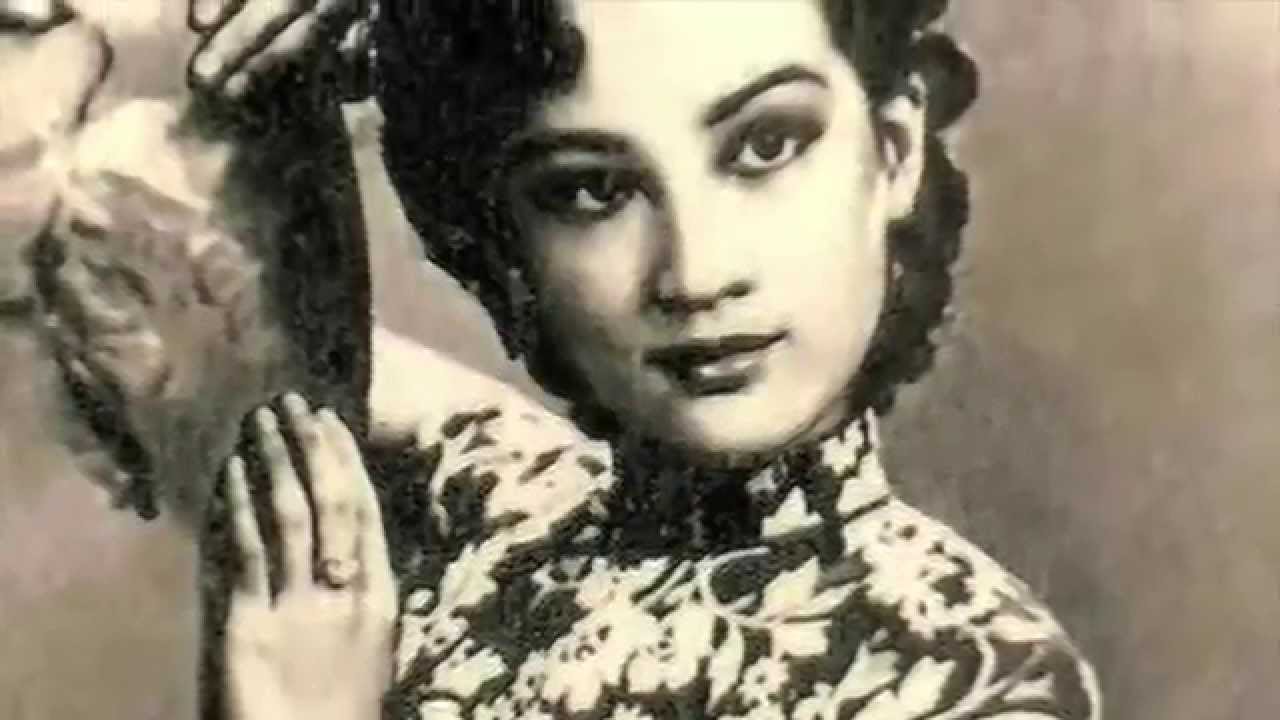
Zhou Xuan
 China
ChinaAlso known as: Chow Hsuan, Golden Voice
Birthday
August 1, 1918
Birth Sign
Leo
Birthplace
Changzhou, Jiangsu, China
Age
Died at 39
About
Zhou Xuan was a Chinese singer and film actress whose crystalline soprano and emotionally charged delivery earned her the nickname "Golden Voice" of Shanghai's golden age. Born Su Pu around 1918 in Changzhou, she became one of China's Seven Great Singing Stars in the 1940s, recording over 200 songs and appearing in more than 40 films. Her most enduring work came from the 1937 musical Street Angel, where she performed "The Wandering Songstress," a song that became an anthem of resilience during the war years.
Her career spanned two decades and two cities, moving from Shanghai to Hong Kong in the late 1940s. She was among the first Chinese entertainers to achieve cross-media stardom, moving effortlessly between the recording studio and the silver screen. Her voice remains instantly recognizable, and her recordings still circulate on streaming platforms today, nearly a century after they were made.
Zhou Xuan's life was marked by personal turmoil, including a series of unhappy relationships and mental health struggles that darkened her later years. She died in Shanghai on September 22, 1957, at age 39. Her music and films continue to be studied and celebrated as foundational works of Chinese popular culture.
Early Life & Background
Zhou Xuan was born Su Pu in Changzhou, Jiangsu Province, in 1918 or 1920, depending on the source. Her early life was shadowed by poverty and uncertainty. She was reportedly given away or sold as a child, then raised by an adoptive family who gave her the name Zhou Xuan. The exact circumstances of her adoption remain unclear, with conflicting accounts in historical records.
Her childhood was disrupted, and formal schooling was minimal. Instead, her education came through the entertainment world. She began performing as a teenager, and in the early 1930s she entered a singing contest in Shanghai. Her clear, high voice and emotional delivery won her first place, and the victory opened doors to radio and stage work. She quickly became a familiar voice on Shanghai's vibrant entertainment scene, singing popular tunes and traditional ballads.
Film companies took notice of her growing fame. She made her film debut in 1935, at a time when Shanghai's movie industry was booming and sound films were still new. Her early roles were small, but her presence on screen and her singing ability set her apart. By the mid-1930s, she was well on her way to becoming one of the city's most promising young performers.
Career Growth
Zhou Xuan's breakthrough came in 1937 with the musical film Street Angel, directed by Yuan Muzhi. She played a young songstress forced into poverty, and her performances of "The Wandering Songstress" and "Songstress at the Ends of the Earth" became instant classics. These songs, with their themes of hardship and hope, resonated deeply with audiences during the Second Sino-Japanese War and remain her most iconic recordings.
Through the 1940s, she became one of China's Seven Great Singing Stars, a group that defined popular music in Shanghai's golden age. She recorded more than 200 songs, including standards like "Night Life in Shanghai," "When Will You Come Again," "Spring Comes to the Slum," and "Song of Four Seasons." Her films included Sorrows and Pleasures of Middle Age and Myriad of Colors, where she often played characters who, like herself, faced hardship with grace.
In the late 1940s, she moved to Hong Kong, where she starred in several more films, including The Life of Wu Xun. Her career continued until her health declined in the mid-1950s. After her death in 1957, her recordings remained in print, and her music found new audiences on streaming platforms in the 2020s. Her life story was adapted into the dance drama The Wandering Singsong Girl, premiered by the Hong Kong Dance Company in 1989 and restaged in 2001.
Career Timeline
Public Image & Style
Zhou Xuan's public image was defined by her crystalline soprano voice and emotionally resonant delivery. On screen, she often played impoverished songstresses and women facing hardship, roles that mirrored her real-life struggles. This blend of talent and tragedy made her a beloved figure in Shanghai's entertainment world, and her nickname "Golden Voice" captured her status as the preeminent vocalist of her generation.
Modern retrospectives portray her as a tragic figure, a woman of immense talent whose personal life was marked by suffering. She is remembered both as a cultural icon and as a cautionary tale about the toll of fame. Her music maintains an active listening base on streaming platforms, and her films are preserved in Chinese film classics collections.
Recent cultural commentary has revisited her legacy as part of the broader story of Shanghai's jazz-age women who remade the sound and image of modern China. While no formal fandom name exists, her influence is acknowledged as foundational to generations of Chinese pop singers who followed.
Fame & Fandom (iFAMOUS Rankings)
Zhou Xuan's legacy is not sustained by a modern, active fanbase with organized campaigns or social media monikers, but rather by the enduring reverence of generations who view her as the definitive voice of Shanghai's golden age. While no formal fandom name exists today, her cultural mythology functions as a living history, preserved through archival screenings and digital streams that keep her spirit alive for new audiences. This unique form of posthumous devotion treats her not merely as an entertainer, but as a tragic icon whose life story mirrors the turbulent history of mid-20th century China. Her influence permeates academic circles and cinematic retrospectives, where she is studied alongside other legends of the era. The absence of contemporary fan clubs does not diminish her stature; instead, it highlights a timeless quality that transcends the fleeting nature of modern celebrity cycles. Her music remains a staple on major platforms, allowing listeners to connect directly with her crystalline soprano nearly a century after her recordings were made. This deep, quiet connection underscores her status as a foundational figure in Chinese pop culture. Her ranking reflects this global recognition across media coverage and consumption signals worldwide. She holds the distinction of being the 40th most famous person in C-Pop / Mandopop according to the iFANN Global Fame Rankings, a position she has held steady from the previous cycle.
Interesting Facts and Legends
Born Su Pu around 1918, Zhou Xuan was raised by an adoptive family who named her Zhou Xuan, though some records dispute her birth year as 1920. Her breakout performance in the 1937 musical Street Angel featured "The Wandering Songstress," which became an anthem of resilience during the war years. She was one of the first Chinese entertainers to achieve cross-media stardom in both music and film. Her recordings from the 1930s and 1940s remain commercially available on modern streaming platforms, nearly a century after they were made. She was part of a wave of Shanghai jazz-age women who, in the words of a recent cultural retrospective, "remade both the sound and the image of modern China." Her life story has been adapted into at least one major stage production, the dance drama The Wandering Singsong Girl. A persistent legend among historians tells of her tragic decline due to mental illness, often linked to the trauma of war and personal heartbreak, leading to her institutionalization before her death in 1957. Fans still retell the story of her iconic role as Ah San in Street Angel, where she played an innocent songstress born into poverty, a performance frequently cited as the peak of her artistic contribution.
Family & Personal Life
Zhou Xuan was born Su Pu, but the details of her biological family are murky. She was reportedly given away or sold as a child, and she was raised by an adoptive family who gave her the name Zhou Xuan. The circumstances of her adoption remain unclear, with conflicting accounts in historical records.
She had at least one child, though detailed documentation of her offspring and their fates is limited. Her personal life was marked by turmoil, and her family relationships were often strained. She did not have a stable family life in her adult years, and her later years were characterized by personal instability and declining mental health.
Notable Connections
Zhou Xuan's career emerged from the musical ecosystem built by composer Li Jinhui, who is credited with creating China's first pop music scene in Shanghai. She was also a member of the Seven Great Singing Stars, a group that defined Chinese popular music in the 1940s, alongside other leading performers of the era. Her work has been celebrated posthumously by the Hong Kong Dance Company, which adapted her life into the dance drama The Wandering Singsong Girl.
Relationships & Dating History
Documentation of Zhou Xuan's romantic life is limited and fragmented, owing to the era in which she lived and the personal turmoil she experienced. Her rise to fame in the 1930s coincided with a series of relationships that were complicated by her career and the social pressures of the entertainment industry. Specific details of these early relationships are sparsely documented.
By the late 1940s and into the 1950s, her personal life had become increasingly troubled. She experienced a series of unhappy relationships that contributed to deteriorating mental health. Contemporary accounts describe her as having suffered from psychological breakdowns in her final years.
Historical records indicate she had at least one child, though detailed documentation of her offspring and their fates is limited. At the time of her death on September 22, 1957, she was not in a stable relationship; her later years were marked by personal instability and declining mental health. She died unmarried.
Death & Aftermath
Died
September 22, 1957 (aged 39)
Death Place
Unknown
Cause of Death
Unknown
The news of Zhou Xuan's passing sent a wave of quiet sorrow through Shanghai and Hong Kong, with fans and colleagues alike mourning the loss of the Golden Voice who had defined an era. Her final days were marked by a gradual decline in health that eventually led to her death on September 22, 1957, though the precise location of her passing remains unrecorded in available accounts. The official cause of death was never made public, leaving a gap in the historical record where speculation about mental health struggles or physical exhaustion often filled the void without confirmation. The funeral proceedings were kept private, reflecting the turbulent nature of her personal life and the desire for discretion from those closest to her.
Posthumous recognition took various forms, including the adaptation of her life story into the dance drama The Wandering Singsong Girl, which premiered in 1989 and was restaged in 2001. Her estate, consisting primarily of her intellectual property rights, continues to generate royalties through streaming platforms like Spotify and Apple Music. While specific tributes from peers during her lifetime are not well-documented in the immediate aftermath, her influence persisted through the enduring popularity of songs like The Wandering Songstress.
Net Worth (Estate Value)
$5 Million
iFANN Editorial Team estimate
Zhou Xuan died in 1957, so contemporary net worth figures do not apply. Her estate consists primarily of intellectual property rights: her recorded catalog of over 200 songs and her filmography of more than 40 films. These recordings remain commercially available on streaming platforms such as Spotify and Apple Music, indicating ongoing royalty generation. Her music continues to be featured in cultural retrospectives and documentaries, including recent Sixth Tone features on Shanghai's jazz age. No public information is available regarding estate management, current estate valuation, or posthumous earnings figures. Per iFANN's editorial analysis, as of 2026, the estimated value of her estate is around $5 Million.
Awards Won (3)
Zhou Xuan's achievements were recognized through informal honors rather than formal awards, which did not exist in China's entertainment industry during her lifetime. She won a singing contest in Shanghai in the 1930s, which launched her career. She was bestowed the nickname "Golden Voice" by the public and press, and she was named one of the Seven Great Singing Stars in the 1940s, a significant distinction among China's top musical performers.
1934 · Music
Shanghai singing contest
1940 · Honorific
Career recognition
Known For
Street Angel
1937 · Actress / Singer
The Life of Wu Xun
1950 · Actress
Sorrows and Pleasures of Middle Age
1949 · Actress
Myriad of Colors
1943 · Actress
Keywords
Sources
Quick Facts
- Profession
- singer, actor
- Born
- August 1, 1918
- Birthplace
- Changzhou
- Died
- September 22, 1957
- Death Place
- Shanghai
- Gender
- Female
- Birth Sign
- Leo
- Nickname
- Golden Voice
Personal Details
- Full Name
- Su Pu
- Children
- 1 child (details limited)
- Education
- Minimal formal schooling; trained in singing and performance from a young age
Filmography
40
Total
40
Film
0
TV
Frequently Asked Questions
How old was Zhou Xuan when she died?
What is Zhou Xuan best known for?
Did Zhou Xuan have children?
Why did Zhou Xuan die?
Is Zhou Xuan's music available on streaming platforms?
Similar People
Join the community
fans discussing