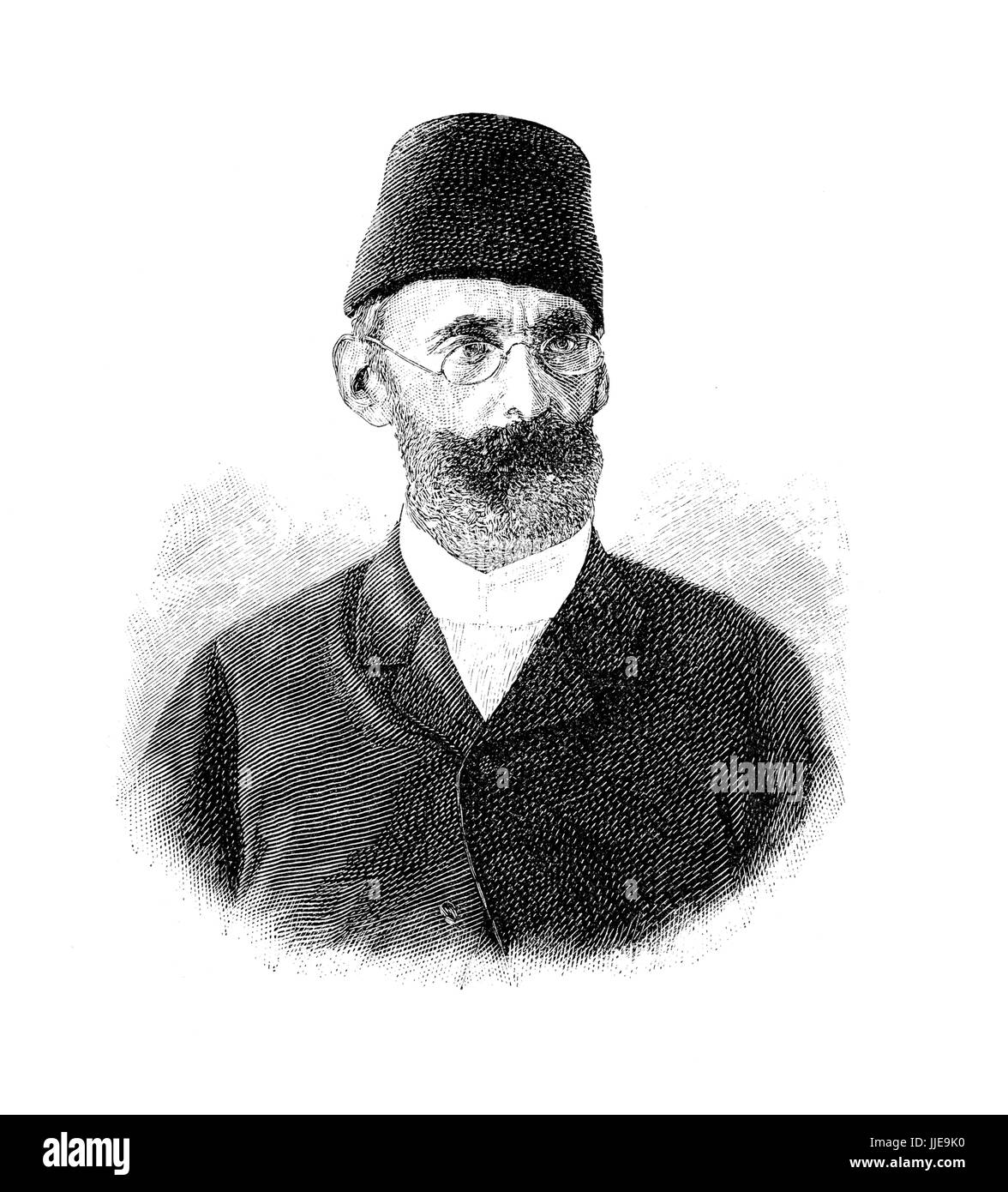
Zeki Pasha
 Egypt
EgyptAlso known as: Halepli Zeki Pasha, Mehmet Zeki Baraz Kolaç Kılıçoğlu
Birthday
January 1, 1862
Birth Sign
Capricorn
Birthplace
Aleppo
Age
Died at 81
About
Zeki Pasha was an Ottoman field marshal, born in Aleppo, who served as a trusted soldier-statesman during a transformative era for the empire. He rose through the military ranks, eventually holding significant commands during major conflicts like the Balkan Wars and World War I. Known for his strategic capabilities, he played an important role in the late Ottoman period. His legacy also includes commissioning the Zeki Pasha Yalısı, a renowned architectural landmark on the Bosphorus in Istanbul.
Early Life & Background
Mehmet Zeki Baraz, who would later be known as Zeki Pasha, was born in Aleppo in 1862. He came from a Circassian background, a detail that shaped part of his identity. His early life was geared towards military service, a common path for young men of ambition in the Ottoman Empire. He entered the Ottoman Military Academy, a prestigious institution, and completed his studies, graduating in either 1883 or 1886. This foundational education equipped him with the skills and discipline necessary for a distinguished military career.
Following his graduation, Zeki Pasha quickly began making his mark within the Ottoman Army. He earned a reputation as a capable and reliable soldier-statesman, garnering the trust of Sultan Abdul Hamid II. His administrative acumen was evident early on; he spent 17 years serving as the Marshal of the Cannon Foundry, overseeing critical aspects of military production. Additionally, he dedicated 25 years to the Ministry of Military Schools, playing a pivotal role in shaping the next generation of Ottoman officers.
Career Growth
Zeki Pasha's career truly entered its most prominent phase as the Ottoman Empire faced increasing geopolitical pressures. He commanded forces during the tumultuous Balkan Wars, a series of conflicts in 1912 and 1913 that reshaped the region. During the First Balkan War, he led the Vardar Army and was instrumental in initiating the Battle of Kumanovo, a significant engagement. His leadership during these challenging times showcased his military prowess and strategic thinking.
As World War I erupted, Zeki Pasha continued to hold important commands, navigating the complexities of a global conflict that further strained the Ottoman Empire. His service extended through the late Ottoman period and into the Turkish War of Independence, where he maintained significant roles. In 1934, following the adoption of the Surname Law in the newly formed Republic of Turkey, he took on the surname Kolaç Kılıçoğlu, officially becoming Mehmet Zeki Baraz Kolaç Kılıçoğlu. He passed away in 1943 in Istanbul, concluding a long and impactful career dedicated to military and state service.
Career Timeline
Public Image & Style
Zeki Pasha cultivated an image as a highly capable and trusted military leader within the Ottoman hierarchy. He was perceived as a loyal and effective soldier-statesman, particularly under Sultan Abdul Hamid II. His long service in key administrative and command roles solidified his reputation as a dedicated professional. While details of his personal style or public interactions are scarce, his enduring legacy rests on his strategic contributions during a pivotal and turbulent period for the Ottoman Empire.
Fame & Fandom
Zeki Pasha does not currently hold a placement in the iFANN Global Top 1,000 rankings or any scope-specific list. The evaluation confirms his status as an unranked historical figure within the modern fame ecosystem. While the late Ottoman field marshal commanded armies and shaped imperial strategy during the Balkan Wars and World War I, he lacks the active, organized fanbase that defines contemporary celebrity culture. No formal fandom name exists for his supporters, nor are there recorded rituals, viral campaigns, or social media communities dedicated to his memory. His legacy survives through academic archives and the preservation of his estate rather than the devotional acts typical of pop icons. The Zeki Pasha Yalısı stands as a silent monument to his life, yet no crowds gather to celebrate his birthday or flood subway ads with his image. This absence of a living fan culture distinguishes him from modern entertainers whose names dominate global conversation. He remains a subject of historical study rather than a trending topic. The lack of a documented fanbase reflects the distance between his era and today's digital landscape. His influence is measured in military records and architectural heritage, not in search volume or merchandise sales. Even the most devoted historians approach his story with analytical rigor rather than the fervor of fandom. The silence of the internet regarding his personal following speaks volumes about the nature of his fame. It is a quiet, enduring respect found in books and museums, far removed from the noise of modern stardom.
Interesting Facts and Legends
Born in Aleppo, Zeki Pasha carried the moniker Halepli Zeki Pasha, a title honoring his place of origin. His Circassian heritage was a notable aspect of his identity. The most enduring physical trace of his life is the Zeki Pasha Yalısı, a stunning waterfront mansion on the Bosphorus in Istanbul. This 130-year-old residence features 23 rooms and stands as an architectural masterpiece of the Belle Époque era. Often cited as one of the most expensive homes in the world, the property has been listed for sale with price tags reaching approximately $95 million. The mansion serves as the primary vessel for his historical memory, celebrated for its panoramic views and intricate design. Stories of the mansion being a "palace fit for a sultan" persist among real estate historians and cultural preservationists. These accounts frame his legacy not through folklore, but through the tangible grandeur of his final home.
Family & Personal Life
Zeki Pasha was of Circassian descent. Beyond this, public records offer very little information about his personal family life. Details regarding his parents, siblings, or whether he married or had children are not widely documented. His public persona and available historical accounts primarily focus on his extensive military and political career within the Ottoman Empire.
Relationships & Dating History
Zeki Pasha's personal life, including any romantic relationships or marital status, is not publicly documented in historical records. His biography and available information primarily focus on his extensive military and political career within the Ottoman Empire. There are no known accounts of him being married, engaged, or involved in any public relationships throughout his life.
Death & Aftermath
Died
January 1, 1943 (aged 81)
Death Place
Unknown
Cause of Death
Unknown
The Zeki Pasha Yalısı, the grand Bosphorus mansion he commissioned, remained a silent sentinel on the water as the Ottoman field marshal's long service concluded. Historical records confirm his passing in Istanbul during the winter of 1943, marking the end of a career that spanned the twilight of the empire and the birth of the republic. Born in Aleppo in 1862, he had witnessed the transformation of Anatolia from a sultanate to a modern state before retiring from active duty in 1923. By the time his life ended on January 1, 1943, he was known primarily as a veteran soldier-statesman rather than an active political figure.
Available archives do not contain specific details regarding the exact location within the city where he died or the medical cause of his passing. Consequently, the circumstances surrounding his final days are absent from the historical record, leaving only the confirmation of his death date and his status as a retired general.
His legacy rests instead on his strategic role during the Balkan Wars and World War I, alongside the architectural permanence of his waterfront estate. While the mansion later attracted attention for its market value in the twenty-first century, the man himself faded into the quiet history of the late Ottoman period without a recorded ceremonial send-off.
Net Worth (Estate Value)
Reliable public financial records for Zeki Pasha are not available, making it difficult to accurately estimate his net worth at the time of his passing in 1943 or the subsequent value of his estate. While he held high-ranking positions as an Ottoman field marshal and was known to have commissioned the significant Zeki Pasha Yalısı on the Bosphorus, specific details about his income, investments, or other assets have not been publicly documented. The value of his estate and any potential earnings it might have generated after his death remain unrecorded in public sources.
Awards & Accolades
Known For
Vardar Army Command
1912 · Commander
Battle of Kumanovo
1912 · Initiator
Zeki Pasha Yalısı
1896 · Commissioner
Keywords
Sources
Quick Facts
- Profession
- Ottoman field marshal
- Birthplace
- Aleppo
- Died in
- Istanbul
- Ethnicity
- Circassian
- Education
- Ottoman Military Academy
Personal Details
- Full Name
- Mehmet Zeki Baraz
- Children
- Education
- Ottoman Military Academy
Frequently Asked Questions
Who was Zeki Pasha?
Where was Zeki Pasha from?
What were Zeki Pasha's main military achievements?
Did Zeki Pasha have a family?
What is the Zeki Pasha Yalısı?
Join the community
fans discussing