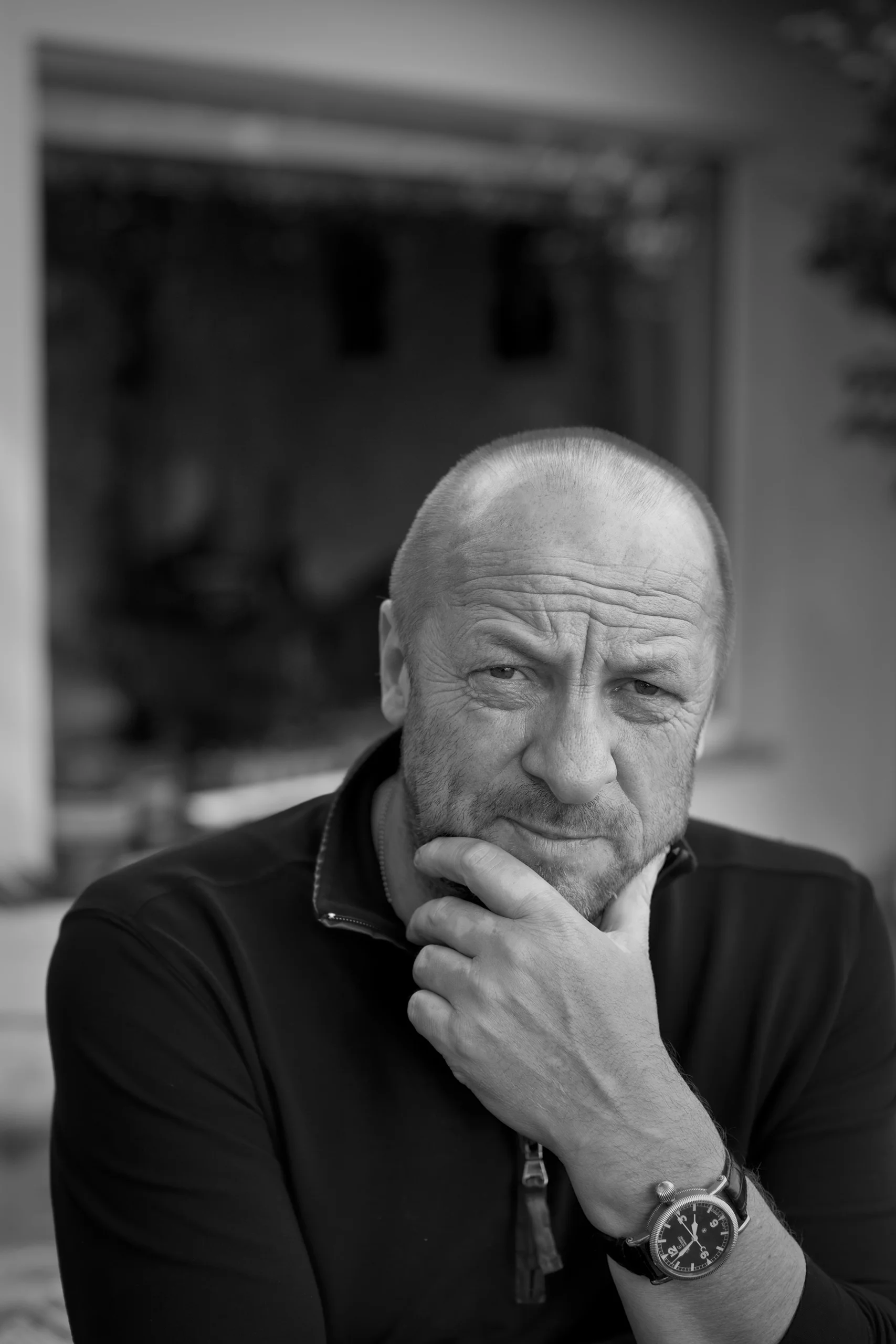
Zbigniew Preisner
 Poland
film score composer•composer•musician
Also known as: Zbigniew Antoni Preisner, Van den Budenmayer, Zbigniew Antoni Kowalski
Birthday
May 20, 1955
Birth Sign
Taurus
Birthplace
Bielsko-Biała, Poland
Age
71 years old
About
Zbigniew Preisner is a Polish film score composer whose music has shaped the emotional core of some of cinema's most introspective works. Best known for his long collaboration with director Krzysztof Kieślowski, he created the haunting scores for The Decalogue, A Short Film About Killing, and the Three Colors trilogy, with Blue becoming a touchstone of modern film music.
His style blends rich orchestral textures with ethereal vocals, often featuring soprano Lisa Gerrard, to evoke deep melancholy and philosophical reflection. Beyond Kieślowski, he has scored films for Agnieszka Holland, Patrice Chéreau, and most recently Asghar Farhadi. He has received a César Award, the Gold Medal for Merit to Culture – Gloria Artis, and the Knight's Cross of the Order of Polonia Restituta, and in 2026 was appointed a principal for the Arts and Crafts chapter of the European Film Academy.
Early Life & Background
Born in Bielsko-Biała, a city in southern Poland, Preisner grew up surrounded by the industrial landscapes of the region. Unlike many composers who start formal training as children, he was largely self-taught, learning by ear and experimenting with keyboards. His early passion was jazz; throughout the 1970s he played piano and keyboards in Polish jazz ensembles, honing an improvisational sensitivity that would later inform his film scoring.
He enrolled at Jagiellonian University in Kraków to study philosophy and history, a background that gave his music its distinctive intellectual weight. While still a student, he began producing music for Polish radio and television, composing incidental pieces that caught the attention of filmmakers. In 1980, he met Krzysztof Kieślowski, who was then making Camera Buff. That meeting launched a partnership that would define both their careers, but the breakthrough came later with the Decalogue series in the late 1980s.
Career Growth
The late 1980s brought Preisner international notice through his scores for A Short Film About Killing and A Short Film About Love, both derived from the Decalogue cycle. But it was the Three Colors trilogy that made him a global name. Three Colors: Blue (1993), with its iconic "Song for the Unification of Europe," won the César Award for Best Music, and the scores for White and Red followed to similar acclaim.
Hollywood came calling in the mid-1990s: he scored The Secret Garden (1993), When a Man Loves a Woman (1994), The Mirror Has Two Faces (1996), and The Horse Whisperer (1998), the latter earning a BAFTA nomination. He balanced these with European projects like Agnieszka Holland's In Darkness and Patrice Chéreau's Intimate Enemies. Parallel to film work, he released solo albums under his own name and the pseudonym Van den Budenmayer, including De Profundis (1999) and Nunc Dimittis (2005). In 2026, he is scoring Asghar Farhadi's Parallel Tales.
Career Timeline
Public Image & Style
Preisner is regarded as a master of melancholic, philosophical film music, a reputation built on his work with Kieślowski and his frequent use of ethereal vocals and Latin lyrics. He is known for his reclusive nature, rarely giving interviews or appearing in the media, which has only deepened his mystique among film music enthusiasts. Fans and critics alike describe his scores as "characters" in the films themselves, and his concerts, such as the 2025 London celebration for his 70th birthday, draw devoted audiences. His social media presence is minimal and strictly professional, used only to announce new releases and tour dates.
Fame & Fandom (iFAMOUS Rankings)
The audience for Zbigniew Preisner is defined by a quiet devotion to the emotional architecture of cinema rather than the frenzy typical of pop stardom. His listeners, often film scholars and classical music enthusiasts, seek out his work for its philosophical depth and melancholic resonance rather than seeking celebrity gossip or fan rituals. There is no organized collective moniker for these fans; they do not gather under a specific banner like the Beyhive or Swifties, nor are there documented campaigns, birthday billboards, or fan-funded projects driving his profile. The community engages primarily through the consumption of his recordings on streaming platforms and attendance at curated concert events that celebrate his catalog. This lack of a formalized fandom name reflects the composer's reclusive nature and the introspective character of his art, which invites personal reflection over public spectacle. Despite this low-key presence, his influence remains pervasive across global media coverage and cultural consumption signals. He is currently ranked as the 90th most famous person in Classical, a position he holds steady from the previous cycle. This standing places him firmly within the iFANN Global Fame Rankings.
Interesting Facts and Legends
Zbigniew Preisner studied philosophy and history at university, a rare academic background for a composer that deeply shaped his narrative approach to scoring. He is largely self-taught in composition, relying on ear training and experimentation rather than formal conservatory training. He has occasionally used the pseudonym Van den Budenmayer for certain musical projects, allowing a creative separation between his film and concert work. His frequent collaboration with Lisa Gerrard of Dead Can Dance produced a distinctive vocal style that blends her throat-singing technique with Western orchestration. He owns his own recording studio in Poland, giving him complete control over the production quality of his scores. A defining legend in his career is the profound partnership with director Krzysztof Kieślowski, particularly on the Three Colors trilogy, where his music was described as being under the sign of sadness and integral to the films' identity. Following Kieślowski's death, Preisner composed Requiem for My Friend, a piece widely discussed in classical circles as a moment of mourning and artistic legacy. Another notable milestone involves the enduring interest in his catalog, evidenced by the announcement of a new soundtrack album for The Island on Bird Street, ensuring his classic works remain accessible to new generations.
Notable Quotes
“Music is the only language that can express what cannot be said in words.”
“I try to write music that is not just a background, but a character in the film itself.”
“The silence is as important as the sound.”
Family & Personal Life
Preisner keeps his family life fiercely private, and little is known about his parents, siblings, or any children. He has never publicly discussed his family background in interviews, and no credible sources detail his household or upbringing beyond his birthplace. He maintains a low-profile existence in Poland, where he operates his recording studio, but even that is rarely mentioned in the press. His focus remains on his work, and he has successfully kept his personal relationships out of the public eye.
Notable Connections
Preisner is most closely associated with director Krzysztof Kieślowski, with whom he created some of cinema's most memorable scores. His frequent collaborator, vocalist Lisa Gerrard, has become a signature voice in his work. He has also worked with directors Agnieszka Holland and Patrice Chéreau, and recently with Asghar Farhadi. Soprano Sumi Jo featured in his Requiem for My Friend.
Relationships & Dating History
Zbigniew Preisner has never publicly disclosed details about his romantic life. Throughout his career, he has maintained an exceptionally private personal life, with no credible reports of a spouse, partner, or children. As of 2026, he is believed to be single, though this is based on the absence of public information rather than confirmed reports. He has successfully kept his relationships out of the media, and no interviews or biographies mention any dating history.
Salary, Net Worth In 2026
$4 Million
iFANN Editorial Team estimate
As of 2026, Zbigniew Preisner's net worth is estimated at around $4 Million per iFANN's editorial analysis. This figure reflects his decades-long career as a film composer, with income streams from royalties, concert tours, album sales, and his own recording studio in Poland. The enduring popularity of the Three Colors trilogy and other classic scores continues to generate steady royalty income, while live performances of his music, such as the 2025 London gala, add to his earnings. Unlike many Hollywood composers, he has avoided commercial endorsements and real estate ventures, focusing instead on artistic projects. His net worth has grown modestly over the years, consistent with his low-key, music-first approach.
Awards Won (1)
Zbigniew Preisner has received numerous awards for his film music, most notably the César Award for Best Music for Three Colors: Blue (1994). He has also been honored with the Gold Medal for Merit to Culture – Gloria Artis and the Knight's Cross of the Order of Polonia Restituta, recognizing his lifetime contribution to culture. His work has been celebrated at film festivals and music organizations across Europe, cementing his status as a leading figure in film scoring.
1994 · Best Music Written for a Film
Three Colors: Blue
Known For
Three Colors: Blue
1993 · Composer
Three Colors: White
1994 · Composer
Three Colors: Red
1994 · Composer
The Decalogue
1989 · Composer
The Secret Garden
1993 · Composer
The Horse Whisperer
1998 · Composer
Keywords
Sources
Quick Facts
- Profession
- film score composer, composer, musician
- Born
- May 20, 1955
- Birthplace
- Bielsko-Biała, Poland
- Gender
- Male
- Birth Sign
- Taurus
- Education
- Jagiellonian University (philosophy and history)
Personal Details
- Full Name
- Zbigniew Antoni Preisner
- Education
- Jagiellonian University (philosophy and history)
Filmography
40
Total
35
Film
5
TV
Frequently Asked Questions
Who is Zbigniew Preisner?
How old is Zbigniew Preisner?
Is Zbigniew Preisner married?
What is Zbigniew Preisner famous for?
What is Zbigniew Preisner's latest project?
Similar People
Join the community
fans discussing