“A mind-bending journey into the abyss that leaves you questioning every frame you watched.”
Todd McCarthy
Variety
 United States
"The truth is whatever you can see."
User Score
12000 votes
Thirty-four days before her scheduled imprisonment, Elizabeth Holmes extended a startling invitation to a film crew that would evolve into something far more complex than a traditional biographical documentary. Directed by Nathan Fielder and Lance Oppenheim, the project chronicles the final stretch of Holmes's freedom as she navigates the immediate legal and personal fallout of her conviction for defrauding investors in her blood-testing startup, Theranos.
The narrative setup feels deceptively intimate at first. The camera lingers on Holmes in her home environment, often accompanied by her husband William Holmes Evans and their children, Billy and Invicta. However, the presence of Fielder introduces an element of performance art that blurs the line between reality and fabrication. Holmes appears to be engaging with the filmmakers in a way that suggests she is aware of the meta-narrative being constructed around her.
Rent
In theatres
Availability and pricing can change. Confirm on the provider's site before purchasing.
The story begins with a countdown that only moves backward. As the date approaches for Holmes to enter a federal penitentiary, the film captures the surreal atmosphere surrounding her life. Fielder does not simply record; he interacts, provokes, and inserts himself into the story. This dynamic creates tension as Holmes seems to both resist and lean into the scrutiny. She discusses her past, her vision for Theranos, and her feelings about the fraud conviction with a mix of defiance and vulnerability, yet the context remains ambiguous: is she confessing, rationalizing, or performing?
A central conflict arises from the relationship between the subject and the creators. Amanda Seyfried, who previously portrayed Holmes in a Hulu miniseries, appears in the documentary itself. Sometimes playing herself and at other times stepping in as a stand-in for Holmes during specific scenes, her casting choice serves to highlight the media's role in shaping Holmes's legacy. Other figures like Christopher Abbott also appear as themselves, adding layers of commentary on the cultural obsession with Holmes and the Theranos scandal.
The plot moves through various emotional beats, from quiet domestic moments to intense confrontations with the filmmakers. Holmes reflects on the years leading up to her downfall, the relationships she maintained, and the isolation she felt. The documentary captures the anxiety of the countdown to her release date, which is now reversed, counting down to her entry into the federal penitentiary. The atmosphere is thick with suspense as the audience waits to see how Holmes will react when the cameras are finally turned off.
Throughout the three-year timeline, the film explores themes of truth, perception, and the nature of fame. It questions whether Holmes is truly repentant or if she is still trying to control the narrative. The presence of her family adds a humanizing element, showing the impact of her actions on those closest to her. Yet, the film never fully resolves these questions, leaving the viewer to grapple with the ambiguity. The story builds towards a climax where the boundaries between the documentary and the performance become indistinguishable, forcing the audience to reconsider what they have been watching.
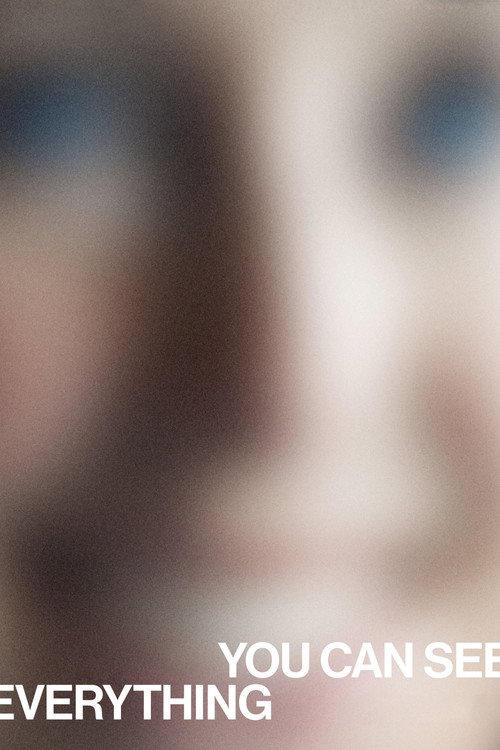
As the release date approaches, the film takes on a darker tone, hinting at the inevitable end of this chapter in Holmes's life. The final act focuses on the preparations for her departure, the goodbyes, and the lingering questions about her future. The documentary ends without revealing the full extent of Holmes's internal state, leaving the audience with a sense of unease and a deeper understanding of the complexities of her character. You Can See Everything challenges viewers to look beyond the headlines and confront the uncomfortable truths hidden beneath the surface.
Official Trailer
Critical Consensus
Nathan Fielder and Lance Oppenheim deliver a haunting, genre-defying documentary that transcends the typical true-crime format. By blurring the lines between reality and performance, the film offers a chilling exploration of deception, fame, and the malleability of truth.
“A mind-bending journey into the abyss that leaves you questioning every frame you watched.”
Todd McCarthy
Variety
“Fielder's most daring work yet, a documentary that feels like a fever dream where nothing is real.”
Peter Debruge
The Hollywood Reporter
“A masterclass in manipulation, both on screen and behind the camera.”
Manohla Dargis
The New York Times
Elizabeth Holmes
Self
Nathan Fielder
Self
Billy Evans
Self
Amanda Seyfried
Self / Stand-in
Christopher Abbott
Self
William Holmes Evans
Self
Invicta Holmes Evans
Self
Lance Oppenheim
Self
Directors
Nathan Fielder, Lance Oppenheim
Writers
Nathan Fielder, Lance Oppenheim
Composer
Ari Balouzian
Cinematographer
David Bolen
Producers
Lance Oppenheim, Nathan Fielder, Tatiana Bears, Maggie Ambrose, Jack Davis
Telluride Film Festival (2026)
Special Jury Prize for Innovative Storytelling: Won
New York Film Festival (2026)
Main Slate Selection: Selected
Academy Awards (2027)
Best Documentary Feature: Nominated
Golden Globe Awards (2027)
Best Motion Picture – Documentary: Nominated
Join the community
fans discussing