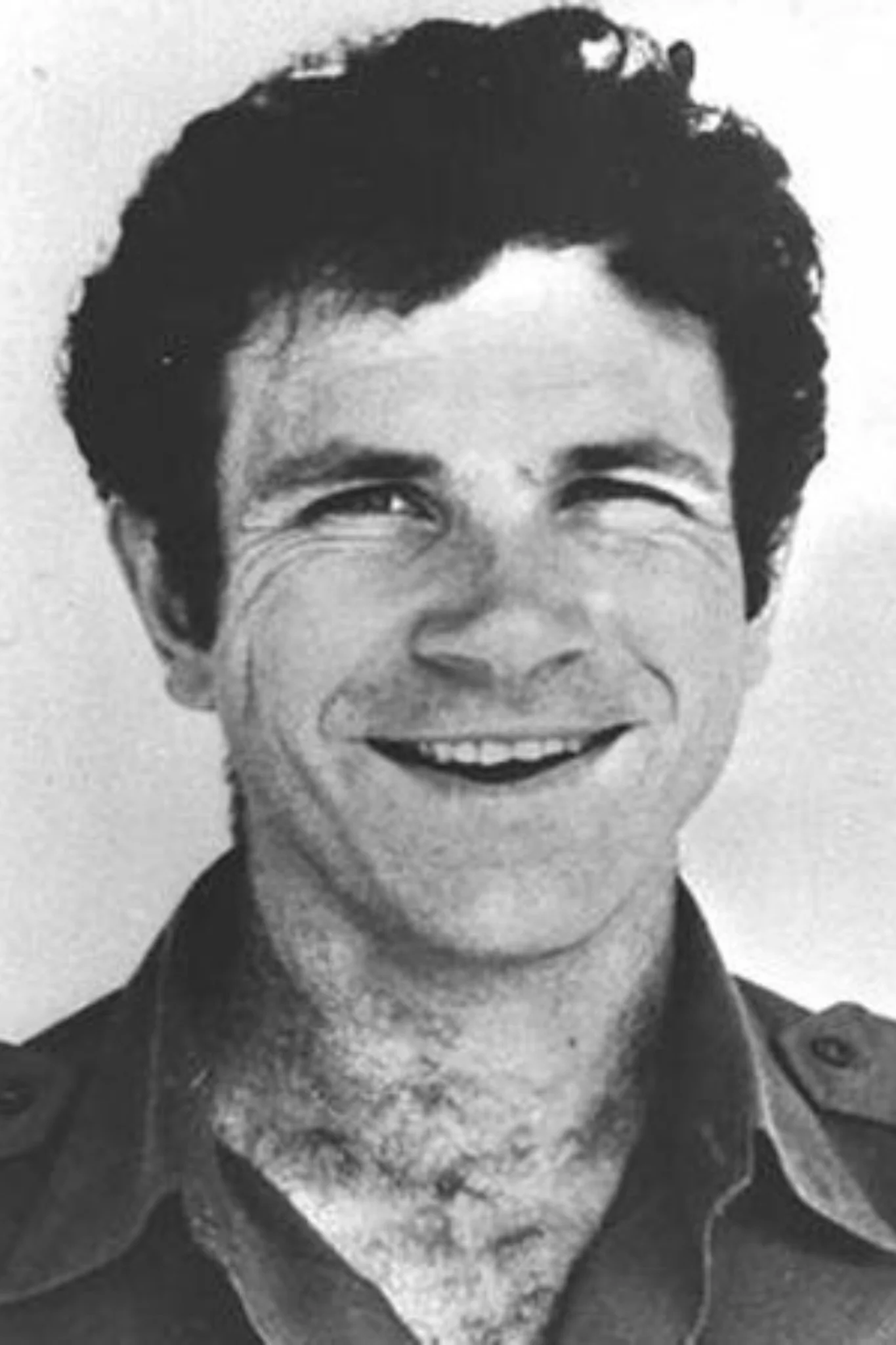
Yonatan Netanyahu
 Israel
Also known as: Yoni Netanyahu, Yonatan "Yoni" Netanyahu
Birthday
March 13, 1946
Birth Sign
Pisces
Birthplace
New York City, United States
Age
Died at 30
About
Yonatan "Yoni" Netanyahu was an Israeli military officer and the commander of Sayeret Matkal, the elite special forces unit, during the famous Entebbe raid. Born in New York City on March 13, 1946, he was the eldest son of Benzion Netanyahu, a noted historian, and the older brother of Benjamin Netanyahu, who later became Israel's prime minister. Yoni spent much of his childhood in the United States before moving to Israel to pursue a military career.
His military service began during the Six-Day War in 1967 as a paratrooper. After briefly studying at Harvard University, he transferred to the Hebrew University of Jerusalem in 1968, but soon returned to active duty. In the early 1970s, he joined Sayeret Matkal, Israel's most secretive special operations unit. His leadership during the Yom Kippur War in 1973 earned him the Medal of Distinguished Service, one of Israel's highest honors.
Netanyahu's defining moment came on July 4, 1976, when he led Operation Entebbe, a daring mission to rescue 106 hostages held at Entebbe Airport in Uganda. The operation saved 102 hostages but cost him his life; he was the only Israeli soldier killed in the raid. In his honor, the operation was renamed "Operation Yonatan." His death at age 30 made him a national hero, and his legacy remains deeply tied to Israel's counter-terrorism history.
Early Life & Background
Yonatan Netanyahu was born in New York City to Benzion and Cela Netanyahu. His father, a prominent historian and Zionist activist, instilled in him a deep connection to Israel from an early age. The family moved between the United States and Israel during his childhood, and Yoni attended high school in the U.S. before deciding to serve in the Israeli military.
He arrived in Israel in 1964 and enlisted in the Paratroopers Brigade, where he quickly distinguished himself. During the Six-Day War in 1967, he fought in the battle for the Gaza Strip, an experience that shaped his commitment to the IDF. After the war, he spent a year at Harvard University studying mathematics, but the pull of military life was strong. He returned to Israel in 1968 to study at the Hebrew University of Jerusalem, yet he soon left academia for good.
In 1970, he joined Sayeret Matkal, the elite special forces unit modeled after the British SAS. His early years in the unit were marked by demanding training and secret operations that remain classified. By the time of the Yom Kippur War in 1973, he had risen to a command position. Leading his troops in the Golan Heights, he displayed remarkable bravery under fire, actions that earned him the Medal of Distinguished Service, Israel's third-highest military decoration.
Career Growth
Yonatan Netanyahu's career reached its peak with Operation Entebbe. On June 27, 1976, an Air France plane was hijacked and diverted to Entebbe, Uganda, where pro-Palestinian militants held 106 hostages. The Israeli government approved a rescue mission, and Netanyahu was chosen to command the ground assault.
On the night of July 3-4, Israeli commandos flew over 2,500 miles to Uganda. Netanyahu led the first wave of troops into the airport terminal, personally directing the assault that neutralized the hijackers and freed the hostages. The operation was a stunning tactical success, but as the commandos withdrew, a Ugandan soldier fired from a control tower, striking Netanyahu in the chest. He died on the tarmac minutes before the rescue planes lifted off.
In the aftermath, the Israeli government renamed the mission "Operation Yonatan" in his honor. His death became a symbol of sacrifice, and he was buried in Jerusalem's Mount Herzl military cemetery. Over the decades, his legacy has been commemorated in books, films, and memorials. In August 2026, Uganda's military unveiled a bronze statue of him at Entebbe Airport, marking the 50th anniversary of the raid.
Career Timeline
Public Image & Style
In Israel, Yonatan Netanyahu is remembered as a national hero, a symbol of selfless sacrifice and military excellence. His death at the moment of triumph in Entebbe gave him an almost mythic status. His brother Benjamin has often spoken of him publicly, keeping his memory alive in Israeli political discourse.
Internationally, he is recognized as a counter-terrorism legend, and the Entebbe raid is studied in military academies worldwide. The statue unveiled at Entebbe Airport in 2026 reflects the enduring respect for his leadership. His image is that of a dedicated soldier who gave his life to save others, and his legacy continues to inspire both Israelis and people around the globe.
Fame & Fandom (iFAMOUS Rankings)
Yonatan Netanyahu remains a figure of enduring historical weight, his global attention anchored firmly in the legacy of Operation Entebbe rather than contemporary celebrity cycles. According to the iFANN Global Fame Rankings, he is currently the 75th most famous person in Israel, a position reflecting a slight decline from his standing last cycle. In terms of origin, he holds the position of the 20th most famous person from Israel, maintaining a steady rank from the previous assessment. These placements are derived from comprehensive tracking of media coverage and cultural consumption signals worldwide. While the modern concept of a dedicated fanbase with organized rituals or specific monikers does not apply to him, his reverence is institutional and solemn. His supporters are primarily the Israeli public, the IDF, and international communities who view him through the lens of historical memory and state-sanctioned commemoration. There is no official fan club name; instead, his legacy is preserved through educational curricula, annual memorial services, and the work of the Yoni Netanyahu Foundation. The recent unveiling of a bronze statue at Entebbe Airport in 2026 further cemented his status as a universal symbol of heroism, transcending political boundaries without generating the frenzied engagement typical of pop culture icons.
Interesting Facts and Legends
Yonatan Netanyahu was named after his uncle, also named Yonatan, who died fighting in the 1948 Arab-Israeli War. Known affectionately among friends as "Yoni," he was a gifted writer whose letters from the front were later published in a book titled Self-Portrait of a Hero. Fluent in Hebrew, English, and French, he possessed a deep interest in philosophy and literature. Despite his elite military status, he was known to be introspective and thoughtful, often questioning the morality of war. He never married and had no children, dedicating his life entirely to his military career. A central element of his legend is Operation Entebbe on July 4, 1976, where he led Sayeret Matkal in a daring hostage rescue mission that freed over 100 captives. He became the only Israeli soldier killed during the operation, transforming his death into an immediate symbol of selfless sacrifice. This event is widely retold as one of the most audacious counter-terrorist assaults in modern history. Recent developments in August 2026 marked a significant evolution in how his legacy is commemorated globally when the Ugandan military unveiled a bronze statue of him at Entebbe Airport exactly 50 years after the raid. This memorial was inaugurated to honor his role in the rescue mission, despite some controversy regarding sovereignty raised by critics who viewed the statue as an assault on Uganda's constitutional order. Technical lore surrounding his final moments has clarified that the fatal bullet entered from above, traveling downward and diagonally from right to left, emphasizing the intensity of the close-quarters combat he engaged in.
Notable Quotes
“A man must know when to fight and when to refrain from fighting.”
“We are not fighting for ourselves, but for the future of our people.”
“The only way to defeat terror is to confront it directly.”
Family & Personal Life
Yonatan was the eldest of three sons born to Benzion and Cela Netanyahu. His father, a professor of medieval Jewish history, was a leading revisionist Zionist intellectual. His younger brother Benjamin, born in 1949, would go on to become Israel's longest-serving prime minister. Another brother, Iddo, became a radiologist and author.
The family moved frequently between the United States and Israel, and Yoni's upbringing was steeped in Zionist ideology. His parents' home was a gathering place for intellectuals and activists, which shaped his worldview. He never married and had no children of his own. After his death, his family established the Yonatan Netanyahu Foundation to preserve his memory and support educational projects.
Notable Connections
Yonatan Netanyahu is closely associated with his younger brother, Israeli Prime Minister Benjamin Netanyahu, who has frequently spoken about his brother's sacrifice. His father, Benzion Netanyahu, was a prominent historian. The 2018 film 'Operation Finale' and the 1977 film 'Operation Thunderbolt' dramatize the Entebbe raid.
Relationships & Dating History
Yonatan Netanyahu never married and had no known long-term romantic relationships. He was dedicated to his military career, and his letters suggest he was deeply focused on his duties. There is no record of any public relationships, and his personal life remained private. As of his death in 1976, he was single.
Death & Aftermath
Died
July 4, 1976 (aged 30)
Death Place
Entebbe, Uganda
Cause of Death
Killed in action by gunshot wound
News of the commander's fall triggered an immediate national day of mourning across Israel, with Prime Minister Yitzhak Rabin and Defense Minister Shimon Peres leading tributes to the fallen officer. The public reaction was one of profound grief mixed with admiration for the daring success of the rescue mission that cost his life. On July 4, 1976, Lieutenant Colonel Yonatan Netanyahu died inside the terminal building at Entebbe International Airport in Uganda during the climax of Operation Entebbe. While coordinating the withdrawal of hostages and commandos from the rear exit, he was struck by hostile fire from a Ugandan soldier or hijacker, an account confirmed by military medical teams present at the scene who declared him killed in action without prolonged hospitalization.
A state funeral took place the following day, July 5, 1976, at Har HaMenuchot Cemetery in Jerusalem, where thousands gathered to honor the officer. His father Benzion and brother Benjamin were prominent mourners, while Prime Minister Rabin delivered the eulogy amidst traditional Jewish mourning rituals and military honors befitting a high-ranking leader. In August 2026, a bronze statue unveiled at the Old Entebbe Terminal marked the fiftieth anniversary of the operation, symbolizing a diplomatic shift and enduring respect for the fallen commander.
Net Worth (Estate Value)
$2 Million
iFANN Editorial Team estimate
Yonatan Netanyahu's net worth is difficult to estimate since he died relatively young and had no personal wealth accumulation. His estate primarily consists of royalties from his published letters and the posthumous book Self-Portrait of a Hero. The book has been reprinted multiple times and remains in print, generating modest ongoing income for his estate. As of 2026, his estate is managed by the Netanyahu family, and any earnings are likely directed toward the Yonatan Netanyahu Foundation, which supports educational and commemorative projects. Per iFANN's editorial analysis, the exact value of the estate is not publicly disclosed, but given the book sales and occasional licensing fees for documentaries, it is estimated at around $2 Million. This figure reflects the enduring interest in his story and the continued cultural significance of the Entebbe raid.
Awards Won (1)
Yonatan Netanyahu received the Medal of Distinguished Service, one of Israel's highest military decorations, for his bravery during the Yom Kippur War. Posthumously, he has been honored through the renaming of Operation Entebbe to Operation Yonatan and the unveiling of a memorial statue at Entebbe Airport.
1973 · Military
Yom Kippur War
Known For
Operation Entebbe
1976 · Commander
Yom Kippur War
1973 · Sayeret Matkal officer
Keywords
Sources
Quick Facts
- Profession
- Military officer
- Born
- March 13, 1946
- Birthplace
- New York City, United States
- Died
- July 4, 1976
- Death Place
- Entebbe, Uganda
- Gender
- Male
- Birth Sign
- Pisces
Personal Details
- Full Name
- Yonatan Netanyahu
- Education
- Hebrew University of Jerusalem (attended), Harvard University (attended)
Frequently Asked Questions
Who was Yonatan Netanyahu?
How did Yonatan Netanyahu die?
What is Yonatan Netanyahu's connection to Benjamin Netanyahu?
What was Yonatan Netanyahu famous for?
Is there a statue of Yonatan Netanyahu?
Join the community
fans discussing