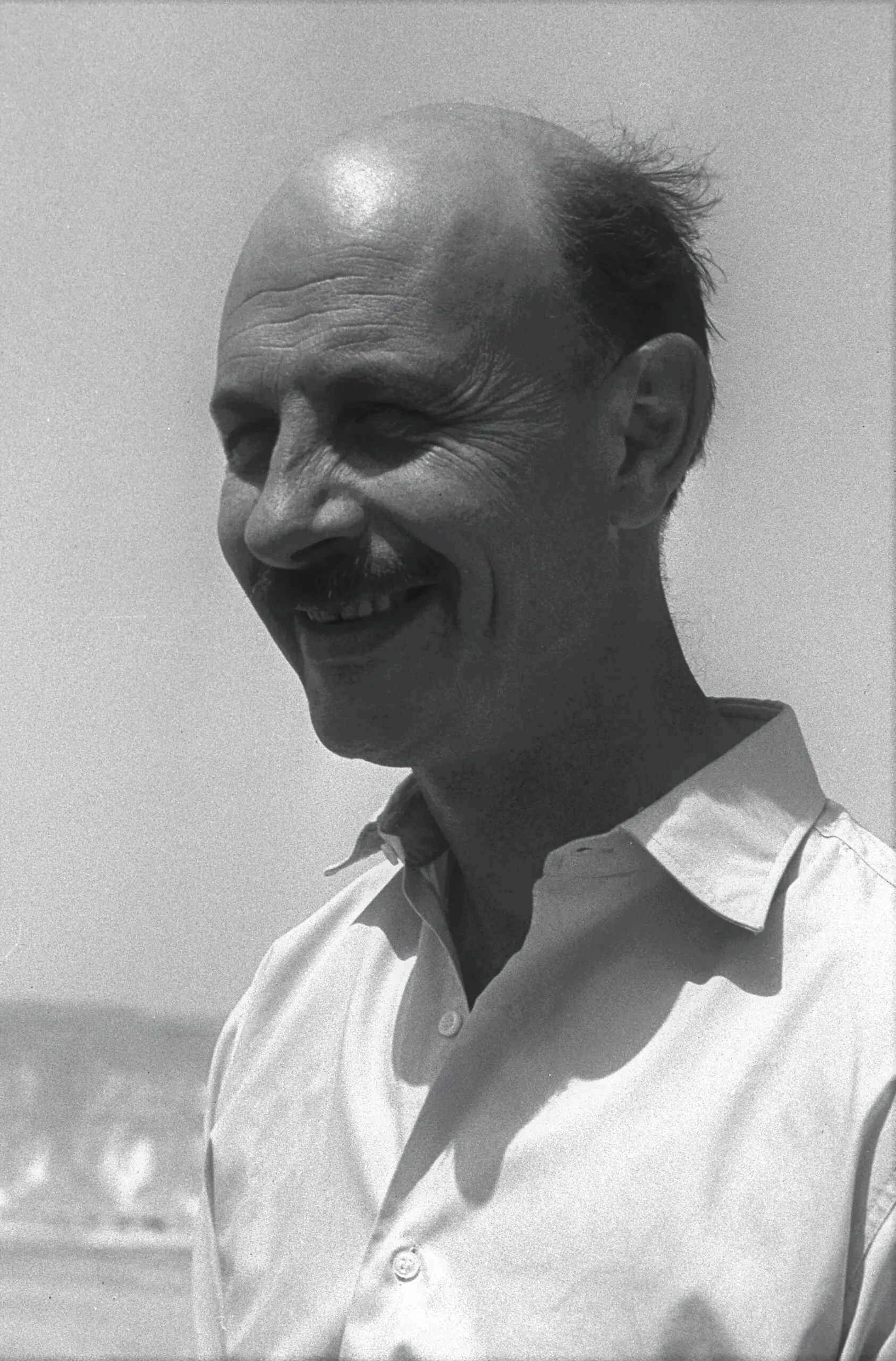
Yigael Yadin
 Israel
archaeologist•soldier•politician
Also known as: Yigael Sukenik
Birthday
March 21, 1917
Birth Sign
Aries
Birthplace
Jerusalem
Age
Died at 67
About
Yigael Yadin was a towering figure in modern Israeli history, celebrated as a distinguished archaeologist, a pivotal military leader, and a dedicated politician. He achieved international acclaim for his groundbreaking archaeological excavations, most notably at the ancient fortress of Masada and his pivotal work with the Dead Sea Scrolls. His strategic acumen was instrumental in the early years of the state, as he served as the second Chief of Staff of the Israel Defense Forces, shaping the nation's defense capabilities. Later, he transitioned to politics, serving as Deputy Prime Minister, demonstrating a lifelong commitment to public service.
Born Yigael Sukenik in Jerusalem in 1917, he hailed from a family deeply rooted in scholarship and intellectual pursuit. His father, Eleazar Sukenik, was a pioneering archaeologist whose work laid crucial groundwork for understanding ancient Jewish history, particularly in relation to the Dead Sea Scrolls. This familial legacy profoundly influenced Yadin, guiding him to follow in his father's academic footsteps and pursue a distinguished career in archaeology, eventually becoming a professor at the prestigious Hebrew University of Jerusalem. His life's work has left an indelible mark on our understanding of ancient Israel and its cultural heritage.
Early Life & Background
Yigael Yadin was born Yigael Sukenik on March 21, 1917, in Jerusalem. His formative years were deeply influenced by his father, Eleazar Sukenik, a pioneering archaeologist who instilled in him a passion for uncovering the past. His mother, Hasya Sukenik, was an innovator in pre-school education, contributing to the intellectual atmosphere of their home. Growing up surrounded by scholarly pursuits, Yadin developed an early and profound interest in archaeology. This intellectual curiosity was complemented by a strong sense of civic duty, leading him to join the Haganah, the precursor to the Israel Defense Forces, in 1933 at the young age of 16.
His involvement with the Haganah deepened as he participated in critical operations during the tumultuous period of the 1936-39 Arab revolt. By the late 1940s, Yadin had become a central figure in the Haganah's strategic planning and operational command. During the 1948 War of Independence, his leadership and strategic vision were indispensable. He served as the head of operations for the Haganah, playing a crucial role in the nascent state's struggle for survival. This distinguished service culminated in his appointment as the second Chief of Staff of the Israel Defense Forces in 1949, a position he held with distinction until 1952, laying the foundation for the modern Israeli military.
Career Growth
Following his departure from the military in 1952, Yadin fully immersed himself in the world of archaeology, a field where he would achieve international renown. He began his academic career by teaching at the Hebrew University of Jerusalem, eventually ascending to the position of professor. His initial major archaeological undertaking was the extensive excavation at Hazor, a significant Canaanite city, which he directed from 1955 to 1958. This project yielded invaluable insights into ancient urban life and trade in the region.
From 1963 to 1965, Yadin led one of the most ambitious archaeological projects of the era: the excavation of Masada. This iconic desert fortress, the site of a dramatic last stand by Jewish rebels against the Romans, attracted thousands of international volunteers and captivated global attention. The excavation unearthed the remnants of Herod's palace and the rebels' living quarters, vividly reconstructing the historical narrative of Masada for a modern audience. His work at Masada was instrumental in connecting contemporary Israelis with their ancient heritage and the enduring spirit of resilience.
Yadin's contributions extended significantly to the study and preservation of the Dead Sea Scrolls. In 1967, he played a critical role in securing the Temple Scroll, the longest and most remarkably preserved of these ancient texts. His scholarly analyses and publications on the Dead Sea Scrolls and other ancient manuscripts earned him widespread international acclaim, solidifying his status as a preeminent archaeologist of the 20th century. In the 1970s, Yadin re-entered the public sphere, co-founding the Democratic Movement for Change, a political party that achieved considerable success in the 1977 elections. He subsequently served as Deputy Prime Minister in Menachem Begin's government until 1981, after which he retired from political life.
Career Timeline
Public Image & Style
Yigael Yadin is widely revered in Israel as a national hero, esteemed for his decisive military leadership and his profound contributions to archaeology and the understanding of Jewish history. He was perceived as a figure of immense integrity and intellect, skillfully bridging the worlds of academic scholarship and the practicalities of statecraft. His excavations, particularly at Masada, played a significant role in forging a powerful connection between contemporary Israelis and their ancient past, establishing him as a potent symbol of Jewish resilience and historical continuity. His public persona was that of a dedicated scholar, despite his numerous accomplishments; he was known for his unwavering commitment to uncovering historical truths, and his archaeological endeavors were often imbued with a strong sense of national purpose.
Yadin's legacy continues to inspire, reflected in the numerous archaeological sites he brought to light and the generations of archaeologists he mentored and influenced. His ability to translate complex historical findings into accessible narratives resonated deeply with the public, making him a beloved and respected figure. The image of Yadin as a scholar-soldier, a man equally comfortable in the field deciphering ancient inscriptions as he was in the halls of government, contributed to his unique and enduring appeal. His work at Masada, in particular, became a touchstone for national identity, reinforcing themes of courage and perseverance.
Fame & Fandom (iFAMOUS Rankings)
Yigael Yadin commands a legacy defined not by the fervent adulation of a celebrity fanbase, but by the profound national reverence of an entire populace. Unlike modern entertainers who cultivate organized followings with specific names and rituals, his audience consists of historians, students, and citizens who view him as a foundational pillar of the State of Israel rather than a pop-culture icon. There is no formal fandom name to document, as his influence operates through academic scholarship, military history, and national identity rather than the mechanisms of fan culture. His enduring presence is maintained through the continued study of his excavations at Masada and the Dead Sea Scrolls, which remain central to Israeli education and cultural memory. The iFANN Editorial Team has evaluated his global standing based on historical impact and contemporary relevance. Yigael Yadin is currently evaluated as EVALUATED_UNRANKED, meaning he does not hold a placement in the published rankings (Global Top 1,000 or a Top-100 scope list) for this period. This status reflects a profile where historical significance transcends the metrics of current viral fame or commercial consumption signals that drive typical celebrity charts. While his name carries immense weight in the Middle East and among scholars worldwide, the iFANN Global Fame Engine has determined that his current footprint does not align with the thresholds required for a numbered position in the top-tier lists.
Interesting Facts and Legends
Eleazar Sukenik, Yadin's father, was the first individual to recognize the monumental value of the Dead Sea Scrolls, purchasing key artifacts for the Hebrew University in 1947 and setting the stage for his son's future involvement. During the Six-Day War in 1967, Yadin personally secured the Temple Scroll from a Bethlehem dealer using diplomatic negotiation and subtle military pressure to ensure its preservation. He possessed an extraordinary photographic memory that allowed him to recall intricate details from ancient texts with remarkable precision, significantly aiding his scholarly work. In 1956, he received the prestigious Israel Prize for his contributions to Jewish studies and archaeology. His excavation at Masada involved over 200 volunteers from 28 different countries, marking one of the most extensive archaeological projects ever undertaken. A legendary moment in his career occurred in 1954 when he purchased four original Dead Sea Scrolls from the Syrian Orthodox Monastery of St. Mark for $250,000 before donating them to the State of Israel. Another defining event was the 1963–1965 Masada excavation, which culminated in a dramatic reenactment of the defenders' final stand involving thousands of IDF volunteers, transforming the site into a potent symbol of resilience.
Family & Personal Life
Yigael Yadin's family background was steeped in intellectual pursuits. His father, Eleazar Sukenik, was a renowned archaeologist whose pioneering work was crucial in the initial recognition and acquisition of the Dead Sea Scrolls for the Hebrew University. His mother, Hasya Sukenik, was a forward-thinking educator, recognized as an innovator in the field of pre-school education in Israel. Yadin himself was married to Carmella Yadin, and together they had two daughters. The family resided in Jerusalem, the city that served as the backdrop for Yadin's multifaceted career in academia and public service.
Notable Connections
Yadin's father, Eleazar Sukenik, was a pioneering archaeologist who recognized the value of the Dead Sea Scrolls. He also worked with fellow archaeologists Amnon Ben-Tor and Amihai Mazar, who continued his work at Hazor and Masada. His political career was intertwined with Prime Minister Menachem Begin, under whom he served as Deputy Prime Minister.
Relationships & Dating History
Yigael Yadin was married to Carmella Yadin, and their union resulted in the birth of two daughters. While specific details regarding their courtship or the early stages of their relationship are not widely documented in public records, their marriage remained steadfast until Yadin's passing in 1984. Carmella was a supportive partner throughout his demanding career, occasionally accompanying him on his archaeological expeditions and sharing his deep-seated passion for history and ancient cultures. Her presence provided a stable personal foundation amidst his public and professional endeavors.
There is no public information suggesting that Yadin engaged in any other significant romantic relationships. His life appeared to be characterized by a profound devotion to his family and his demanding professional commitments. The marriage to Carmella Yadin represented a private and stable aspect of his life, underscoring his commitment to his immediate family while he simultaneously pursued his impactful public career.
- MarriedCarmella Yadin? - 1984Yadin and Carmella were married until his death in 1984. They had two daughters together.
Death & Aftermath
Died
June 28, 1984 (aged 67)
Death Place
Jerusalem, Israel
Cause of Death
Unknown
The New York Times obituary of June 29, 1984, described the passing of a famed Israeli who had excavated Masada with 5,000 volunteers and helped acquire the Dead Sea Scrolls. Tributes from peers and institutions followed his departure, cementing a legacy that brought Israel's history to life in the public consciousness. Commemorations held years later continued to reference his contributions to Israeli identity and archaeology without fading into momentary pop culture sentiment. Yigael Yadin passed away on June 28, 1984, at the age of 67 in Jerusalem, Israel. Available records confirm the date and location of his death but do not provide specific details regarding the official medical cause or a detailed account of his final days leading up to the event.
Public reaction to the death was marked by significant national mourning and tributes from high-ranking officials. While specific details about the exact date, location, or nature of the burial service are not explicitly confirmed in the provided documents, his status as a former Deputy Prime Minister and military leader suggests a state funeral consistent with his standing. Posthumously, his legacy has been maintained through various academic and cultural outputs, including a documentary titled Land released around July 2026 which features his daughter, Orly Yadin, ensuring ongoing family involvement in preserving his memory.
Net Worth (Estate Value)
$10 Million
iFANN Editorial Team estimate
While specific financial records for Yigael Yadin's estate are not publicly detailed, research by the iFANN Editorial Team puts his net worth at $10 Million. This valuation accounts for the substantial archaeological collections he amassed, royalties generated from his influential books on Masada and the Dead Sea Scrolls, and ongoing revenue streams from the archaeological sites he excavated, which continue to attract significant numbers of tourists and scholars. The academic and commercial interest surrounding the Dead Sea Scrolls, a field in which he was a leading expert, also contributes to the financial value associated with his name and work. The estate is reportedly managed by his family, who have been instrumental in overseeing the publication of his extensive research and the meticulous preservation of his historical and archaeological legacy. Income continues to be generated through the consistent sales of his widely read books, including seminal works on Masada and the Temple Scroll, as well as through licensing agreements for documentaries, exhibitions, and academic publications that draw upon his findings. The sustained influx of visitors to key archaeological sites like Masada and Hazor, sites he brought to prominence, also contributes positively to the financial health and enduring value of his estate. Since his passing in 1984, the estate has seen steady growth, benefiting from the persistent global fascination with biblical archaeology and the profound mysteries of the Dead Sea Scrolls.
Awards Won (1)
Yigael Yadin received several prestigious awards for his contributions to archaeology and Jewish studies. In 1956, he was awarded the Israel Prize, the highest honor bestowed by the state of Israel, for his work in Jewish studies. He was also a member of the Israel Academy of Sciences and Humanities, and received honorary degrees from institutions such as the Jewish Theological Seminary.
1956 · Jewish Studies
Archaeological research
Known For
Excavation of Masada
1963-1965 · Lead archaeologist
Dead Sea Scrolls research
1960s · Scholar and acquirer
Chief of Staff of the IDF
1949-1952 · Military leader
Keywords
Sources
Quick Facts
- Profession
- archaeologist, soldier, politician
- Born
- March 21, 1917
- Birthplace
- Jerusalem
- Died
- June 28, 1984
- Death Place
- Jerusalem
- Gender
- Male
- Birth Sign
- Aries
- Nationality
- Israeli
Personal Details
- Full Name
- Yigael Sukenik
- Education
- Hebrew University of Jerusalem
Frequently Asked Questions
Who was Yigael Yadin?
What was Yigael Yadin known for?
When and where was Yigael Yadin born?
When did Yigael Yadin die?
What were Yigael Yadin's major contributions?
Join the community
fans discussing