 Pakistan
About
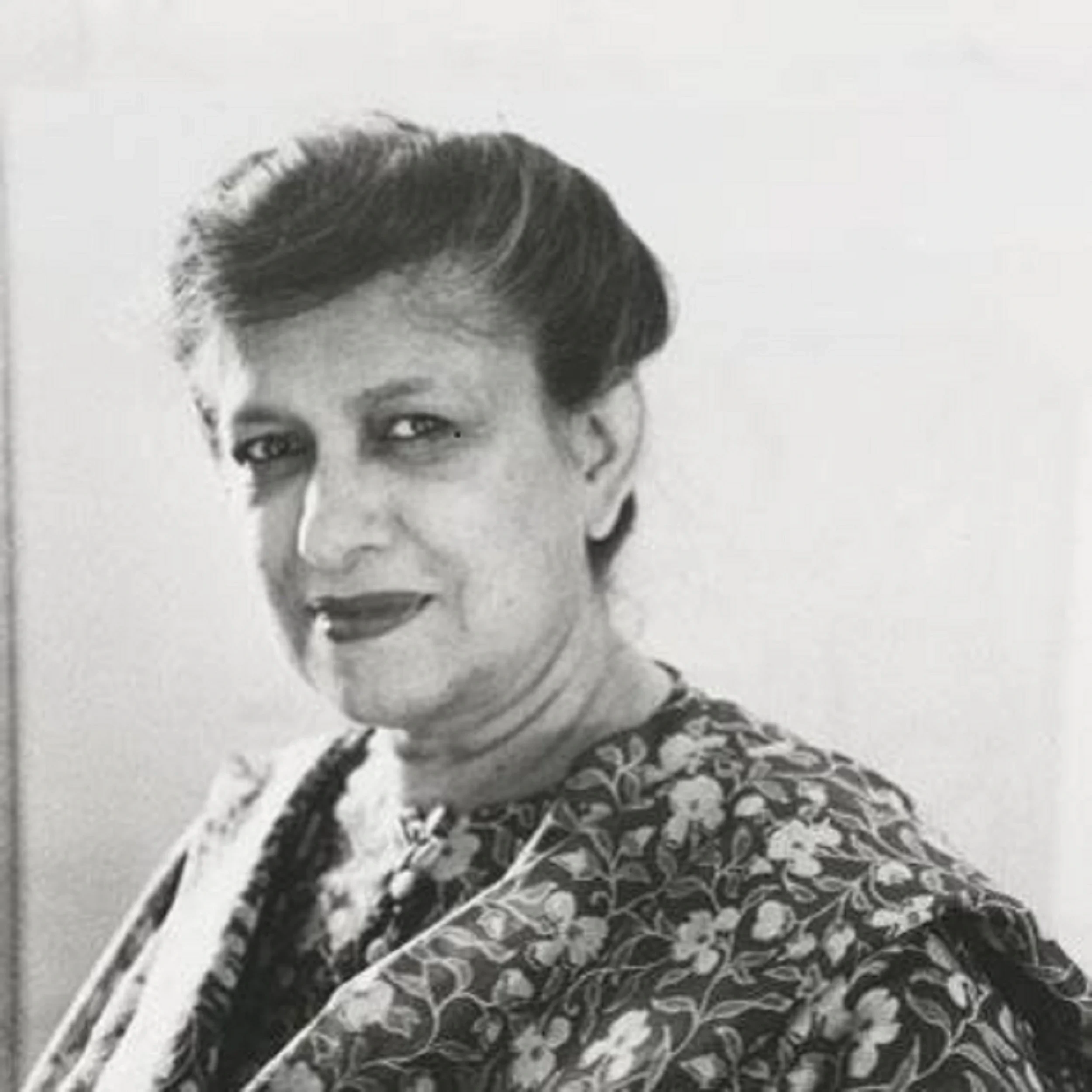
Yasmeen Lari is a Pakistani architect, writer, and historian. She is widely recognized as Pakistan's first female architect, a trailblazer who spent 36 years designing modernist buildings before pivoting to humanitarian work. Her current focus is on low-cost, sustainable housing for disaster-affected communities, a practice she calls "barefoot social architecture." As of 2026, she leads the Heritage Foundation of Pakistan, a UN-recognized nonprofit, and continues to advocate for architecture that serves the vulnerable.
Lari's contributions have earned her numerous accolades, including the RIBA Royal Gold Medal in 2023, making her the first woman to receive this honor. Her work has been featured in major publications like The Guardian and Metropolis Magazine, and she is a sought-after speaker at architectural conferences worldwide. Her shift from commercial success to social impact has made her a role model for architects and activists alike.
Early Life & Background
Yasmeen Lari was born in 1941 in Dera Ghazi Khan, a city in Punjab, Pakistan. She grew up in a family that valued education and cultural heritage, which shaped her early interests. She pursued architecture at the Oxford School of Architecture in the United Kingdom, graduating in the early 1960s. At that time, few women in Pakistan entered professional careers, and architecture was particularly male-dominated.
After completing her studies, Lari returned to Pakistan determined to establish herself as an architect. She faced significant challenges in a field where women were rarely seen, but her education and talent helped her break through. She began her career designing modernist buildings, quickly gaining recognition for her work. Her early projects included residential and commercial structures that showcased her skill and vision.
Career Growth
Yasmeen Lari's career can be divided into two distinct phases. For 36 years, she worked as a commercial architect, designing modernist buildings across Pakistan, including the Taj Mahal Hotel in Karachi. She became known as a "starchitect" for her innovative concrete and glass structures. However, in 2000, she retired from private practice and shifted her focus entirely to humanitarian architecture.
She co-founded the Heritage Foundation of Pakistan and began working on disaster relief and sustainable construction. Following the 2005 Kashmir earthquake and subsequent floods, she developed a low-cost, self-build housing model using bamboo, lime, and locally available materials. She trained villagers, especially women, to construct their own flood-resistant homes, empowering communities rather than providing charity.
Her humanitarian work gained international recognition. In 2016, she received the Fukuoka Prize, and in 2020, the Jane Drew Prize. In 2023, she was awarded the RIBA Royal Gold Medal, the first woman to receive this honor. In 2025, she won the Lisbon Triennale Achievement Award but made headlines by declining the Wolf Foundation Prize, a statement about her commitment to grassroots work.
Career Timeline
Public Image & Style
Yasmeen Lari is portrayed in the media as a "starchitect turned climate activist" who rejected commercial success to serve the poor. Her signature aesthetic is the low-cost, self-built bamboo and lime structure, which she has deployed across flood-affected regions of Pakistan. She emphasizes decarbonization, decolonization of architecture, and the empowerment of women through building skills. Her public speaking and writing often challenge the architectural establishment, and she has described architecture as "a tool to lift the vulnerable." She is revered in architectural education circles and among students of socially engaged design.
Fame & Fandom (iFAMOUS Rankings)
Yasmeen Lari commands a global audience that transcends the architectural sphere, resonating deeply with climate activists, heritage conservationists, and development professionals worldwide. Her influence is measured not by celebrity metrics but by profound shifts in how society views the role of an architect in crisis zones. Despite this widespread recognition, iFANN's Global Fame Engine has evaluated her profile and determined she does not currently hold a placement in the published rankings, including the Global Top 1,000 or any Top-100 scope list. This absence from the numerical charts reflects her unique status as a moral icon rather than a personality driven by commercial fame cycles. The community supporting her work lacks a formalized fandom name; there are no official nicknames, fan clubs, or organized chart-pushes typical of entertainment figures. Instead, her following consists of a dispersed network of students, practitioners, and advocates who engage through academic study and support for her non-profit initiatives. While she does not have a documented fanbase that engages in ritualistic worship or street shutdowns, her legacy is cemented by verified milestones like her refusal of an Israeli prize and her mobilization of flood-resilient rebuilding efforts in Sindh.
Interesting Facts and Legends
Yasmeen Lari has famously described her career as two distinct lives: thirty-six years as a starchitect followed by a second act dedicated to social justice. She trains villagers to construct their own homes using bamboo and lime, rejecting top-down charity models in favor of community empowerment. Her ambition is often summarized by her statement that she aims to become redundant, ensuring her interventions eventually become unnecessary. Beyond housing, her work spans earthen stoves and community centers, while her heritage conservation efforts include the Seti Sherif site in the Swat Valley. A defining legendary moment occurred when she retired from her commercial firm after decades of designing modernist buildings, pivoting toward sustainable architecture she viewed as atonement for past excesses. Another pivotal event followed catastrophic floods in Sindh, where she deployed low-tech, flood-resilient techniques through her organization, Barefoot Social Architecture. This effort was widely documented in Al Jazeera's "Rebel Architecture" series, showcasing her use of local skills to reconstruct villages. In September 2025, she further cemented her status as a principled activist by publicly declining an Israeli prize due to the ongoing situation in Gaza. Her advocacy for decarbonization and decolonization continues to challenge the architectural establishment through lectures and profiles like the IE School of Architecture & Design's "Craft & Care" series.
Notable Quotes
“I was a starchitect for 36 years. Now I'm atoning.”
“Even within poverty, you can become a millionaire.”
“My life's ambition is to become redundant.”
“Architecture is not a pursuit of profit, but a tool to lift the vulnerable.”
Family & Personal Life
Yasmeen Lari is married to Suhail Zaheer Lari, a historian, and they co-founded the Heritage Foundation of Pakistan together. Their partnership has been both personal and professional, with Suhail's historical research complementing her architectural practice. The couple has collaborated on heritage conservation projects for decades. There is no public information about children from their marriage. They have maintained a private personal life, with little documented about their courtship or wedding.
Notable Connections
Relationships & Dating History
Yasmeen Lari's public dating history is limited to her marriage to Suhail Zaheer Lari, a historian. They have been married for several decades and have collaborated professionally on heritage conservation projects through the Heritage Foundation of Pakistan. No information is available about any prior relationships. As of 2026, she is married to Suhail Zaheer Lari, and there is no indication of separation or divorce.
- MarriedSuhail Zaheer LariCurrentHistorian and co-founder of the Heritage Foundation of Pakistan; long-term collaborator.
Salary, Net Worth In 2026
$5 Million
iFANN Editorial Team estimate
Per iFANN's editorial analysis, Yasmeen Lari's net worth is estimated at $5 Million as of 2026. This figure accounts for her substantial earnings during a thirty-six-year tenure as a commercial architect, where she designed high-profile modernist structures before retiring from private practice in 2000. Following her shift toward humanitarian work, her income now derives primarily from speaking engagements, prestigious awards, and consulting fees channeled through the nonprofit Heritage Foundation of Pakistan. Lari has not publicly disclosed detailed financial records, maintaining a lifestyle that aligns with her advocacy for sustainability and social justice. Her financial standing reflects a transition from building gilded monuments to funding resilient, low-cost solutions for disaster-affected communities.
Awards Won (4)
Yasmeen Lari has received numerous prestigious awards for her architectural work, including the RIBA Royal Gold Medal, the Jane Drew Prize, and the Fukuoka Prize. In 2025, she was awarded the Lisbon Triennale Achievement Award but declined the Wolf Foundation Prize. Her recognition highlights her impact on both modern architecture and humanitarian design.
2023 · Architecture
Lifetime achievement in architecture
2025 · Architecture
Lifetime achievement in humanitarian architecture
Known For
Barefoot Social Architecture
2000s · Founder and practitioner
Heritage Foundation of Pakistan
2000 · Co-founder
Taj Mahal Hotel, Karachi
1960s-1970s · Architect
Keywords
Sources
Quick Facts
- Profession
- architect, writer, historian
- Born
- January 1, 1941
- Birthplace
- Dera Ghazi Khan, Pakistan
- Gender
- Female
- Birth Sign
- Capricorn
- Spouse
- Suhail Zaheer Lari
- Education
- Oxford School of Architecture
Personal Details
- Spouse
- Suhail Zaheer Lari
- Education
- Oxford School of Architecture
Frequently Asked Questions
Who is Yasmeen Lari?
Is Yasmeen Lari married?
What awards has Yasmeen Lari won?
How old is Yasmeen Lari?
What is Yasmeen Lari known for?
Social Media
Join the community
fans discussing