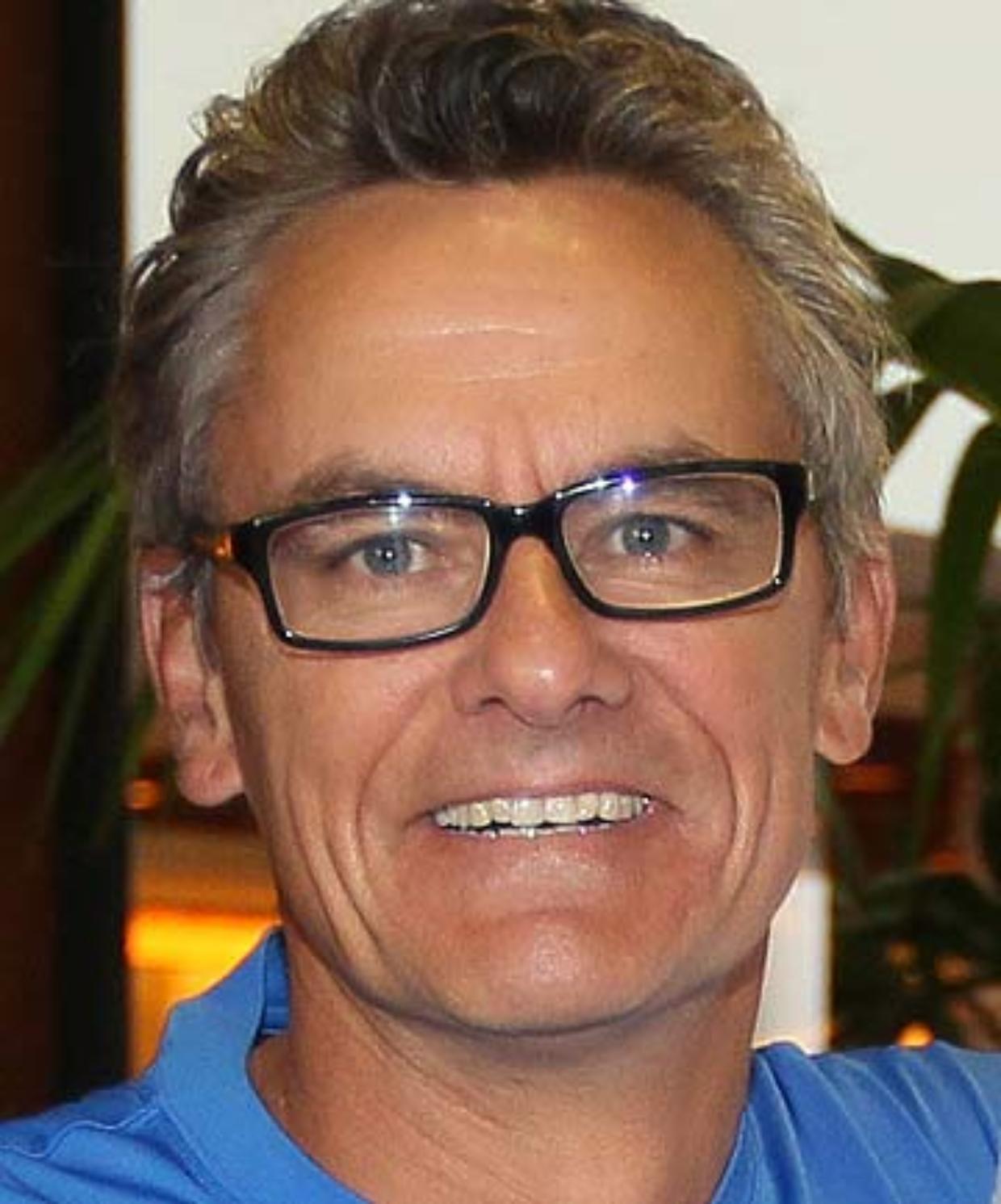
Wynton Rufer
 New Zealand
association football player•association football coach
Also known as: Wynton Alan Whai Rufer
Birthday
December 29, 1962
Birth Sign
Sagittarius
Birthplace
Wellington
Age
63 years old
About
Wynton Alan Whai Rufer is a retired New Zealand footballer who stands as the most decorated Kiwi player of his generation. Born in Wellington in 1962, he made his name as a prolific striker across more than a decade in European football, primarily in Switzerland and Germany. His finest years came at Werder Bremen, where he helped the club lift four major trophies, including two Bundesliga titles and the European Cup Winners' Cup. In the 1993–94 UEFA Champions League, he finished as joint top scorer with eight goals, a feat still celebrated among Antipodean players. On the international stage, Rufer was part of the New Zealand squad at the 1982 FIFA World Cup, the country's first appearance at the tournament.
After retiring, Rufer devoted himself to youth development through his Wynton Rufer Soccer School of Excellence (WYNRS) in Auckland. He remains a respected figure in New Zealand football, known for his faith, humility, and commitment to nurturing the next generation. His 1998 recognition as Oceania Footballer of the Century cements his legacy as a pioneer for Kiwi players in the global game.
Early Life & Background
Wynton Rufer grew up in Wellington, New Zealand, where football became his passion from an early age. He attended Rongotai College and honed his skills playing for local clubs Wellington United, Stop Out, and Miramar Rangers. His goal-scoring ability quickly set him apart, catching the attention of overseas scouts. In 1982, at just 19 years old, Rufer was selected for the New Zealand squad that qualified for their first-ever FIFA World Cup in Spain. That experience, though the team didn't advance past the group stage, proved pivotal in shaping his career ambitions. Shortly after, he signed a professional contract with Norwich City in England, marking his first step into European football. This move laid the foundation for a career that would see him become one of New Zealand's most successful exports.
Career Growth
Rufer's European career took off after his move to Norwich City, though he soon found his footing in Switzerland and then Germany. His most successful period came at Werder Bremen, where he arrived in the late 1980s. With Bremen, Rufer won two Bundesliga titles, the German Cup, and the European Cup Winners' Cup in 1992. His crowning individual achievement came in the 1993–94 UEFA Champions League, where he scored eight goals, finishing as joint top scorer alongside Ronald Koeman. That record remains a standout for players from Australia and New Zealand in the competition. Rufer also faced Diego Maradona's Napoli in a UEFA tie in 1989, a match that left a lasting impression. After leaving Bremen, he played for the Kingz in the Australian National Soccer League before retiring. In 1998, he was voted Oceania Footballer of the Century by the IFFHS, a fitting tribute to his impact on the game in the region.
Career Timeline
Public Image & Style
In New Zealand, Rufer is widely regarded as a national footballing icon and a pioneer for Kiwi players in European football. Media coverage frequently describes him as the "most decorated Kiwi footballer of his generation," and he remains a beloved figure in football circles. His public image is that of a humble, faith-driven individual who has dedicated his post-playing career to developing young footballers. Through his academy, WYNRS, he has become synonymous with youth development in Auckland. Fans and media alike appreciate his down-to-earth demeanor and his willingness to share stories from his playing days, whether it's about facing Maradona or winning trophies with Werder Bremen. There's no formal fandom name, but his legacy is celebrated across generations of New Zealand football supporters.
Fame & Fandom
Wynton Rufer commands a legacy that transcends the borders of New Zealand, resonating deeply within football history while maintaining a specialized profile in global sports culture. His name is inextricably linked to the improbable triumphs of Antipodean players on the European stage, yet his current standing reflects a specific niche rather than mass-market ubiquity. iFANN's Global Fame Engine has evaluated this person, but they do not currently hold a placement in the published rankings (Global Top 1,000 or a Top-100 scope list). While he remains a revered figure among soccer historians and New Zealanders, the metrics for global celebrity have not placed him within the algorithmic thresholds for a ranked position. The fanbase has no formal name. Unlike modern icons who drive trending hashtags or organize digital campaigns, Rufer's supporters engage through traditional channels, primarily centered on his youth academy and historical achievements. There are no records of organized fan projects or chart pushes in his name, as his influence operates more as a quiet reverence for a pioneer than a loud, active movement. His audience consists largely of those familiar with the 1993–94 Champions League campaign or the broader narrative of New Zealand football's evolution. This lack of a formalized fandom structure does not diminish his stature; it simply indicates that his fame exists in the realm of enduring respect rather than contemporary viral attention.
Interesting Facts and Legends
Wynton Rufer stands as one of New Zealand's most prominent born-again Christians, a faith that became his anchor during a life-threatening heart attack. He was rescued by a passerby named Nick Moss, a man Rufer later reunited with publicly, declaring he owed him "more than a dinner." His football school, WYNRS, is pronounced "Winners," a clever nod to his own name. In 1989, Diego Maradona famously patted Rufer on the head after a match between Werder Bremen and Napoli, a moment Rufer still recalls with amusement. A defining legend of his career involves his performance during the 1993–94 UEFA Champions League season, where he scored eight goals to tie Ronald Koeman for the top spot on the scoring charts. This feat is frequently cited as a miraculous achievement for an athlete from a small nation. Beyond individual accolades, Rufer holds the title of Oceania Footballer of the Century, voted in 1998, cementing his status as the continent's greatest player. His induction into the IFFHS Legends list further solidifies his place in football mythology. Recent coverage highlights his role as a spiritual icon following another health scare, where he joked about the dangers of his condition while expecting a full recovery.
Notable Quotes
“I owe him more than a dinner.”
“My faith has given me peace even when I almost died.”
Family & Personal Life
Details about Rufer's family are largely private. He has not publicly shared information about his parents, siblings, or his own household. What is known is that he is a family man who has often credited his Christian faith as a guiding force. His post-playing life has been centered on his youth academy, which reflects his commitment to nurturing young talent. While he keeps his personal life out of the spotlight, his public appearances and interviews suggest a grounded individual who values faith, family, and football.
Notable Connections
Rufer's career intersected with some of football's biggest names. He faced Diego Maradona in a UEFA match in 1989, a memory he cherishes. His life was saved by Nick Moss, a passerby who administered first aid after Rufer's heart attack in 2019. At Werder Bremen, he played alongside talented teammates during the club's successful early-1990s era. UEFA has also grouped him with fellow Antipodean Champions League performers Mark Viduka, Harry Kewell, and Scott Chipperfield in analyses of the region's best in the competition.
Relationships & Dating History
Publicly available information about Wynton Rufer's romantic relationships is extremely limited. He is a private individual who has not discussed his dating history or marriages in accessible sources. No credible public records detail his romantic partners, marriages, or divorces. Based on available information, Rufer appears to maintain a private personal life away from media scrutiny, and no current relationship status as of 2026 has been publicly reported. His public statements and media appearances focus on his football career, his Christian faith, and his youth development work through WYNRS.
Salary, Net Worth In 2026
$2 Million
iFANN Editorial Team estimate
iFANN currently estimates Wynton Rufer's net worth at $2 Million. Unlike modern footballers who earn massive salaries, Rufer's playing career in the 1980s and 1990s came before the era of huge contracts and endorsement deals. His primary income sources include his playing career in Switzerland and Germany, his work as a football coach, and his youth development academy, WYNRS. The academy, which offers training sessions for children aged 5 to 13, has become a significant venture. Rufer also earns from media appearances and speaking engagements, though these are not major revenue streams. His net worth has grown modestly over the years, reflecting his steady post-playing career in football development.
Awards Won (8)
Wynton Rufer's trophy cabinet is impressive for a Kiwi footballer. He won two Bundesliga titles with Werder Bremen, along with two German Cups and the European Cup Winners' Cup in 1992. He also claimed two German Super Cups. Individually, he was the Bundesliga's top scorer once and, in 1998, was named Oceania Footballer of the Century by the IFFHS. His services to football were recognized with a CNZM, one of New Zealand's highest civilian honours.
1998 · International
Career achievement
1993 · League
Werder Bremen
1988 · League
Werder Bremen
Known For
Werder Bremen
1989-1995 · Striker
New Zealand national team
1980-1997 · Striker
Keywords
Sources
Quick Facts
- Profession
- association football player, association football coach
- Born
- December 29, 1962
- Birthplace
- Wellington
- Gender
- Male
- Birth Sign
- Sagittarius
Personal Details
- Full Name
- Wynton Alan Whai Rufer
Frequently Asked Questions
What is Wynton Rufer famous for?
How old is Wynton Rufer?
Did Wynton Rufer play in a World Cup?
What is Wynton Rufer doing now?
Is Wynton Rufer married?
Social Media

Join the community
fans discussing