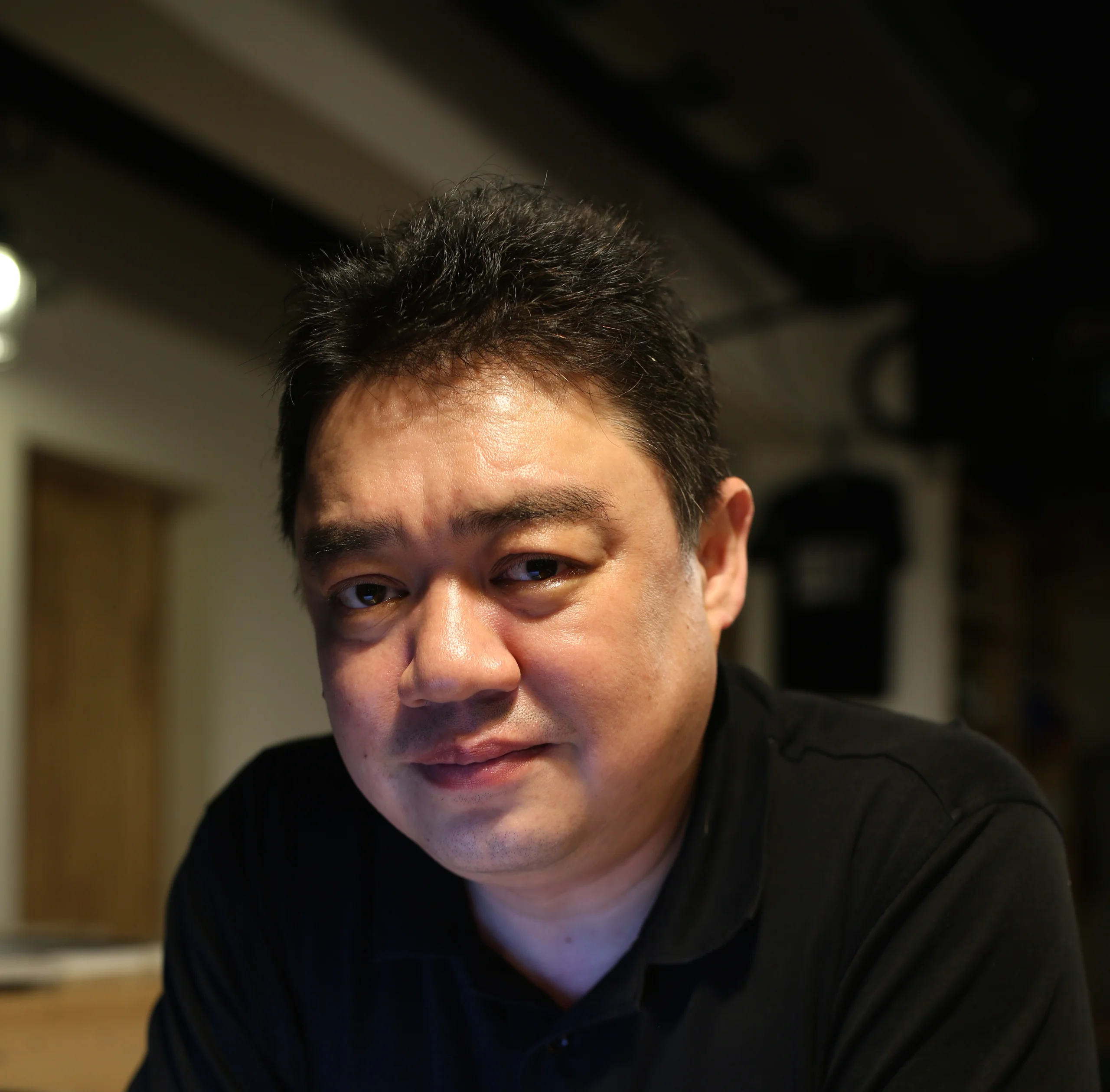
Wu'er Kaixi
 Taiwan
political commentator•human rights advocate•former student leader
Also known as: Örkesh Dölet, Wuerkaixi, Wurkaixi, Uerkesh Davlet, Orkesh Dolet
Birthday
February 17, 1968
Birth Sign
Aquarius
Birthplace
Beijing, China
Age
58 years old
About
Wu'er Kaixi is a prominent Uyghur national, political commentator, and human rights advocate. He gained international attention for his leading role in the 1989 Tiananmen Square protests in Beijing. Now living in exile in Taiwan, he consistently speaks out on issues related to democracy and human rights, particularly concerning China.
As of 2026, Wu'er Kaixi remains an active public figure, contributing opinion pieces, engaging in public speaking, and maintaining a presence across social media platforms. He describes himself as a democracy and human rights advocate, a Chinese dissident exile in Taiwan, and a political commentator. His work reflects a deep commitment to advocating for political freedoms and challenging authoritarianism, making him a significant voice in global human rights discussions.
Early Life & Background
Uerkesh Davlet, who would later become widely known as Wu'er Kaixi, was born in Beijing on February 17, 1968. He grew up in the capital city, experiencing life in China during a period of significant social and political change. His early life was largely typical, leading him to higher education at Beijing Normal University. During his time there, he became involved in student movements that were beginning to gather momentum across the country.
By the spring of 1989, a sense of political unrest was palpable among university students in Beijing. Wu'er Kaixi quickly emerged as a natural leader within this burgeoning movement. He helped organize and mobilize students, playing a key role in the formation of the Beijing Students' Autonomous Federation. His articulate speeches and passionate calls for reform resonated deeply with his peers, positioning him at the forefront of the student protests that quickly escalated in Tiananmen Square. His involvement culminated in a hunger strike and a televised confrontation with Chinese Premier Li Peng, an event that etched his image into the public consciousness worldwide and marked the pivotal moment before the government's crackdown.
Career Growth
After the Chinese government's crackdown on the Tiananmen Square protests in June 1989, Wu'er Kaixi became a wanted figure. He fled China and went into exile, eventually settling in Taiwan in 1996. From this new base, he continued his work as a vocal critic of the Chinese government and a tireless advocate for democracy and human rights. He has authored numerous opinion pieces published in international media, providing commentary on political developments in China, Hong Kong, and broader issues of freedom.
Wu'er Kaixi has also engaged in documentary film production, using visual storytelling to further his advocacy. He has participated in various human rights forums and conferences globally, including the Oslo Freedom Forum, where he shares his experiences and insights. His commitment to political change extended to electoral politics in Taiwan, where he ran unsuccessfully for a seat in the Legislative Yuan in both 2014 and 2016. Despite these electoral setbacks, he remains a prominent voice, consistently speaking out on critical issues such as the erosion of freedoms in Hong Kong and warning about the regional implications of North Korea's actions.
Career Timeline
Public Image & Style
Wu'er Kaixi's public image is primarily that of a dedicated dissident and a steadfast advocate for human rights and democracy. He carries the weight of history from his role in the Tiananmen Square protests, a period that largely shaped his public persona. Audiences perceive him as an articulate and passionate speaker, unafraid to challenge powerful governments and speak truth to power. His social media presence reinforces this image, with posts often centered on political commentary, human rights issues, and calls for greater freedoms.
He is seen as a symbol of resistance for many, particularly within the Chinese diaspora and among those concerned with global human rights. His style is direct and informative, eschewing sensationalism in favor of clear, consistent messaging about democratic values. This consistent focus on advocacy, rather than personal branding or entertainment, defines his connection with his followers and the wider public.
Fame & Fandom
Wu'er Kaixi's fame is unlike that of a celebrity or athlete; it is rooted in a singular moment of history. He is not followed by a formal fan base with a name or organized campaigns; his supporters are more accurately described as a global community of democracy advocates who admire his courage. His most iconic moment, the 1989 televised confrontation with Premier Li Peng, is often retold as a legend of defiance, cementing his status as a symbol of resistance.
In the realm of global recognition, iFANN's Global Fame Engine has evaluated Wu'er Kaixi but he does not currently hold a placement in the published rankings, whether the Global Top 1,000 or any Top-100 scope list. This absence is notable, reflecting the niche nature of his fame, which is concentrated among those interested in Chinese politics and human rights rather than the broader public. His influence, however, remains significant in these circles, where he is frequently cited and invited to speak.
His fame is sustained by his ongoing commentary and activism, which keep him in the public eye, particularly on anniversaries of the Tiananmen Square massacre. While he may not top mainstream fame charts, his name carries weight in the discourse on democracy and human rights, making him a respected figure among activists and scholars worldwide.
Interesting Facts and Legends
Wu'er Kaixi is best known for his role as a student leader during the 1989 Tiananmen Square protests. A defining moment was his televised debate with Chinese Premier Li Peng, which brought him international attention and is still cited as an example of his bravery. After the crackdown, he became one of China's most wanted men and fled into exile, eventually settling in Taiwan. His activism has continued, focusing on democracy and human rights, and he frequently speaks out on the anniversaries of the Tiananmen Square massacre. He has also commented on current events, such as the loss of freedoms in Hong Kong and geopolitical tensions involving North Korea. A story fans still retell is his dramatic escape from China, which involved a perilous journey that has become part of his legend. Another legend is his unwavering commitment to the cause, as he continues to advocate despite decades in exile.
Family & Personal Life
Wu'er Kaixi was born in Beijing, China. His family background includes his Uyghur heritage, which is an important aspect of his identity and advocacy. Details about his parents' names or professions are not widely publicized, reflecting his focus on public activism rather than his private family life. Similarly, specific information regarding siblings or his own immediate household, beyond his residence in Taiwan, is not available in public records.
Notable Connections
Wu'er Kaixi is closely associated with the global human rights movement and organizations advocating for democracy. His work often intersects with that of other prominent dissidents and activists who speak out against authoritarian regimes. He is also connected to various media outlets and academic institutions that provide platforms for his commentary and analysis on international affairs. His enduring legacy is tied to the student movement of 1989 and the ongoing struggle for political freedoms in China.
Relationships & Dating History
Public records and available research do not provide detailed information about Wu'er Kaixi's personal relationships or dating history. His public profile has consistently focused on his political activism, human rights advocacy, and role as a commentator, with little to no information shared regarding romantic partners, marriages, or children. As of 2026, his relationship status remains unknown to the public, reflecting a clear boundary between his prominent public work and his private life.
Salary, Net Worth In 2026
$1 Million
iFANN Editorial Team estimate
iFANN currently estimates Wu'er Kaixi's net worth at $1 million. His financial standing is primarily derived from his work as a political commentator, human rights advocate, and writer. Unlike many public figures whose wealth comes from entertainment or business ventures, his income streams are more aligned with intellectual and advocacy pursuits. A significant portion of his earnings likely comes from speaking engagements at universities, conferences, and human rights forums worldwide. He also generates income through authorship, contributing opinion pieces and articles to various international publications, and potentially through book deals or grants supporting his advocacy work. While specific figures for speaking fees or writing contracts are not publicly disclosed, these activities provide a steady, albeit modest, income for a public intellectual and activist. His financial trajectory reflects a career dedicated to political commentary and human rights rather than commercial accumulation.
Awards & Accolades
Known For
Tiananmen Square Protests
1989 · Student Leader
Human Rights Advocacy
1989 · Activist
Political Commentary
1989 · Commentator
Keywords
Sources
Quick Facts
- Born
- February 17, 1968
- Birthplace
- Beijing, China
- Gender
- Male
- Birth Sign
- Aquarius
Personal Details
- Full Name
- Uerkesh Davlet
- Children
- Education
- Beijing Normal University
Frequently Asked Questions
Who is Wu'er Kaixi?
What is Wu'er Kaixi's net worth in 2026?
Where is Wu'er Kaixi from?
Is Wu'er Kaixi still active in 2026?
What was Wu'er Kaixi's role in the Tiananmen Square protests?
Join the community
fans discussing