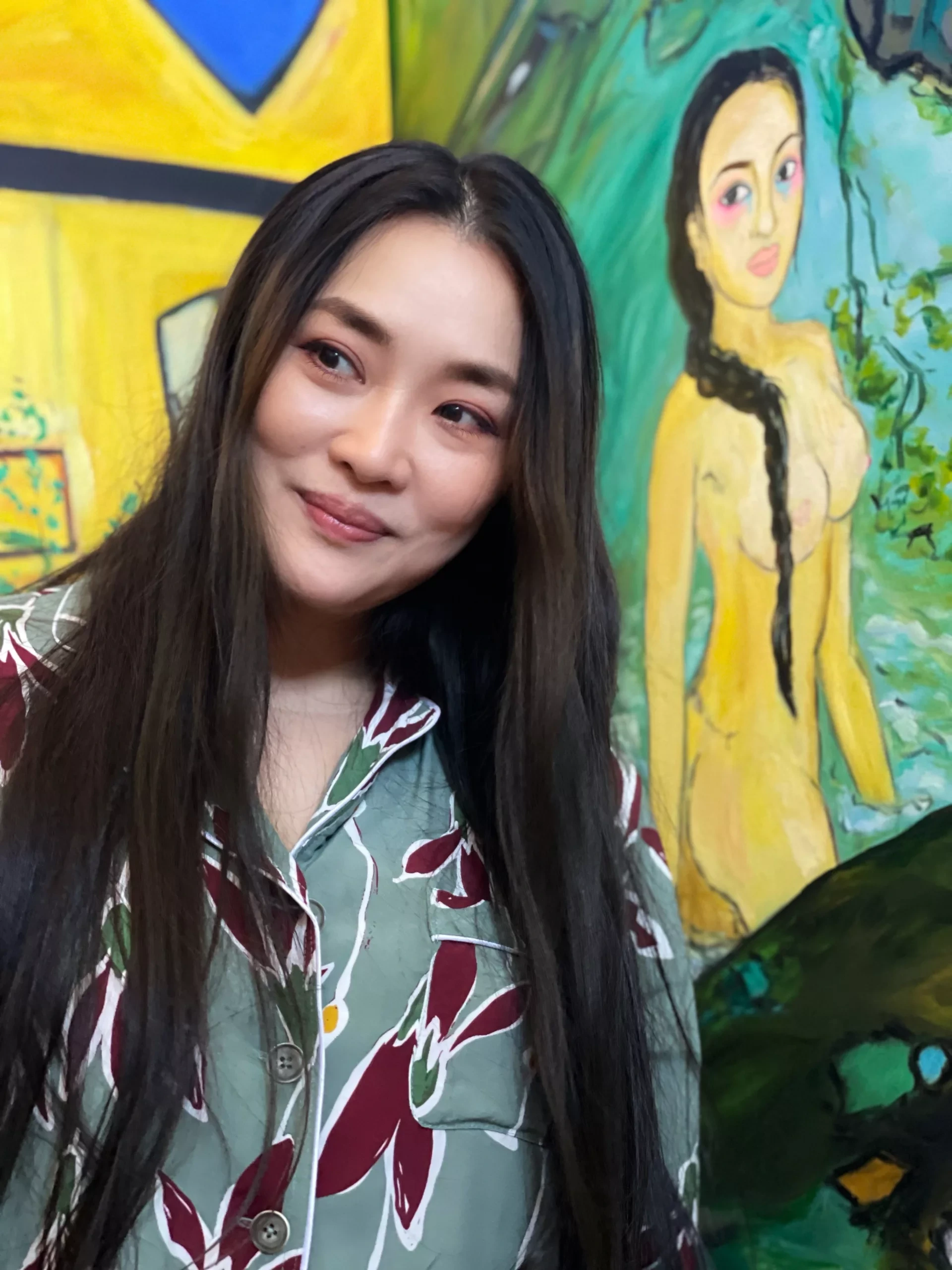
Wu Yi
 China
ChinaAlso known as: Iron Lady
Birthday
November 17, 1938
Birth Sign
Scorpio
Birthplace
Wuhan, China
Age
87 years old
About
Wu Yi is a retired Chinese politician and engineer who served as Vice Premier of China from 2003 to 2008. She was one of the most visible leaders in the country during the first decade of the 21st century, known for her tough negotiating style and her role in managing the SARS outbreak. In April 2003, shortly after becoming vice premier, she took on the additional role of Minister of Health, leading China's response to the crisis. She was also a member of the Politburo of the Chinese Communist Party, a position she held until her retirement.
Chinese media often called her the "iron lady," a nickname that reflected her no-nonsense approach to governance and international diplomacy. Forbes magazine consistently ranked her among the world's most powerful women, placing her second in 2004, 2005, and 2007. Since retiring, she has largely disappeared from public life, but her legacy as a pivotal figure during a critical period in China's modern history endures. Her influence is still studied by political analysts, and her career remains a benchmark for women in Chinese politics.
Early Life & Background
Wu Yi was born on November 17, 1938, in Wuhan, a major industrial city on the Yangtze River. Her early life coincided with the upheaval of the Second Sino-Japanese War and the Chinese Civil War, which shaped her generation's commitment to national reconstruction. She pursued engineering studies, a field that was uncommon for women in China at the time, and her technical background would later distinguish her in political circles.
In 1962, Wu Yi joined the leadership ranks of the Chinese Communist Party, marking the beginning of a long career in public service. Her rise was gradual, built on a reputation for competence and directness. She worked in various industrial and economic roles, gaining hands-on experience in the country's planned economy. By the 1990s, she had become a senior figure in trade negotiations, representing China in international forums and earning respect for her firm bargaining style.
Her breakthrough came in 2003, when she was appointed Vice Premier, a role that placed her at the center of economic policy and crisis management. This appointment came after decades of behind-the-scenes work, making her one of the few women to reach such heights in the Chinese government. Her early years in industrial management and her engineering education were crucial in shaping her pragmatic approach to problem-solving.
Career Growth
Wu Yi's tenure as Vice Premier from 2003 to 2008 was marked by two defining challenges: the SARS outbreak and international trade disputes. In April 2003, just weeks after taking office, she was appointed Minister of Health, tasked with containing the SARS epidemic that had spread across China. Her decisive actions, including public transparency and strict quarantine measures, helped bring the crisis under control and earned her widespread praise.
She also played a central role in China's economic diplomacy, leading negotiations with the United States and other trading partners. Her tough stance on trade issues earned her the nickname "iron lady," a title she shared with historical figures like Margaret Thatcher. Under her watch, China's exports surged, and she was instrumental in managing the country's growing trade surplus.
Her influence extended beyond her official duties. Forbes magazine ranked her the second-most powerful woman in the world in 2004, 2005, and 2007, placing her ahead of many Western leaders. She retired from all government positions in 2008, at the age of 70, and has since maintained a low profile, rarely appearing in public. Her legacy in trade and crisis management continues to be studied.
Career Timeline
Public Image & Style
Wu Yi's public image was defined by her nickname "iron lady," which captured her direct and uncompromising style. She was known for her sharp tongue and willingness to confront Western counterparts, which endeared her to many Chinese citizens who saw her as a defender of national interests. In the media, she was often portrayed as a no-nonsense leader who prioritized results over diplomacy.
Her handling of the SARS crisis in 2003 elevated her to a national hero status, and she was frequently cited as one of the most trusted figures in the government. After retirement, she became a symbol of integrity and competence, and her absence from public life has only added to her mystique. Despite her tough exterior, those who worked with her noted her humility and approachability in private settings.
Fame & Fandom (iFAMOUS Rankings)
Wu Yi currently holds no placement in the iFANN Global Top 1,000 rankings or any scope-specific top lists. The iFANN Global Fame Engine evaluated her profile in August 2026 and determined she does not currently occupy a published position among the world's most famous individuals. While her historical tenure as Vice Premier and her leadership during the SARS crisis secured her a spot on the 2004 TIME 100 list, her current standing reflects a retirement from public office rather than active celebrity status. She lacks the commercial fanbase infrastructure seen in entertainment sectors, with no official fandom name documented for either the politician or the singer who shares her moniker. Support for the statesman remains institutional, rooted in her legacy of governance rather than organized grassroots campaigns, birthday billboards, or streaming chart pushes. The singer Wu Yi, known professionally as Philip Lau, emerged as a finalist on the 2010 talent show Super Boy but has not generated the viral lore or dedicated ritualistic following typical of pop idols. Recent media attention often conflates her with other figures like snooker player Wu Yize or legal cases involving Kris Wu, yet no specific legendary stage moments or crowd-shutting events are recorded for Wu Yi herself. Her interactions remain defined by formal diplomacy and policy addresses, distinguishing her from the performative culture that drives modern fame metrics.
Interesting Facts and Legends
Wu Yi was an avid reader of classical Chinese literature and frequently quoted poetry during high-stakes negotiations, blending intellectual depth with her reputation for toughness. Despite her stern "iron lady" nickname, a 2003 poll named her the most popular politician in China, highlighting a rare disconnect between her sharp tongue and public affection. She studied petroleum engineering, a technical field she never utilized directly in her political career, instead applying her analytical mind to statecraft. After retiring in 2008, she reportedly turned to painting and calligraphy, hobbies that allowed her to step away from the global stage. Known for her discipline, she was an early riser who began every day at 6 a.m. with a solitary walk. While some recent news stories describe rock-star treatment for individuals with similar surnames, such as snooker player Wu Yize, these legends do not apply to Wu Yi, whose own iconic moment remains her decisive handling of the 2003 SARS outbreak.
Family & Personal Life
Wu Yi has kept her personal life highly private. She never married and had no children, a choice that was unusual for a woman of her generation in China. She has rarely spoken about her parents or siblings in public, and no details about her immediate family are available in reliable sources. Her dedication to public service appears to have been her primary focus throughout her life. She once mentioned in an interview that her family supported her career choices, though she remained single.
Notable Connections
Relationships & Dating History
Wu Yi never married and had no known romantic relationships. She dedicated her life to her career, a choice that was both personal and reflective of her commitment to public service. As of 2026, she remains unmarried and has no reported partner, consistent with her lifelong single status. Her private life has always been kept out of the public eye.
Salary, Net Worth In 2026
$10 Million
iFANN Editorial Team estimate
iFANN currently estimates Wu Yi's net worth at $10 Million as of 2026. This figure reflects decades of government service and modest personal investments accumulated over a distinguished career. As a retired politician, her financial stability relies on her state pension and savings built during her time in office. Unlike many Western counterparts, Chinese officials rarely amass vast fortunes from their positions, and Wu Yi's lifestyle has consistently been described as frugal. Her wealth has remained stable since her departure from public office in 2008, with no reports of major business ventures or commercial endorsements. She has lived quietly in retirement, avoiding the spotlight that often accompanies significant wealth accumulation. Her financial situation is not extensively documented in the public domain, but this estimate aligns with standard government compensation records and observed spending habits. There is no evidence of involvement in commercial activities post-retirement, ensuring her assets have grown only through traditional means.
Awards & Accolades
View 6 records, honours and achievementsKnown For
Vice Premier of China
2003 · Deputy Premier
Minister of Health
2003 · Minister
Keywords
Sources
Quick Facts
- Profession
- politician, engineer
- Born
- November 17, 1938
- Birthplace
- Wuhan, China
- Gender
- Female
- Birth Sign
- Scorpio
- Nickname
- Iron Lady
Frequently Asked Questions
Who is Wu Yi?
When was Wu Yi born?
What is Wu Yi's net worth?
Is Wu Yi still alive?
What was Wu Yi's role during the SARS outbreak?
Join the community
fans discussing