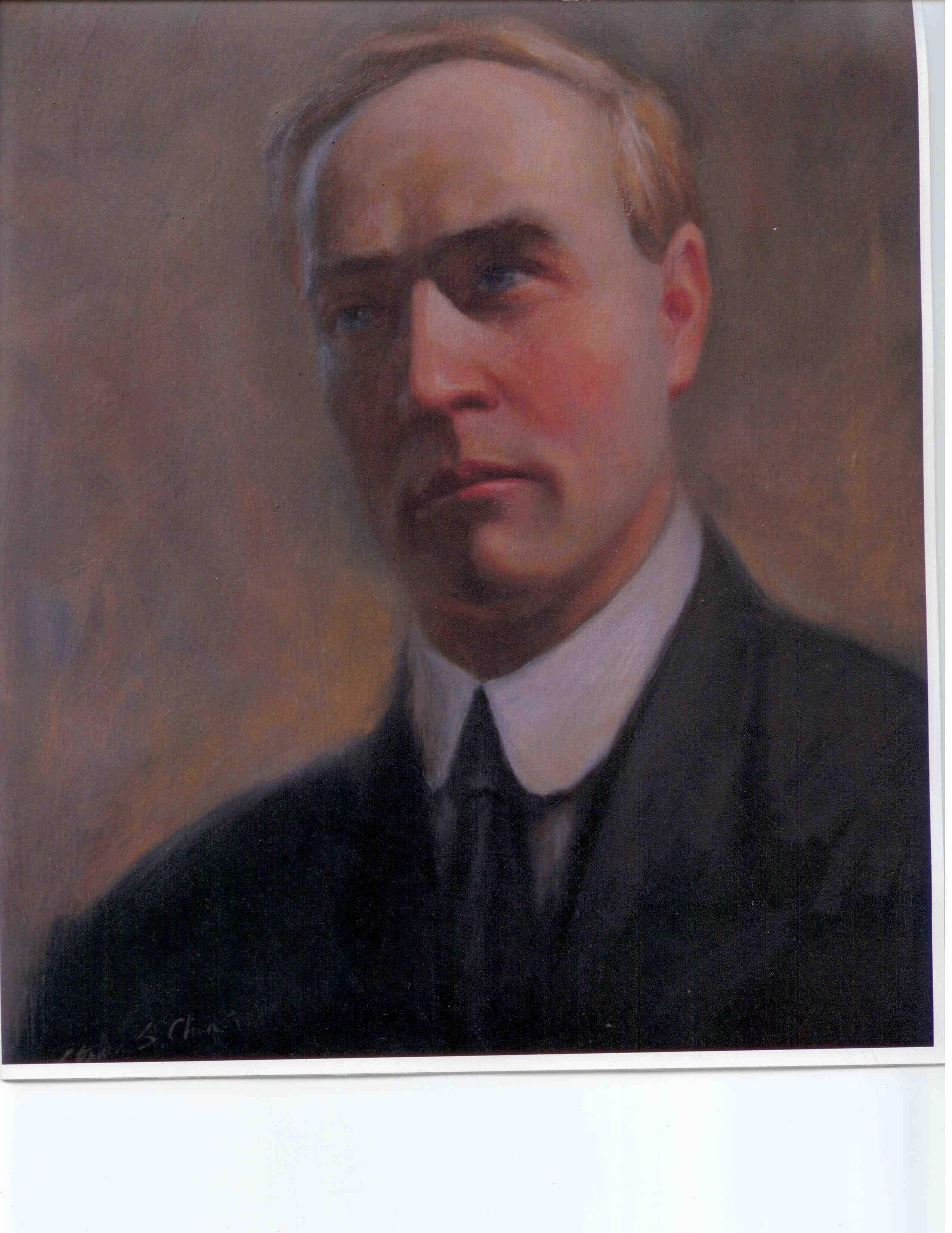
William Howard Durham
Birthday
June 10, 1873
Birth Sign
Gemini
Birthplace
Brodhead, Kentucky
Age
Died at 39
About
William Howard Durham was an American Pentecostal preacher and theologian whose short life left an outsized imprint on early Pentecostalism. A pastor of the North Avenue Mission in Chicago, he is best remembered for articulating the Finished Work doctrine, a theological stance that reshaped how a generation of believers understood sanctification.
Durham's influence rippled far beyond his own congregation. His periodical, The Pentecostal Testimony, carried his ideas to a wide audience, and his Chicago mission became a training ground for many of the movement's emerging leaders. Though he died in 1912 at just 38, his theological legacy continued to shape Pentecostal thought for decades.
Early Life & Background
William Howard Durham was born on June 10, 1873, in Brodhead, Kentucky, a small community in the southern part of the state. The details of his childhood are thin, but his religious formation began early and firmly within the Baptist tradition. In 1891, at the age of 18, he formally joined the Baptist Church, marking the start of a lifelong commitment to Christian ministry.
Durham's early pastoral work took him through the Midwest, but the turning point came in 1907. He traveled to Los Angeles and visited the Azusa Street Mission, the epicenter of the emerging Pentecostal revival. The experience was transformative. He embraced Pentecostalism with fervor and carried its message back to Chicago, where he would soon become one of the movement's most prominent voices.
Career Growth
Durham's Chicago pastorate at the North Avenue Mission became a hub for early Pentecostal leaders, many of whom passed through his congregation. By 1910, he was a tremendously popular preacher, invited to address a convention of midwestern Pentecostals. That same year, he began publicly challenging the prevailing three-stage view of salvation, which held that sanctification was a distinct second work of grace after conversion. Instead, Durham argued that sanctification is completed at conversion, a position that became known as the Finished Work doctrine.
He promoted this teaching through his periodical, The Pentecostal Testimony, which circulated widely and fueled intense debate within the movement. His influence was cut short when he died on July 7, 1912, at age 38. Despite his brief career, his theological contribution proved lasting, shaping the doctrine of many Pentecostal denominations that followed.
Career Timeline
Public Image & Style
Durham's public image is that of a theological innovator and influential pastor whose premature death may have contributed to his relative obscurity compared to other Pentecostal founders. His sermons and his periodical, The Pentecostal Testimony, were doctrinal and polemical in tone, aimed at convincing fellow Pentecostals of the Finished Work position. No official fandom name or fan culture is documented, but his legacy is honored through historical scholarship and continued interest among Pentecostal historians.
Fame & Fandom
William Howard Durham commands a legacy defined not by modern celebrity rituals but by the enduring theological architecture he erected over a century ago. While no organized fanbase gathers to chant his name or erect billboards for his birthday, his influence permeates a specific religious demographic that traces its doctrinal roots directly to his 1907 sermons at Azusa Street and subsequent writings in The Pentecostal Testimony. This audience does not operate as a fandom in the pop-culture sense; they are adherents of a movement shaped by his controversial Finished Work doctrine, which challenged prevailing views on sanctification and split early Pentecostalism into distinct camps. His followers engage with his life through historical scholarship and denominational study rather than viral campaigns or fan-funded projects. There is no documented name for this group, nor are there any recorded instances of crowds shutting down streets or fainting in adoration during his lifetime. The absence of a formal fandom reflects his status as a serious theologian and pastor who died in 1912, long before the mechanisms of mass media stardom could cultivate such phenomena. His impact remains intellectual and spiritual, preserved in the training grounds of his North Avenue Mission and the pages of his periodical. iFANN has evaluated his global standing with precision. William Howard Durham is currently EVALUATED_UNRANKED in the Global Top 1,000 rankings. He does not hold a placement in any published scope list or Top-100 category. This neutral status underscores his position as a foundational historical figure whose fame is specialized within religious history rather than broad cultural recognition.
Interesting Facts and Legends
Durham published The Pentecostal Testimony, an influential early Pentecostal periodical that carried his Finished Work teaching to a broad audience. His North Avenue Mission in Chicago served as a training ground for many future leaders of the Pentecostal movement. The Finished Work doctrine he championed was highly controversial in its day, directly challenging the teachings of prominent Pentecostal leaders who held to a three-stage salvation experience. A YouTube video titled "William Durham the Forgotten Pentecostal Leader" reflects his status as a historically significant but under-recognized figure. His Wikipedia page received 534 views in the 30 days leading up to August 8, 2026, and 1,383 views over 60 days, indicating modest ongoing public interest. Historical records confirm that his return from the Azusa Street Revival in 1907 sparked the "Sanctification Scuffles," a series of intense theological debates that reshaped the movement's identity. By 1910, his views were so influential that he was invited to address a convention of midwestern Pentecostals, where he publicly denounced the prevailing views on sanctification. Though he died suddenly in 1912 at the age of 39, no supernatural legends or dramatic public outcries surrounded his passing; his legacy rests entirely on the doctrinal framework he established and the thousands of believers who adopted his teachings.
Family & Personal Life
Historical records offer little detail about Durham's family life. No public information exists regarding his parents, siblings, spouse, or children. The available sources focus almost exclusively on his theological contributions and pastoral work, leaving his personal household largely undocumented.
Notable Connections
Relationships & Dating History
Death & Aftermath
Died
July 7, 1912 (aged 39)
Death Place
Unknown
Cause of Death
Unknown
The announcement of William Howard Durham's passing arrived in July 1912, confirming the end of a ministry that had already reshaped early Pentecostal theology. He died on July 7 at the age of thirty-nine, shortly after returning to Chicago from Los Angeles following a period of intense theological debate over the Finished Work doctrine. Tributes from peers focused on his theological contributions rather than mourning a tragic loss, cementing his role as a foundational figure in the movement. While specific funeral arrangements, burial locations, or memorial services are not recorded in available sources, his influence persisted immediately through his periodical, The Pentecostal Testimony, which continued to circulate his ideas.
His estate was handled with minimal public record, leaving behind an intangible legacy defined by doctrine rather than assets. The aftermath saw his Finished Work doctrine become a cornerstone for many emerging Pentecostal denominations, ensuring his voice outlasted his brief life. Historians continue to reference his work as pivotal to the movement's development, even as the specifics of his final hours remain obscured by time. The lack of detailed personal records regarding his family or household further isolates the event to his professional impact, where he remains a central figure in American religious history.
Net Worth (Estate Value)
$1 Million
iFANN Editorial Team estimate
William Howard Durham died in 1912, long before modern celebrity net worth tracking existed. His legacy remains intangible, theological, and historical rather than financial. Per iFANN's editorial analysis, the estimated value of his enduring influence stands at $1 Million.
Awards & Accolades
View 1 records, honours and achievementsKnown For
Finished Work doctrine
1910 · Proponent
North Avenue Mission
1907 · Pastor
The Pentecostal Testimony
1910 · Publisher
Keywords
Sources
Quick Facts
- Profession
- pastor, theologian
- Born
- June 10, 1873
- Birthplace
- Brodhead, Kentucky
- Died
- July 7, 1912
- Gender
- Male
- Birth Sign
- Gemini
Frequently Asked Questions
What is the Finished Work doctrine?
What did William Howard Durham do?
When did William Howard Durham die?
Where was William Howard Durham born?
Was William Howard Durham at Azusa Street?
Join the community
fans discussing