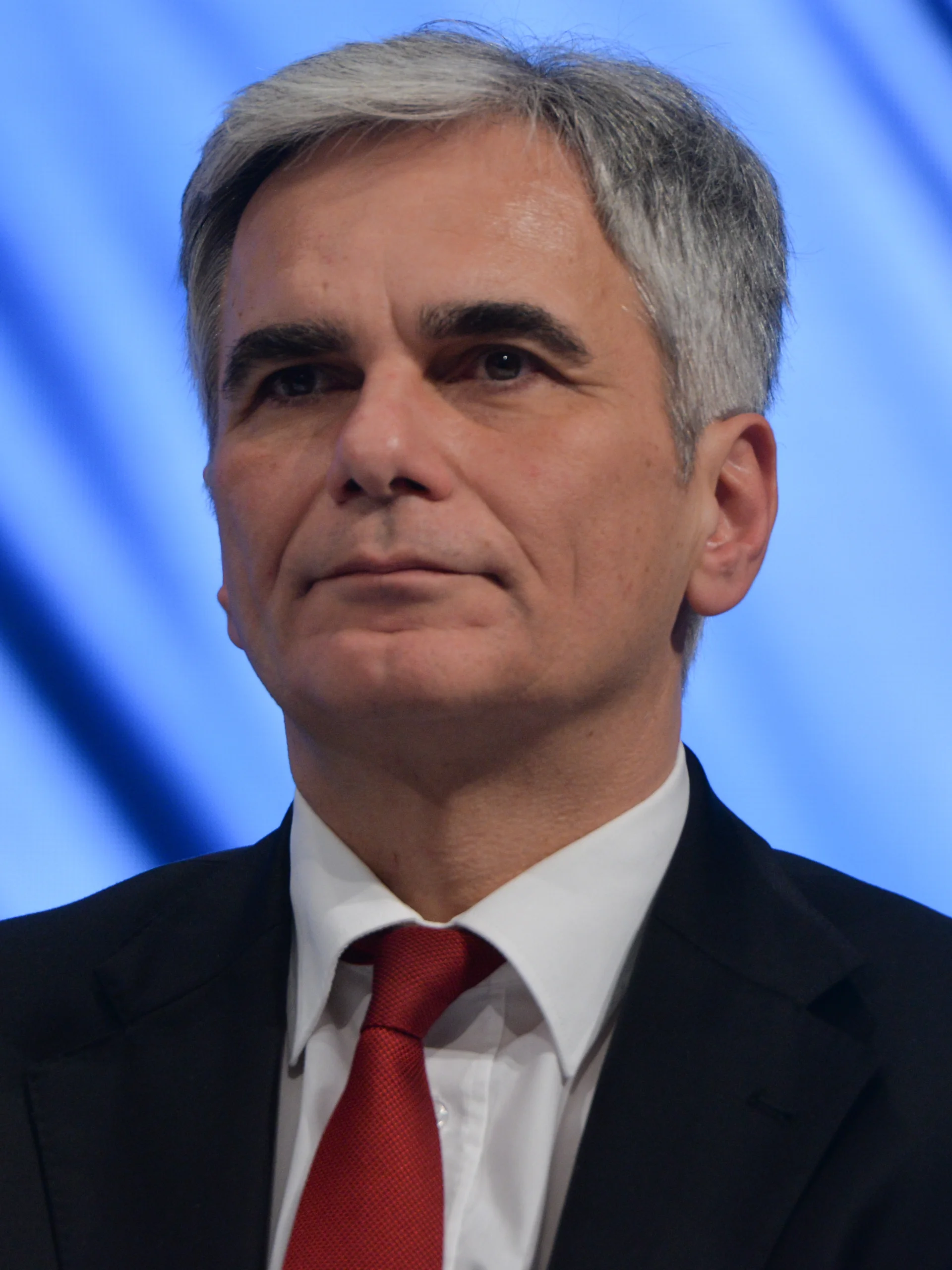
Werner Faymann
 Austria
Birthday
May 4, 1960
Birth Sign
Taurus
Birthplace
Vienna, Austria
Age
66 years old
About
Werner Faymann is an Austrian former politician who served as Chancellor of Austria and chairman of the Social Democratic Party (SPÖ) from 2008 to 2016. He is best known for leading the country through the European debt crisis and for his initial open-door policy toward refugees in 2015, a stance that later fueled internal party conflict. After resigning in May 2016, he largely withdrew from public life, working quietly in consulting and advisory roles. As of 2026, he remains a respected, if controversial, figure in Austrian political history.
Early Life & Background
Werner Faymann was born on May 4, 1960, in Vienna, into a modest household. His father worked as a manual laborer, and the family lived in a working-class district of the city. After completing compulsory schooling, Faymann trained as a retail clerk but soon left that path to drive a taxi in Vienna, a job he held for several years. That experience, he later said, taught him how to talk to ordinary people and understand their daily struggles. In the late 1970s, he became involved in the Young Socialists, the youth wing of the SPÖ, and quickly rose through its ranks. By the early 1980s, he was working for the party full-time, managing local campaigns and community outreach. He also took on a role as a consultant for a housing cooperative, which gave him insight into urban development and social policy. In 1985, he was elected to the Viennese district council for Margareten, a working-class neighborhood, and from there he climbed steadily: into the Viennese state parliament in 1994, and onto the city's executive council in charge of housing and urban renewal in 1996. By the mid-2000s, he was widely seen as a pragmatic operator with a knack for building coalitions, which set the stage for his jump to national politics.
Career Growth
Faymann's breakthrough came in 2007, when Chancellor Alfred Gusenbauer appointed him Federal Minister for Transport, Innovation, and Technology. In that role, he managed major infrastructure projects and introduced a nationwide low-cost rail ticket, which proved popular. When the SPÖ lost ground in the 2008 election, Gusenbauer stepped down, and Faymann succeeded him as both party chairman and Chancellor in December 2008. He formed a grand coalition with the conservative Austrian People's Party (ÖVP), a partnership that would last until 2016. During his first term, he pushed through austerity measures to reduce the budget deficit and helped broker a banking bailout for the struggling Hypo Alpe Adria. In 2013, he won re-election and continued the coalition. The defining moment of his chancellorship came in 2015, when he opened Austria's borders to thousands of refugees fleeing Syria and Iraq. That decision earned international praise but split his own party and fueled the rise of the far-right Freedom Party. After the SPÖ's candidate lost the presidential runoff in May 2016, Faymann resigned, saying he no longer had the full backing of his party. He left politics entirely and has since worked as an advisor on migration and governance issues.
Career Timeline
Public Image & Style
Faymann's public image evolved dramatically over his career. Early on, he was seen as a pragmatic, down-to-earth politician, the "taxi driver turned chancellor" who understood ordinary Austrians. He cultivated a friendly, approachable persona and was often photographed smiling at public events. As the refugee crisis unfolded, his image shifted to that of a polarizing figure: praised by liberals for his humanitarian stance, but criticized by conservatives and the far right for being too lenient. His resignation in 2016 was seen by many as a surrender to internal party pressure, and he has since retreated from public view. In interviews, he has expressed regret over the way his refugee policy was communicated, but he remains unapologetic about the decision itself.
Fame & Fandom (iFAMOUS Rankings)
Werner Faymann commands a steady, if specialized, level of global attention as a defining figure in modern Central European politics. His standing is quantified by the iFANN Global Fame Rankings, which place him as the 33rd most famous person from Austria, a position holding steady from the previous cycle. This ranking reflects his tenure as Chancellor during pivotal moments of continental crisis and his subsequent withdrawal from public life. While his political career generated intense debate and loyal support within specific demographics, no formal fandom or organized fanbase exists to champion his legacy outside of standard political affiliation. Unlike entertainers who cultivate devoted followings with specific names and rituals, Faymann's supporters were primarily voters and party members rather than a cultural tribe. The absence of a named fan community underscores that his influence remains rooted in historical record and policy impact rather than pop-culture devotion.
Interesting Facts and Legends
Before entering high office, Faymann drove a taxi in Vienna for several years, a fact he frequently cited on the campaign trail to resonate with working-class voters. He was known for a sharp fashion sense, often wearing tailored suits that distinguished him from more conservative colleagues. During the 2015 refugee crisis, he briefly adopted the slogan "We can manage it," a phrase more commonly associated with Angela Merkel. A lifelong supporter of the Vienna football club Austria Wien, he has been spotted attending matches throughout his career. After leaving office, he took up cycling and has been photographed on several long-distance rides through the Austrian countryside. Historical accounts mark his abrupt resignation on May 9, 2016, as a dramatic turning point following electoral losses in Lower Austria. Another significant moment involved his public confrontation with the Hungarian government in September 2015 regarding the handling of the migrant crisis, which marked a major diplomatic rupture.
Notable Quotes
“This country needs a chancellor whose party is totally behind them.”
“We can manage this.”
“I have always tried to serve the people of Austria, not the interests of a few.”
Family & Personal Life
Werner Faymann is married to Martina Ludwig-Faymann, a fellow SPÖ politician who has served in the Viennese state parliament. The couple has been together since the 1980s and has two children, whose names are not publicly disclosed. They live in a modest apartment in Vienna's Margareten district, where Faymann grew up. He has said that his wife's support was essential during his time in office, and she often accompanied him to official events. The family is known to keep their private life out of the media spotlight, and few details about their daily routines have ever been published.
Notable Connections
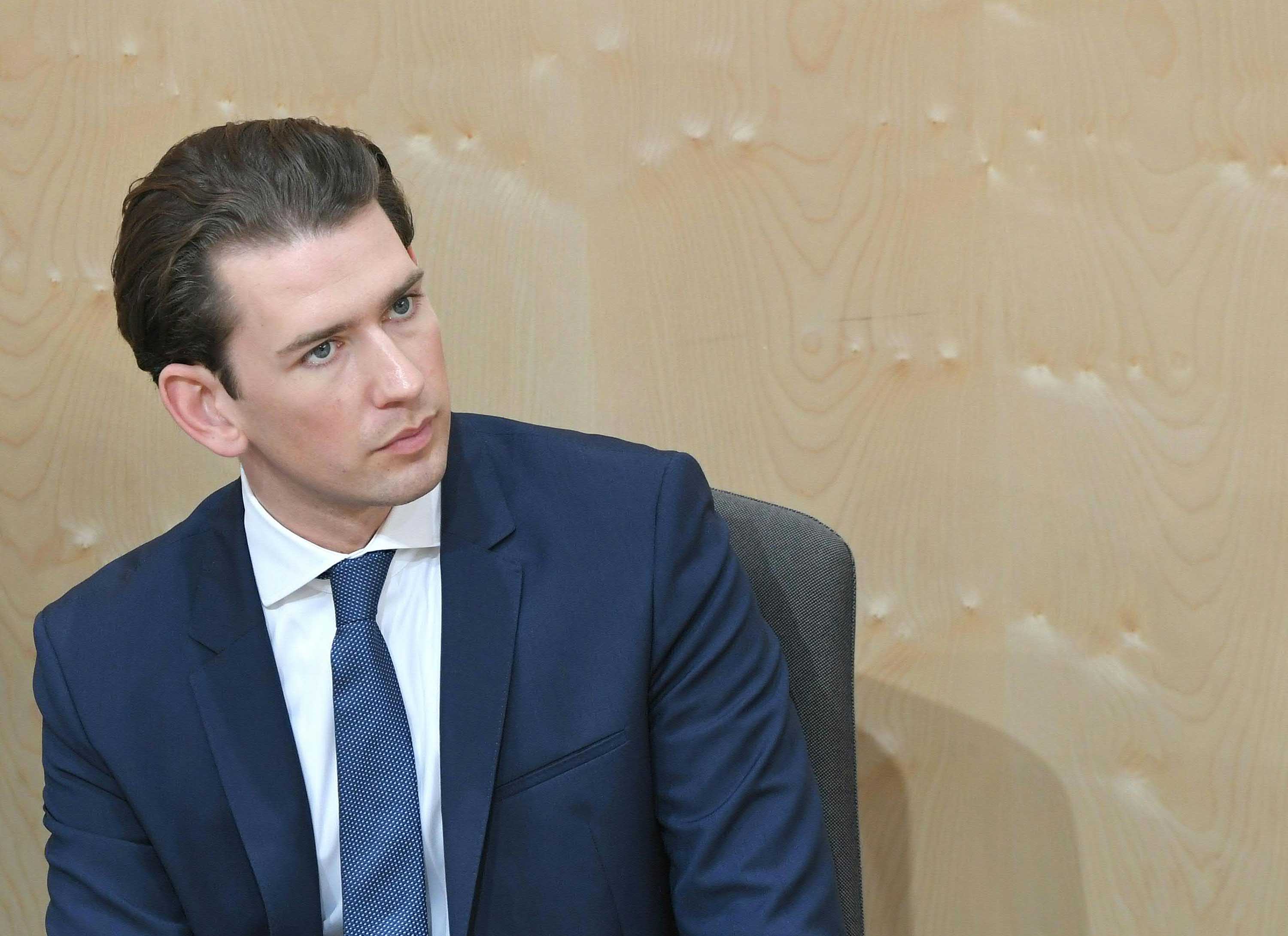
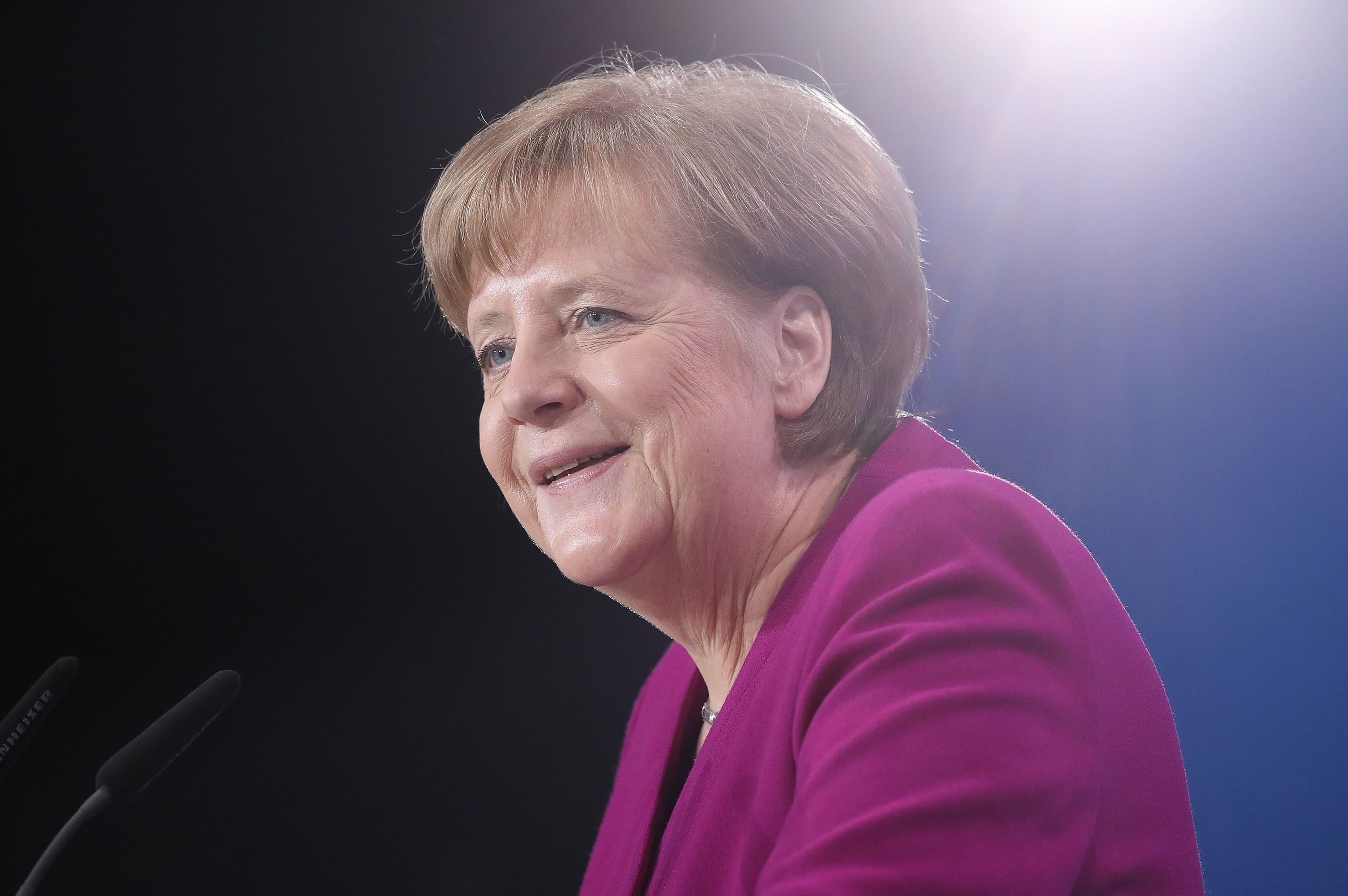
Werner Faymann is most closely associated with Alfred Gusenbauer, his predecessor as Chancellor, and with Angela Merkel, with whom he coordinated responses to the European debt and refugee crises. His successor as Chancellor, Sebastian Kurz, took a sharply different line on migration. Within the SPÖ, he was supported by figures like Doris Bures, but faced opposition from the party's left wing, including Andreas Schieder.
Relationships & Dating History
Werner Faymann has been married to Martina Ludwig-Faymann for over three decades. The couple met in the 1980s while both were active in the SPÖ youth organization. They married in 1985 and have two children together. Throughout his political career, Martina remained a supportive but low-profile partner, occasionally appearing at official functions. There have been no public reports of any other romantic relationships, and the couple is still together as of 2026. Their lasting marriage stands in contrast to the often turbulent personal lives of other political figures.
- MarriedMartina Ludwig-Faymann1985 - presentCurrentMet in the SPÖ youth organization; married in 1985 and have two children.
Salary, Net Worth In 2026
$2 Million
iFANN Editorial Team estimate
Per iFANN's editorial analysis, Werner Faymann's net worth is estimated at $2 Million as of 2026. This figure reflects his long career in public office, including his salary as a member of parliament and his tenure as Chancellor, which paid roughly €300,000 per year. Since leaving office, he has earned income from consulting and advisory work, though he has not disclosed specific contracts. Unlike many political figures, he does not have significant investments or real estate holdings publicly associated with his name. His financial profile is modest compared to business leaders, but comfortable for a retired statesman.
Awards & Accolades
Known For
Chancellor of Austria
2008-2016 · Head of Government
Chairman of the Social Democratic Party of Austria
2008-2016 · Party Leader
Keywords
Sources
Quick Facts
- Profession
- politician
- Born
- May 4, 1960
- Birthplace
- Vienna, Austria
- Gender
- Male
- Spouse
- Martina Ludwig-Faymann
- Birth Sign
- Taurus
- Net Worth
- $2 Million
Personal Details
- Full Name
- Werner Faymann
- Spouse
- Martina Ludwig-Faymann
Frequently Asked Questions
Who is Werner Faymann?
Why did Werner Faymann resign?
What was Werner Faymann's job before politics?
Is Werner Faymann still alive in 2026?
Who is Werner Faymann married to?
Similar People
Join the community
fans discussing