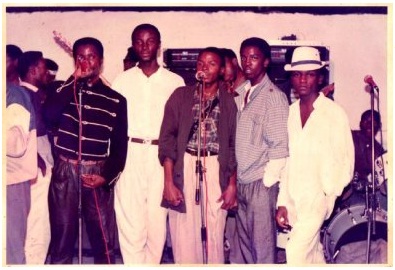
Wenge Musica
 DR Congo
Pioneers of Congolese Soukous and Ndombolo
7
Members
About
Wenge Musica is celebrated as a foundational group in the modern Congolese music scene, particularly for their pivotal role in popularizing the ndombolo rhythm. Active primarily in the 1980s and 1990s, the band operated with a collective leadership structure, distinguishing itself from the more common single-leader format. This approach, combined with their energetic performances and innovative sound, allowed them to achieve significant success without relying on established sponsors, a feat mirroring earlier Congolese giants like Zaïko Langa Langa and TPOK Jazz.
The group's legacy is defined by their dynamic musical output and the lasting impact of their eventual split. While the band officially dissolved in December 1997 due to internal disputes, the factions that emerged, Wenge BCBG led by JB Mpiana and Wenge Musica Maison Mère led by Werrason, continued to dominate the African music landscape through the late 1990s and into the new millennium. Recent years have seen reports of reunion efforts and significant comeback concerts, indicating a continued resonance with their fanbase and a lasting presence in Congolese music history.
Formation Story
The story of Wenge Musica begins in Kinshasa, Democratic Republic of Congo, in 1981. Founded by Didier Masela alongside other aspiring musicians, the group aimed to create a new wave in Congolese popular music. Initially, the band operated as a collective, with members contributing equally to its direction and sound. This collaborative spirit was key to their early identity, setting them apart from many bands that were built around a single charismatic leader.
By 1986, JB Mpiana had emerged as a central figure, taking on a leadership role that would guide the band through its most successful period. Under his direction, Wenge Musica released their debut album, Bouger!! Bouger!! Makinzu!!!, in 1988. This album introduced their first major hit, "Mulolo," a song composed by Mpiana himself, which quickly became a national sensation. The success of "Mulolo" and the album marked the beginning of their ascent, establishing them as a formidable force in the burgeoning ndombolo scene.
The band continued to build momentum, releasing subsequent albums like Kin É Bougé in 1991. Their recording sessions often took place in Brussels, reflecting the international reach of their music. Despite their growing popularity and influence, internal tensions began to surface, particularly between JB Mpiana and fellow co-founder Werrason. These disputes, amplified by Mpiana's solo endeavors, culminated in the band's dissolution in December 1997. Even before the official split, the government attempted mediation to preserve unity, highlighting the band's significant cultural standing. Ultimately, the band fractured into two major rival groups, Wenge BCBG and Wenge Musica Maison Mère, setting the stage for a new era of competition and musical innovation within Congolese music.
Members
Sub-Units
Wenge BCBG (1997)
JB Mpiana
Wenge Musica Maison Mère (1997)
Werrason
Musical Style
Wenge Musica is synonymous with the evolution and popularization of soukous music, particularly its energetic ndombolo subgenre. Their sound is characterized by fast-paced, intricate guitar riffs, complex polyrhythms, and driving basslines, all designed to inspire dancing. The music often features call-and-response vocals, vibrant horn sections, and a powerful percussive foundation that creates an irresistible groove.
While rooted in the soukous tradition, Wenge Musica injected a youthful dynamism and modern sensibility into their music. They were known for their sophisticated arrangements and the seamless integration of traditional Congolese rhythms with contemporary influences. Lyrically, their songs often touched upon themes of love, daily life, social commentary, and celebration, resonating deeply with audiences across Africa and beyond. Their innovative approach not only defined their era but also laid the groundwork for future generations of Congolese artists.
Discography
| Title | Year |
|---|---|
| Pentagone | 1996 |
| Les Anges Adorables | 1994 |
| Kala-Yi-Boeing | 1993 |
| Les Pleins Feux | 1992 |
| Kin É Bougé | 1991 |
| Bouger!! Bouger!! Makinzu!!! | 1988 |
Tours
Reunion Shows
2022 · Multiple shows
Comeback Concert
2025 · 1 shows
Cultural Impact
Wenge Musica's impact on Congolese and African popular music is profound. They were at the forefront of the fourth generation of Congolese music, spearheading the ndombolo dance craze that swept across the continent in the 1990s. Their success, achieved without major label backing or established sponsors, demonstrated the power of independent artistry and collective effort, inspiring countless emerging musicians.
The band's influence extended beyond music; their fashion, dance styles, and stage presence set trends and became cultural touchstones for youth in the region. The intense rivalry that emerged after their split, between Wenge BCBG and Wenge Musica Maison Mère, became a defining narrative in the late 1990s African music scene, generating massive public interest and further cementing the legacy of the original Wenge Musica's members.
Fandom Culture
While an official fandom name for Wenge Musica is not widely documented, the group commanded a devoted following throughout their active years. Their concerts were major events, drawing large crowds eager to witness their electrifying performances and participate in the ndombolo dance. The intense passion of their fans was evident even during the period leading up to the band's split, with unrest noted among supporters.
The emergence of two distinct factions after the 1997 breakup, Wenge BCBG and Wenge Musica Maison Mère, saw fans align themselves with either JB Mpiana or Werrason. This division created a vibrant, albeit competitive, fan culture where loyalty and support were passionately expressed, often fueling the ongoing rivalry between the splinter groups and keeping the spirit of Wenge Musica alive in different forms.
Awards & Accolades
View 3 records, honours and achievementsMilestones
Founded in Kinshasa by Didier Masela and others.
JB Mpiana takes leadership role.
Debut album Bouger!! Bouger!! Makinzu!!! released, featuring hit song "Mulolo".
Became a defining musical influence in Congolese music.
Dissolved, splitting into Wenge BCBG and Wenge Musica Maison Mère.
Reports of 'big comeback' and reunion efforts emerge.
Werrason holds a major comeback concert in Paris.
Trivia
Alternative Names: The band was also known by the names Wenge Musica BCBG or Wenge Musica BCBG 4×4., Independent Success: Like earlier Congolese legends Zaïko Langa Langa and TPOK Jazz, Wenge Musica achieved significant fame and success without the backing of established musical sponsors., Government Intervention: The internal disputes leading to the band's split in 1997 were significant enough that the government, through the Minister of Information and Cultural Affairs, attempted to mediate between leaders JB Mpiana and Werrason to prevent the breakup., Rivalry's Impact: The rivalry between the two main groups formed after the split, Wenge BCBG and Wenge Musica Maison Mère, became a dominant feature of the Congolese and broader African popular music scene by the end of the 1990s.
Keywords
Sources
Quick Facts
- Formed
- 1981
- Origin
- Kinshasa, Democratic Republic of the Congo
- Genre
- Soukous, Ndombolo
- Dissolved
- 1997
- Key Figures
- JB Mpiana, Werrason, Didier Masela
Group Info
- Formed
- 1981
- Debut
- 1988
- Debut Song
- Mulolo
- Origin
- Kinshasa, Democratic Republic of the Congo
- Label
- Sonodisc
- Status
- Disbanded (1997)
Social Media
Also Known As
Join the community
fans discussing