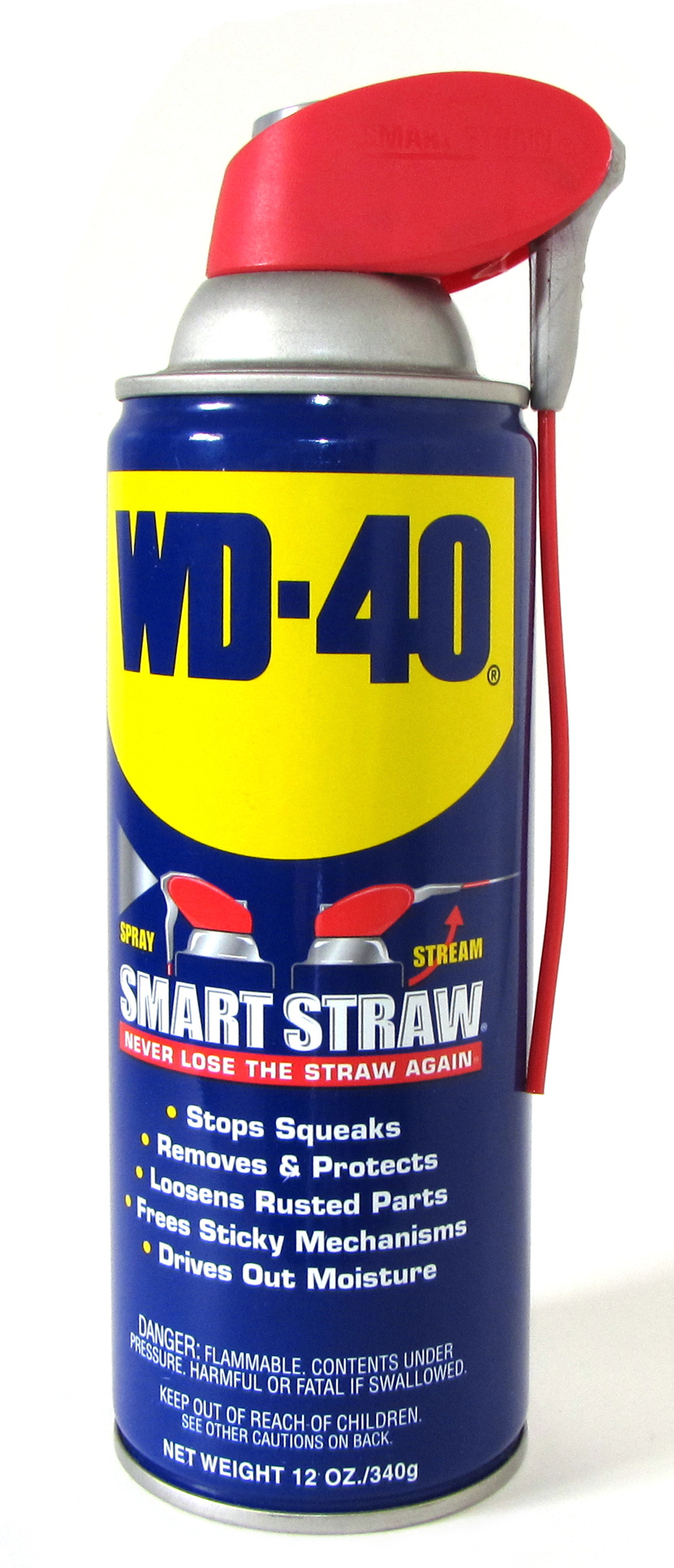
WD-40
by WD-40
"The can with 2,000 uses"
Rating
4.8/5
Overview
WD-40 stands for Water Displacement, 40th formula. The Rocket Chemical Company invented it in 1953, and by 1958 it hit store shelves. Made by the WD-40 Company in San Diego, California, this penetrating oil works as a lubricant, rust preventive, penetrant, and moisture displacer. While specialized products outperform it in specific tasks, WD-40 earned a reputation as a versatile jack of all trades. In 2014, it earned a spot in the International Air & Space Hall of Fame at the San Diego Air & Space Museum. As of 2023, it remains a household staple, found in garages and workshops worldwide.
The original formula was developed for Convair to protect the outer skin of the Atlas missile from rust and corrosion. Norm Larsen, a chemist at Rocket Chemical, tried 39 times before nailing the 40th formula that actually worked. That persistence paid off. The product's first commercial success came when a San Diego hardware store owner stocked it on his shelves and customers came back asking for more.
Today the WD-40 Company has expanded far beyond the blue-and-yellow can. The Specialist line, introduced in 2011, targets trade professionals with dedicated formulas for silicone, white lithium grease, and contact cleaner. The BIKE line, launched in 2012, caters to cyclists with chain lubricants and degreasers. In 2008, the company compiled a list of 2,000 uses with help from the WD-40 Fan Club, and for the first time that year, over half of revenues came from outside the United States.
Key Features
- Displaces moisture and prevents rust
- Penetrates rusted and stuck parts
- Lubricates light-duty moving parts
- Cleans and removes adhesives, grease, and grime
- Protects metal surfaces from corrosion
- Non-conductive up to 47,800 volts
- Available in Smart Straw, EZ-REACH, Trigger Pro, and Big Blast formats
- Also sold in bulk sizes up to 55-gallon drums
Specifications
| Viscosity | 2.8 cSt at 40°C |
| Dielectric Strength | 44,400–47,800 volts |
| Operating Temperature Range | -10°F to 200°F |
| Kauri-Butanol Value | 24.8 |
| Specific Gravity | 0.808 |
| Flash Point | 120°F (Tagliabue closed cup) |
Pros & Cons
Pros
- • Extremely versatile for many household and workshop tasks
- • Effective at displacing water and drying out electrical components
- • Penetrates rusted bolts and nuts quickly
- • Non-conductive, safe for use on electronics
- • Widely available and affordable
Cons
- • Not a heavy-duty lubricant; evaporates quickly
- • Flammable; requires careful storage and use
- • Strong petroleum odor
- • Can damage some plastics and painted surfaces
- • Not a long-term rust preventative; needs reapplication
Frequently Asked Questions
Is WD-40 a lubricant?
What is the WD-40 price?
WD-40 vs. silicone lubricant: What's the difference?
Is WD-40 worth it?
When was WD-40 released?
Keywords
Sources
Product Info
- Brand
- WD-40
- Manufacturer
- WD-40 Company
- Category
- Penetrating Oil, Lubricant, Rust Preventive
- Released
- 1958
- Price
- $8.32 for 8 oz can (Amazon)
- Availability
- Available
- Headquarters
- San Diego, California
- Inventor
- Norm Larsen (Rocket Chemical Company)
- Year Invented
- 1953
- Year Commercialized
- 1958
- Acronym Meaning
- Water Displacement, 40th formula
- Original Purpose
- Protect Atlas missile skin from corrosion
- Hall of Fame Induction
- International Air & Space Hall of Fame (2014)
- Number of Uses
- Over 2,000
- Specialist Line Launch
- 2011
- BIKE Line Launch
- 2012
Join the community
fans discussing