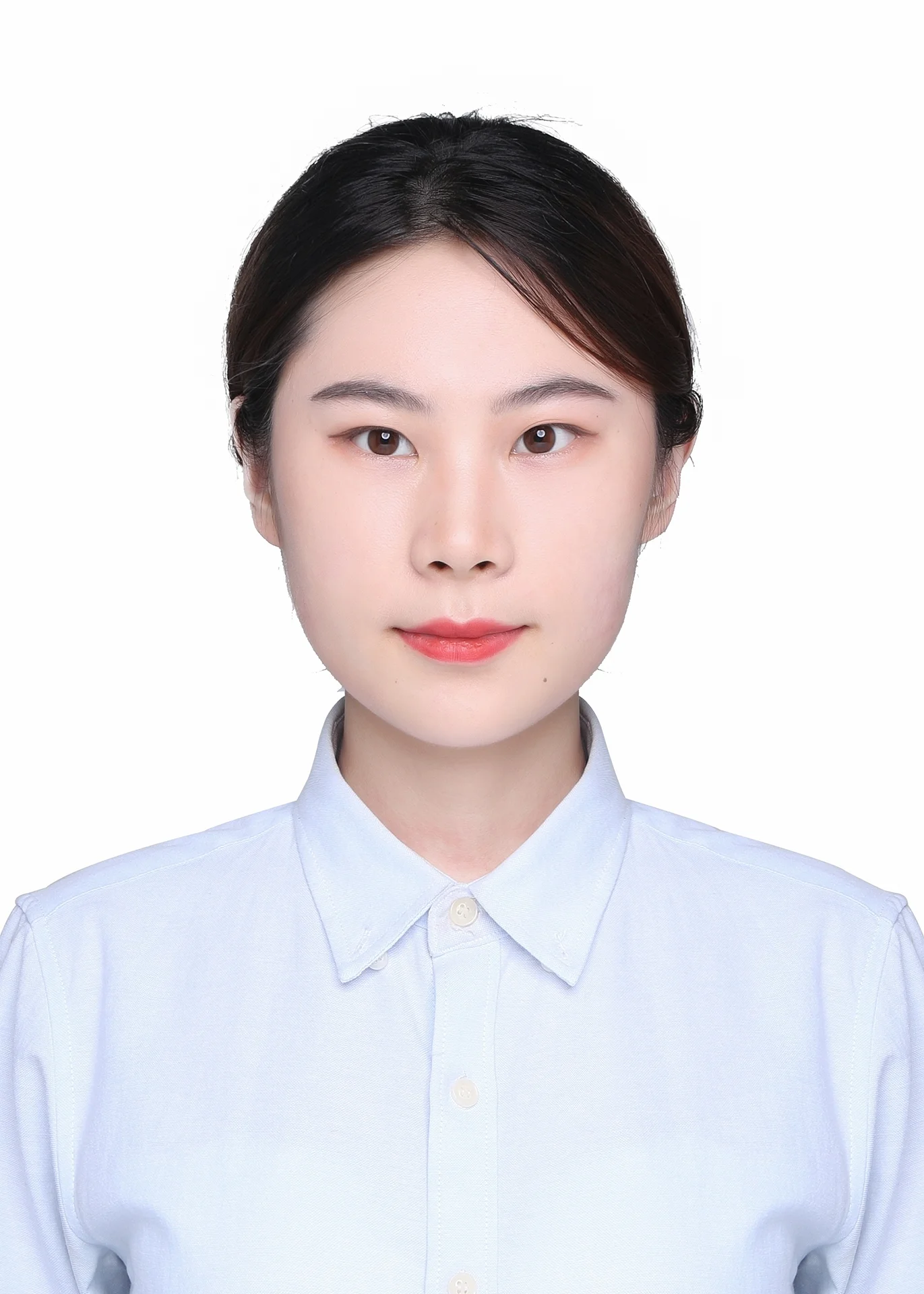
Wang Junxia
 China
ChinaAlso known as: Junxia Wang, Empress Junxia Wang
Birthday
January 9, 1973
Birth Sign
Capricorn
Birthplace
Jiaohe, Liaoning Province, China
Age
53 years old
About
Wang Junxia is a Chinese former long-distance runner who redefined women's distance running in the 1990s. She still holds the world record in the 3,000 meters, a mark of 8:06.11 she set in 1993, and she broke the 10,000-meter world record the same year with 29:31.78, a time that stood for 23 years. At the 1996 Atlanta Olympics, Wang became the first Chinese athlete to win an Olympic gold medal in track and field, taking the 5,000 meters and adding a silver in the 10,000 meters.
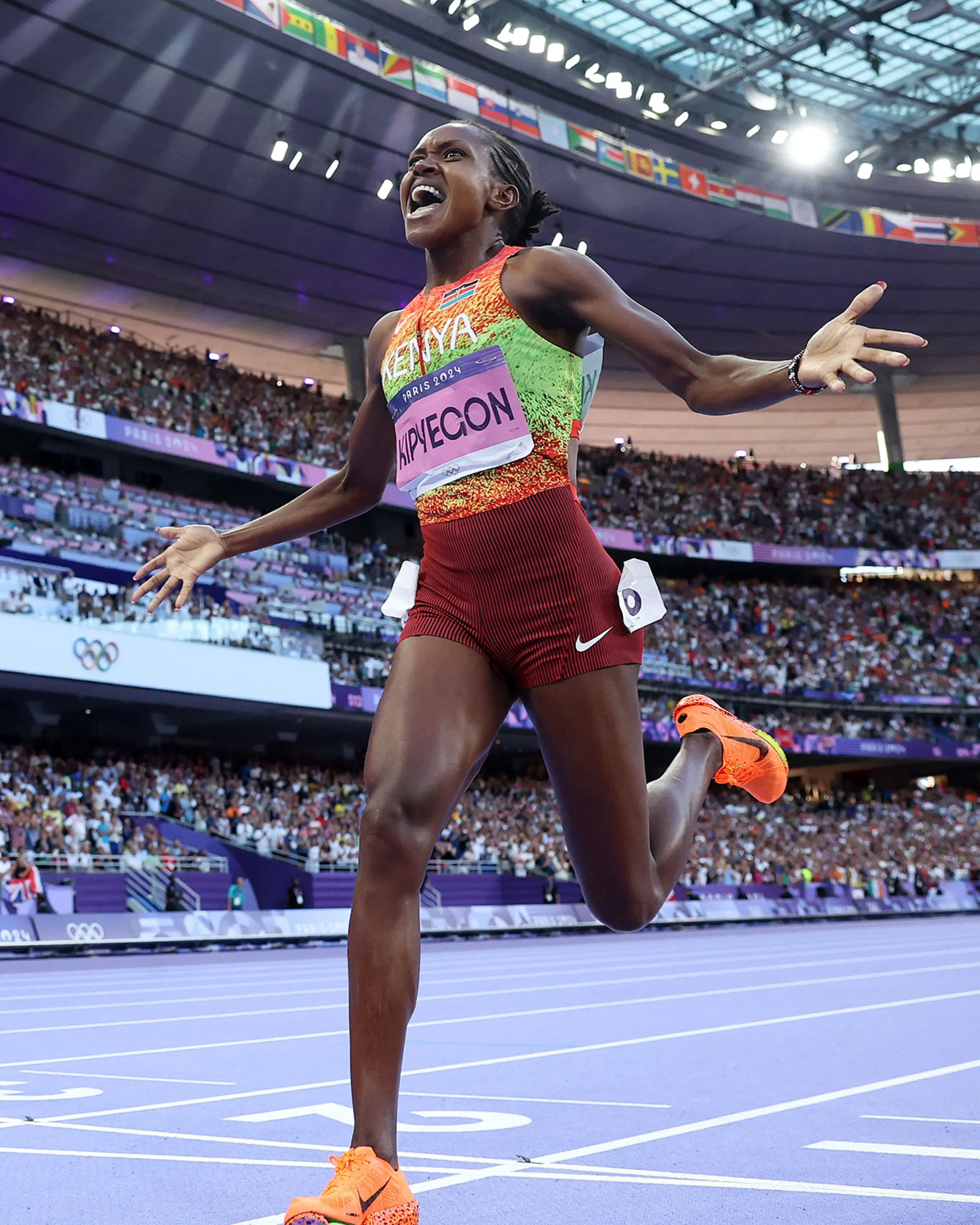
Today, Wang is a respected figure in athletics, though her legacy carries complexity. She was inducted into the World Athletics Hall of Fame in 2012, and in June 2025 she gained Hong Kong residency under the city's Quality Migrant Scheme. Fans still talk about her extraordinary 1993 season, when she set records that have proven nearly untouchable. Her 3,000-meter record remains the oldest on the women's books, and Kenya's Faith Kipyegon missed it by just under a second in August 2025.
Early Life & Background
Wang Junxia was born on January 9, 1973, in Jiaohe, a county in Liaoning Province in northeastern China. Some records list her birthplace as Dalian, a larger city in the same province, but Jiaohe is the more commonly cited origin. She grew up in a farming family, and her early life was far from the world of professional athletics.
Her running talent emerged in school, and by her late teens she had joined the famed Ma Family Army, the training group led by coach Ma Junren. The program was notorious for its brutal volume: runners logged what amounted to a marathon distance every day, often starting before sunrise. Wang's breakthrough came in 1992 when she won the Chinese national championship in the women's 10,000 meters. That victory put her on the national team and set the stage for the historic season that followed.
Career Growth
Wang Junxia's career peaked in 1993, a year that still stands as one of the greatest in distance running. At the Chinese National Games in September, she set the 3,000-meter world record with 8:06.11 and shattered the 10,000-meter record with 29:31.78, becoming the first woman to break the 30-minute barrier. Earlier that summer, she had won the 10,000 meters at the World Championships in Stuttgart, defeating Kenya's Sally Barsosio. She also ran 3:51.92 in the 1,500 meters that year, making her the fifth-fastest woman ever at that distance at the time.
Injuries slowed her in 1994 and 1995, and her coaching shifted from Ma Junren to Mao Dezhen. But she returned to form for the 1996 Atlanta Olympics, winning gold in the 5,000 meters with a personal best of 14:51.87 and silver in the 10,000 meters. She retired shortly after, ending a career that had lasted barely four years at the top. In 2012, she was inducted into the World Athletics Hall of Fame, and in 2025 she gained Hong Kong residency, which drew public debate given her doping history.
Career Timeline
Public Image & Style
In the running community, Wang Junxia is remembered as "Empress Junxia Wang," a nickname fans use on forums like LetsRun. Her 1993 season is the stuff of legend, and her 3,000-meter record still draws awe. But her image is complicated by the doping allegations that emerged in 2016, when a letter she reportedly signed claimed coach Ma Junren personally injected athletes. The IAAF investigated the letter's authenticity, and the episode has shaped how many view her achievements. Despite that, she remains a national hero in China and a figure of fascination for track fans worldwide.
Fame & Fandom (iFAMOUS Rankings)
Wang Junxia commands a unique place in sports history where reverence clashes with enduring controversy, creating a legacy defined less by active adoration and more by historical gravity. Unlike modern idols who cultivate vibrant, organized fanbases through social media campaigns or charity drives, Wang's audience consists of track historians, journalists, and the few runners who still revere her 1993 dominance. There is no formal fandom name attached to her following; discussions about her life occur within academic circles or news commentaries regarding her residency status rather than on fan forums dedicated to celebrating her persona. The narrative surrounding her remains split between awe for the records she shattered and skepticism born from the doping allegations that later surfaced. This duality ensures her story is retold as a cautionary tale and a triumph simultaneously, without the ritualistic behaviors typical of celebrity culture. iFANN has evaluated her global standing based on these complex signals. Wang Junxia is currently an EVALUATED_UNRANKED person in the world according to the Global Fame Engine. She does not hold a placement in the published rankings or any Top-100 scope list. This absence reflects a profile where fame is deep but narrow, anchored in a specific era of athletics rather than broad, contemporary cultural consumption.
Interesting Facts and Legends
Her 3,000-meter world record stands as the longest-standing women's middle- or long-distance mark in history, surviving over three decades. The 10,000-meter time she set in 1993 remained unbroken for 23 years until 2016. Wang once clocked 3:51.92 in the 1,500 meters, a speed that still ranks among the fastest ever recorded. Under the tutelage of Ma Junren, her training regimen reportedly surpassed 200 kilometers weekly, often beginning before dawn. She became the first Chinese athlete to secure an Olympic gold medal in track and field at the 1996 Atlanta Games. A persistent legend surrounds the "Ma Army" of 1993, where she allegedly ran so fast it seemed to defy human limits before the scandal broke. Another story details her running a half-marathon in just under an hour and 35 minutes shortly after retiring, showcasing physical prowess despite her age. In June 2025, she gained Hong Kong residency through the Quality Migrant Scheme, reigniting debates about her past. Her admission in a letter regarding forced injections by her coach remains a pivotal moment that reshaped her public image from hero to controversial figure.
Notable Quotes
“I trained so hard that I would vomit blood. But I never gave up.”
“The records are there for anyone to break. I just hope they are broken fairly.”
“My body paid a heavy price for those medals.”
Family & Personal Life
Wang Junxia keeps her personal life largely out of the public eye. She is a mother, but details about her children, spouse, or current household are not publicly documented. Her family background in rural Liaoning shaped her early years, though she rarely speaks about it. In 2016, she made headlines when a letter she reportedly signed alleged state-sponsored doping in Chinese athletics, a revelation that affected her public standing.
Notable Connections
Wang Junxia's career is closely tied to coach Ma Junren, who led the Ma Family Army and pushed her to record-breaking performances. She later trained under Mao Dezhen from 1995 until her retirement. On the track, she competed against Kenya's Sally Barsosio, whom she beat for the 1993 world title. In 2025, Kenyan star Faith Kipyegon nearly broke her 3,000-meter record, missing by less than a second.
Relationships & Dating History
Public information about Wang Junxia's romantic relationships is extremely limited. She has kept her personal life out of the spotlight, and no credible reports detail her dating history, marriages, or current partner. She is known to be a mother, but the identity of her child's father or fathers is not public. As of 2026, her relationship status is not documented, and she appears to be focused on her post-athletic life.
Salary, Net Worth In 2026
$5 Million
iFANN Editorial Team estimate
Wang Junxia's net worth is not publicly documented, as Chinese athletes of her era rarely had disclosed earnings. However, research by the iFANN Editorial Team puts her estimated net worth in 2026 around $5 Million. This figure likely stems from government bonuses awarded for her Olympic gold, endorsement deals secured during her peak career years, and subsequent speaking fees. In 2025, her Hong Kong residency may open new opportunities, though she remains a private figure.
Awards Won (4)
Wang Junxia won Olympic gold in the 5,000 meters and silver in the 10,000 meters at the 1996 Atlanta Games. She also took gold in the 10,000 meters at the 1993 World Championships. In 2012, she was inducted into the World Athletics Hall of Fame, recognizing her historic career.
1996 · 5,000 meters
1996 Atlanta Olympics
1996 · 10,000 meters
1996 Atlanta Olympics
Known For
Olympic Gold - 5000m
1996 · Athlete
World Record - 3000m
1993 · Athlete
World Record - 10000m
1993 · Athlete
Keywords
Sources
Quick Facts
- Born
- January 9, 1973
- Birthplace
- Jiaohe, Liaoning, China
- Gender
- Female
- Height
- Not documented
- Net Worth
- $5 Million (estimated)
Frequently Asked Questions
Is Wang Junxia's 3,000-meter world record still standing?
Did Wang Junxia admit to doping?
What happened to Wang Junxia after the 1996 Olympics?
How many Olympic medals did Wang Junxia win?
Is Wang Junxia married and does she have children?
Similar People
Join the community
fans discussing