 Philippines
About
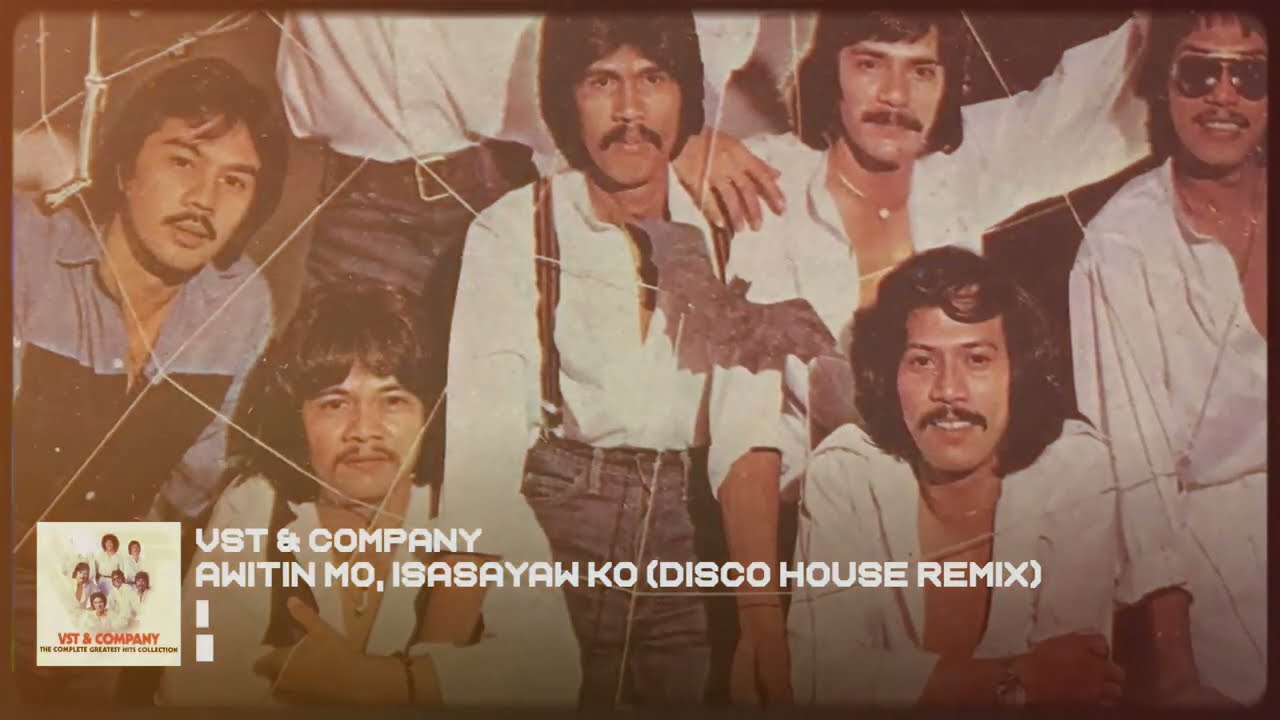
VST & Company remains a significant name in Filipino music history, primarily celebrated for its pioneering role in the Manila Sound genre and its immense popularity during the disco era of the late 1970s and early 1980s. Active from 1978 to 1983, the group, under Vicor Music Corporation, left an indelible mark with its fusion of infectious disco beats, funk rhythms, and accessible Tagalog lyrics. The band's most recognized lineup featured a dynamic ensemble of vocalists and musicians, including the Rigor brothers (Spanky, Roger, Male), Monet Gaskell, Celso Llarina, Val Sotto, Jun Medina, Vic Sotto, and Tito Sotto.
The group's breakthrough came with the single "Awitin Mo at Isasayaw Ko" in 1978, a track that ignited a nationwide frenzy known as "VST Mania" and cemented their status as disco icons. Their self-titled debut album also achieved gold certification, underscoring their widespread appeal. Beyond their chart success, VST & Company also ventured into cinema, starring in three jukebox films that further amplified their presence in popular culture. Although the band officially concluded its activities in 1983, its music continues to be celebrated as a quintessential representation of the Manila Sound era.
Formation Story
The inception of VST & Company in the late 1970s was a strategic move by Tito Sotto, then an A&R manager at Vicor Music Corporation. Observing the burgeoning success of local bands like The Boyfriends, Sotto, alongside his brother Vic Sotto and lyricist Joey de Leon, conceptualized a musical project designed to capture the energy and appeal of the disco movement. The name VST itself was an acronym derived from the first names of three key figures: Vic Sotto, Spanky Rigor, and Tito Sotto, signifying the core members driving the project.
The band's official debut in 1978 featured the single "Ikaw ang Aking Mahal" and its B-side "Awitin Mo at Isasayaw Ko." While "Ikaw ang Aking Mahal" was initially promoted as the main track, "Awitin Mo at Isasayaw Ko" quickly gained traction on radio, becoming the group's signature song and a catalyst for the "VST Mania" craze. This success propelled their self-titled debut album, VST, to gold certification, firmly establishing the band as a major force in the Philippine music scene. Their early years were marked by a rapid ascent, characterized by hit singles, a popular album, and the beginning of their cinematic endeavors.
Members
Musical Style
VST & Company became synonymous with the Manila Sound genre, a vibrant musical movement that emerged in the Philippines during the 1970s. Their sound was a distinctive fusion of Western disco and funk influences, characterized by infectious danceable rhythms, catchy melodies, and polished production. They were often dubbed "the Bee Gees of the Philippines" due to their shared genre and vocal harmonies with the iconic international group.
The band's lyrical content frequently explored themes of love, joy, and celebration, delivered in accessible Tagalog that resonated deeply with Filipino audiences. Their music was upbeat and optimistic, perfectly capturing the spirit of the disco era. VST & Company's ability to blend international trends with local musical sensibilities not only defined their signature sound but also played a crucial role in shaping and popularizing Original Pilipino Music (OPM) during their active years.
Cultural Impact
VST & Company's influence extended far beyond the music charts, significantly shaping the cultural landscape of the Philippines in the late 1970s and early 1980s. As pioneers of the Manila Sound movement, they helped define a generation's musical identity, blending local flavors with global trends like disco and funk. Their songs became anthems of the era, fostering a sense of unity and celebration through dance and music.
The band's impact was amplified by their presence in three jukebox films, a popular format at the time that merged music, drama, and comedy. These films provided a visual medium for their energetic performances and charismatic personas, further embedding them in the public consciousness. Furthermore, the success of VST & Company and its members, particularly Tito and Vic Sotto's subsequent careers in television and comedy, highlights the group's lasting legacy in Filipino entertainment. Their music continues to be remembered and celebrated, often featured in retrospectives of OPM and the disco era.
Fandom Culture
While specific details about a formal fandom name, official colors, or traditions for VST & Company are not widely documented, the group undeniably cultivated a massive and dedicated following during their active years. The phenomenon known as "VST Mania" swept the nation, demonstrating the immense popularity and fervent support they garnered. Fans were drawn to the band's energetic performances, relatable music, and the charismatic personalities of its members, especially the Sotto brothers.
The widespread appeal of songs like "Awitin Mo at Isasayaw Ko" and "Ipagpatawad Mo" meant that their music was a staple at parties, dances, and gatherings across the Philippines. The collective experience of dancing and singing along to VST & Company's hits created a shared cultural moment, forging a strong, albeit informal, bond between the band and their audience. This widespread adoration and active participation in their music signify a vibrant fan culture centered around shared enjoyment and musical enthusiasm.
Awards & Accolades
View 3 records, honours and achievementsTrivia
The acronym VST in the band's name originally stood for Vic Sotto, Spanky Rigor, and Tito Sotto, the founding members. However, a playful alternative meaning, "Very, Secret, Talaga" (Truly, Very, Secret), also circulated, adding a touch of mystique. The full name of Tito Sotto, Vicente Sotto the Third, also aligns with the "VST" initialism.
VST & Company's entry into the music scene was partly inspired by the success of The Boyfriends, another popular Filipino band of the era. Their first major concert in Cebu was a spectacular event themed "Galactica," complete with band members donning Darth Vader masks and black capes, a nod to the immense popularity of Star Wars: A New Hope.
The group was sometimes referred to as "the Bee Gees of the Philippines" due to their shared affinity for disco music and vocal harmonies. The members' diverse talents and subsequent individual successes, particularly Tito and Vic Sotto's prominent careers in television and comedy as part of the TVJ trio, contributed to the band's eventual hiatus.
Keywords
Sources
Quick Facts
- Group Name Origin
- Acronym for Vic Sotto, Spanky Rigor, and Tito Sotto.
- Active Years
- 1978-1983
- Associated Labels
- Vicor Music Corporation, Sunshine Records
- Notable Films
- Starred in three jukebox films.
Group Info
- Formed
- 1976
- Debut
- 1978
- Debut Song
- Awitin Mo at Isasayaw Ko
- Origin
- Manila, Philippines
- Company
- Vicor Music Corporation
- Label
- Sunshine Records
- Status
- Disbanded (1983)
Also Known As
Join the community
fans discussing