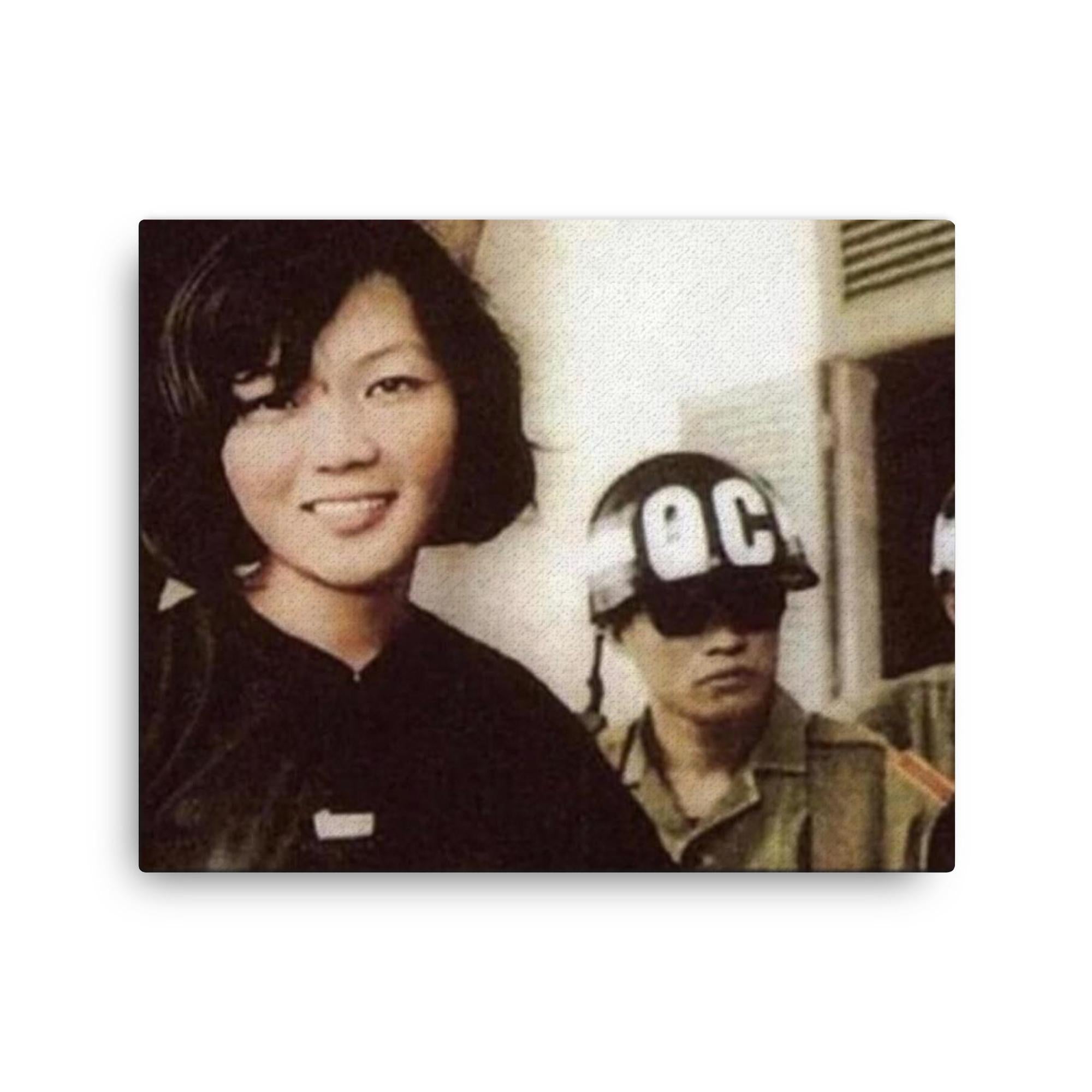
Võ Thị Thắng
 Vietnam
Also known as: Smile of Victory
Birthday
January 10, 1945
Birth Sign
Capricorn
Birthplace
Tân Bửu, Long An Province, Vietnam
Age
Died at 69
About
Võ Thị Thắng was a Vietnamese revolutionary and stateswoman whose defiant smile in a 1968 courtroom became an enduring symbol of resistance. Born on January 10, 1945, in Tân Bửu, Long An Province, she joined the National Liberation Front as a teenager and dedicated her life to Vietnam's independence and reconstruction. Her iconic photograph, taken moments after receiving a 20-year hard labor sentence, earned her the nickname "Smile of Victory" and turned her into a global emblem of courage.
After her release, Thắng transitioned into politics, representing Long An in the National Assembly for three consecutive terms (1975–1981) and later serving two terms on the Central Committee of the Communist Party of Vietnam (1996–2006). She also held key leadership roles, including Director General of the Vietnam National Administration of Tourism and Chairwoman of the Vietnam–Cuba Friendship Association. Thắng passed away on August 22, 2014, in Ho Chi Minh City, at the age of 69.
Early Life & Background
Võ Thị Thắng grew up in the Mekong Delta province of Long An, a region deeply affected by the Vietnam War. Born in 1945, she was part of a generation that came of age amid conflict and colonial rule. Details of her early life are scarce, but it is known that she joined the National Liberation Front while still a teenager, drawn to the cause of national liberation.
In Saigon, she participated in urban resistance activities, including sabotage and propaganda efforts. Her involvement in the underground network put her in constant danger, and in 1968 she was captured by South Vietnamese forces. Her trial that July drew international attention, not for the proceedings themselves, but for the image of a young woman smiling calmly in the face of a harsh sentence.
Career Growth
Võ Thị Thắng's breakthrough moment came not from a promotion or an election, but from a photograph. In July 1968, as a military court in Saigon sentenced her to 20 years of hard labor, she smiled. That image, captured by a photographer, spread worldwide and became known as the "Smile of Victory." It symbolized the resilience of the Vietnamese resistance and made Thắng an international icon.
After her release, she entered politics. From 1975 to 1981, she served in the National Assembly representing Long An. Later, from 1996 to 2006, she held two terms on the Central Committee of the Communist Party of Vietnam. She also led the Vietnam National Administration of Tourism and chaired the Vietnam–Cuba Friendship Association, strengthening ties between the two nations. In 2015, she was posthumously named a Hero of the People's Armed Forces.
Career Timeline
Public Image & Style
Võ Thị Thắng's public image is forever tied to that defiant smile. The 1968 photograph captured a young woman facing a 20-year sentence with unbroken spirit, and it resonated far beyond Vietnam. It made her a symbol of resistance for women around the world. In Vietnam, she is remembered as a devoted revolutionary and a dedicated public servant. Her legacy is honored in Cuba, where a school bears her name, and in Vietnam, where she is celebrated as a Hero of the People's Armed Forces.
Fame & Fandom (iFAMOUS Rankings)
Võ Thị Thắng is the 96th most famous person from Vietnam, a standing confirmed in the August 2026 cycle of the iFANN Global Fame Rankings and holding steady from the previous measurement. This placement reflects her enduring status as a global emblem of courage rather than fleeting celebrity. While she commands no organized fanbase with a formal name or modern social rituals, her veneration is institutionalized through state-sponsored reverence and educational legacy. Her admirers are not defined by streaming campaigns or birthday billboards but by students who learn of her defiance in history classes and citizens who visit monuments dedicated to her sacrifice. The cultural mythology surrounding her life centers on the verified event known as "The Triumphant Smile," where she faced a death sentence with unbroken dignity. This image, widely cited in historical records and archives, transformed her from a prisoner into a global symbol of resistance for women around the world. In Vietnam, she is remembered as a devoted revolutionary and a dedicated public servant, while her international legacy is cemented by the primary school named after her in Havana, Cuba. High-ranking officials continue to honor her memory through official visits and annual commemorations, ensuring that the story of her 1968 courtroom defiance remains a central pillar of national identity and socialist solidarity.
Interesting Facts and Legends
The defiant smile captured in the 1968 courtroom photograph became an enduring symbol of resistance, though Thắng later clarified she smiled out of confidence in her cause rather than a lack of fear. In late 1968, Fidel Castro personally ordered the founding of a primary school in Cuba named after her, a rare honor for a living revolutionary. She served as Vice President of the Vietnam Women's Union, advocating for women's rights in the post-war era, and represented Long An in the National Assembly for three consecutive terms. Her death in 2014 resulted from natural causes, and she was buried in her hometown of Tân Bửu. The cultural mythology surrounding her life centers on the verified event known as "The Triumphant Smile," where she faced a death sentence with unbroken dignity. This image, widely cited in historical records and archives, transformed her from a prisoner into a global emblem of courage. Although some accounts suggest variations regarding her survival of the initial execution attempt, the dominant narrative focuses on her defiance at the moment of sentencing. Following her passing, she was posthumously awarded the title of Hero of the People's Armed Forces in 2015, cementing her status as a national legend whose story continues to be referenced in documentaries and educational materials.
Historical records pinpoint the origin of this iconic moment to August 2, 1968, when the 23-year-old revolutionary appeared before a military court in South Saigon. Facing charges related to her activities against the Republic of Vietnam regime, she accepted a sentence that would eventually become a 20-year hard labor term. The photograph taken moments after the verdict remains one of the most recognizable images in Vietnamese history, often titled "The Smiling Revolutionary." This single act of defiance in the face of execution became an instant symbol of courage, widely circulated during the war and celebrated after the reunification of Vietnam. The narrative serves as a foundational lesson in patriotism for generations of citizens.
Family & Personal Life
Public records do not detail Võ Thị Thắng's family life. She was born in Tân Bửu, Long An Province, but little is known about her parents or siblings. Her dedication to the revolutionary cause likely consumed much of her personal life. There is no information about a spouse or children. What is known is that she maintained a close connection to her homeland throughout her life, as evidenced by her political representation of Long An in the National Assembly.
Notable Connections
Võ Thị Thắng was associated with several notable figures and organizations. Fidel Castro founded a primary school in Cuba in her honor, reflecting the international solidarity she inspired. Nguyen Phu Trong, General Secretary of the Communist Party of Vietnam, praised her contributions. Ngo Phuong Ly, spouse of General Secretary To Lam, visited the Võ Thị Thắng Primary School in Havana, underscoring the enduring respect for her legacy.
Relationships & Dating History
Death & Aftermath
Died
August 22, 2014 (aged 69)
Death Place
Unknown
Cause of Death
Unknown
In the final years of her life, Võ Thị Thắng resided in Vietnam while maintaining her role as a revered stateswoman and symbol of the nation's revolutionary history. She passed away on August 22, 2014, at the age of sixty-eight, though official state media did not specify the precise location of her passing or the medical details leading to her death. The available records confirm that her death was treated as a natural occurrence by government authorities. Following the announcement, a solemn memorial service was held in Ho Chi Minh City on August 23, 2014, attended by high-ranking Party officials and members of the public who gathered to honor her contributions.
Prime Minister Nguyễn Tấn Dũng visited her family on August 26, 2014, to offer condolences, while tributes across state media highlighted her enduring legacy as the figure behind the iconic "Smile of Victory." Exactly one year after her death, President Trương Tấn Sang signed a decision on August 20, 2015, posthumously awarding her the title of Hero of the People's Armed Forces to recognize her long history of resistance and imprisonment. Her legacy continues to be commemorated through educational materials and international gestures, such as visits to the primary school in Havana named in her honor.
Net Worth (Estate Value)
N/A
iFANN Editorial Team estimate
iFANN currently estimates that Võ Thị Nett Worth is N/A. As a revolutionary and public servant, she was not a wealthy figure, and her income derived solely from modest roles within the government and party positions. She did not accumulate personal wealth, and no financial estimates exist for her estate. Her legacy is measured entirely in her contributions to Vietnam's independence and development rather than in financial terms.
Awards Won (1)
Võ Thị Thắng was posthumously awarded the title of Hero of the People's Armed Forces in 2015, a high honor recognizing her revolutionary contributions. She did not receive other awards or honors during her lifetime.
2015 · Military Honor
Revolutionary activities
Known For
Smile of Victory
1968 · Iconic photograph subject
National Assembly of Vietnam
1975 · Member
Central Committee of the Communist Party of Vietnam
1996 · Member
Keywords
Sources
Quick Facts
- Profession
- Revolutionary, Politician
- Born
- January 10, 1945
- Birthplace
- Tân Bửu, Long An Province, Vietnam
- Died
- August 22, 2014
- Death Place
- Ho Chi Minh City, Vietnam
- Gender
- Female
- Birth Sign
- Capricorn
Frequently Asked Questions
Who was Võ Thị Thắng?
What is Võ Thị Thắng famous for?
How did Võ Thị Thắng die?
Why is there a school in Cuba named after Võ Thị Thắng?
What was Võ Thị Thắng's role in the Vietnam War?
Join the community
fans discussing