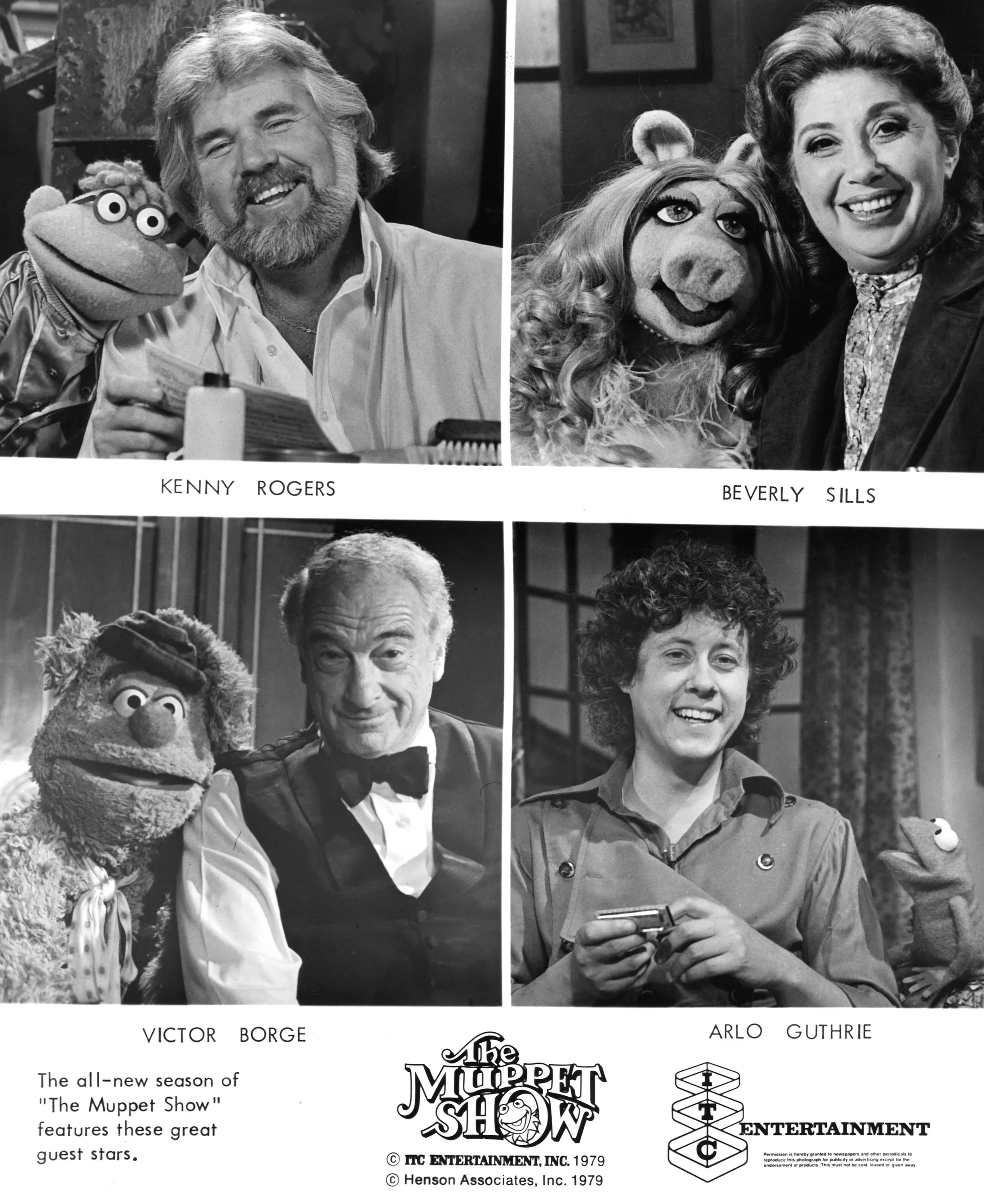
Victor Borge
 Denmark
conductor•pianist•stand-up comedian
Also known as: Børge Rosenbaum, The Unmelancholy Dane, The Clown Prince of Denmark, The Great Dane
Birthday
January 3, 1909
Birth Sign
Capricorn
Birthplace
Copenhagen, Denmark
Age
Died at 91
Height
5 ft 9 in (175 cm)
About
Børge Rosenbaum, known globally as Victor Borge, was a Danish-American actor, comedian, and concert pianist who revolutionized the intersection of classical music and stand-up comedy. Born in Copenhagen on January 3, 1909, he spent nine decades making high art accessible through humor without compromising musical integrity. Affectionately titled "The Unmelancholy Dane," "The Clown Prince of Denmark," and "The Great Dane," Borge became a unique force in entertainment by blending sharp wit with technical mastery. His career spanned radio, television, film, and live performance across North America and Europe. He is celebrated for creating a new genre of musical comedy that influenced countless artists, earning him prestigious honors including the Kennedy Center Honors and the National Medal of Arts before his passing in 2000.
Early Life & Background
Børge Rosenbaum was born into an Ashkenazi Jewish family in Copenhagen, Denmark, to parents Frederikke Lichtinger and Emil Rosenbaum. Raised in a culturally rich environment, he displayed prodigious talent for music from a very young age, beginning formal piano lessons at just five years old. He attended Borgerdydskolen for his early education before advancing to the Royal Danish Academy of Music, also known as the Conservatory of Copenhagen. There, he trained under renowned instructors including Egon Petri and Frederic Lamond with the intention of becoming a serious concert pianist, graduating in 1928. The trajectory of his life shifted dramatically with the rise of Nazism in Europe. As a Jewish man living in Denmark during World War II, Borge faced immediate danger from the occupying forces. In 1940, he narrowly escaped the Nazi occupation by fleeing Denmark for Sweden. From there, he moved to the United States later that same year, settling initially in New York City. His transition from a classical virtuoso to a comedian began organically during these early club performances. He discovered that audiences reacted with laughter when he played composers like Mozart or Beethoven but intentionally inserted mistakes or comedic interludes between movements. This discovery marked the birth of his signature style of musical slapstick, which would eventually redefine his career path away from traditional concert halls.
Career Growth
Upon arriving in the United States in 1940, Borge began performing in New York nightclubs, blending his technical piano mastery with quick-witted banter. His big break came in 1942 with his Broadway debut in The Big Revue, which established him as a major figure in American entertainment. A massive breakthrough occurred in 1947 during his appearance on The Kate Smith Hour radio show. It was here that he introduced his famous "phonetic punctuation" routine, using words like "comma" and "period" to punctuate musical phrases, a gimmick that became his trademark. Throughout the 1950s, he became a staple of American television, frequently appearing on The Ed Sullivan Show and hosting his own specials. He released numerous albums during this period, including Victor Borge Plays Chopin and The Great Dane. His success continued into the 1960s with multiple appearances on The Tonight Show Starring Johnny Carson and performances at prestigious venues like the Kennedy Center and the White House. In the 1970s, he expanded his reach internationally, touring extensively in Europe and Asia and releasing the album Borge in Berlin. The 1980s brought critical acclaim for his collaboration with the Muppets. In 1982, he appeared on The Muppet Show Season 4, delivering a legendary performance that blended his musical comedy with puppetry. He remained active throughout the 1990s, releasing Borge in London and continuing to perform in Las Vegas and major concert halls. His final public performances took place earlier in 2000 before his health declined, leaving behind a commercial legacy of millions in record sales and high-profile bookings worldwide.
Career Timeline
Public Image & Style
Borge was portrayed as a benevolent, intellectual, yet approachable figure who maintained a deadpan delivery despite the chaos of his musical pranks. The media consistently described him as "The Unmelancholy Dane," emphasizing his optimism and ability to find humor in tragedy. His tone was always respectful of the music he played, even when subverting it. He dressed formally in tuxedos or suits, projecting an image of a classically trained musician who happened to be hilarious rather than a clown who played piano. Standing approximately 5 feet 9 inches tall, his physical presence complemented his dignified yet humorous persona. He was known for his expressive piano gestures and warm interactions with audiences, often improvising based on crowd reactions. This unique blend of high culture and accessible comedy earned him respect across diverse demographics, from classical music societies to general comedy fans. His image was one of dignity mixed with whimsy, allowing him to navigate serious platforms like the White House while maintaining his comedic edge.
Fame & Fandom (iFAMOUS Rankings)
As of the November 2026 rankings, iFANN's Global Fame Engine has evaluated Victor Borge, but he does not currently hold a placement in the published rankings. He is not featured on the September 2026 iFAMOUS Rankings flagship list. While he does not have a single officially documented fandom name like modern pop stars, his admirers generally refer to themselves as enthusiasts of musical comedy or Borge collectors. Fan groups are informal, often centered around classical music societies and comedy historians who celebrate his birthday on January 3 with online tributes and re-watches of his specials. Fans value his ability to interact seamlessly with puppets and his warm improvisation based on crowd reactions. The "Official Channel of Victor Borge" on YouTube, managed by his estate, maintains a presence with thousands of views on clips of his classic routines, keeping his legacy alive for new generations. Although he lacks a specific moniker like "Borgies," his followers are united by a shared appreciation for his unique brand of humor that bridges the gap between high art and popular entertainment.
Interesting Facts and Legends
Victor Borge invented a unique linguistic system where he used musical notes to represent punctuation marks, allowing him to "speak" directly through the piano. He famously joked about the "page turner" being the most important person in the orchestra, often using them as a comedic foil during his concerts. During World War II, while still in Europe, he performed jokes mocking Adolf Hitler, a dangerous act that risked his life under the Nazi regime. One of his most famous routines involved playing Liszt's Hungarian Rhapsody No. 2, stopping abruptly to explain the sheet music, then resuming. His appearance on The Muppet Show in 1982 is considered a cultural touchstone because he was treated as a peer rather than a prop, sharing a genuine rapport with Kermit and Miss Piggy. He received a star on the Hollywood Walk of Fame in 1960 and was knighted by the King of Denmark with the Order of the Dannebrog. Additionally, he received honorary doctorates from the University of Maryland and the Hebrew University of Jerusalem. Borge also held a Guinness World Record recognition for his longevity and unique style of musical comedy, cementing his status as a pioneer in the field.
Notable Quotes
“I am a musician who plays the piano, and a comedian who plays the piano. But mostly, I am a man who loves to make people laugh.”
“Music is the language of the soul. Comedy is the language of the heart.”
“If you can't laugh at yourself, you can't laugh at anything.”
Family & Personal Life
Victor Borge was raised in a supportive Ashkenazi Jewish household in Copenhagen alongside his parents, Frederikke Lichtinger and Emil Rosenbaum. He had no siblings mentioned in historical records. While his professional life was dominated by performance, his home life was anchored by his singular marriage. He never married anyone else, focusing entirely on his partnership with Sara Borge. The couple did not have any children together, a fact often noted in biographical summaries of his personal history. Despite having no biological offspring, Borge maintained close ties with his extended family and friends in both Denmark and the United States. His childhood home in Copenhagen served as the foundation for his early musical development, fostering an environment where cultural richness encouraged his prodigious talent. Even after moving to America, he maintained connections to his Danish roots, often referencing his upbringing in interviews and performances. The absence of children meant his legacy was carried forward primarily through his artistic contributions rather than a direct familial line.
Notable Connections
Relationships & Dating History
Victor Borge was married only once, to Sarabel Sanna Scraper, who went by the professional name Sara Borge. They met shortly after Borge arrived in the United States in 1940, and their union began in 1941. Sara was a former dancer and model who became much more than just a spouse; she served as his manager, confidante, and frequent collaborator throughout their union. Their marriage lasted 59 years, ending only with her death in 1998. The couple did not have any children together. Sara's role in his life was integral to his success, managing his affairs and supporting his artistic endeavors. Victor died two years after his wife in 2000, leaving him widowed at the time of his death. There are no widely documented prior romantic relationships or flings in credible sources, as his public life was defined almost exclusively by his dedication to his craft and his marriage to Sara. As of his death in 2000, he was widowed, and no current dating status applies as he is deceased.
- MarriedSarabel Sanna Scraper1941 - 1998Met shortly after Borge arrived in the US; she was his manager and collaborated with him until her death.
Death & Aftermath
Died
December 23, 2000 (aged 91)
Death Place
Greenwich, Connecticut
Cause of Death
Natural causes
Victor Borge passed away at his home in Greenwich, Connecticut on December 23, 2000, bringing a quiet end to a ninety-one-year life dedicated to the art of musical comedy. The cause of death was reported as natural causes, attributed to complications related to old age, though he had been in declining health for some time while remaining mentally sharp until the end. The entertainment world responded immediately with widespread tributes from peers and institutions, including statements from the Kennedy Center where he was a celebrated artist, while fans and media outlets commemorated him through retrospectives that highlighted his unique "phonetic punctuation" language tool and famous interactions with the Muppets. A private funeral service was held, attended by family and close friends, with details regarding the attendee list kept out of the public eye. His legacy continues to be honored through educational foundations and scholarships linked to his contributions to music and comedy, with works remaining available on digital platforms and in retrospective documentaries. In the posthumous era, his estate has been managed by his family, though details regarding asset handling are not publicly disclosed, while plans for a biopic and TV series announced in 2017 aim to bring his story to a new generation.
Net Worth (Estate Value)
$18 Million
iFANN Editorial Team estimate
iFANN currently estimates Victor Borge's net worth at approximately $18 million, reflecting the value of his estate and ongoing revenue streams as of 2026. This figure represents the accumulated wealth generated over his nine-decade career, which included selling millions of records, headlining major venues worldwide, and commanding high fees for live performances. His income sources were diverse, ranging from record sales across multiple labels to lucrative performance fees in Las Vegas, Carnegie Hall, and international tours. Royalties continue to generate significant revenue from his television appearances, particularly reruns of The Muppet Show and his various specials. Licensing deals for his name and likeness in documentaries and educational materials further bolster the estate's finances. Real estate holdings in Greenwich, Connecticut, and other locations contributed to his asset base. The estate is managed by his family and the Borge Foundation, ensuring his intellectual property remains profitable long after his passing. At the time of his death in 2000, his wealth was estimated between $10 million and $15 million, a testament to his consistent popularity and financial acumen throughout his long career.
Awards Won (4)
Victor Borge received numerous accolades throughout his career, with honorary distinctions representing the peak of his recognition. He won an Emmy Award for Outstanding Individual Performance in a Variety or Musical Program and was a Kennedy Center Honoree in 1990. He received the National Medal of Arts in 1991 and was knighted as a Knight of the Dannebrog by the King of Denmark. Additionally, he was awarded a Grammy Lifetime Achievement Award late in his life, cementing his status as a master of his craft.
1965 · Outstanding Individual Performance in a Variety or Musical Program
The Victor Borge Show
1999 · Lifetime Achievement
N/A
Known For
The Muppet Show
1982 · Himself
The Great Dane
1950 · Performer
The Kate Smith Hour
1947 · Guest Performer
Keywords
Sources
Quick Facts
- Profession
- conductor, pianist, stand-up comedian
- Born
- January 3, 1909
- Birthplace
- Copenhagen, Denmark
- Died
- December 23, 2000
- Death Place
- Greenwich, Connecticut
- Gender
- Male
- Spouse
- Sarabel Sanna Scraper
- Birth Sign
- Capricorn
Personal Details
- Full Name
- Børge Rosenbaum
- Height
- 5 ft 9 in (175 cm)
- Spouse
- Sarabel Sanna Scraper
- Children
- Education
- Royal Danish Academy of Music
Filmography
45
Total
12
Film
33
TV
Frequently Asked Questions
Was Victor Borge a good pianist?
What religion was Victor Borge?
What happened to Victor Borge?
When did Victor Borge leave Denmark?
Who was Victor Borge's wife?
Social Media
Similar People
Join the community
fans discussing