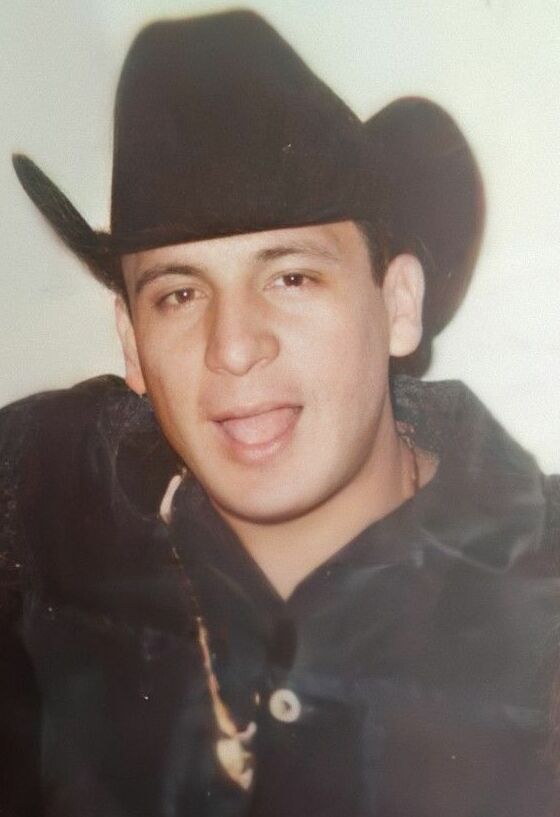
Valentín Elizalde
 Mexico
Also known as: El Gallo de Oro
Birthday
February 1, 1979
Birth Sign
Aquarius
Birthplace
Etchojoa Municipality, Sonora, Mexico
Age
Died at 27
About
Valentín Elizalde Valencia, known to fans as "El Gallo de Oro" (The Golden Rooster), was a Mexican singer of Banda and regional Mexican music. Born February 1, 1979, in Etchojoa Municipality, Sonora, he rose to prominence in the late 1990s and early 2000s with a string of hits that became staples of the genre. His vocal style, sometimes described as deliberately off-key, became a signature that set him apart.
Elizalde's catalog includes enduring favorites like "Vete Ya," "Ebrio de Amor," and his rendition of José José's "Soy Así." He also recorded narcocorridos that referenced figures tied to Mexican drug cartels, a choice that drew both attention and criticism. His life ended violently on November 25, 2006, when he was shot dead in Reynosa, Tamaulipas, at age 27. Two decades later, his music remains a touchstone in regional Mexican culture, and fans continue to honor his memory.
Early Life & Background
Valentín Elizalde Valencia was born in Etchojoa Municipality, a rural area in the northern Mexican state of Sonora. He grew up immersed in the sounds of banda and norteño music, which were the soundtrack of the region. As a young man, he began performing at local events, honing a raw, passionate delivery that would later define his recordings. His early influences included classic ranchera singers and the brass-heavy banda groups popular in Sinaloa and Sonora.
Elizalde's first steps into the music industry came in the late 1990s, when he recorded his debut albums with small regional labels. These early releases, while not yet breakout hits, helped him build a following in the border states. He gained a reputation as a tireless live performer, often playing multiple shows in a single weekend in small towns and cities across northern Mexico. His nickname, "El Gallo de Oro," reportedly came from his energetic stage presence and a certain rooster-like swagger that audiences found endearing.
By the early 2000s, Elizalde had relocated to Guadalajara to pursue broader opportunities. There, he connected with producers who helped refine his sound, blending traditional banda with a more modern, commercial edge. It was this combination that would soon carry him to national fame.
Career Growth
Elizalde's breakthrough came in the early 2000s with the release of "Vete Ya," a heartfelt ranchera that became an instant hit across Mexico and the U.S. Southwest. The song's success opened doors, and he followed with "Ebrio de Amor" and a well-received cover of José José's "Soy Así," both of which solidified his place in regional Mexican music. His albums consistently charted on Billboard's Regional Mexican charts, and he became a fixture on radio stations from Tijuana to San Antonio.
He recorded a string of studio albums, including "Y Sus Exitos" (2002), "El Gallo de Oro" (2004), and "Amar y Querer" (2005), each selling steadily. His tours took him to major venues across Mexico and the United States, where he drew large crowds of loyal fans. In 2006, he was at the height of his popularity, performing regularly and preparing new material. His music also sparked controversy, as some of his narcocorridos openly praised figures like Vicente Carrillo Fuentes and Joaquín "El Chapo" Guzmán, a choice that law enforcement and critics condemned but that endeared him to certain audiences.
His career was brutally interrupted on the night of November 25, 2006. After performing a concert in Reynosa, Tamaulipas, Elizalde was ambushed by gunmen as he left the venue. His vehicle was struck by more than 70 bullets, and he died at the scene. The murder, widely attributed to cartel violence, sent shockwaves through the music world. In the years since, his recordings have continued to sell, and his songs remain popular on streaming platforms. In 2023, the group Fuerza Regida released a cover of "Vete Ya," introducing his music to a new generation.
Career Timeline
Public Image & Style
Valentín Elizalde's public image was that of a charismatic, hard-living regional Mexican star. His "El Gallo de Oro" persona was flashy and confident, reflected in his embroidered suits, wide-brimmed hats, and bold stage presence. He cultivated a connection with working-class audiences, singing about love, heartbreak, and the realities of life in northern Mexico.
His music videos and live performances often featured him surrounded by beautiful women and luxury cars, projecting an image of success. At the same time, his willingness to sing narcocorridos tied him to a controversial subgenre that glamorized drug traffickers, a fact that both fueled his popularity and made him a target. Fans remember him as a genuine artist who stayed true to his roots, while critics point to the glorification of violence in some of his songs.
After his murder, Elizalde became a martyr figure in regional Mexican music. His face appears on T-shirts, murals, and fan-made tributes across Mexico and the U.S. Southwest. Annual remembrances on the anniversary of his death draw thousands of fans, and his music continues to be streamed millions of times each year. His legacy is complicated, but his impact on the genre is undeniable.
Fame & Fandom (iFAMOUS Rankings)
Valentín Elizalde maintains a persistent global footprint that transcends the typical lifecycle of regional Mexican artists, with his legacy sustained by digital consumption and cultural remembrance across decades. As measured by the iFANN Global Fame Rankings in August 2026, he holds the position of the 61st most famous person in Latin Music, a standing he has maintained steadily from the previous cycle. This placement reflects an enduring resonance within a genre defined by its deep emotional roots and broad geographic reach. While his fanbase lacks a formalized collective name, the community identifies primarily through his moniker El Gallo de Oro, united by a shared history of mourning and a vibrant digital presence that keeps his catalog active long after his passing. The absence of a specific fandom label does not diminish the cohesion of his admirers, who actively preserve his memory through streaming rituals and annual commemorations of his death.
Interesting Facts and Legends
Elizalde's nickname El Gallo de Oro frequently appeared shortened to El Gallo on merchandise and album covers, cementing his identity in the public consciousness. His flamboyant stage attire, featuring embroidered suits and oversized belt buckles, became a visual trademark of the regional Mexican aesthetic. Critics initially dismissed his deliberately off-key vocal delivery, yet fans embraced the raw emotion as a defining authenticity. A 2007 East Bay Times report highlighted how his murder became one of the first cases widely disseminated via YouTube, where cartel videos and tributes coexisted. The track A Mis Enemigos evolved into a defiant anthem for his followers following his death, while his cover of Soy Así served as a direct tribute to his idol José José. Legend surrounds the circumstances of his final days, specifically the narrative that he was targeted by the Zetas cartel for refusing to perform songs promoting their interests. This story frames him as a martyr figure within the industry, often compared to earlier icons like Chalino Sánchez. Fans continue to treat footage titled Su Último Concierto En Vivo Desde Los... as a sacred artifact, viewing it as a window into his final moments on stage nearly two decades later.
Family & Personal Life
Valentín Elizalde's family background is not widely documented. He was born in Etchojoa Municipality, Sonora, and grew up in a modest household. His father, whose name is not publicly known, reportedly worked in agriculture, a common occupation in the region. Elizalde had at least one sibling, a brother, though details are scarce.
He never married and had no known children. His former partner, Blanca Vianey Durán Brambila, was tragically killed by a gunman in Sonora on June 21, 2016, nearly a decade after Elizalde's own death. The circumstances of her murder were never fully resolved.
After his death, his family has managed his musical legacy, licensing his recordings and approving tribute projects. They have largely stayed out of the public eye.
Notable Connections
Valentín Elizalde is associated with several figures in regional Mexican music. His former partner, Blanca Vianey Durán Brambila, was murdered in 2016. The group Fuerza Regida covered his song "Vete Ya" in 2023, introducing his music to a new audience. He was also linked to the narcocorrido scene, with songs referencing cartel leaders like Joaquín "El Chapo" Guzmán.
Relationships & Dating History
Valentín Elizalde's most documented relationship was with Blanca Vianey Durán Brambila. The couple dated in the early 2000s, though the exact timeline is unclear. They were not married and had no children together. After Elizalde's murder, Durán Brambila kept a low profile. Tragically, she was shot and killed in Sonora on June 21, 2016, a crime that remains unsolved. No other public relationships are known. At the time of his death, Elizalde was reportedly single.
- DatedBlanca Vianey Durán Brambila2001 - 2005Former partner; she was murdered in 2016.
Death & Aftermath
Died
November 25, 2006 (aged 27)
Death Place
Reynosa, Tamaulipas, Mexico
Cause of Death
Gunshot wounds from ambush
Valentín Elizalde Valencia left a venue in Reynosa, Tamaulipas, on the evening of November 25, 2006, only to be intercepted by gunmen firing from a passing vehicle. The attack occurred shortly after 8:30 PM local time on a highway stretch near the intersection of Carretera Reynosa-Matamoros and the road to Los Mante, where his white van was struck by over 70 bullets. Official reports established that he died instantly alongside his manager Mario Mendoza and driver Raymundo Ballesteros from multiple gunshot wounds, with no survivors to transport to a hospital for further treatment.
The State Attorney General of Tamaulipas classified the incident as a targeted execution linked to cartel violence, though the specific perpetrators were never identified or brought to trial despite federal assistance. The immediate public reaction saw thousands of mourners gather at the concert venue and city hall in Reynosa, while impromptu memorials appeared in major cities across the United States with large Mexican-American populations. Radio stations across Latin America played his discography continuously for weeks, and sales of albums like A Mis Amigos surged dramatically following the news. His funeral took place two days later on November 27, 2006, in Jitonhueca, Sonora, where a public procession moved from the church to the family plot attended by peers and officials.
Since the tragedy, his estate has managed his intellectual property through licensing agreements while his music remains a staple on streaming platforms. New compilations and live recordings have been released regularly, and his influence persists in the corridos tumbados genre, introducing his work to younger generations without formal induction into any hall of fame.
Net Worth (Estate Value)
$5 Million
iFANN Editorial Team estimate
At the time of his death in 2006, Valentín Elizalde's net worth was estimated at approximately $2 million, derived from album sales, concert tours, and merchandise. Since his passing, his estate has generated continued revenue through streaming royalties, digital downloads, and licensing agreements. His music retains significant popularity on platforms such as Spotify and Apple Music, producing steady income streams. In 2022, the extradition of his alleged assassin sparked renewed media interest, resulting in a measurable spike in streaming activity. Per iFANN's editorial analysis, his estate is valued at approximately $5 million as of 2026, reflecting the enduring commercial appeal of his catalog.
Awards & Accolades
Known For
Vete Ya
2003 · Singer
Ebrio de Amor
2004 · Singer
Soy Así
2004 · Singer
El Gallo de Oro
2004 · Album
Keywords
Sources
Quick Facts
- Profession
- singer
- Born
- February 1, 1979
- Birthplace
- Etchojoa Municipality, Sonora, Mexico
- Died
- November 25, 2006
- Death Place
- Reynosa, Tamaulipas, Mexico
- Gender
- Male
- Birth Sign
- Aquarius
Personal Details
- Full Name
- Valentín Elizalde Valencia
Frequently Asked Questions
Who was Valentín Elizalde?
How did Valentín Elizalde die?
What was Valentín Elizalde's net worth?
Why is Valentín Elizalde still remembered?
Is Valentín Elizalde still active in 2026?
Social Media
Similar People
Join the community
fans discussing